
Rustic Painted Armoire
A rustic painted armoire brings tactile texture and regional charm to any room through centuries-old storage forms.
What a rustic painted armoire is
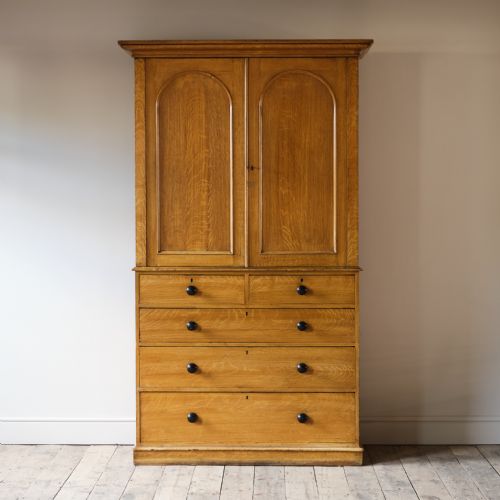
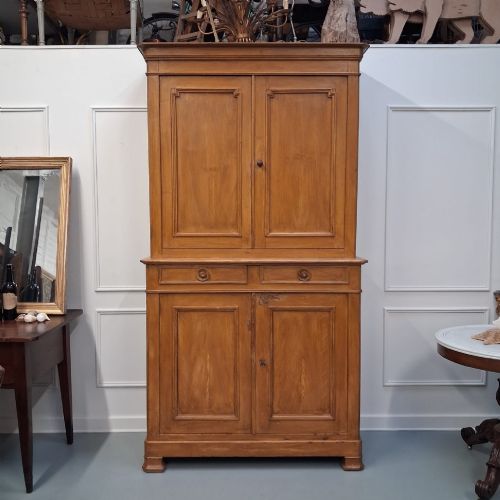
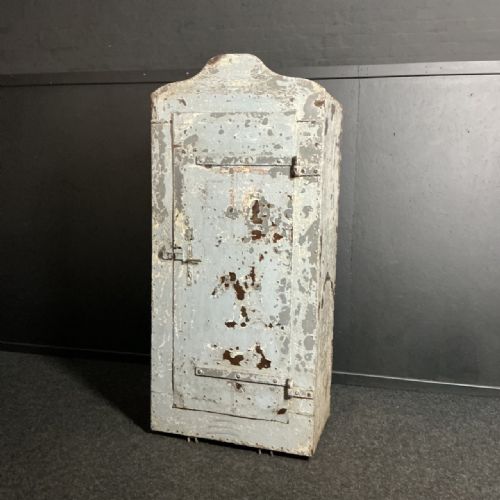
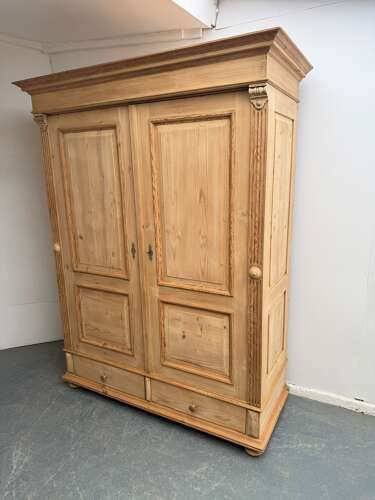
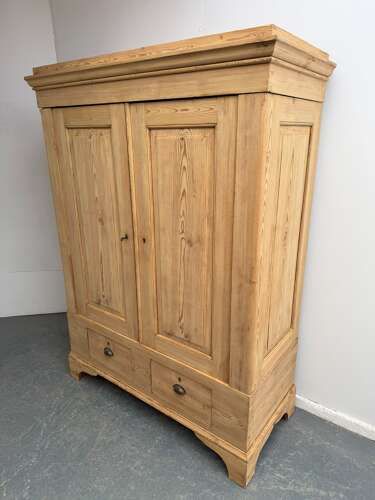
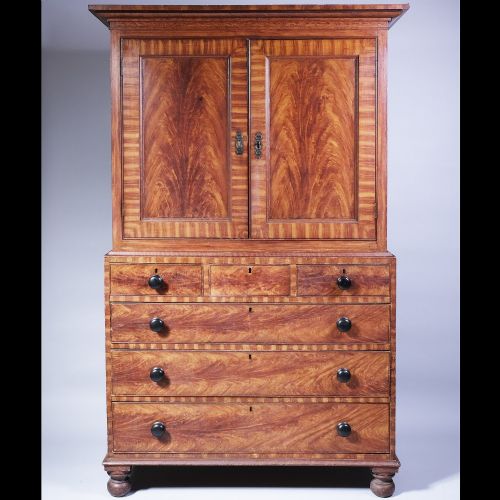
When you search for a rustic painted armoire, you encounter substantial storage pieces created to hold garments, linens and household stores. These items bridge multiple centuries and styles, spanning the Georgian era, the eighteenth century, and later decades up to nineteen ten.
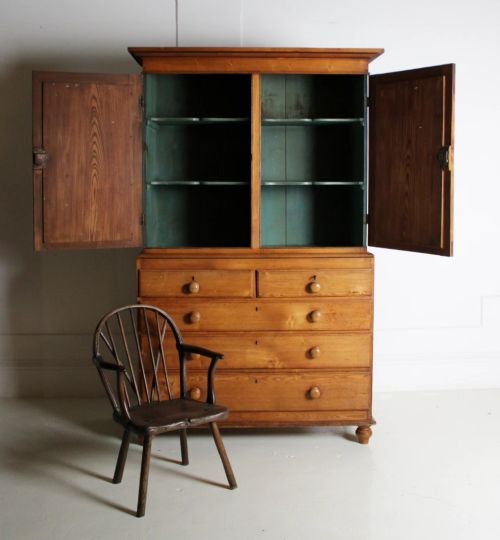
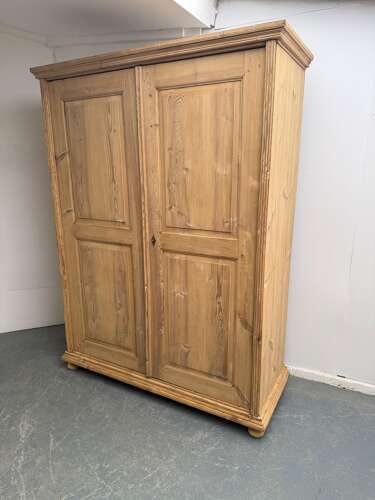
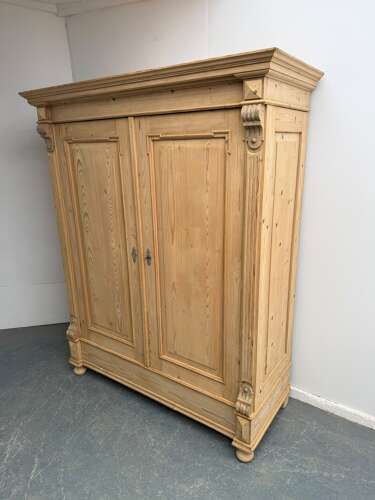
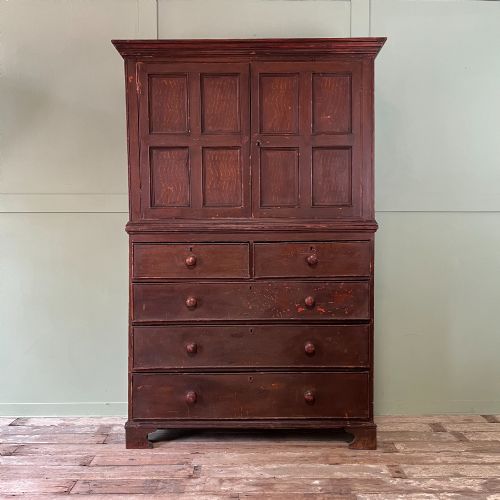
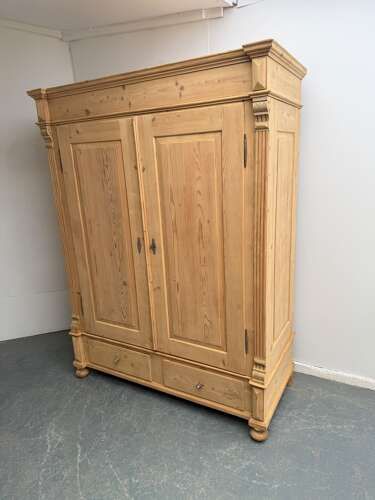
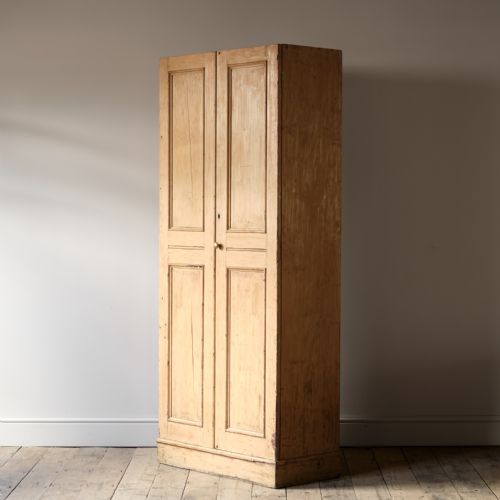
The versions most commonly met on this page include regional cupboards, housekeepers' cupboards, hall wardrobes, and linen cupboards. Examples emerge from English country traditions, Welsh vernacular workshops, and Scandinavian country origins.
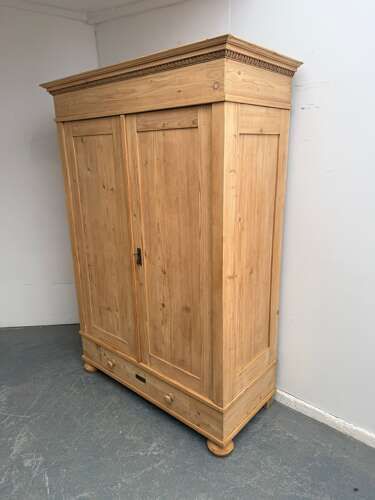
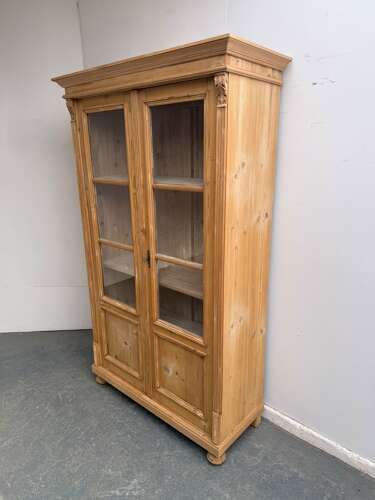
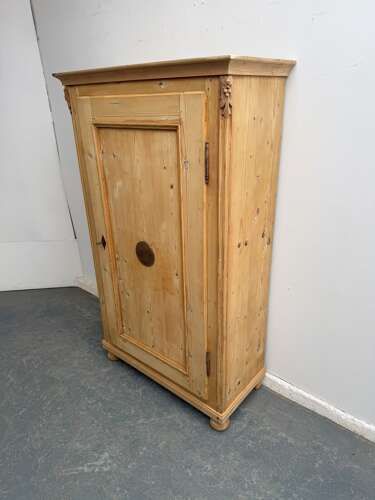
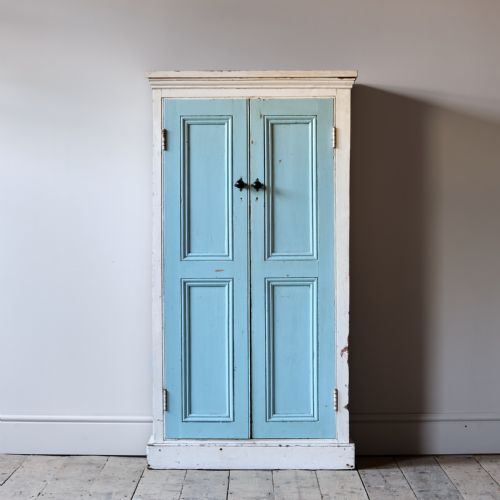
Forms vary from single-piece hall wardrobes to two-door linen cupboards and hanging cupboards. Each specimen carries the distinct decorative surface treatments and structural layouts of its native region and period.
How they were made
Construction relies primarily on pine and painted wood, utilising durable timbers suited to utilitarian domestic furniture. Artisans shaped these local softwoods into sturdy carcasses designed for daily service in rural homes.
Surfaces received layers of paint, often applied as a protective and decorative finish over the timber. Hardware components such as brass fittings were incorporated to secure doors and drawers while adding functional metalwork detail.
Retail Price Guide 2026
Typical UK retail prices for rustic painted armoire, calculated from the Sellingantiques database of over a million retail prices indexed since 2003. This retail price guide relies exclusively on Sellingantiques data; no external sources or auction records are used, so the figures do not describe the wider market.
Every cupboard hides decades of domestic history behind its painted doors.
What varies in quality
Quality rests in the integrity of the original construction and the character of the aged painted surface. Pieces that retain their early surface layers without heavy modern intervention hold greater historic cohesion.
Proportion and regional vernacular detailing also dictate standing within the range. Refined timber joinery combined with well-preserved vernacular forms separates standard utilitarian boxes from superior examples of country craftsmanship.
The Rustic Painted Armoire Glossary
- Armoire
- A large wardrobe or cupboard, traditionally used for storing clothes. These tall storage pieces often feature substantial double doors enclosing hanging space or shelving.
- Housekeeper's cupboard
- A large multipurpose storage cabinet designed for domestic organisation. They typically combine cupboards and drawers for storing linens and dry goods.
- Vernacular
- Architecture or furniture built by local artisans using local traditions and materials. These pieces reflect regional practical needs rather than formal academic design rules.
- Pine
- A softwood commonly utilised in country furniture production. It provides a stable and accessible timber that takes paint finishes effectively.
Frequently Asked Questions
What is a rustic painted armoire used for?
These large cupboards serve as primary storage furniture for clothing, bed linens, and household items. Their deep interiors and shelving accommodate bulky items while concealing clutter behind solid doors.
Placed in bedrooms, hallways, or living spaces, they bring vertical presence and traditional storage capacity to interiors. Their enclosed shelving and hanging spaces keep textiles protected from dust and light.
How do I care for a painted antique cupboard?
Maintain painted pine furniture by keeping it away from direct sunlight and major humidity fluctuations. This prevents the softwood from shifting and protects old paint layers from drying out or flaking.
Dust surfaces gently with a dry, soft cloth rather than using liquid polishes or harsh chemical cleaners. Preserving the integrity of aged painted finishes requires minimal intervention.
How do I distinguish regional styles?
Regional styles appear through construction methods, proportions, and the specific application of paint finishes. Scandinavian pieces often showcase lighter palettes, while Welsh and English vernacular examples reflect local joinery habits.
Examining the interior layout and hardware helps tie a piece to its geographic origin. Each tradition utilised specific mouldings and panel arrangements characteristic of its local workshop practice.
Are these pieces made of solid wood?
The listings feature construction built from solid timbers like pine rather than modern manufactured boards. Carpenters relied on natural softwoods for both structural frames and paneling.
This solid wood construction allows the pieces to endure centuries of use while maintaining structural stability. Natural grain and knot patterns often show subtly beneath aged painted surfaces.