

Painted Housekeeper Cupboard
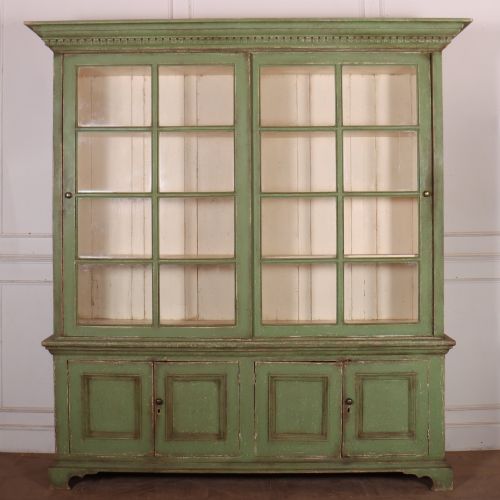
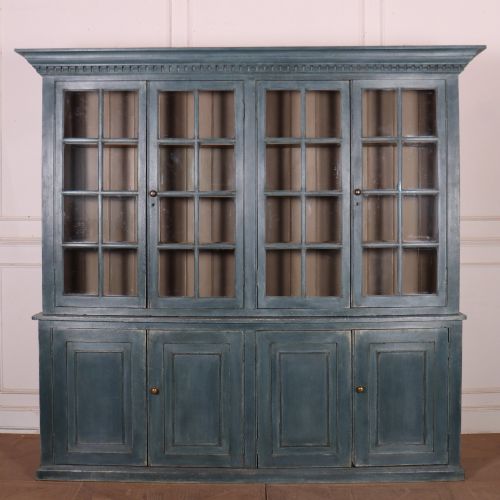
A painted housekeeper cupboard brings enduring rural character and generous storage to a room through its substantial form and weathered pigmented finish.
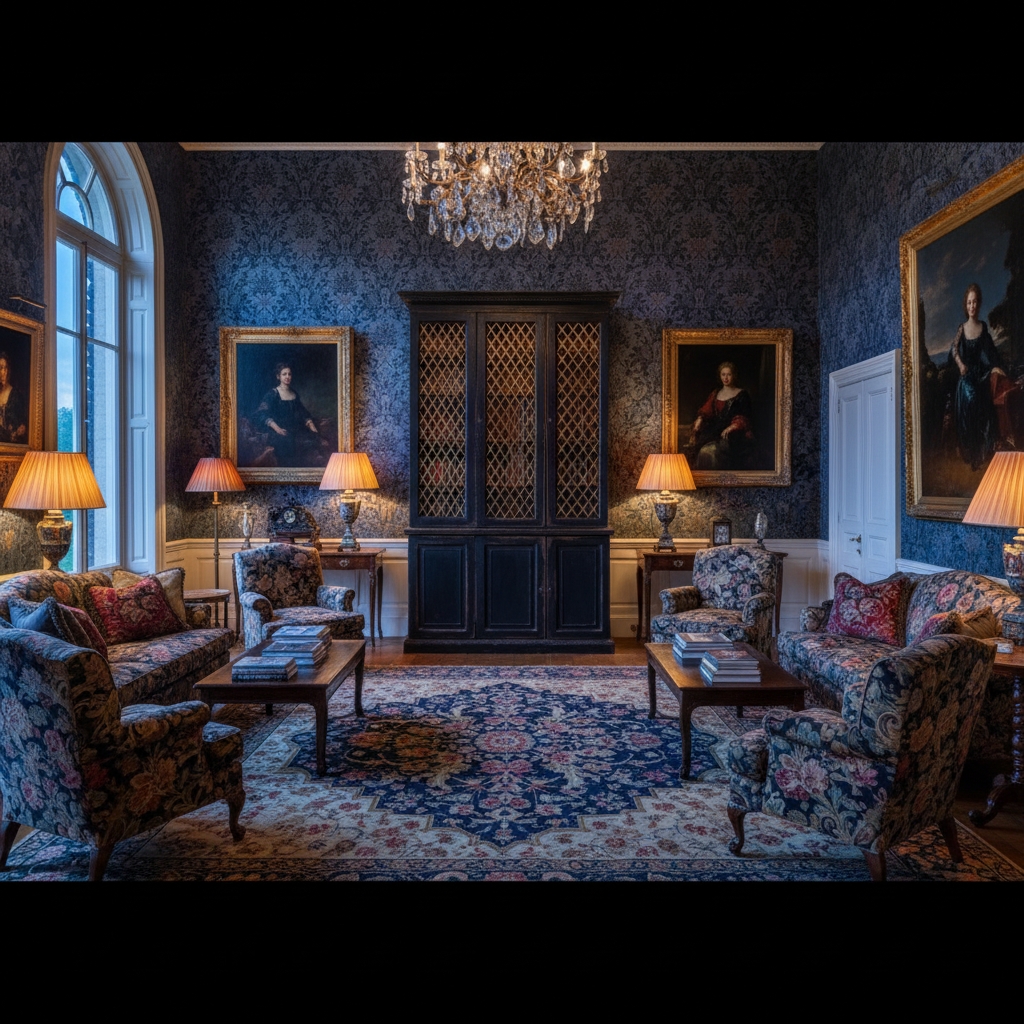
Painted Housekeeper Cupboard
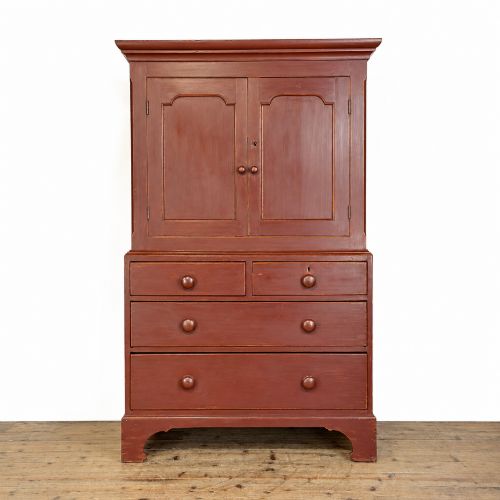
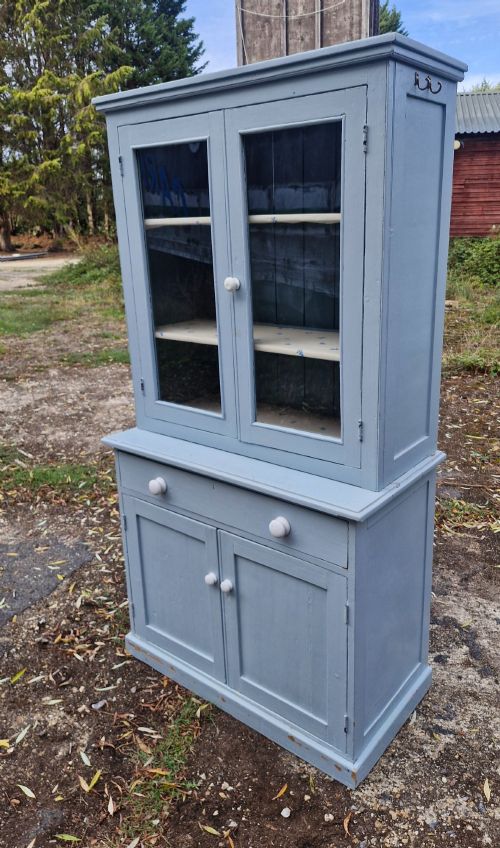
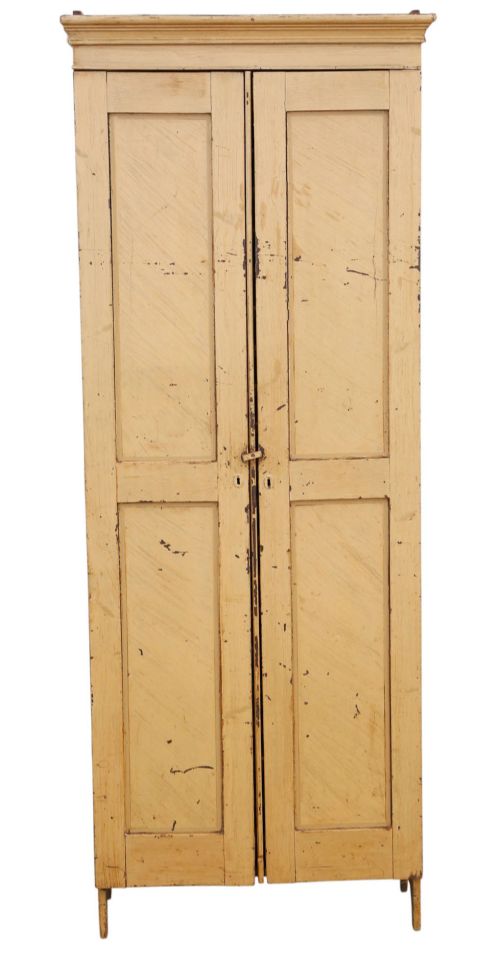
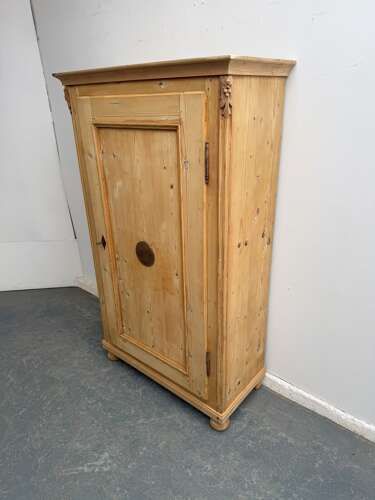
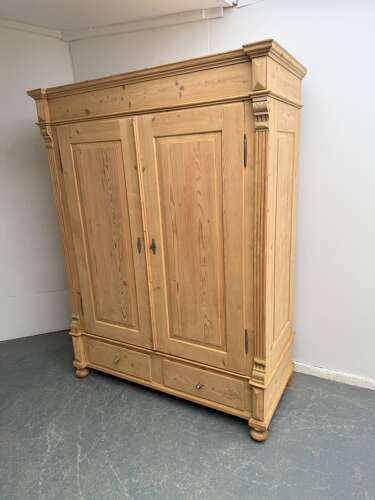
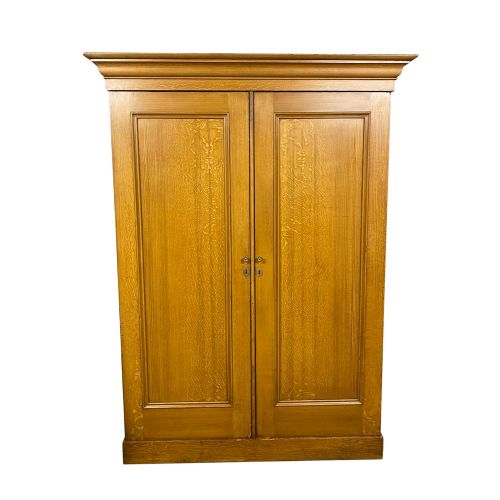
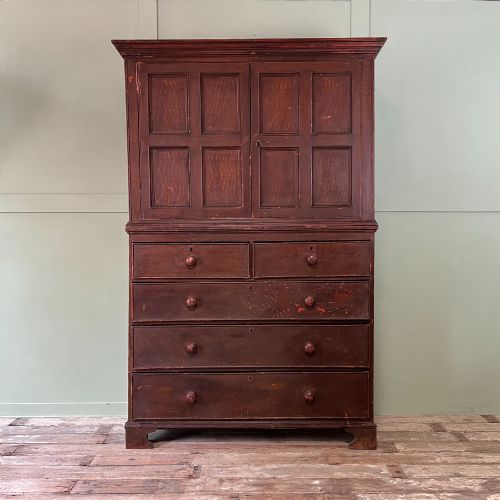
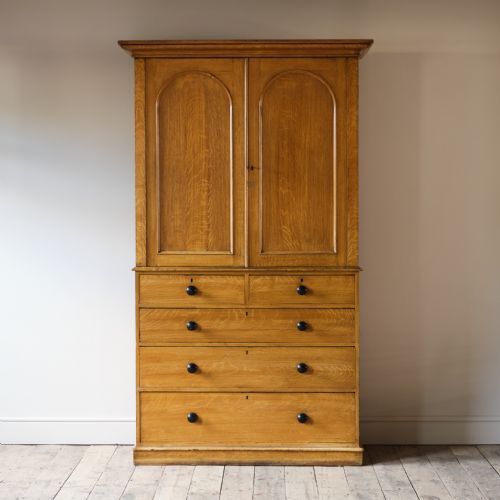
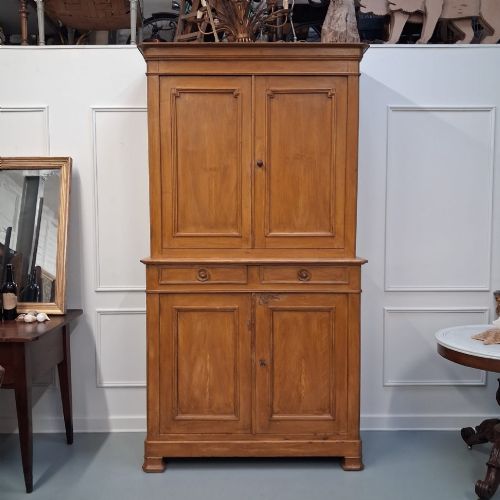
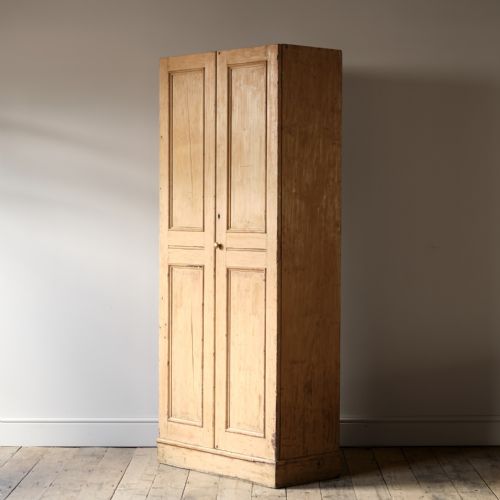
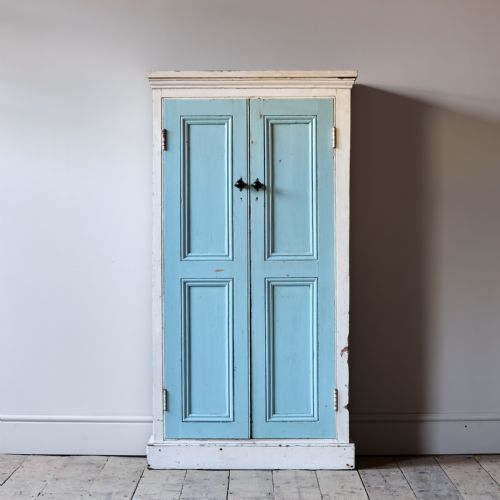
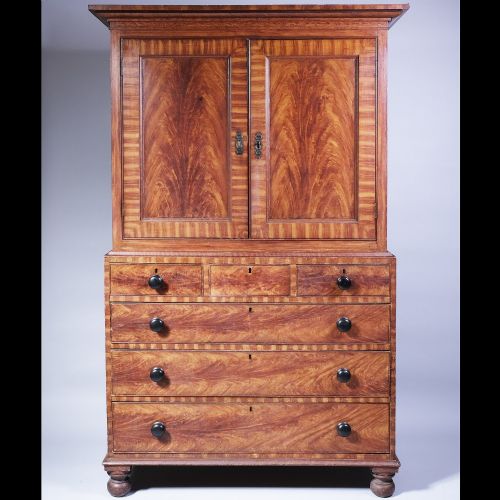
A painted housekeeper cupboard is a large storage piece historically used in country houses and large domestic settings for linens, provisions, and household goods. These items typically present as tall, multi-door configurations, often combining upper and lower sections, or appearing as expansive larder and linen presses.
The versions most commonly met on this page span the eighteenth and nineteenth centuries, reflecting the Victorian and Georgian eras as well as English country and folk art styles. Pieces originate from various regions including Scotland, the West Country, and Northern Europe, showcasing regional variations in proportion and internal shelving.
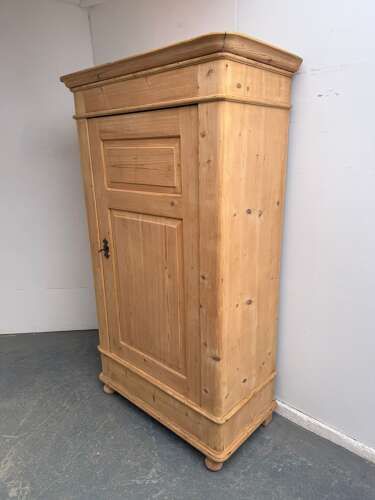
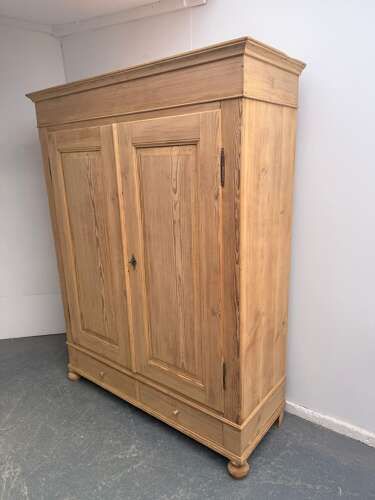
Alongside standard housekeepers cupboards, related forms appear in the listings such as linen presses, storage cupboards, bookcases, and armoires. All share a domestic utility rooted in large-scale pine construction designed to hold heavy household textiles and stores.
Materials and Construction
Construction relies primarily on pine and wood, built solidly to support heavy domestic loads across large multi-door carcasses. Iron and brass fittings provide structural integrity and operational hardware, appearing on hinges, latches, and handles.
Surfaces are finished with paint, including painted pine and painted wood, sometimes featuring decorative effects such as an oak grain simulation. Many examples preserve their original painted finishes accumulated over centuries of domestic use.
Painted Housekeeper Cupboard Retail Price Guide 2026
Typical asking prices for painted housekeeper cupboard among the pieces listed under this phrase on Sellingantiques today, from the lower quarter to the upper quarter. They describe what is for sale here now, not the wider market.
Some cupboards retain traces of flour and linen dust embedded in the original paint from decades of pantry service.
Distinctions in Quality
Quality rests upon the preservation of the original paint surface, where untouched historic pigment layers distinguish superior examples from later repainted surfaces. The integrity of the underlying pine carpentry, including panel construction and sturdy joints, further separates robust pieces.
Proportion and regional character dictate desirability, with pieces retaining authentic regional vernacular details and uncompromised structural scale holding greater interest. The presence of period brass and iron hardware in original working order completes the distinction.
The Painted Housekeeper Cupboard Glossary
- Linen Press
- A tall piece of furniture designed for storing folded textiles and clothes, typically featuring sliding trays or shelves behind upper doors. These often form part of the broader category of housekeeper storage.
- Original Paint
- A pigmented surface finish applied when the piece was first made, preserved without subsequent overpainting. Collectors prize this surface for its authentic historic patina and colour.
- Pine
- A softwood commonly utilised for the construction of country furniture due to its widespread availability and workability. It forms the structural carcass of nearly all pieces listed here.
Painted Housekeeper Cupboard: Frequently Asked Questions
Where were housekeeper cupboards used?
These cupboards were traditionally positioned in large country houses, sculleries, and utility rooms where domestic staff managed household stores.
Their primary function was the secure storage of household linen, provisions, and blankets away from dust and damp.
How do I care for original paint?
Maintenance requires gentle dusting with a dry or slightly damp cloth, avoiding harsh modern chemical cleaners that can strip historic pigment layers.
Keep the timber away from direct heat sources and strong sunlight to prevent the underlying pine from drying and the paint from cracking.
Can these cupboards fit modern rooms?
Due to their substantial height and depth, these pieces require careful measurement of ceiling clearance and wall space before placement.
They function well in large kitchens, hallways, and bedrooms, offering substantial vertical storage that replaces multiple smaller units.
How do I identify the period?
Dating relies on observing construction methods, timber choice, and the style of hardware such as brass or iron hinges and latches.
Georgian and Victorian examples each display distinct proportions and joinery techniques that reveal their era of manufacture.