

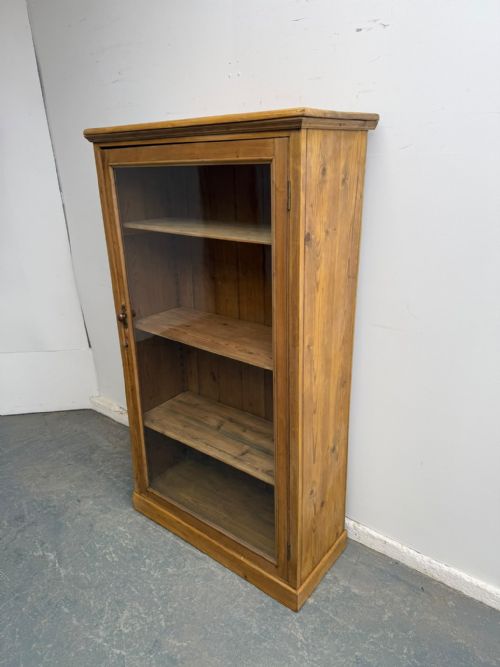
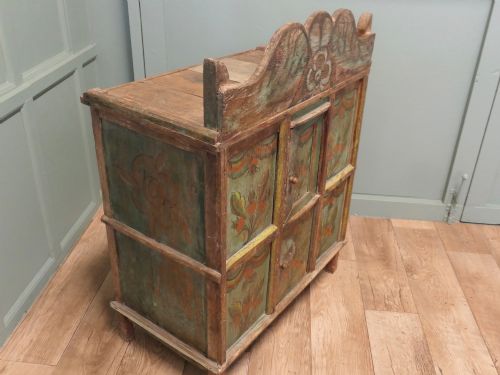
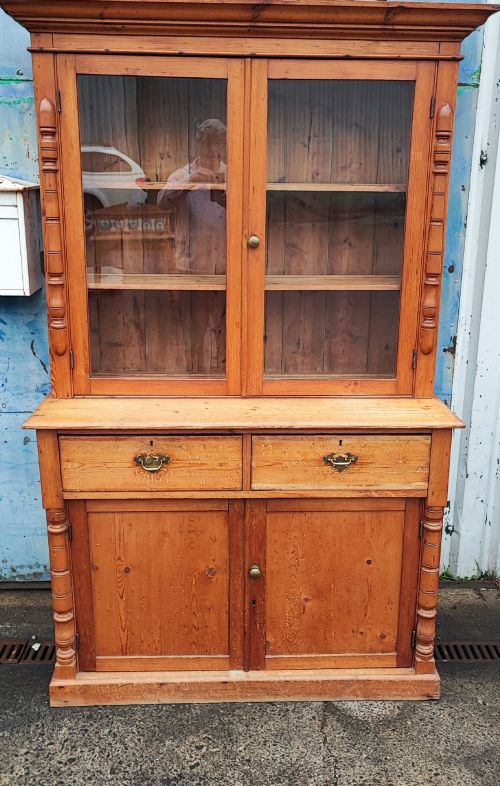

Rustic Pine Cabinet
A rustic pine cabinet brings honest utility and warm grain to any room, offering versatile storage shaped by decades of everyday use.
Rustic Pine Cabinet
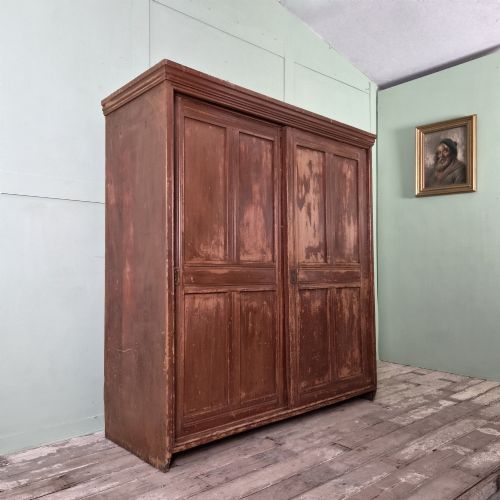
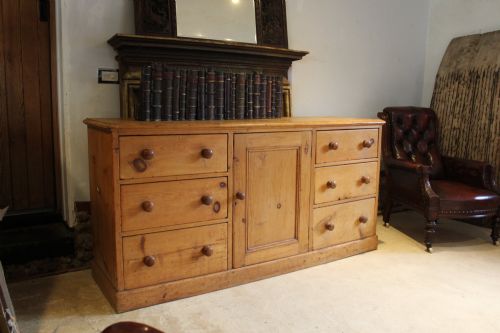
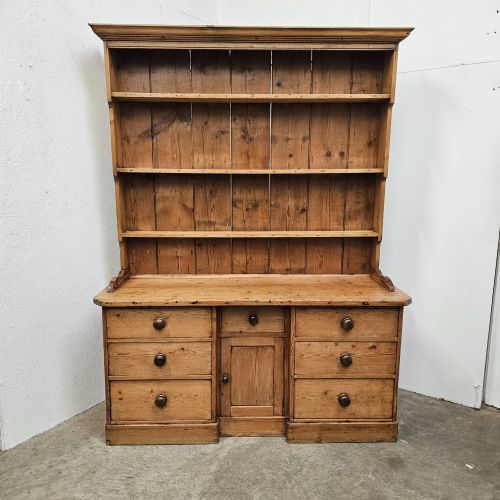
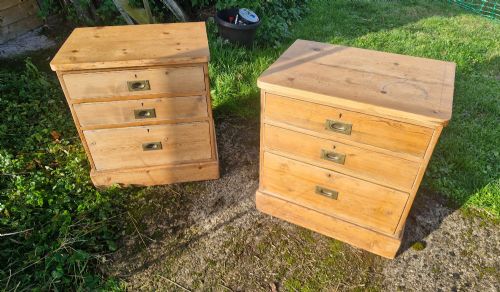
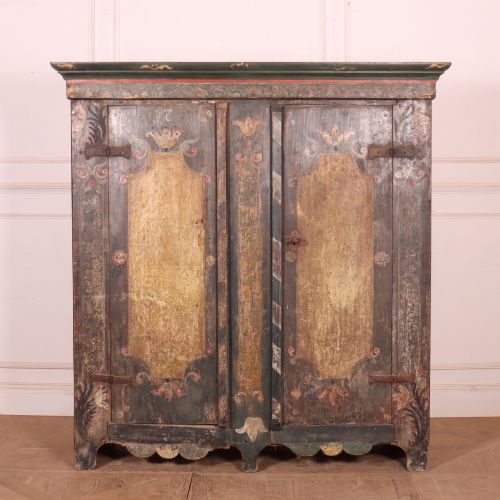
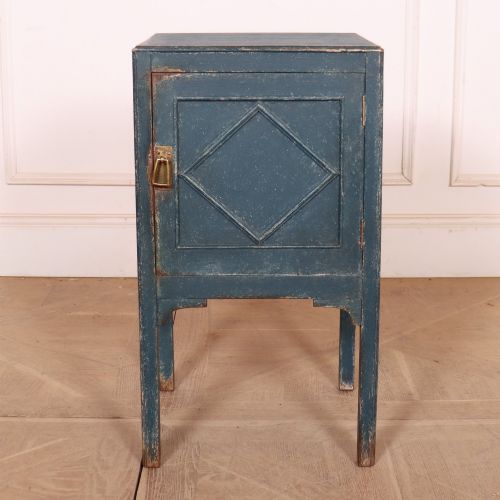
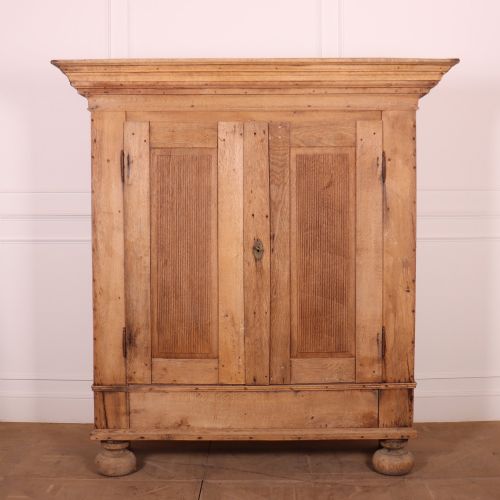
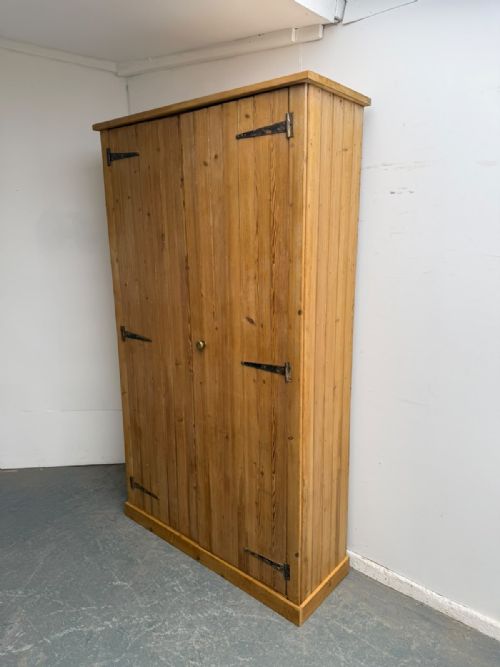
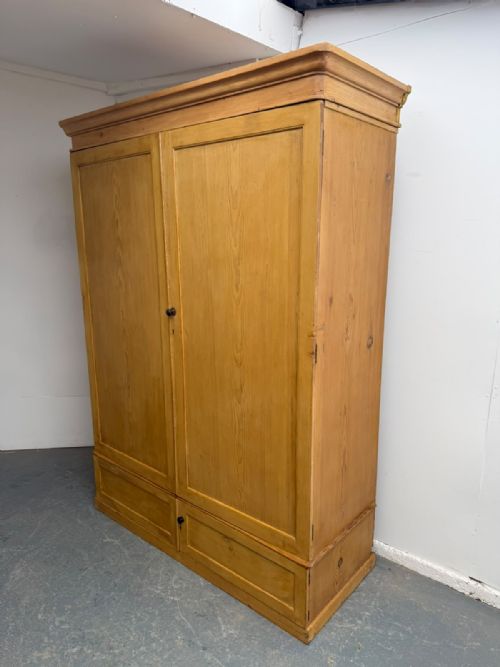
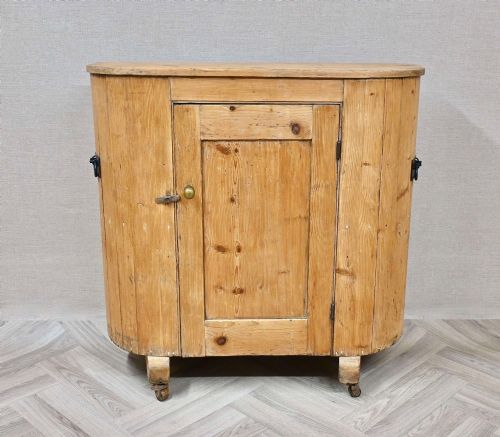
A rustic pine cabinet encompasses a wide array of practical storage forms, ranging from towering housekeepers' cupboards and kitchen dressers to compact bedside nightstands and wall-mounted shelves. The selections span multiple periods, drawing heavily from 19th-century Victorian workshops, Georgian joinery, and continental traditions like French provincial and French country pieces.
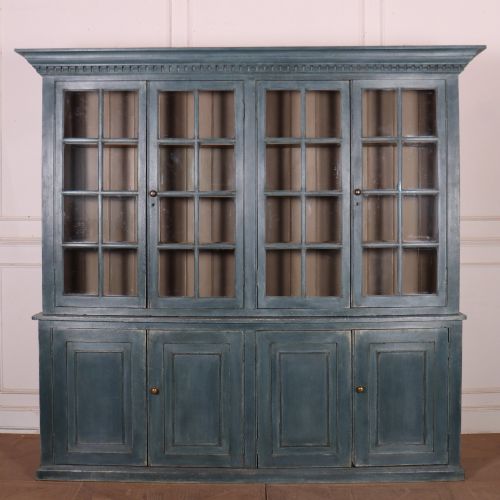
Buyers frequently encounter robust wardrobes, multi-drawer chests, and glazed larder cupboards designed originally for hard-working domestic spaces. These pieces emerge from both British regional workshops, such as Welsh and West Country centres, and European households, reflecting local needs for substantial food and linen storage.
The enduring appeal of a rustic pine cabinet lies in its straightforward construction and utilitarian purpose, shifting smoothly from working kitchens and schoolrooms to modern living spaces.
Materials and Technique
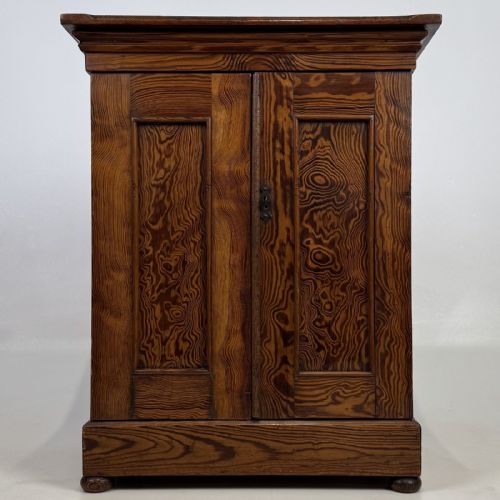
Makers relied primarily on solid pine and pitch pine, selecting straight-grained softwoods that proved easy to plane, join, and shape into large furniture carcases. Workshops utilised durable iron hinges, brass handles, and glass panels for glazed doors, balancing economy with functional longevity.
Surfaces were frequently finished with natural wax, protective oils, or layered historical paint finishes that accumulated character over decades of service. Construction methods favoured pegged joints, dovetailed drawer boxes, and sturdy tongue-and-groove paneling capable of withstanding heavy daily use.
Rustic Pine Cabinet Retail Price Guide 2026
Typical asking prices for rustic pine cabinet among the pieces listed under this phrase on Sellingantiques today, from the lower quarter to the upper quarter. They describe what is for sale here now, not the wider market.
The listings span multiple centuries, uniting 18th-century Irish dressers with Edwardian bookcases and Victorian pitch pine cupboards.
Evaluating Character and Construction
Quality in these pieces rests on the integrity of the original construction, the thickness of the timber boards, and the retention of authentic hardware. Cabinets featuring unblemished original paint or deep, undisturbed wax patinas command greater attention from collectors than heavily stripped or modernly altered examples.
Proportion and scale also dictate distinction, as finer pieces maintain balanced cornices, working locks with original keys, and tightly fitted doors that hang true. The presence of makers' marks or regional idiosyncratic joinery further elevates the standing of an individual piece.
The Rustic Pine Cabinet Glossary
- Patina
- The surface sheen and colour developed through years of handling, waxing, and exposure to light. It serves as a visual record of age.
- Housekeeper's cupboard
- A large storage piece traditionally used in manor houses for linens and dry goods, featuring multiple doors and internal shelving.
- Pitch pine
- A dense, resinous variety of pine known for its prominent grain pattern and exceptional durability. It was frequently utilised for heavy-duty Victorian furniture.
- Confiturier
- A small French cupboard, also known as a jam cupboard, originally built to store jars of preserves in provincial kitchens.
- Dovetail
- A traditional wood-joining technique utilising interlocking wedge-shaped fingers. It provides superior tensile strength for drawer construction.
Rustic Pine Cabinet: Frequently Asked Questions
How do I clean a waxed pine cabinet?
Maintain the surface by dusting with a soft, dry cloth and applying a traditional beeswax paste sparingly when the wood appears dry. Avoid modern liquid polishes containing silicone, which can penetrate the grain and damage the finish over time.
Allow the wax to dry for a short period before buffing gently to a soft sheen. This preserves the natural warmth and historical patina of the timber.
Are these cabinets suitable for modern kitchens?
These practical pieces fit seamlessly into contemporary culinary spaces, offering generous capacity for dinnerware, dry goods, and cookware. Their neutral timber tones and painted finishes complement both minimalist and traditional interiors.
Ensure that the placement avoids direct heat sources and excessive moisture to protect the structural integrity of the softwood.
How can I tell a Victorian pine piece from an earlier one?
Examine the construction methods, tool marks left on the interior boards, and the type of hardware fitted to the doors and drawers. Earlier Georgian and 18th-century pieces often display hand-sawn timber and simpler, pegged joinery.
Victorian items frequently incorporate machine-sawn elements and standardised iron or brass fittings while retaining robust pine carcases.
Do knockdown wardrobes assemble easily?
Large wardrobes from the 19th century were frequently designed to dismantle into panels, cornices, and bases for ease of transport between rooms. Assembly generally requires basic hand tools and two people to align the pegged joints and securing bolts correctly.
Take care to check that the frame remains square during assembly so that the doors hang evenly on their original hinges.