
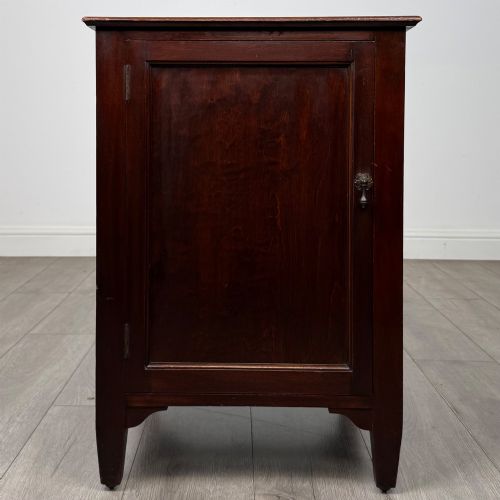
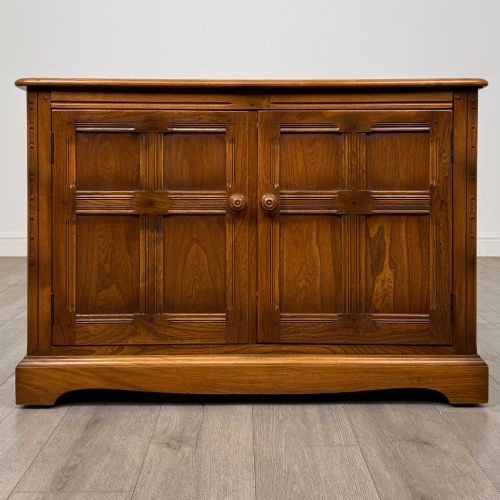
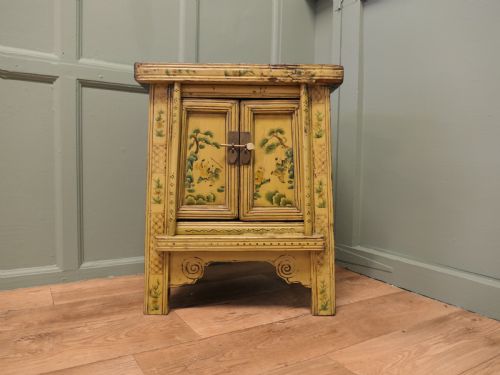
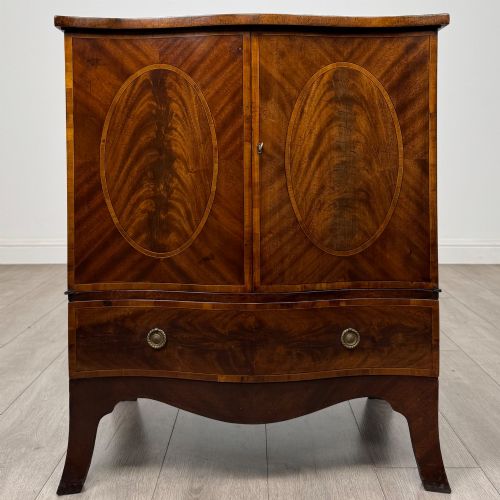


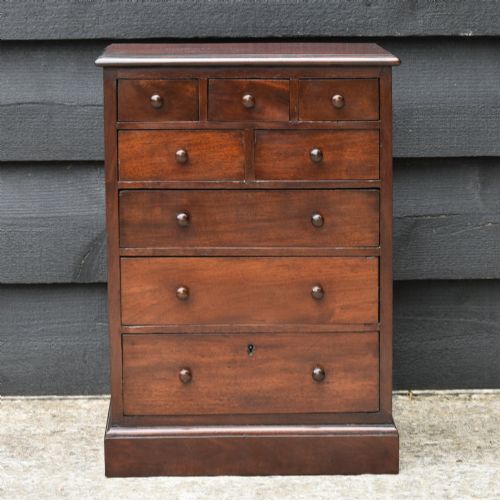
Small Wooden Cabinet
A small wooden cabinet holds precious items in miniature, spanning centuries of skilled carpentry from Georgian spice cupboards to Edwardian bedside tables.
Small Wooden Cabinet
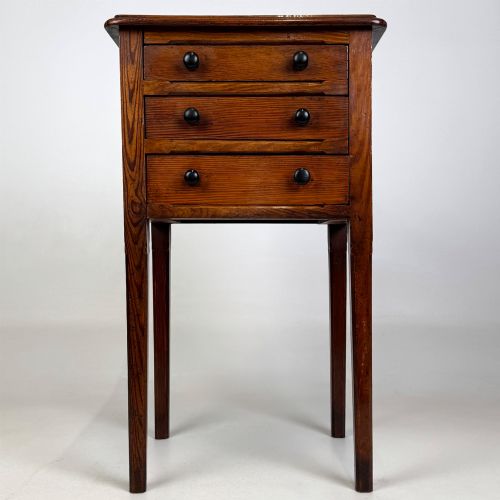
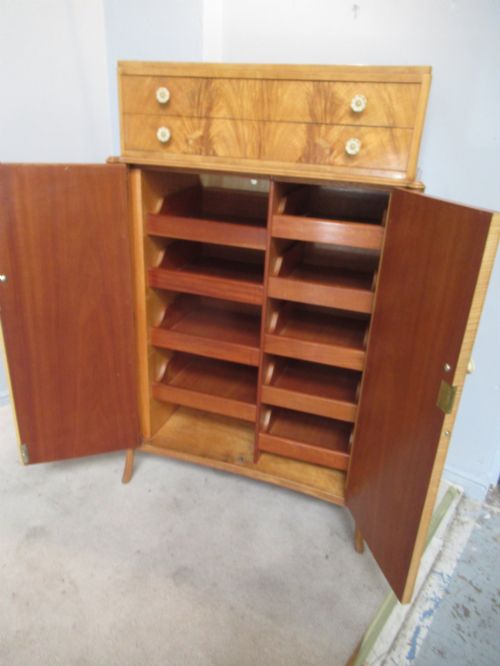
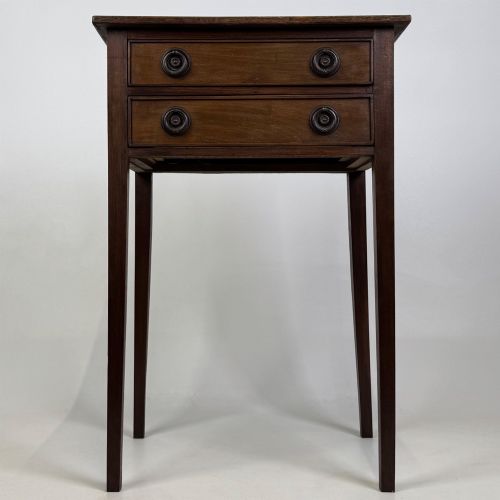
A small wooden cabinet brings compact storage to domestic spaces, taking the form of bedside chests, wall-hanging cupboards, and miniature drawers. These pieces accommodate varied rooms through practical footprints and thoughtful internal compartments.
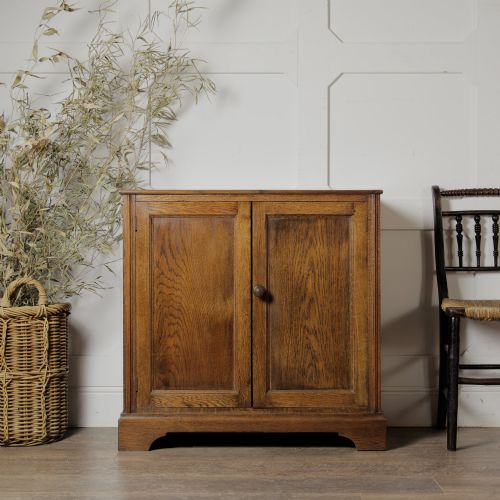
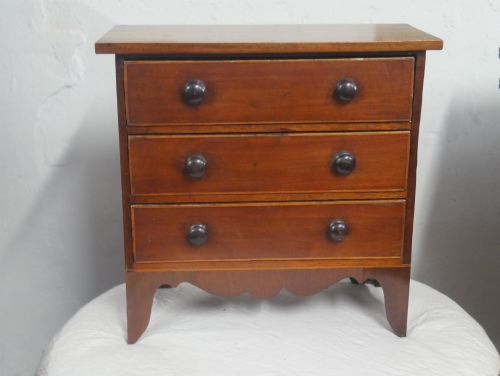
Georgian and Victorian examples dominate the traditional aesthetic, featuring rich mahogany, oak, and walnut timbers. Buyers often encounter bedside cabinets, spice cupboards, and miniature chests that served specific domestic roles in earlier centuries.
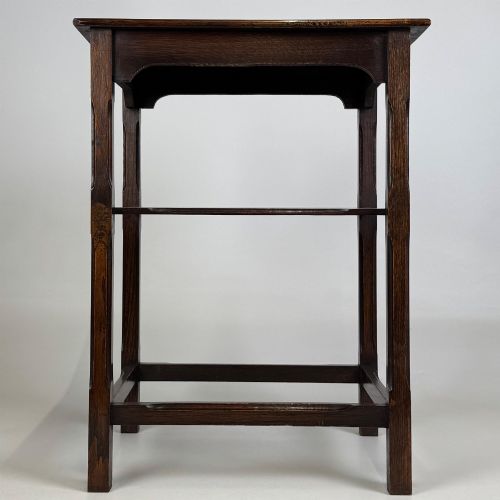
Edwardian and later twentieth-century variations introduce lighter timbers such as ash, satinwood, and maple. These later pieces include open bookcases and side tables suited to more modest domestic proportions.
Materials and construction
Cabinet makers utilised durable hardwoods including mahogany, oak, walnut, and pitch pine to ensure structural longevity. Secondary timbers often included boxwood for inlay work and brass for hardware and castors.
Construction techniques relied on traditional joinery, dovetail joints for drawer construction, and hand-carved decorative elements. Surfaces received wax or polished finishes that highlighted the natural grain of the wood.
A tiny apothecary chest once held twenty-five miniature drawers of remedies, proving great cures come in small wooden packages.
Judging quality in miniature furniture
Quality separates pieces through the precision of the joinery and the selection of timber figures. Superior examples display tight dovetails, matched wood veneers, and original brass fittings.
Proportion and decorative restraint distinguish finer pieces from utilitarian items. Elaborate inlays, hand-carved panels, and retained original finishes elevate the status of an antique.
The Small Wooden Cabinet Glossary
- Dovetail
- A joinery technique used to secure drawer corners through interlocking wedge-shaped fingers. This method provides exceptional tensile strength without relying on metal fasteners.
- Apprentice piece
- A miniature furniture item created by a trainee to demonstrate mastery of carpentry skills. These scaled-down pieces mirror full-sized chests and cabinets in every structural detail.
- Chinoiserie
- European decorative imitation of traditional Chinese artistic styles, often featuring painted lacquer and gilt motifs. This technique appeared on eighteenth and nineteenth-century cabinets.
- Inlay
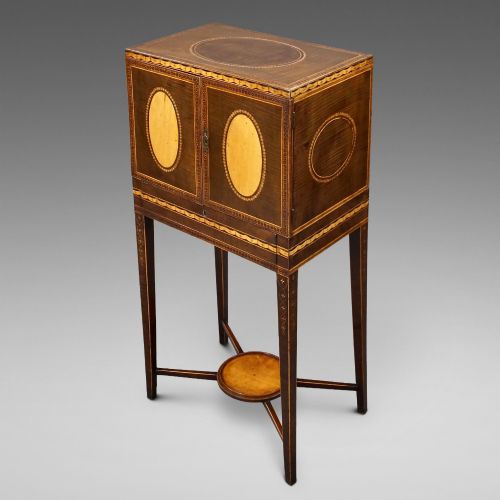
- A decorative method where contrasting pieces of wood or metal are inserted into recesses within the primary surface. Boxwood and satinwood frequently served this purpose on mahogany frames.
- Wellington chest
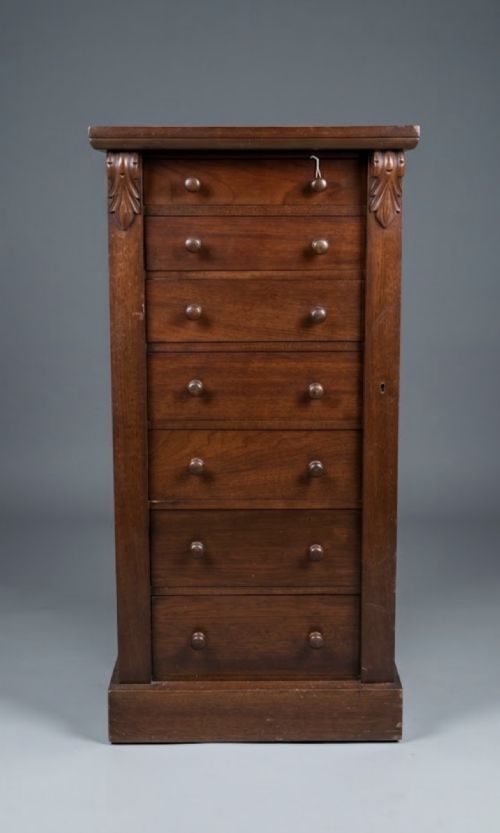
- A tall, narrow chest of drawers secured by a hinged locking side stile that fastens with a key. This form originated during the nineteenth century.
Small Wooden Cabinet: Frequently Asked Questions
Where should I place a small wooden cabinet?
These compact pieces fit easily beside a bed, in a hallway, or upon a desktop. Their modest proportions allow them to function effectively in rooms with limited floor space.
They serve practical storage needs while introducing period character to contemporary interiors. Wall-hanging variants utilise vertical space efficiently without crowding a room.
How do I identify a Georgian cabinet?
Georgian pieces generally exhibit solid proportions, classical architectural moulding, and dark mahogany or oak timbers. Cabinet makers of this era favoured clean lines and substantial brass hardware.
Interior construction often reveals hand-cut dovetails and secondary woods consistent with eighteenth-century workshop practices. The absence of mass-produced components helps confirm the period.
How do I care for antique wood furniture?
Maintain antique timber by keeping it away from direct sunlight and sudden temperature shifts. Natural beeswax applied sparingly preserves the lustre of the polished surface.
Avoid silicone-based polishes that can penetrate the wood grain and damage the finish over time. Gentle dusting with a dry cloth is sufficient for daily maintenance.