


Victorian Specimen Chest
A victorian specimen chest organises natural history finds, microscope slides and coins in multiple shallow drawers.
Victorian Specimen Chest
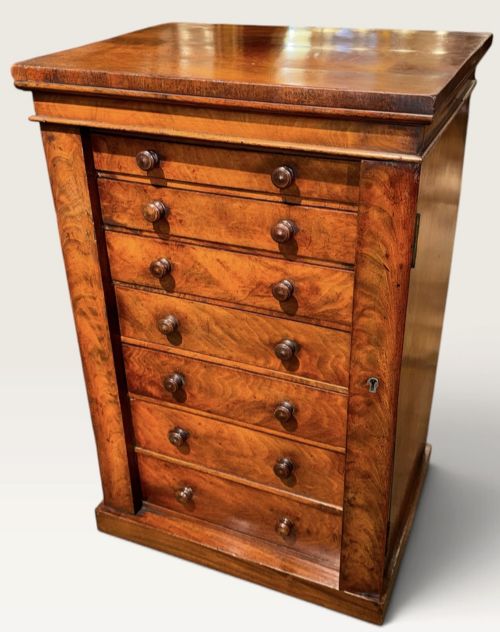
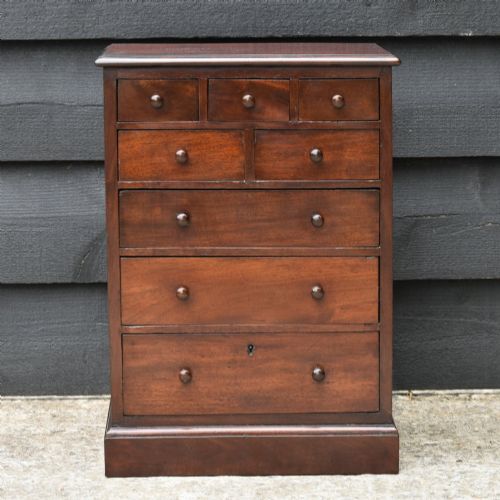
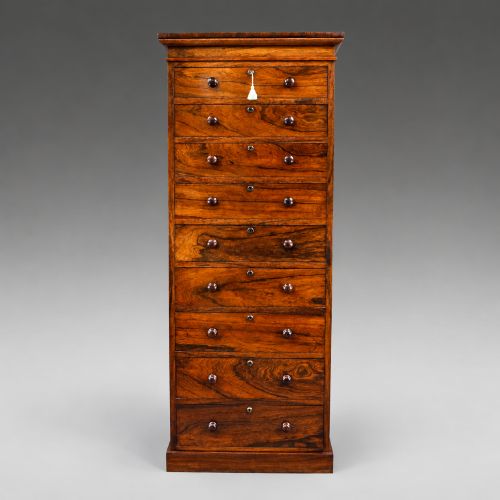
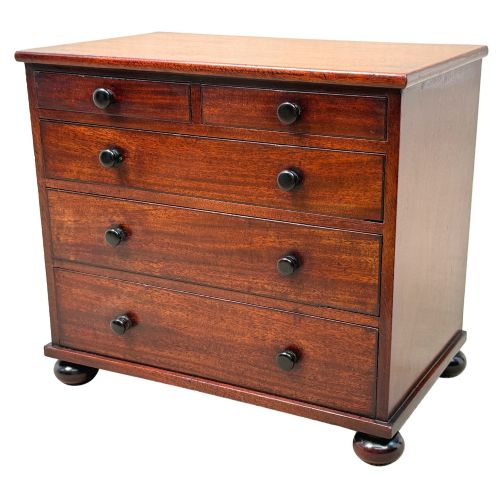
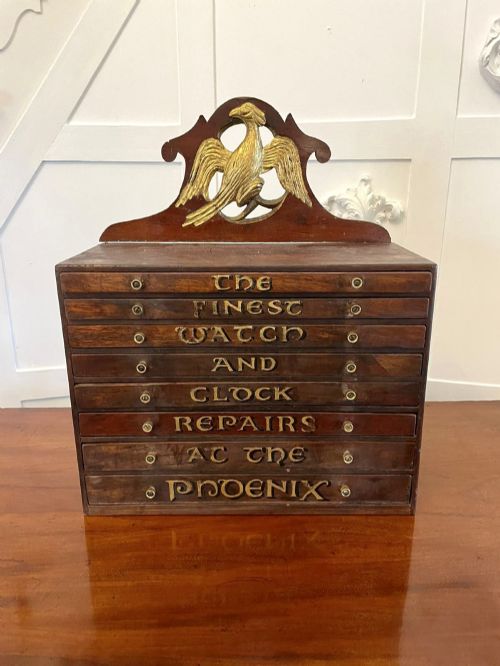
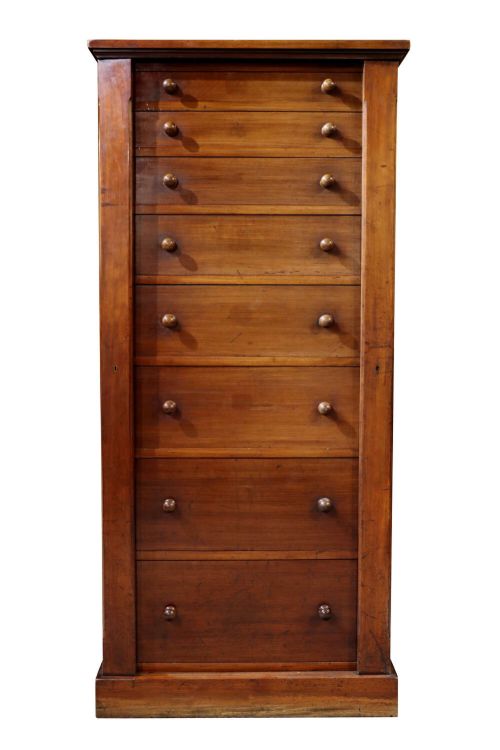
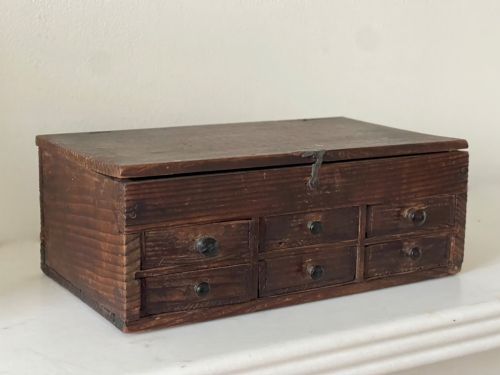
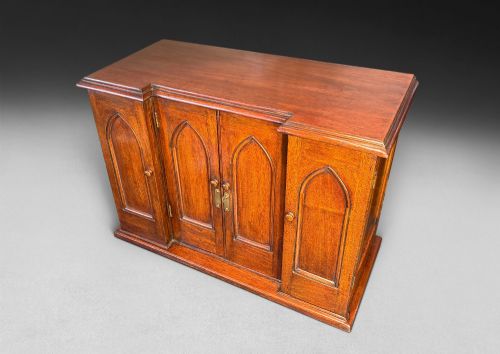
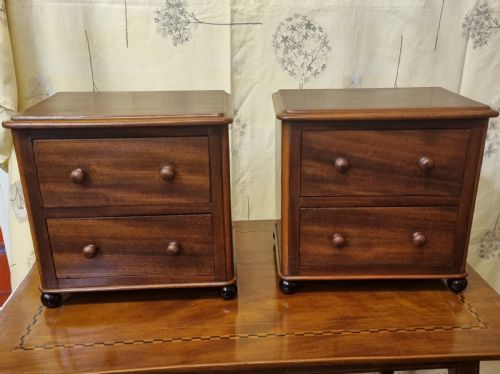
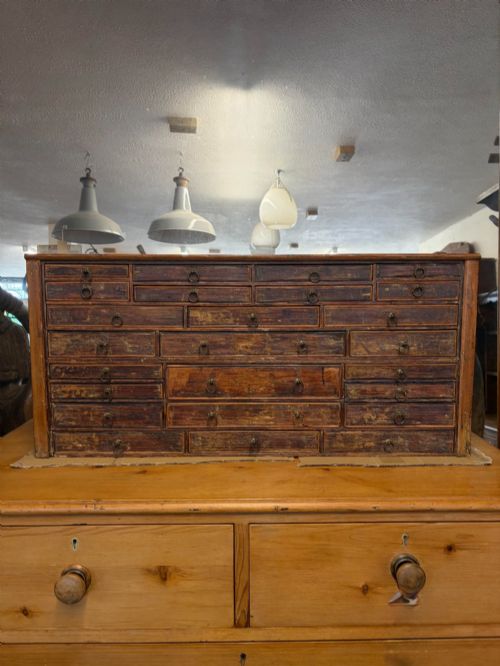
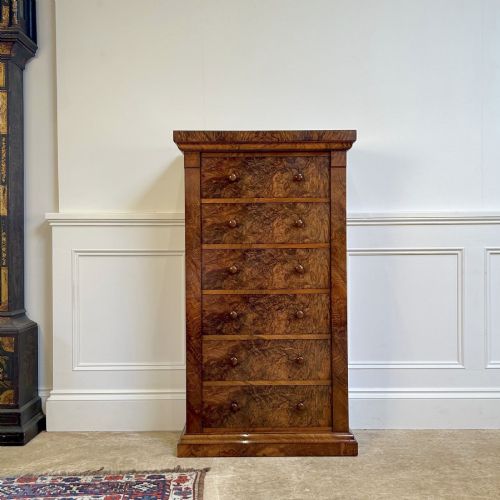
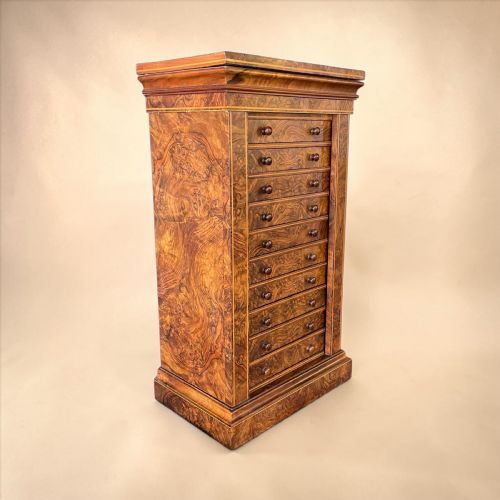
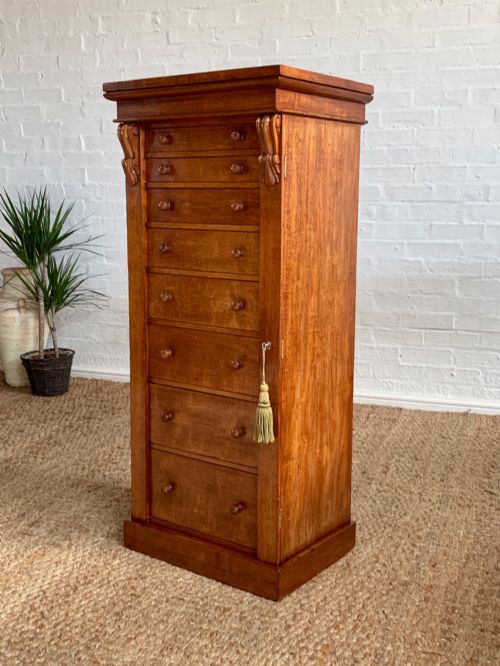
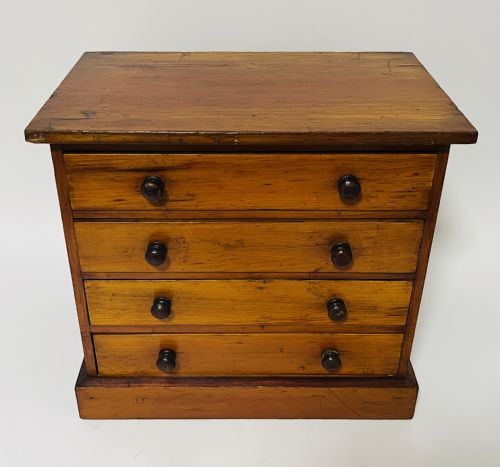
A victorian specimen chest serves as a compact multi-drawer housing for natural history items, insects, botanical finds, microscope slides and small artefacts. These pieces emerge primarily from the nineteenth century, taking forms such as table-top cabinets, tall Wellington chests with locking stiles, banks of numerous small drawers, and apprentice pieces.
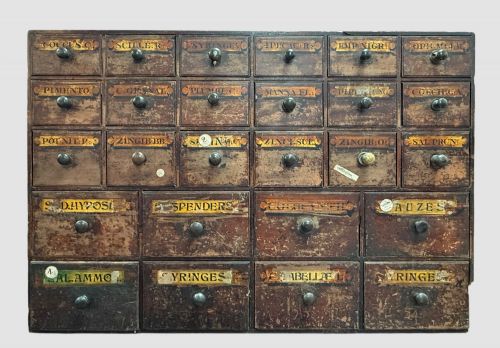
Most examples found on this page are constructed in rich timbers like mahogany, walnut and oak, alongside utilitarian pine and deal. Buyers encounter miniature chests, standing cabinets, and specialised banks designed for chemists, florists and watch repairers alongside dedicated entomological and slide storage.
Judging quality in specimen storage
Quality rests in the precision of the drawer fit and the choice of timber, where figured veneers and dense hardwoods distinguish utilitarian pine versions from high-end display pieces. The complexity of the internal arrangement, such as twenty-eight drawer microscope slide banks or locking Wellington mechanisms, marks out superior craftsmanship.
Original furniture hardware, including turned knobs, brass locks and working keys, elevates an example. The condition of the internal drawer construction and the absence of structural alterations maintain the integrity of these specialised multi-drawer units.
Victorian Specimen Chest Retail Price Guide 2026
Typical asking prices for victorian specimen chest among the pieces listed under this phrase on Sellingantiques today, from the lower quarter to the upper quarter. They describe what is for sale here now, not the wider market.
Formats on this page range from single table-top boxes and miniature apprentice pieces to twenty-eight drawer microscope slide cabinets.
Luxmore's of Ilfracombe·Watkins and Doncaster·D Napier and Sons
The Victorian Specimen Chest Glossary
- Wellington chest
- A tall, slender chest of drawers featuring a hinged locking stile on one side that secures all drawers when locked. This form appears frequently in nineteenth-century specimen and collector cabinetry.
- Specimen cabinet
- A piece of furniture designed specifically to house collections of natural history, fossils, coins or minerals in shallow, dust-proof drawers. These units range from small table-top boxes to large multi-drawer floor-standing pieces.
- Microscope slide cabinet
- A specialised multi-drawer chest built with very shallow slots sized precisely to hold glass microscope slides. They often include numbered drawer lists and fine mahogany construction.
- Wellington stile
- The locking vertical timber flap on a Wellington chest that fastens over the drawer edges. It requires the top drawer to be unlocked before it can open.
Victorian Specimen Chest: Frequently Asked Questions
What were specimen chests used for?
These cabinets housed scientific collections, including pinned insects, botanical specimens, fossils and glass microscope slides. Naturalists and collectors relied on the numerous shallow drawers to organise delicate items safely.
Over time, similar multi-drawer formats were adopted by chemists, florists and watch repairers for small components and apothecary stock.
How do I maintain these cabinets?
Keep the wood conditioned with a light application of traditional wax polish to preserve the finish. Avoid placing the chest in direct sunlight or near heat sources to prevent timber splitting.
Ensure drawers are pulled evenly to protect the historical runners and internal dividers from unnecessary wear.
Are all specimen chests made of mahogany?
While mahogany and walnut feature prominently in fine examples, many pieces utilise oak, pine, deal and satin birch. Timbers varied according to the workshop and the intended destination, ranging from utilitarian trade chests to luxurious parlour cabinets.
Secondary woods like pine were frequently employed for internal framing and drawer linings even in hardwood-fronted cabinets.