





Multi Drawer Cabinet
These multi drawer cabinet pieces offer utilitarian storage and organised charm, making them sought-after for sorting collections or everyday items.
Multi Drawer Cabinet
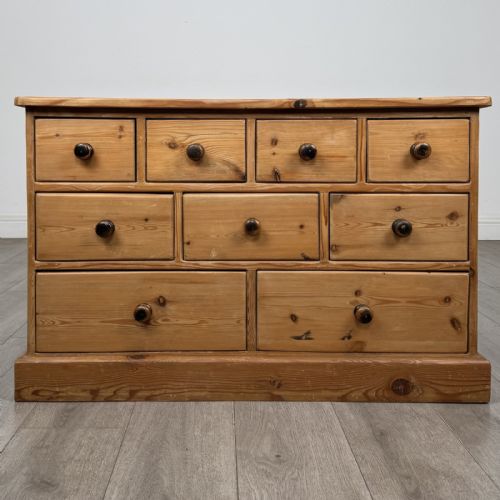
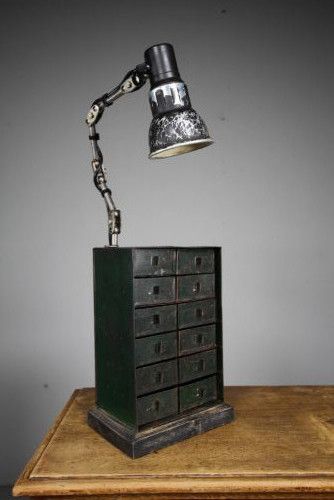
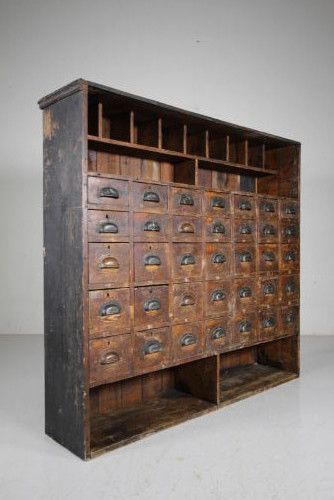
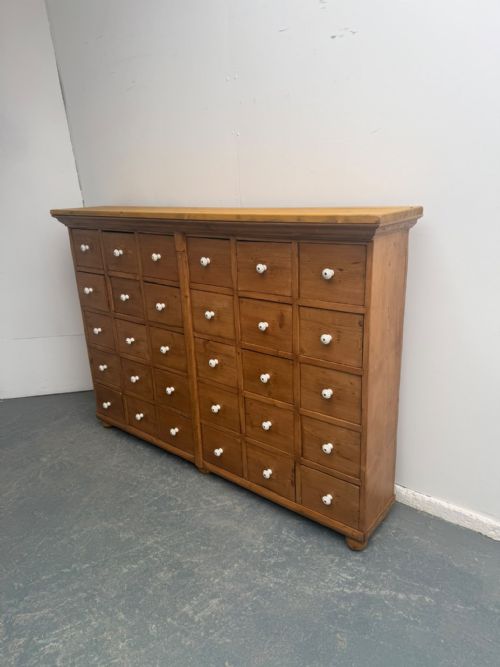
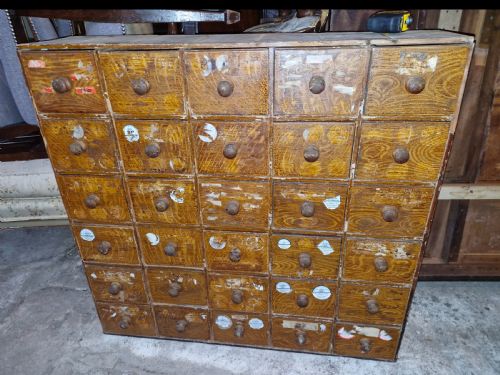
A multi drawer cabinet brings disciplined storage into a domestic or commercial interior, taking forms such as banks of drawers, filing chests, and apothecary cupboards. You will frequently encounter tall Victorian pine shop fittings or industrial units featuring numerous small compartments for sorting objects.
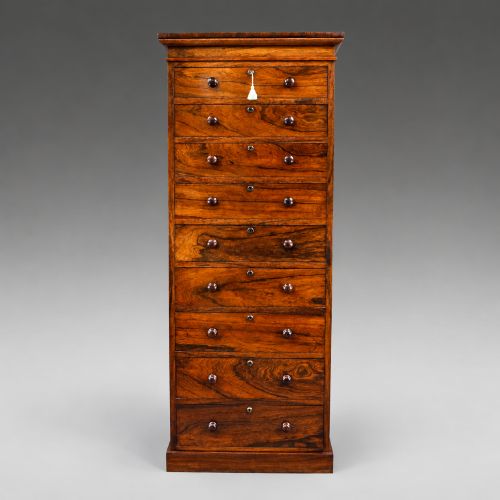
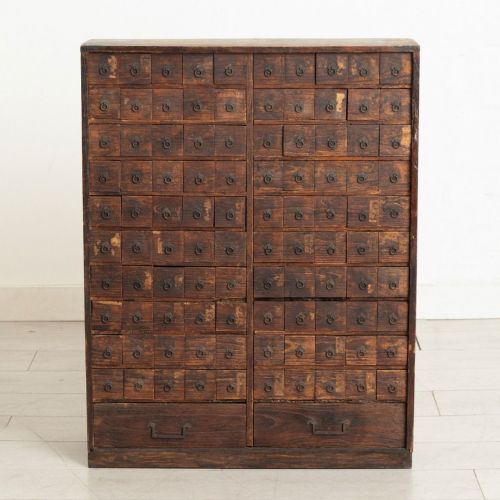
The selection spans nineteenth-century mahogany collectors' chests alongside robust early twentieth-century metal and oak filing systems. Pieces originate from English workshops, French provincial houses, and further afield in Chinese and Japanese apothecary rooms.
Buyers choose a multi drawer cabinet to manage everything from stationery to natural history specimens while adding distinct period character to a room. The substantial drawer counts and honest utility define their enduring appeal.
How they were made
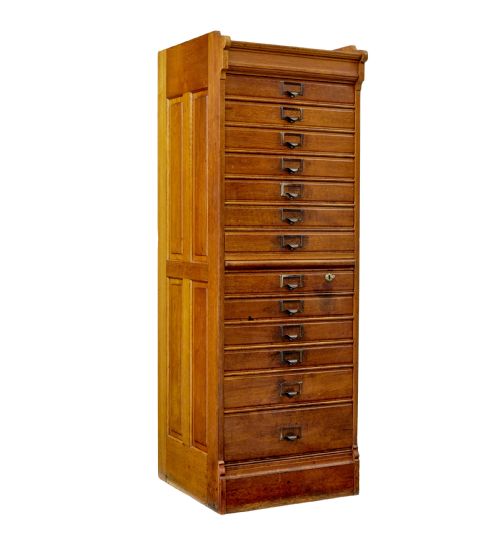
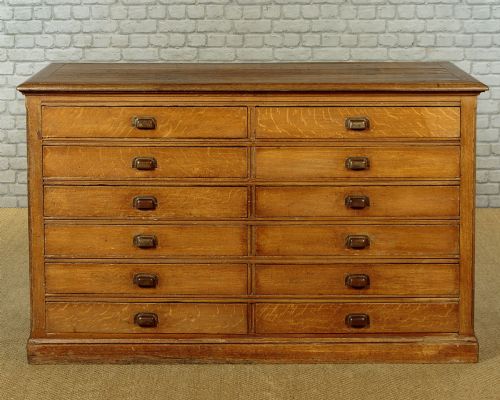
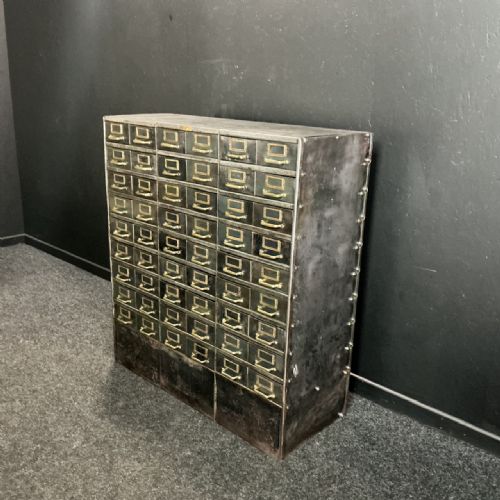
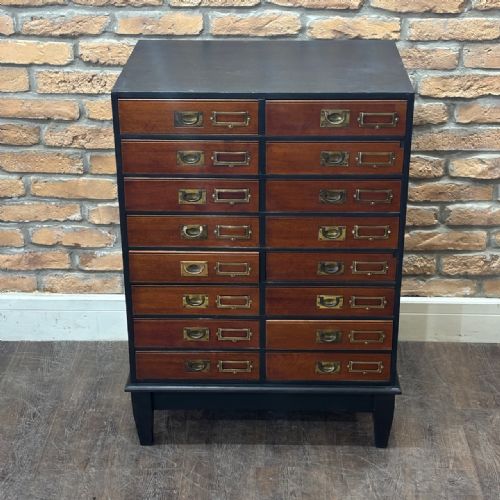
Carpenters and cabinetmakers relied principally on timber such as pine, mahogany, oak, and deal, often jointed solidly to endure heavy daily use in shops and offices. Industrial and filing variants introduced iron and steel elements alongside original brass pull handles and label holders.
Surfaces range from polished deal and grained mahogany to painted Hungarian pine shop fittings and lacquered Chinese finishes. Metal components like patent letter files demonstrate precise mechanical engineering typical of early twentieth-century commercial design.
Multi Drawer Cabinet Retail Price Guide 2026
Typical asking prices for multi drawer cabinet among the pieces listed under this phrase on Sellingantiques today, from the lower quarter to the upper quarter. They describe what is for sale here now, not the wider market.
Listings feature multi drawer cabinet pieces spanning the nineteenth century through the 1930s, constructed in oak, pine, mahogany, and iron.
What varies in quality
Quality rests upon the integrity of the drawer construction and whether original handles, label holders, and paint finishes survive intact. Dense hardwoods like solid mahogany or walnut command higher regard than stained softwood, though exceptional painted pine shop fittings hold strong appeal.
Provenance and scale dictate the standing of a piece, particularly when associated with named makers or specific historical institutions. Smooth operation across dozens of small drawers indicates superior original craftsmanship.
Luxmore's of Ilfracombe
The Multi Drawer Cabinet Glossary
- Apothecary cabinet
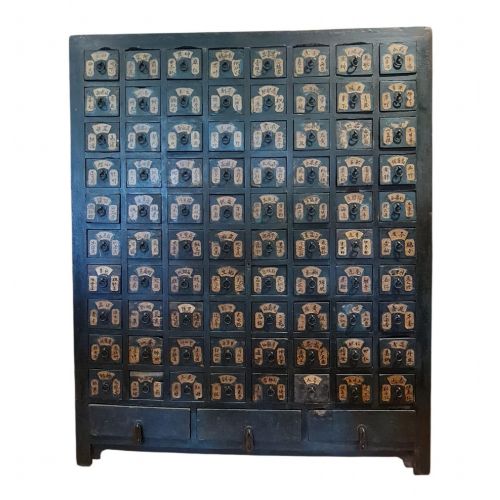
- A partitioned multi-drawer chest traditionally used by herbalists and chemists to store dried ingredients and medicines. These often feature dozens of diminutive drawers.
- Collectors cabinet
- A specialised piece designed for housing natural history specimens, coins, or geological samples. They utilise shallow drawers to protect delicate objects.
- Shop fitting
- Heavy-duty commercial furniture built for nineteenth-century retail environments. Examples include multi-drawer counter bases and haberdashery units.
- Patent letter file
- A commercial filing mechanism patented to sort correspondence efficiently. These units incorporate specialised internal wire or spring clamps.
Multi Drawer Cabinet: Frequently Asked Questions
How were apothecary cabinets used?
Apothecary chests served chemists and herbalists for organising medicinal herbs, powders, and roots behind rows of small drawers. Each compartment kept ingredients separated and accessible within working dispensaries.
Today, these cabinets suit domestic storage for small items like sewing supplies, craft materials, or desktop stationery.
What is a collectors cabinet?
Collectors cabinets were built for naturalists and hobbyists to store specimens such as butterflies, coins, or fossils securely. The shallow drawers protected delicate items from light and dust.
These pieces remain prized for their precise internal carpentry and the orderly display they bring to modern interiors.
How do I date a multi drawer cabinet?
Dating relies upon examining construction methods, timber choices, and hardware styles across the piece. Nineteenth-century examples often feature hand-cut dovetails in pine or mahogany, whilst early twentieth-century versions incorporate steel frames and patent filing mechanisms.
Shop fittings and industrial chests display robust utilitarian hardware that reflects the commercial demands of their respective eras.
Where do shop fittings originate?
Shop fittings come from nineteenth- and early twentieth-century retail spaces like drapery shops, hardware stores, and ironmongers. Merchants utilised these extensive drawer banks to keep stock organised behind counters.
They appear in painted pine, oak, and mahogany finishes designed to withstand heavy commercial traffic.