





19th Century Specimen Chest
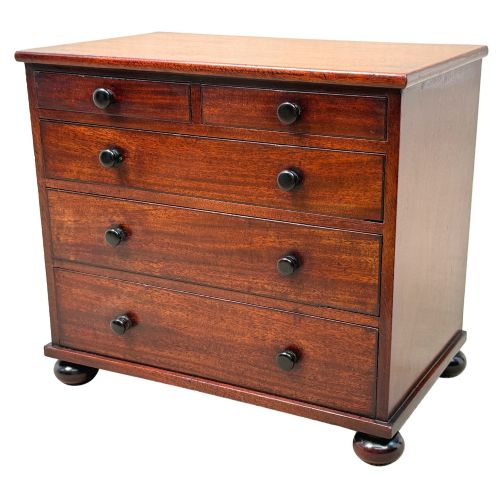
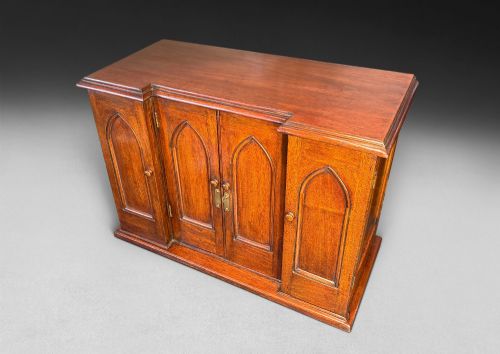
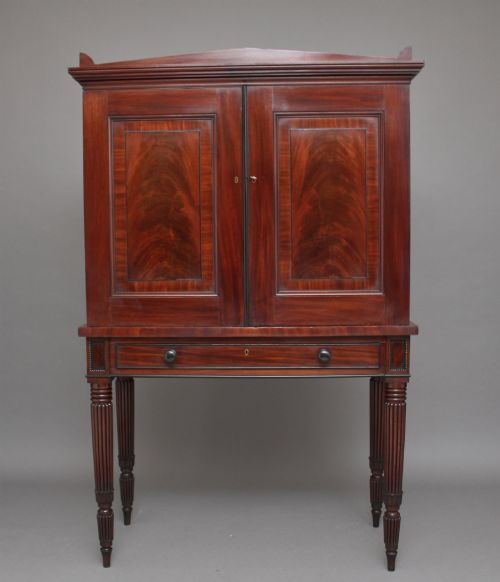
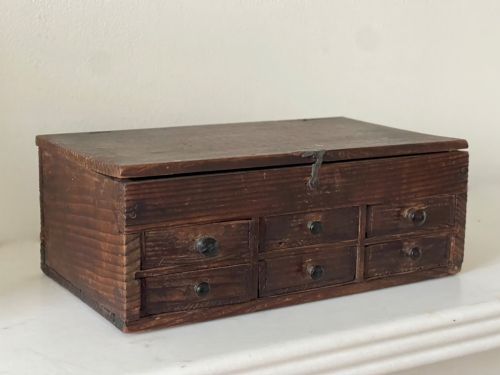
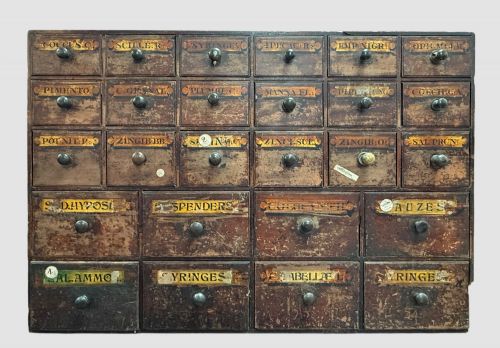
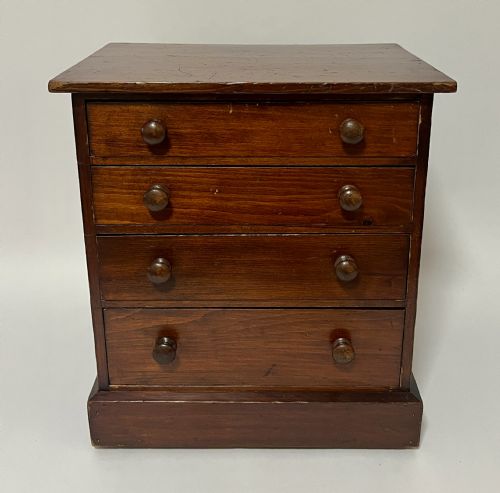
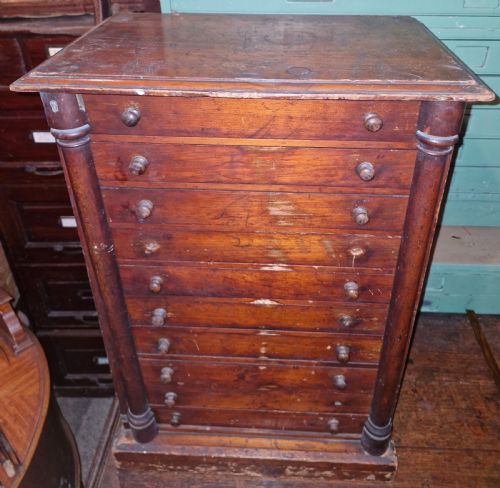
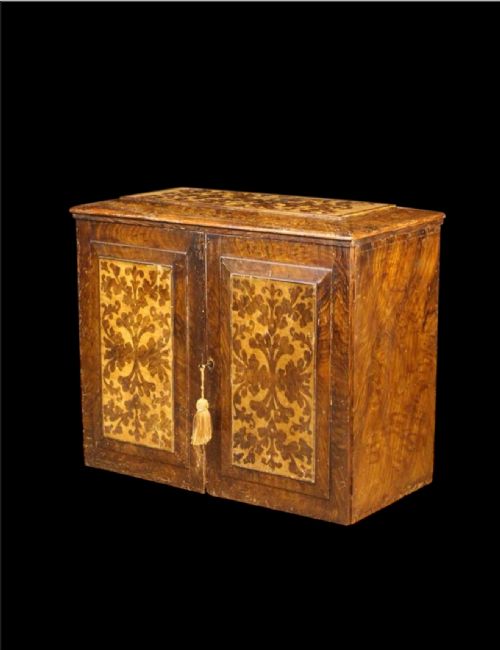
These 19th century specimen chest examples are purposeful cabinets designed to store natural history collections and small curiosities.
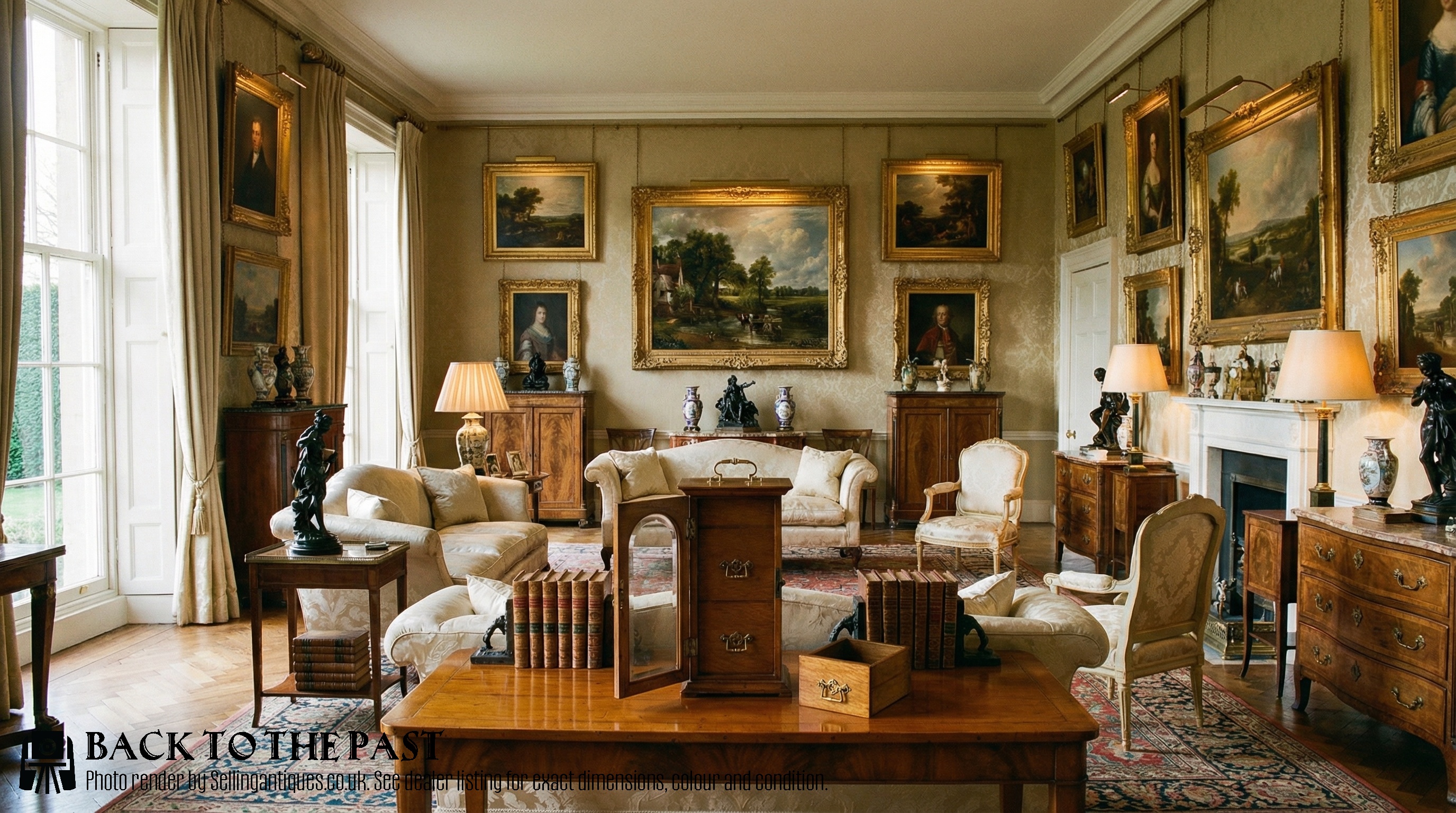
19th Century Specimen Chest
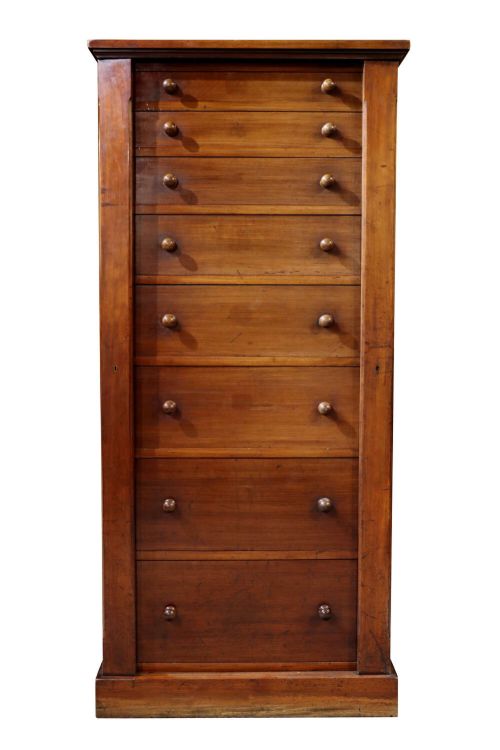
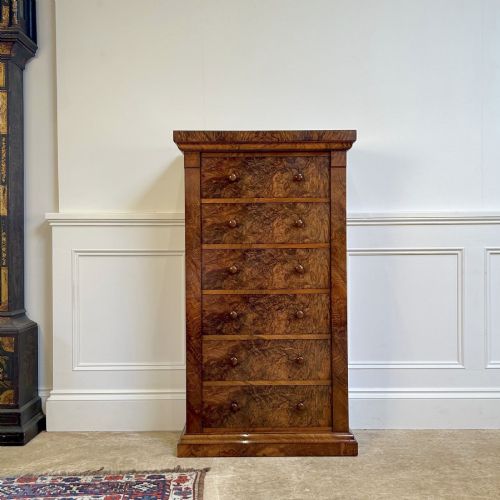
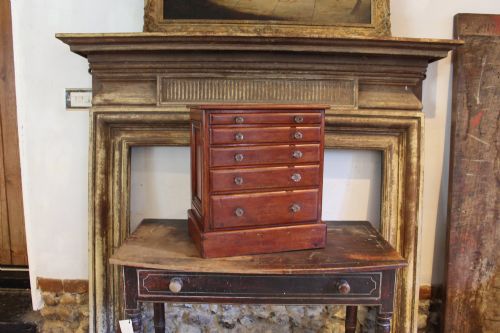
A 19th century specimen chest houses orderly collections of natural history, from botanical finds to geological samples, within multiple shallow drawers. These pieces appear as compact tabletop boxes or substantial floor-standing cabinets.
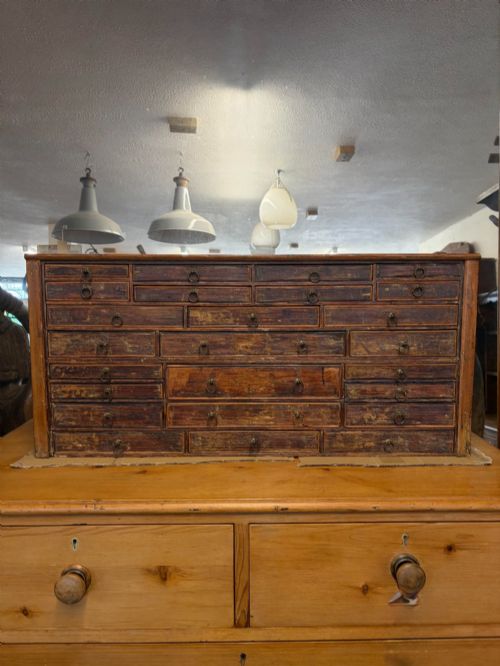
The Victorian period yields the majority of these examples, spanning walnut, oak, and mahogany variants alongside painted pine. Cabinets range from simple twelve-drawer setups to twenty-four drawer configurations built for serious collectors.
Materials and construction
Cabinet makers utilised dense hardwoods like mahogany and oak to provide the stability required for heavy banks of drawers. Brass handles and locking mechanisms often secure these internal compartments against dust and light.
Secondary timbers such as pine appear on internal drawer carcases and backs. Glass panels occasionally feature on doors protecting more delicate display sections.
19th Century Specimen Chest Retail Price Guide 2026
Typical asking prices for 19th century specimen chest among the pieces listed under this phrase on Sellingantiques today, from the lower quarter to the upper quarter. They describe what is for sale here now, not the wider market.
Listings feature mahogany, oak, pine, and satinwood across Victorian and Arts & Crafts styles.
Assessing quality and craftsmanship
Superior examples distinguish themselves through fine timber selection and meticulous drawer fit, ensuring smooth operation across numerous tiers. The inclusion of secondary decorative woods like satinwood or boxwood inlay elevates standard utilitarian designs.
Original painted surfaces and intact brass hardware preserve the historical integrity of a piece. Substantial multi-drawer configurations command attention through balanced proportions and robust joinery.
The 19th Century Specimen Chest Glossary
- Specimen chest
- A specialised multi-drawer cabinet designed for housing natural history collections or small artefacts securely. These pieces utilise shallow drawers to protect delicate contents from damage.
- Collectors cabinet
- A broader term for furniture built to display and organise prized objects. Such cabinets often feature locking doors and numerous fitted drawers.
- Victorian
- The period spanning the reign of Queen Victoria from eighteen thirty-seven to nineteen zero one. Pieces from this era display diverse revival styles and industrial manufacturing improvements.
- Arts and Crafts
- A design movement valuing handcraftsmanship and simple vernacular forms over mass production. This style rejects excessive ornament in favour of honest material expression.
- Carcase
- The main structural framework of a cabinet before drawers and doors are fitted. This foundational skeleton supports the external timber panels.
19th Century Specimen Chest: Frequently Asked Questions
What were specimen chests used for?
These cabinets served naturalists and collectors for storing delicate items such as insects, fossils, and botanical pressings. The shallow drawers kept individual specimens organised and protected from light and handling.
Over time, collectors adapted them to hold coins, medals, and mineral samples. Their compartmentalised design ensured each item remained secure during study.
How do I date a specimen chest?
Dating relies on timber choices, construction techniques, and stylistic clues from the Victorian period. Mahogany and oak dominate nineteenth-century pieces, while secondary woods like pine indicate interior construction methods.
Hardware styles, such as recessed brass drop handles, also provide chronological markers. Maker marks or labels occasionally pasted inside drawers offer definitive provenance.
Are all specimen chests made of mahogany?
Mahogany is common, but makers also utilised oak, painted pine, and satinwood. Regional workshops selected timber based on availability and the intended destination of the cabinet.
Some simpler examples feature stained wood or pine carcases with hardwood drawer fronts. Each material combination reflects the utilitarian requirements of the original collector.
How do I care for antique wood?
Maintain stable humidity and temperature to prevent the timber from warping or cracking. Keep cabinets away from direct sunlight and heat sources that dry out old finishes.
Dust gently with a dry, soft cloth rather than using modern chemical polishes. Occasional application of quality beeswax helps nourish traditional polished surfaces.