

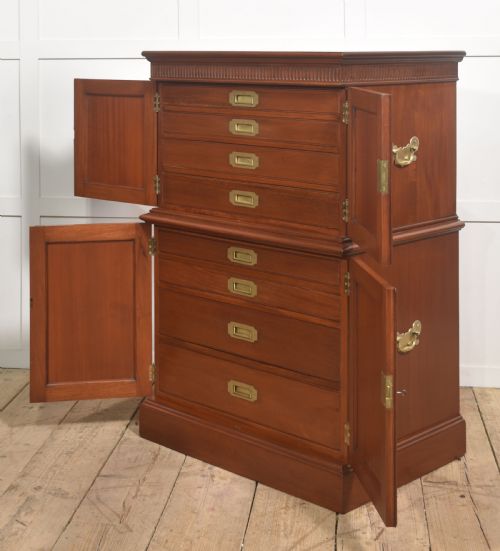


Victorian Entomology Cabinet
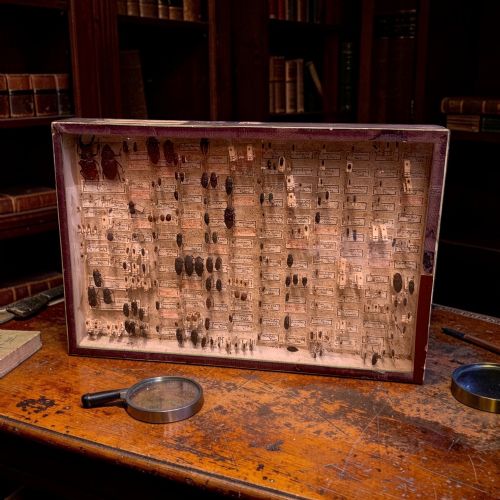
A victorian entomology cabinet organises delicate specimens in shallow drawers, bringing precision craftsmanship to natural history collections.
Victorian Entomology Cabinet
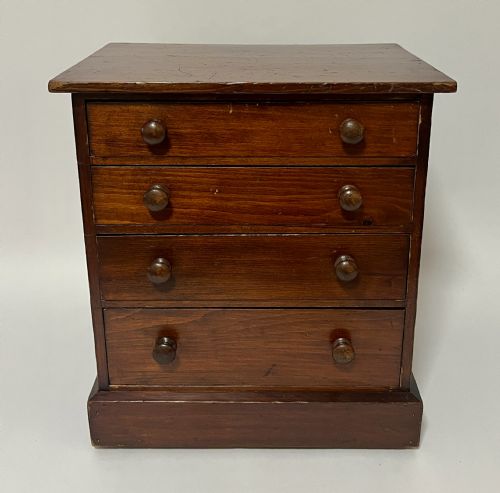
A victorian entomology cabinet is primarily encountered as a multi-drawer chest designed to house butterflies, moths, and other natural history specimens safely away from light and dust. These pieces range from modest six-drawer desktop models to imposing forty-drawer structures built for serious nineteenth-century naturalists.
Most examples originate between the mid-nineteenth century and the early twentieth century, spanning styles from austere campaign builds to elaborate burr walnut and mahogany creations. Collectors frequently select these items for their disciplined internal architecture and polished exterior presentation.
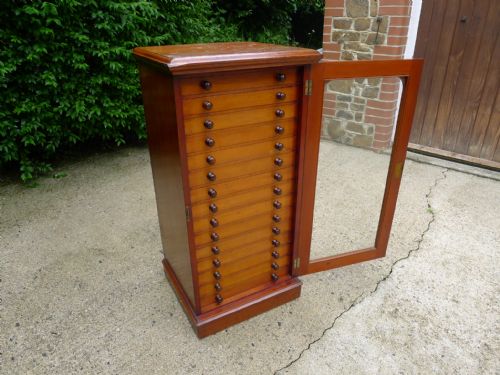
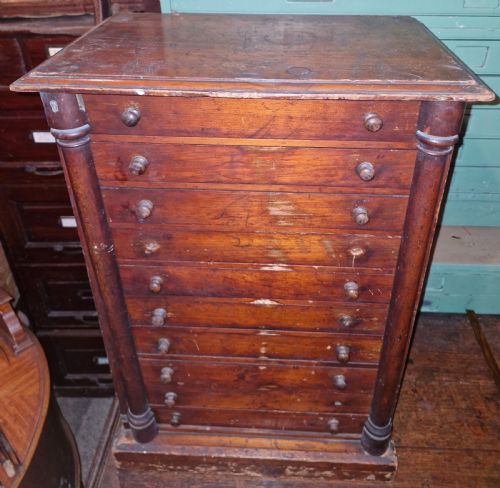
The layout generally comprises banks of narrow, fitted drawers secured behind glazed doors or locking panel doors, keeping fragile contents undisturbed. Woods such as mahogany, walnut, pine, and deal dictate the overall heft and visual character of each individual piece.
Materials and Construction
Cabinet makers utilised dense hardwoods like mahogany, walnut, and oak alongside softer structural timbers such as deal and pine. Flame mahogany veneer and burr walnut frequently face the primary exterior surfaces to provide striking grain patterns.
Internal drawer construction relies on precise joinery to ensure smooth operation within tight tolerances, accompanied by brass handles, locking mechanisms, and glass panels. Stained and polished finishes protect the timber while highlighting its natural colour and texture.
Victorian Entomology Cabinet Retail Price Guide 2026
Typical asking prices for victorian entomology cabinet among the pieces listed under this phrase on Sellingantiques today, from the lower quarter to the upper quarter. They describe what is for sale here now, not the wider market.
Cabinet capacities range from compact six-drawer desktop chests up to extensive forty-drawer specimen storage systems.
Evaluating Cabinet Standards
The distinction between standard storage furniture and exceptional examples rests upon drawer count, timber selection, and maker provenance. Cabinets housing dozens of uniform drawers in solid mahogany or figured walnut reflect the pinnacle of period workshop output.
Attention to detail in the secondary timbers, the integration of glazed viewing doors, and the inclusion of original locking brassware elevate the desirability of a piece. High-tier items often bear signatures or stamps from established specialists in natural history storage.
Watkins And Doncaster·Standish·J T Crockett
The Victorian Entomology Cabinet Glossary
- Deal
- A term historically applied to timber sawn from pine or fir trees, commonly used for the secondary carcases of cabinets.
- Burr Walnut
- Wood sliced from walnut tree growths that produces intricate, swirling grain patterns highly prized for decorative drawer fronts.
- Specimen Cabinet
- A piece of furniture fitted with multiple shallow drawers designed specifically for organising small objects or natural history items.
- Standish
- A maker or retailer associated with high-quality nineteenth-century natural history storage cabinets.
- Flame Mahogany
- Timber veneer exhibiting a tongue-like flame figure created by cutting across boughs or forks in the mahogany tree.
Victorian Entomology Cabinet: Frequently Asked Questions
What were entomology cabinets used for?
These cabinets served nineteenth-century naturalists and collectors as secure storage systems for preserved insects and natural history specimens. The shallow drawers prevented delicate items from shifting while protecting them from light damage and insect pests.
The enclosed doors, often fitted with glass, allowed researchers to view and categorise their collections without exposing the fragile contents to ambient air and handling.
How do I date a Victorian cabinet?
Dating relies on examining construction methods, timber choices, and hardware styles found across the piece. Mid-century examples often utilise solid deal or early mahogany, while later nineteenth-century pieces frequently incorporate burr walnut veneers and more complex locking systems.
Maker signatures, stamped drawer numbers, and registration marks also provide reliable clues to the exact decade of manufacture.
Are all these cabinets made of mahogany?
While mahogany is common, makers utilised a variety of woods depending on the intended quality and function of the piece. Walnut, oak, and satinwood appear on high-end display versions, whereas pine and stained deal were standard for utilitarian or workshop models.
Secondary timbers inside the drawers were typically chosen for stability rather than appearance, ensuring the wood would not warp and damage the contents.
How should I care for the wood?
Maintenance involves keeping the cabinet away from direct sunlight and fluctuating humidity sources such as radiators. Consistent indoor climates prevent the timber and veneers from drying out, cracking, or warping over time.
Applying a light, appropriate wax periodically helps nourish antique polished surfaces without building up heavy chemical residues.