
19th Century Oak Cabinet
A 19th century oak cabinet offers enduring timber construction and period character, making it a practical storage choice for any interior.
What a 19th century oak cabinet is
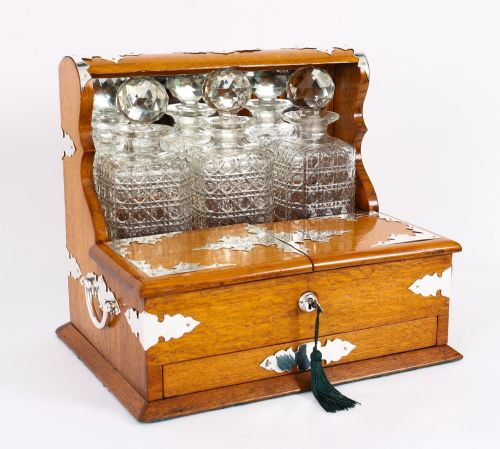
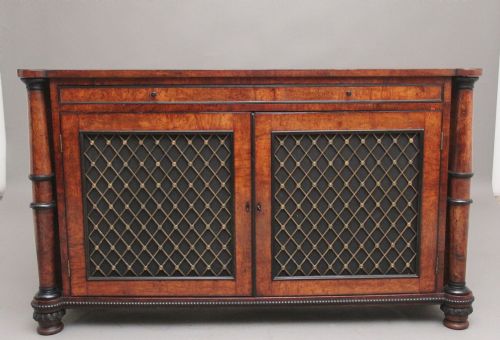
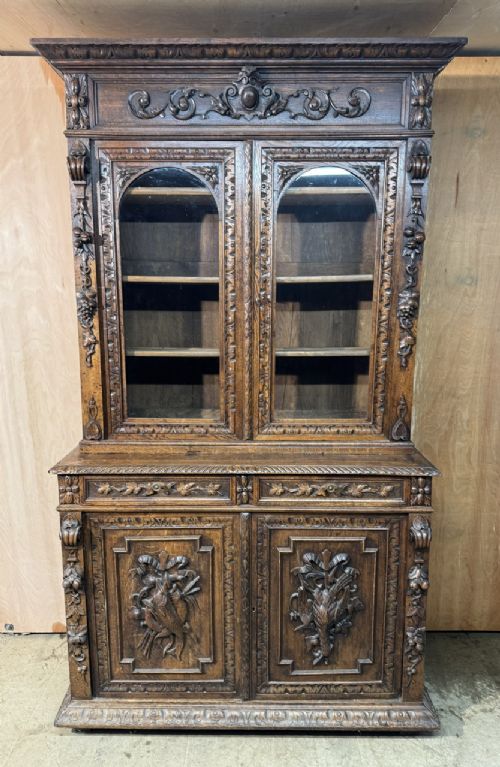
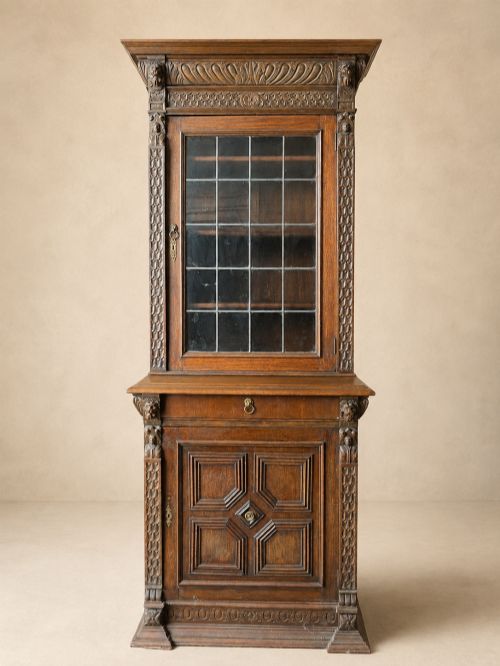
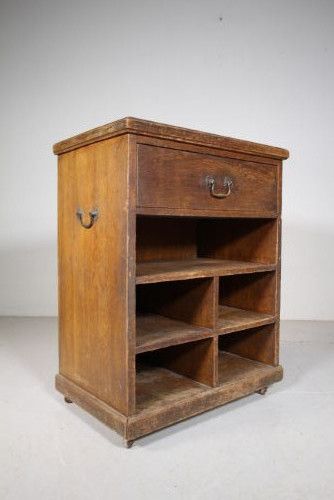
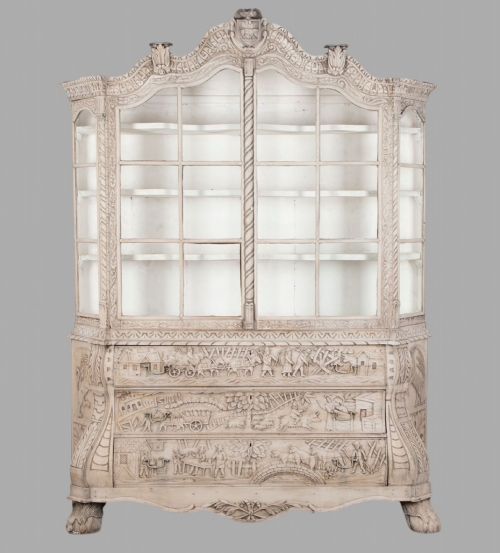
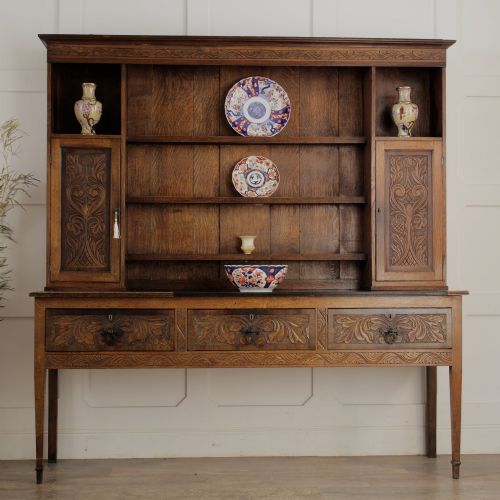
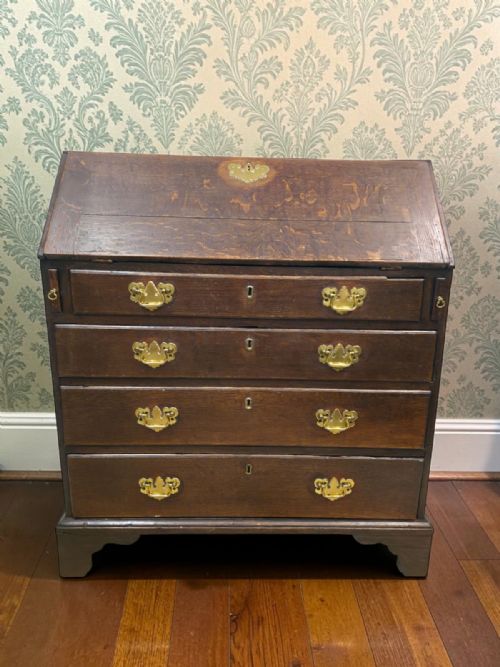
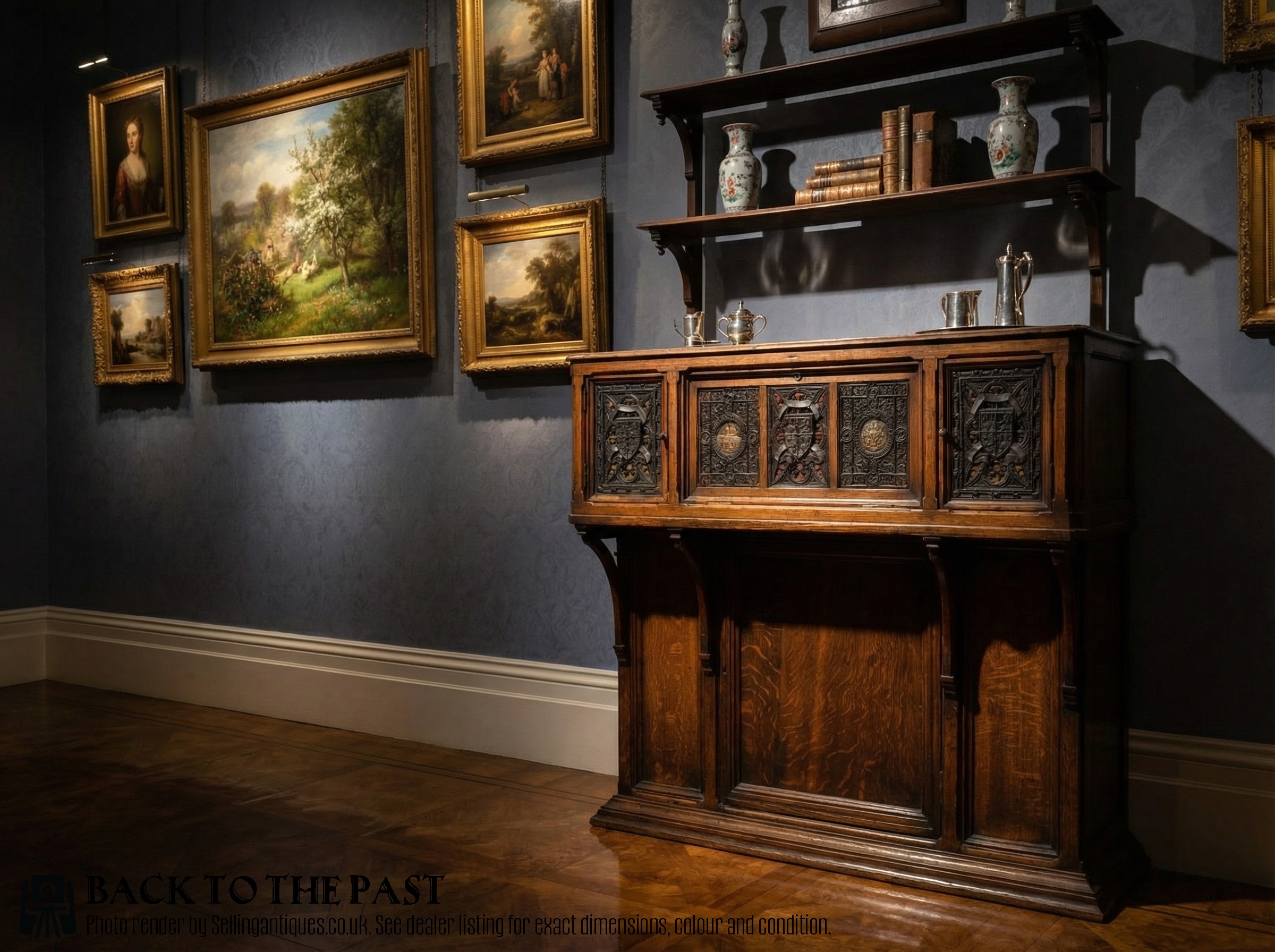
Buyers seeking a 19th century oak cabinet will find a diverse selection of furniture forms designed for storage and display. The recorded pieces span domestic and commercial uses, including side cabinets, corner cupboards, display cases, and chests of drawers.
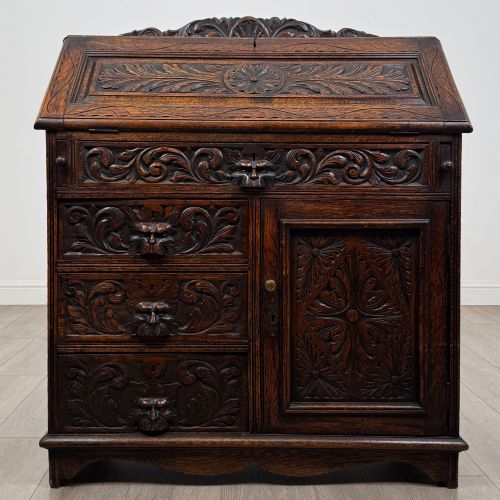
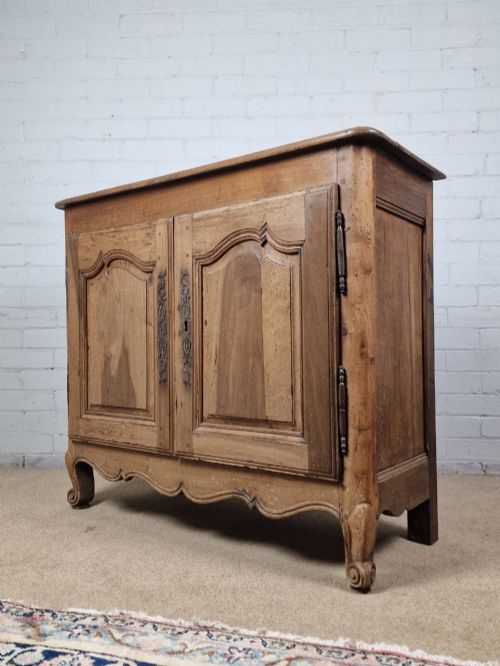
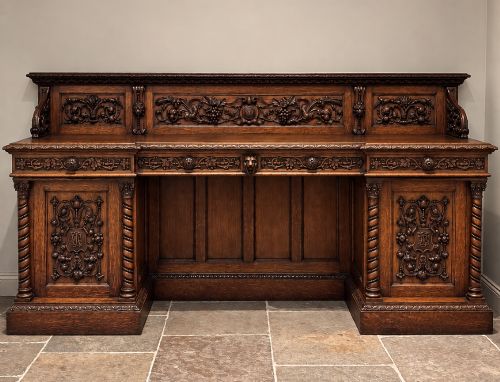
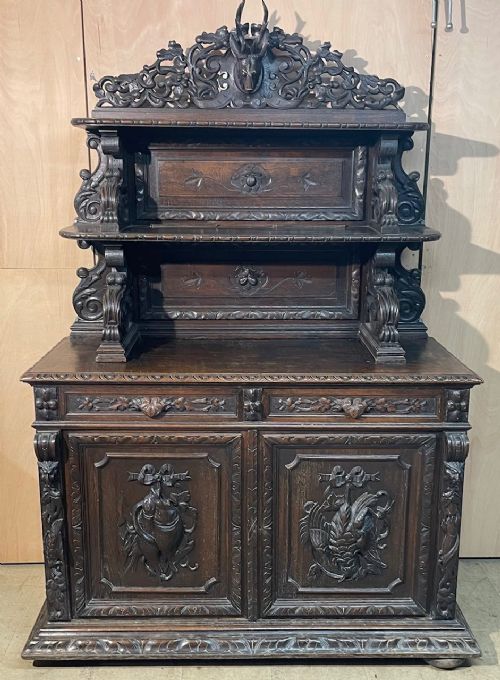
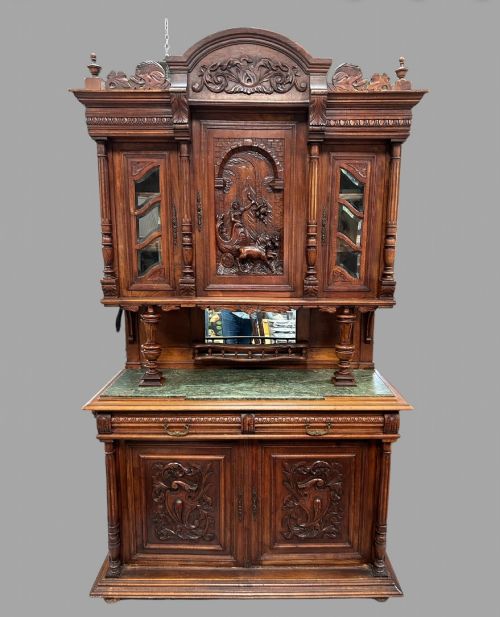
The version most commonly met on this page is the Victorian carved oak display or side cabinet. These items range from large French buffets and armoires to compact English wall-mounted spice cabinets and specimen cases.
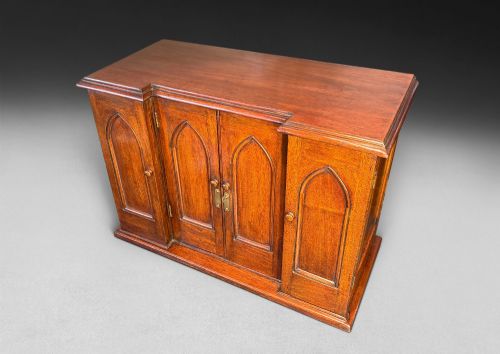
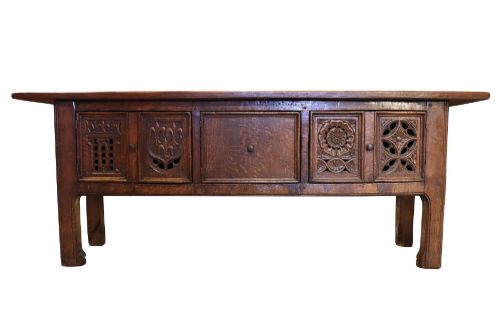
Originating from English, French, Dutch, and Welsh workshops, these pieces incorporate regional styles such as Gothic Revival and Louis XV. The timber grain and carved ornamentation define their visual presence in a room.
What varies in quality
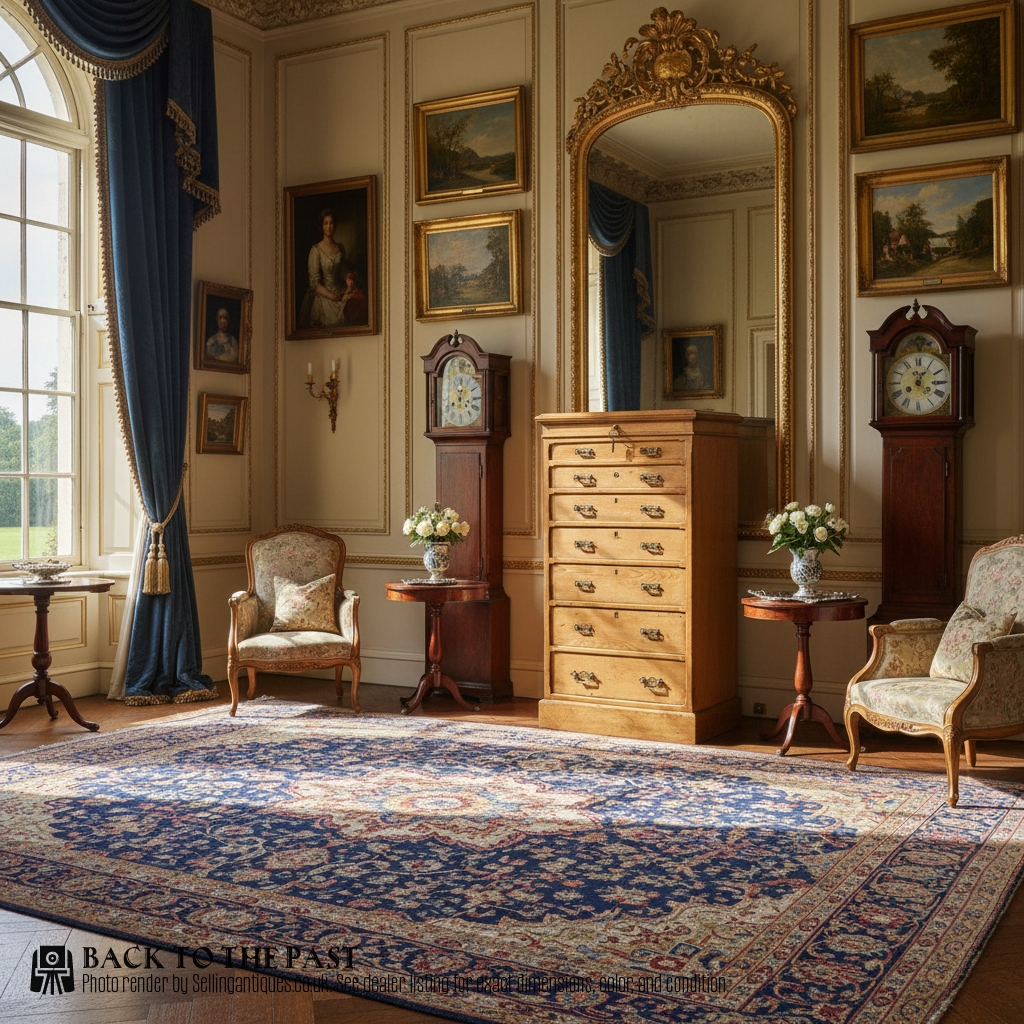
The standard of carving determines much of the distinction between pieces, with deep, crisp relief work executed by skilled hands marking out superior examples. Plain country pieces rely on the selection of figured oak boards and robust joinery for their appeal.
Hardware integrity and the retention of original glass or brass fittings influence the overall standard. Pieces bearing maker signatures or demonstrating precise regional construction reflect higher workshop execution.
Retail Price Guide 2026
Typical UK retail prices for 19th century oak cabinet, calculated from the Sellingantiques database of over a million retail prices indexed since 2003. This retail price guide relies exclusively on Sellingantiques data; no external sources or auction records are used, so the figures do not describe the wider market.
Listings feature solid oak, glass, brass, and iron materials across Victorian, Gothic Revival, and 19th-century periods.
Maple and Co·E Goodchild
The 19th Century Oak Cabinet Glossary
- Pier cabinet
- A low cabinet designed to fit against the wall space between windows. These pieces often feature glass doors for displaying collections.
- Gothic Revival
- An architectural and decorative style drawing inspiration from medieval design. It is characterised by pointed arches, tracery, and carved figures.
- Collectors cabinet
- A specialised storage piece containing multiple small drawers or compartments. These were built to organise specimens, coins, or small curiosities.
- Buffet
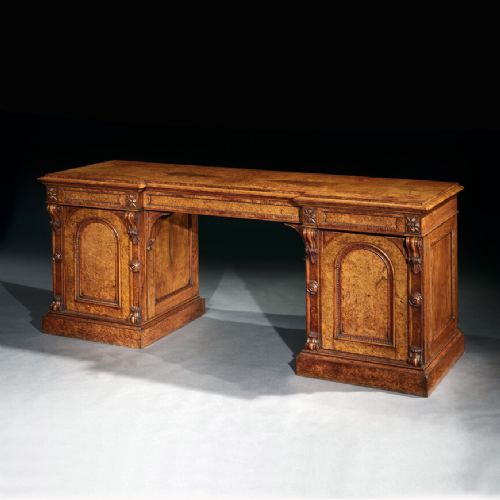
- A sideboard or storage unit designed for dining rooms. French examples frequently incorporate carved chiffonier tops and extensive relief work.
- Escutcheon
- A protective plate surrounding a keyhole. They are typically cast in brass or iron to secure the wood around the lock.
Frequently Asked Questions
What rooms suit a 19th century oak cabinet?
These cabinets suit living rooms, dining spaces, and studies where sturdy timber furniture provides functional surface area and enclosed storage. Smaller wall-mounted or corner variants fit into hallways and compact spaces.
Their neutral oak tones complement both traditional interiors and modern minimalist rooms, functioning as focal points or practical storage solutions.
How do I care for antique oak timber?
Maintain oak surfaces by dusting with a dry cloth and occasionally applying natural beeswax to nourish the grain. Keep cabinets away from direct heat sources and strong sunlight to prevent timber splitting.
Avoid liquid polishes containing silicone, as they build up residue over time and dull the original patina of the wood.
Were these cabinets used for dining rooms?
Many larger examples, such as sideboards, buffets, and armoires, served dining and kitchen areas for storing tableware, linens, and food supplies. Specialised pieces like spice cabinets and food cupboards were utilitarian kitchen fixtures.
Display cabinets and bookcase combinations allowed households to exhibit prized ceramic and glass collections in formal reception rooms.
How do I distinguish Gothic Revival from Victorian pieces?
Gothic Revival cabinets feature architectural elements like pointed arches, heavy linenfold panels, and carved religious or medieval motifs. They represent a specific stylistic movement within the broader Victorian era.
General Victorian pieces encompass a wider range of influences, from French Louis XV revival curves to plain English country workshop designs.