


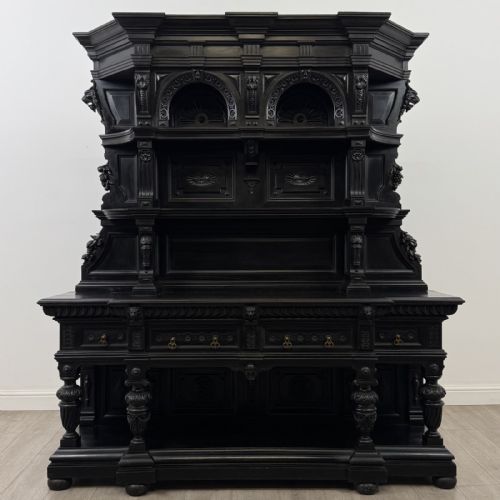
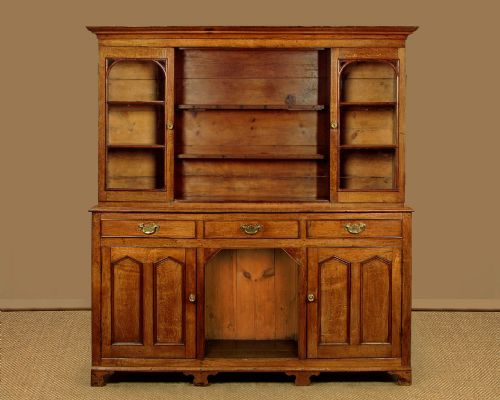
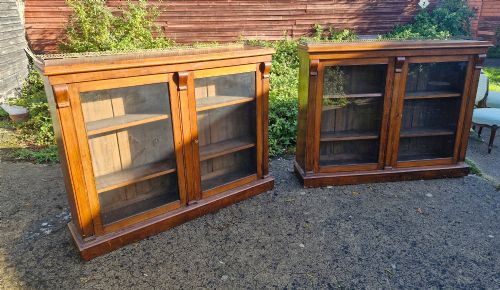
Antique Oak Display Cupboard
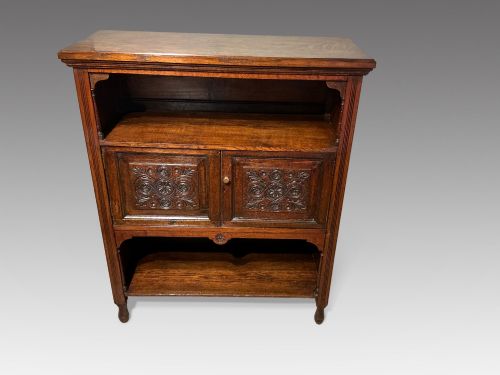
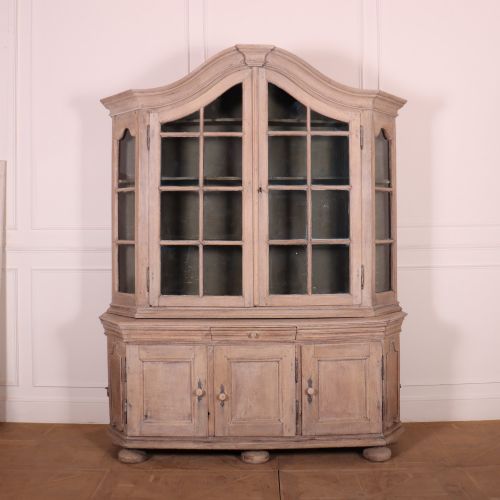
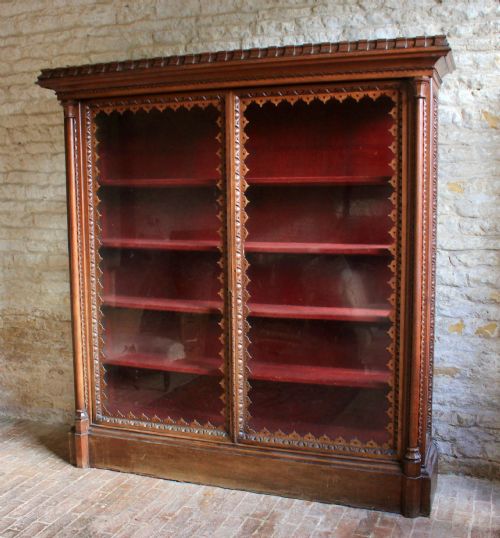
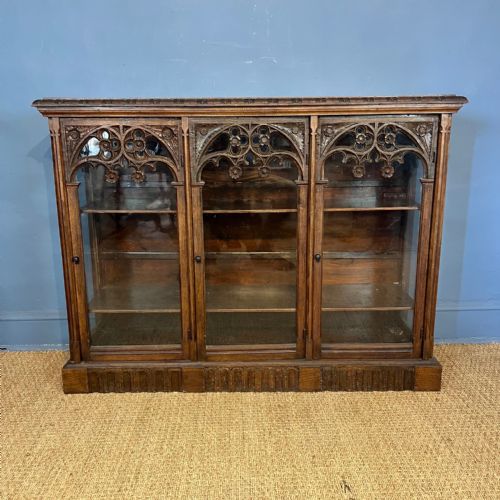
An antique oak display cupboard brings practical storage and visible shelving together, drawing the eye with rich timber grain.
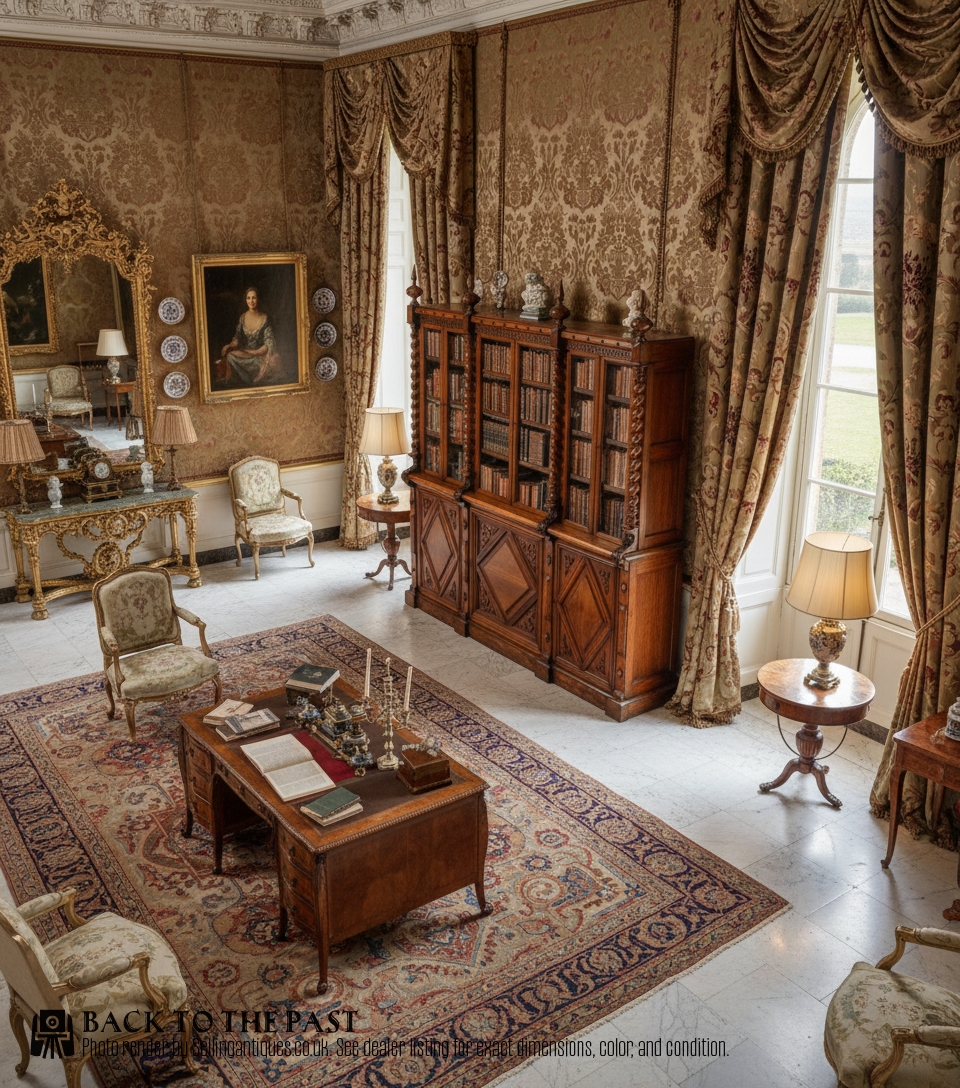
Antique Oak Display Cupboard
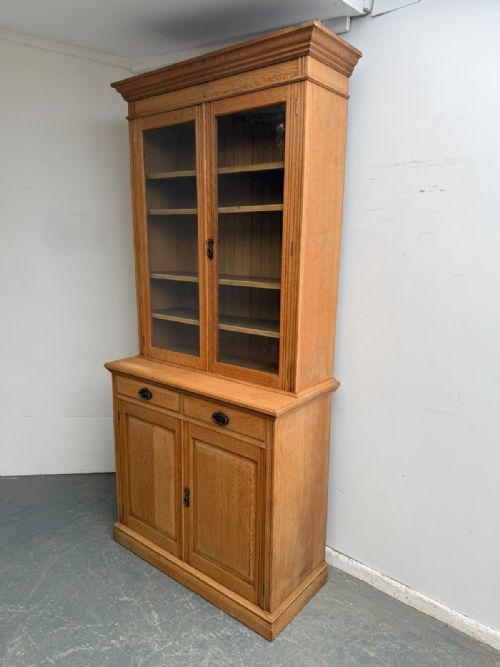
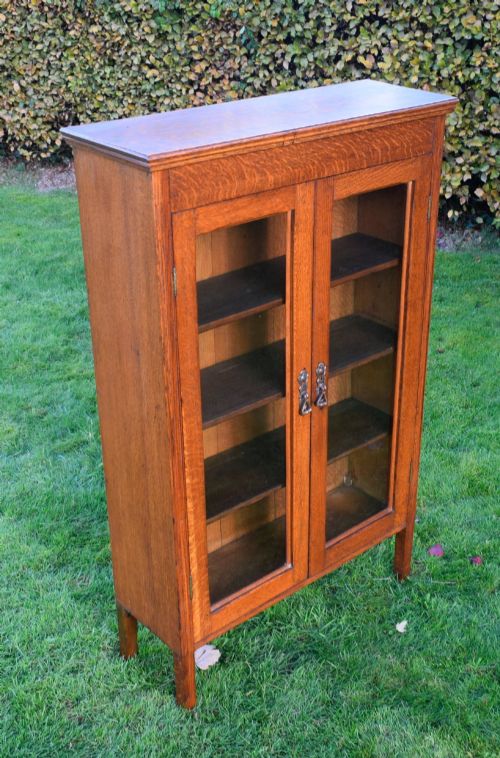
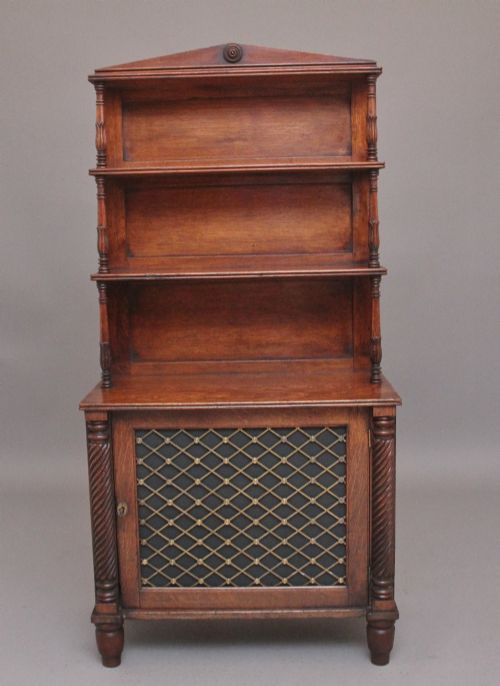
When searching for an antique oak display cupboard, buyers encounter everything from compact wall-hanging corner cabinets to tall floor-standing glazed bookcases and robust dressers. These pieces originate across centuries, with Edwardian and Victorian examples appearing frequently alongside earlier Georgian and 18th-century forms.
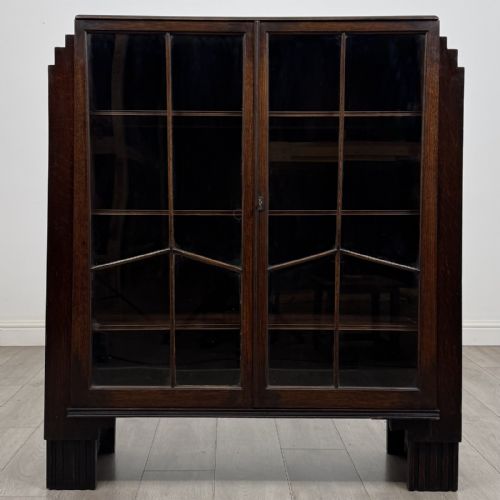
The selection spans straightforward domestic storage to decorative furniture, including specialised pieces like Dutch bombé cabinets, French provincial buffets, and Arts & Crafts dwarf units. Most common on this page are Edwardian glazed display cabinets and Victorian corner cupboards tailored for domestic display.
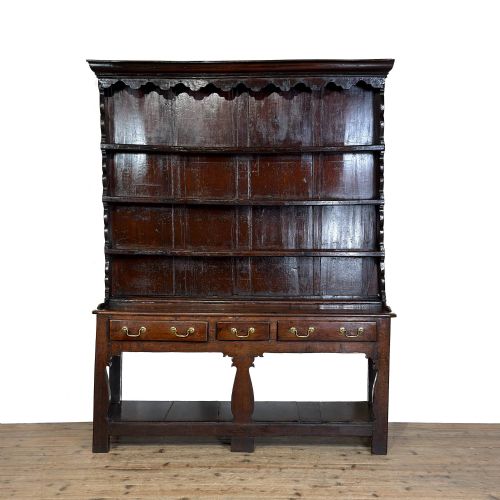
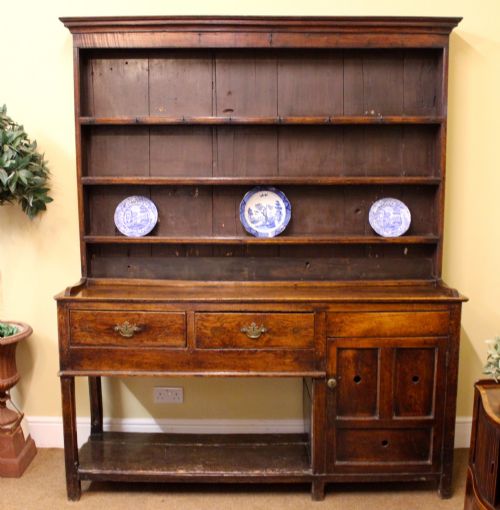
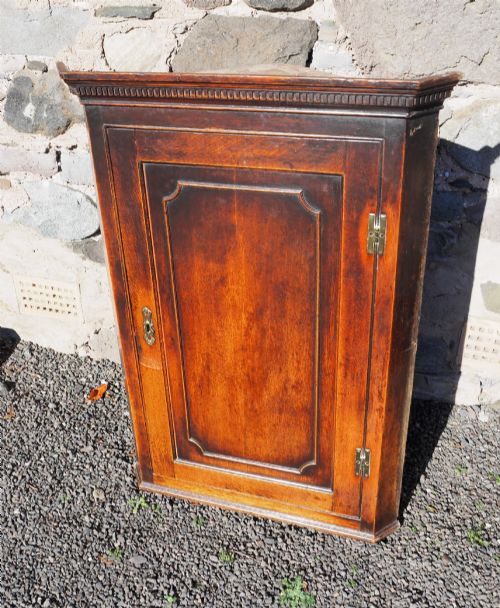
Regional variations add distinct character, particularly Welsh dressers featuring open plate racks above enclosed cupboards, and English corner cabinets designed to utilise awkward room angles. Whether configured with leaded glass, linenfold panels, or open shelving, each format serves to protect and exhibit prized items.
Materials and construction
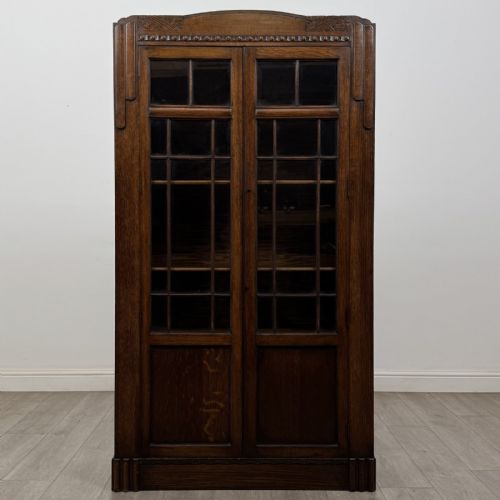
Cabinet makers relied primarily on solid oak, frequently paired with secondary timbers like mahogany and walnut, to build robust frames that withstand daily use. Glass panes, secured with wood beads or lead came, protect the interior while offering a clear view of stored ceramics and books.
Construction techniques involve traditional joinery, including carved panels, dovetail joints, and turned supports, complemented by brass hinges and iron hardware. Surface finishes range from natural golden oak patination to French polished or limed treatments applied by period workshops.
Antique Oak Display Cupboard Retail Price Guide 2026
Typical asking prices for oak display cupboard among the pieces listed under this phrase on Sellingantiques today, from the lower quarter to the upper quarter. They describe what is for sale here now, not the wider market.
Styles represented include Victorian, Georgian, Jacobean Revival, Edwardian, Arts & Crafts, French Provincial, and Art Deco.
Judging the range
Quality in these cupboards rests on the crispness of the hand-carved detailing, such as linenfold motifs or Green Man carvings, and the selection of figured timber like tiger oak. Pieces designed by notable names or associated with specific arts movements demonstrate superior proportion and joinery.
The integrity of the original glass, whether leaded, curved barrel fronts, or multi-pane glazed doors, distinguishes finer examples from later replacements. Balanced proportions, original brass or iron hardware, and intact interior shelving elevate a cabinet above standard utility furniture.
Liberty
The Antique Oak Display Cupboard Glossary
- Bombe
- A swelling, convex furniture shape characteristic of continental European case pieces. This rounded profile requires advanced woodworking skill to achieve.
- Linenfold
- A carved wooden panel style resembling folded vertical sheets of linen. It appears frequently on Tudor revival and Edwardian panels.
- Lead came
- Slender channels of lead used to hold small panes of glass together in windows and cabinet doors. It provides structural support while creating geometric patterns.
- Tiger oak
- Oak timber exhibiting distinctive flecking and chatoyant medullary rays resembling tiger stripes. Cabinet makers prized this figure for its visual depth.
Antique Oak Display Cupboard: Frequently Asked Questions
How do I clean an antique oak cabinet?
Dust regularly with a soft, dry cloth to prevent dirt buildup on the timber and carved details.
Apply a quality beeswax periodically to nourish the oak and maintain the natural sheen without damaging the historic finish.
Were corner cupboards meant for walls or floors?
Cabinet makers built both wall-hanging models and floor-standing pieces on stands or bases. Wall versions saved space in smaller rooms.
Floor-standing corner units offered greater storage capacity and often included lower cupboard doors beneath the glazed display section.
How do I spot an Edwardian oak display piece?
Edwardian cabinets often feature lighter golden oak tones, glazed doors, and restrained carving styles influenced by earlier periods.
Production dates cluster around the early 20th century, utilising machine-assisted joinery alongside traditional hand finishing.
What is a Welsh dresser?
A Welsh dresser combines a lower storage base of cupboards or drawers with an upper open rack for displaying plates.
Traditional examples utilise solid oak construction and reflect regional rural craftsmanship from the 18th and 19th centuries.