

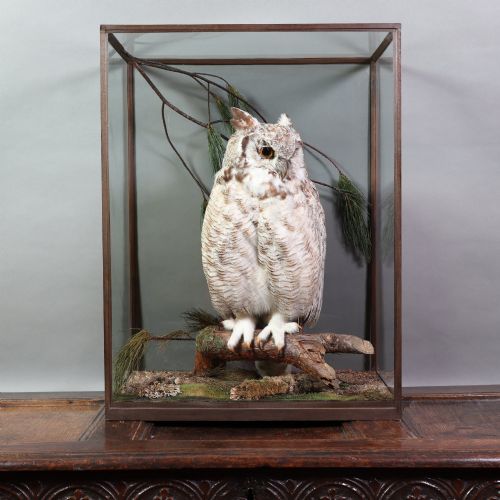
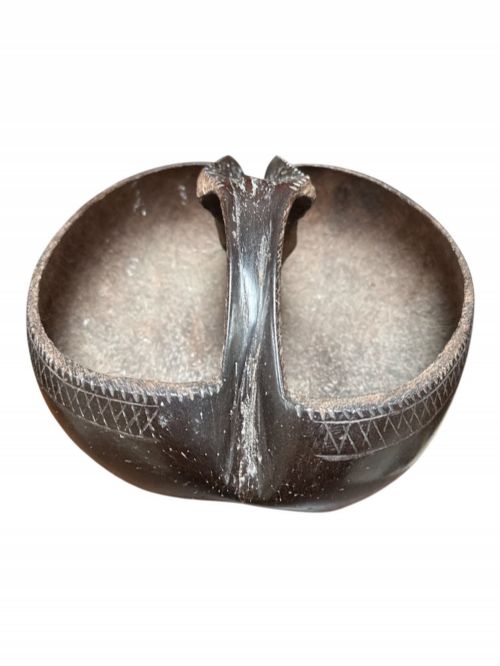
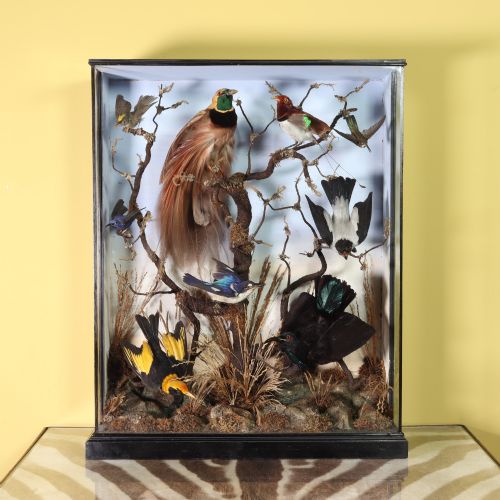

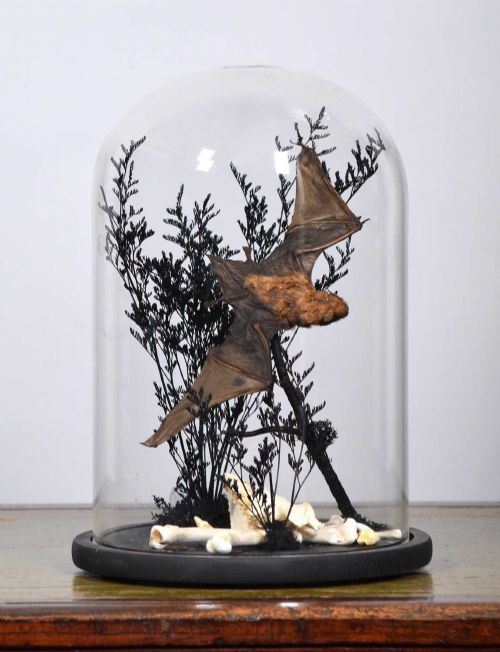



Natural History Cabinet
A natural history cabinet brings together preserved specimens and specialised storage to satisfy a scholarly curiosity about the natural world.
Natural History Cabinet
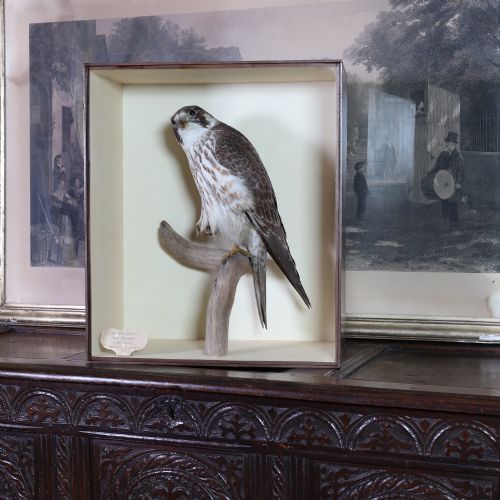
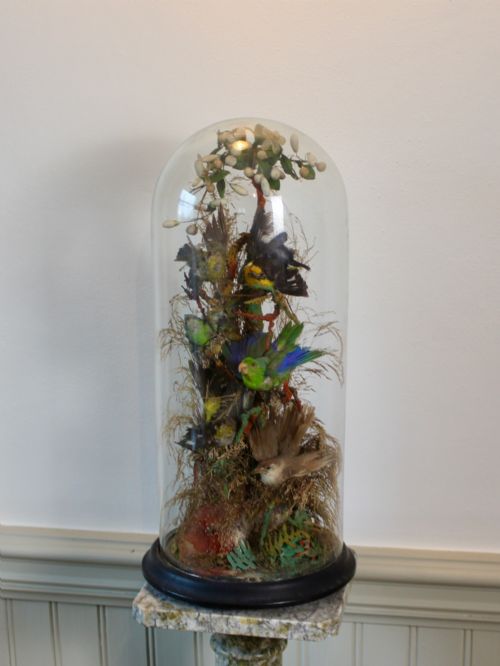
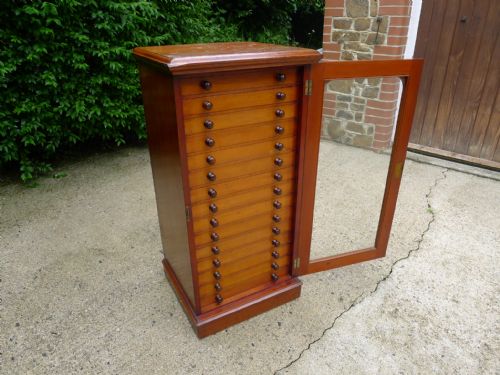
A natural history cabinet encompasses both the multi-drawer housing units built for organising specimens and the display cases designed to exhibit taxidermy, fossils, and shells. Most pieces encountered on this page date from the nineteenth century and the Victorian era, reflecting a period of intense scientific collecting and domestic display.
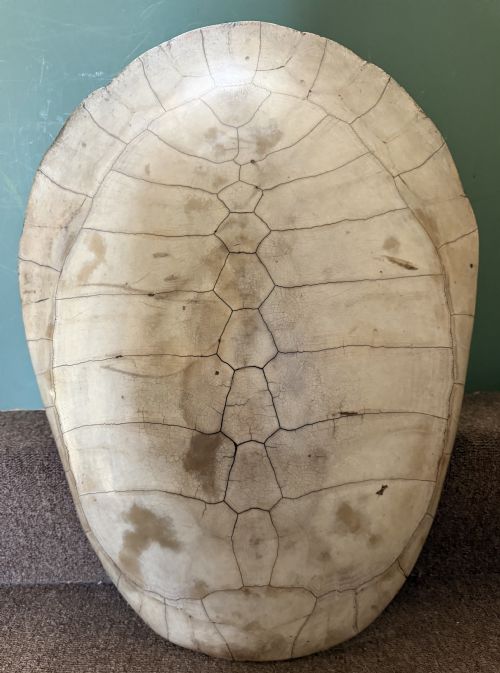
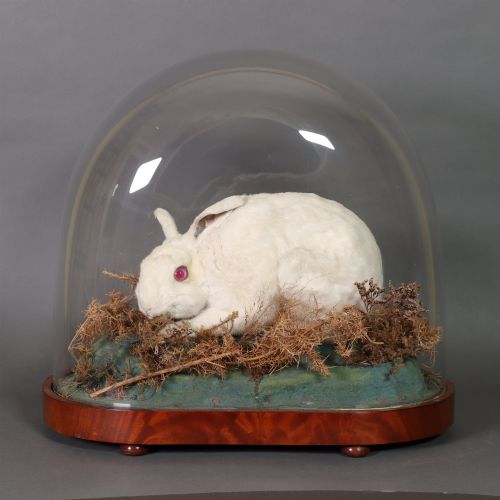
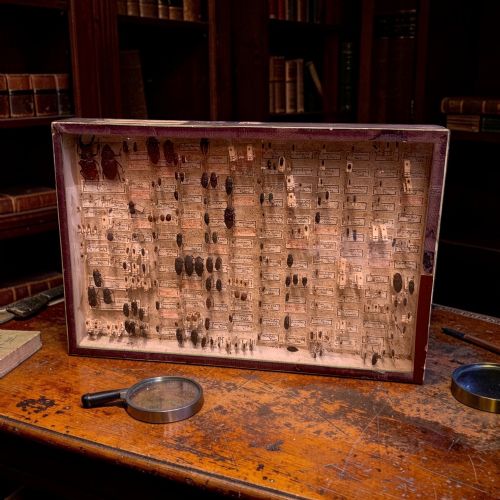
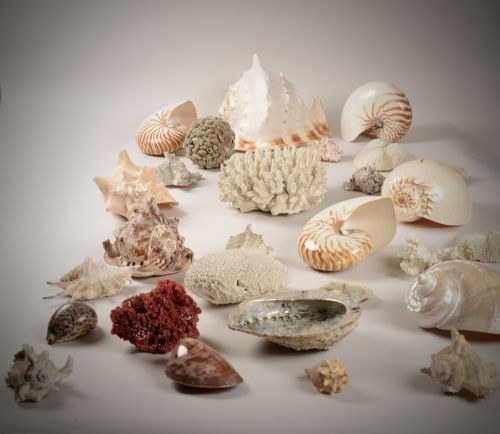
The forms range widely from substantial multi-drawer entomology and specimen storage chests made of mahogany to glass-fronted taxidermy cases, glass domes, and open display stands for corals and ammonites. These items originated as tools for scientific study or decorative centerpieces for domestic cabinets of curiosities.
Materials and Construction
Makers utilised dense timbers such as mahogany and ebonised wood to build sturdy drawer units and frames that could support heavy geological and biological specimens over time. Glass was essential for protecting fragile taxidermy mounts and delicate insect collections from dust and handling.
Taxidermy specimens and osteological preparations relied on traditional stuffing, mounting, and articulation techniques using wire, bone, and paper linings within sealed wooden and glass enclosures. Paper and brass components frequently appeared on labels, hinges, and drawer pulls associated with scientific storage.
Natural History Cabinet Retail Price Guide 2026
Typical asking prices for natural history cabinet among the pieces listed under this phrase on Sellingantiques today, from the lower quarter to the upper quarter. They describe what is for sale here now, not the wider market.
Early collectors prized giant clam shells and strange seed pods alongside owls and parrots.
Factors That Determine Quality
Quality rests upon the skill of the taxidermist or cabinet maker, with works attributed to documented practitioners commanding greater technical admiration. The precision of the joinery in multi-drawer storage units and the integrity of the original glass domes dictate the preservation state of the piece.
The aesthetic arrangement and proportion of the contents within display cases distinguish superior examples from standard specimens. Original components, period labelling, and intact housings significantly elevate the integrity of the object.
James Gardner·Rowland Ward Ltd·Watkins And Doncaster·Barr Flight And Barr·Henry Ward·A Pollard·Hutchings Of Aberystwyth·A W Gamage Ltd
The Natural History Cabinet Glossary
- Taxidermy
- The art of preserving, stuffing, and mounting the skin of an animal for display. Victorian practitioners often placed these specimens in naturalistic settings behind glass.
- Entomology case
- A shallow wooden drawer or box fitted with a glass lid, designed specifically for the orderly storage and viewing of insect collections.
- Coco de Mer
- A large sea coconut native to the Seychelles that frequently appeared in Victorian collections as a curiosity. These massive shells were often polished and displayed on stands.
Natural History Cabinet: Frequently Asked Questions
What is a natural history cabinet?
A natural history cabinet refers to either a multi-drawer piece of furniture built for organising scientific specimens or a glass-enclosed display case showing taxidermy and fossils.
These pieces reflect the Victorian practice of gathering and exhibiting natural curiosities for study and home decoration.
How were nineteenth-century taxidermy cases maintained?
Taxidermy cases from the nineteenth century were constructed with sealed glass fronts and sides to protect delicate bird and mammal specimens from dust, humidity, and handling.
Preservation depended heavily on maintaining these protective wooden and glass housings rather than cleaning the mounts directly.
How do you date a specimen cabinet?
Dating relies on examining the timber species, construction methods, drawer pulls, and any maker's stamps or paper labels attached to the interior or back.
Nineteenth-century examples frequently feature solid mahogany construction and hand-cut dovetails characteristic of period workshop production.
Where were insect cabinets placed in a home?
Entomology cases and multi-drawer insect cabinets were kept in studies, libraries, or dedicated rooms used for scholarly pursuits and private collections.
Collectors placed them away from direct sunlight to prevent the fading of delicate butterfly wings and paper specimen labels.