
Mahogany Collectors Chest
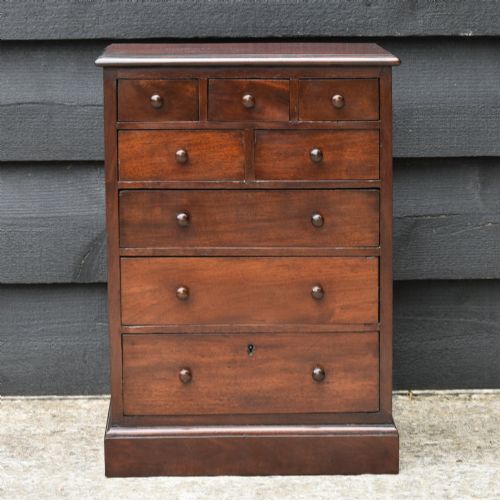
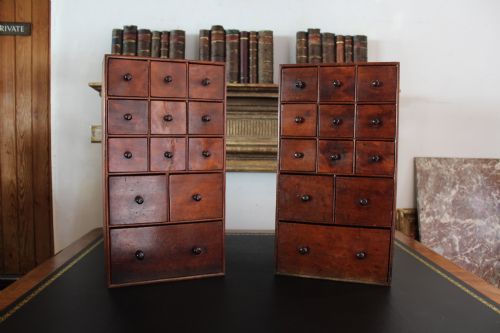
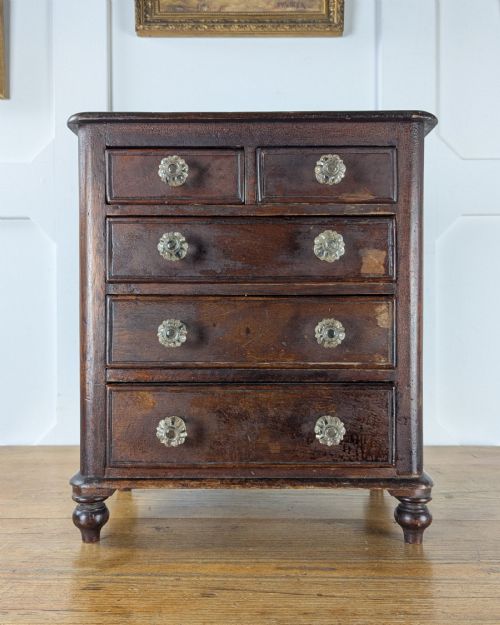
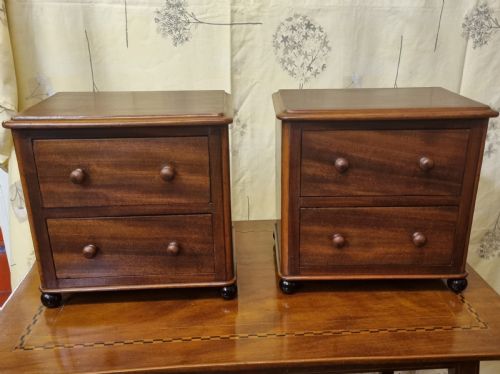
These mahogany collectors chests are purposeful storage cabinets built to house natural history specimens and small treasures, combining dense timber with meticulous internal joinery.
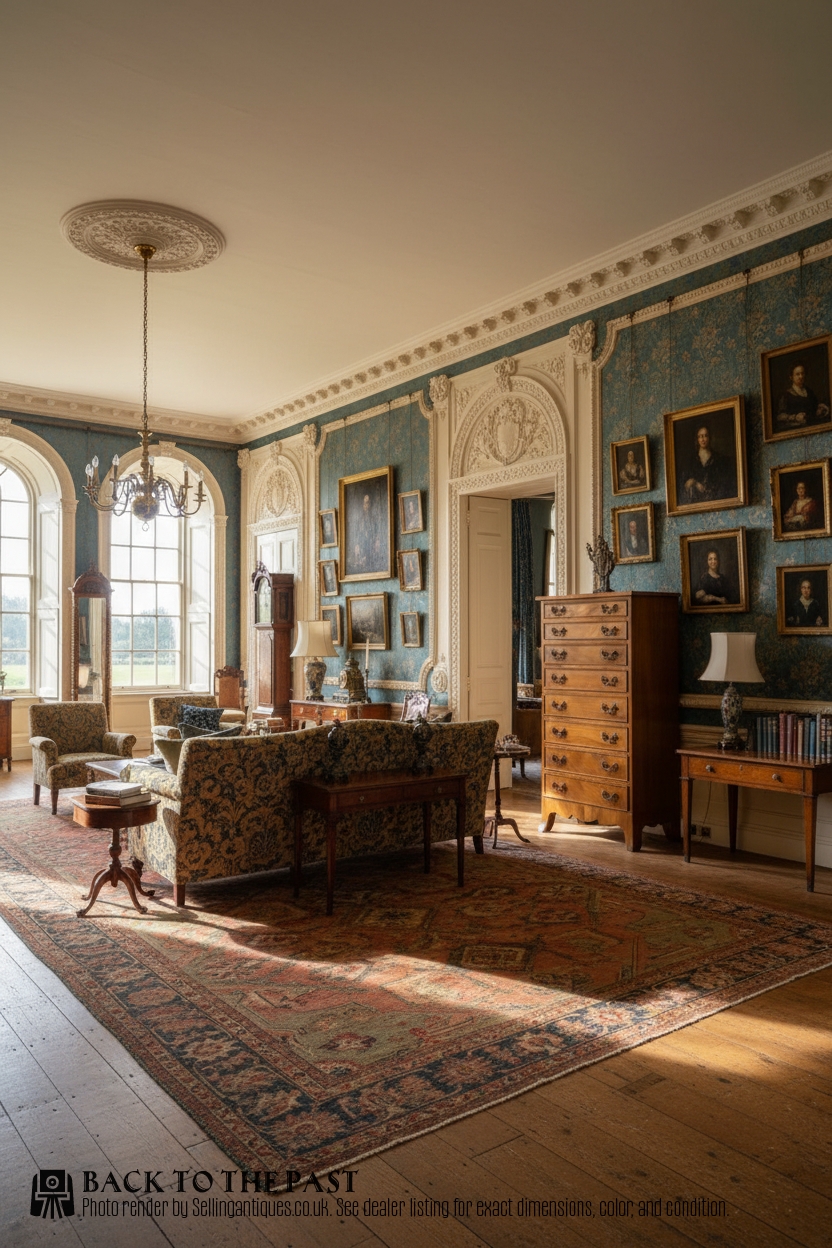
What these pieces are
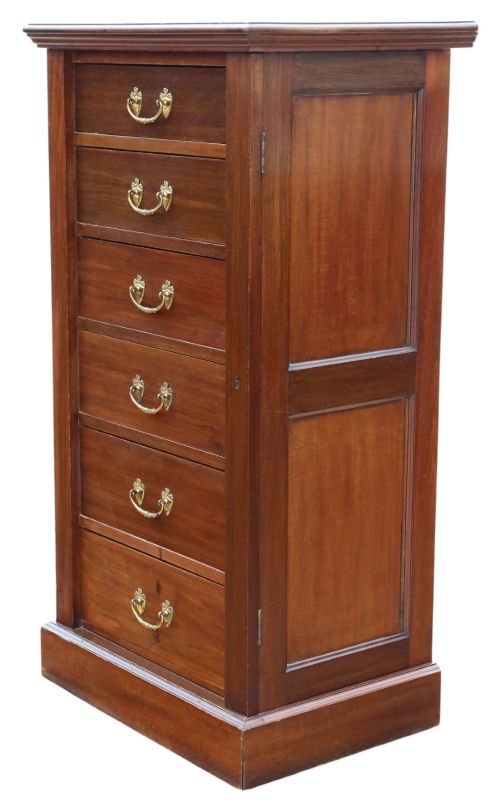
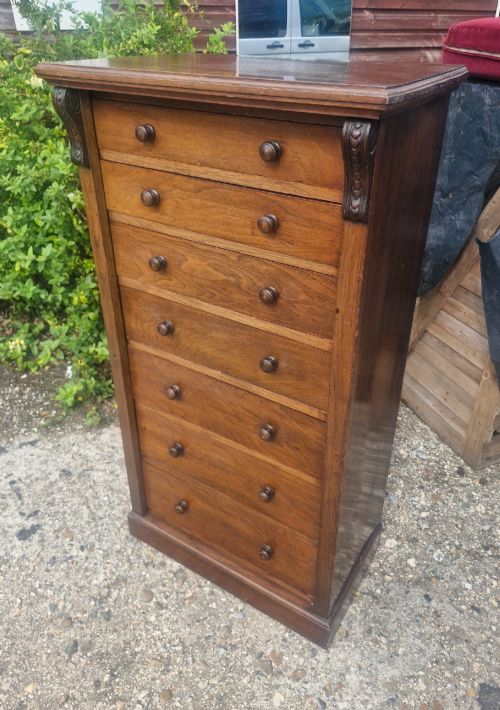
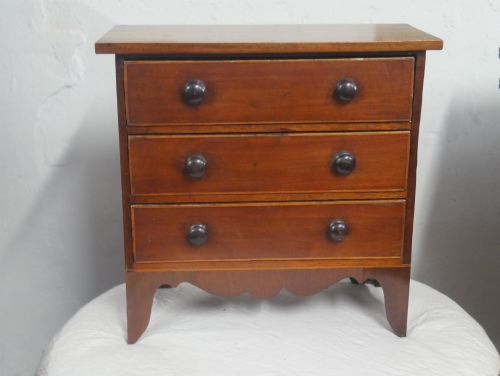
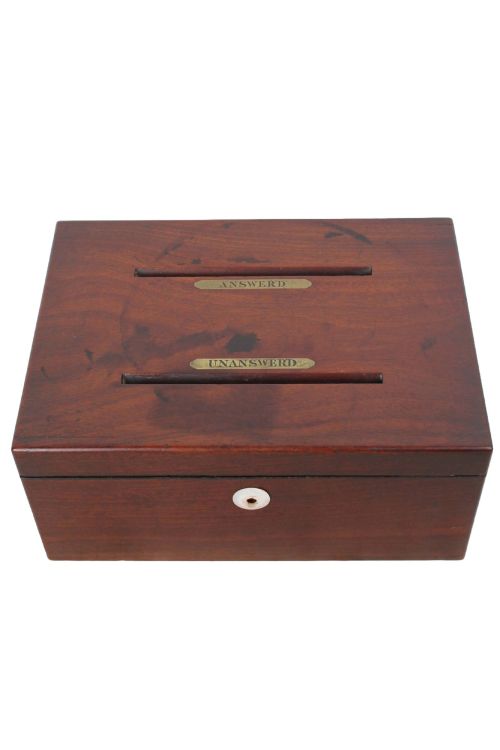
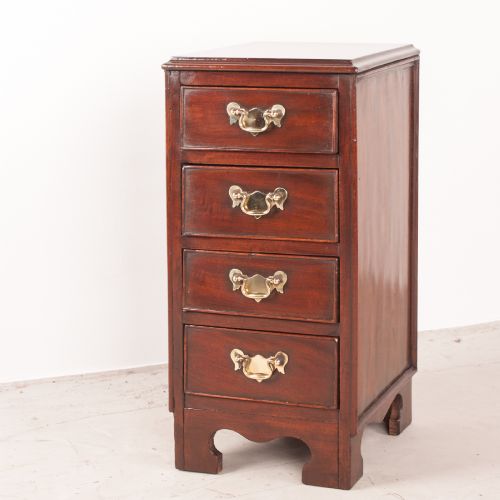
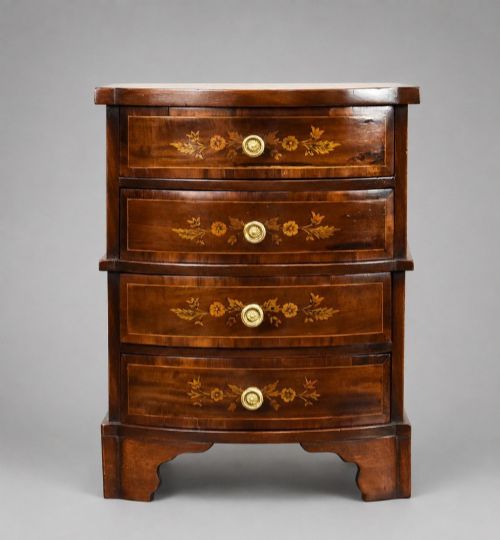
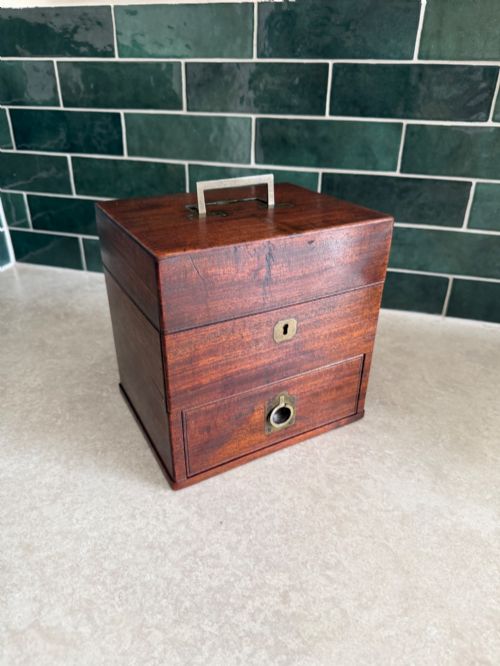
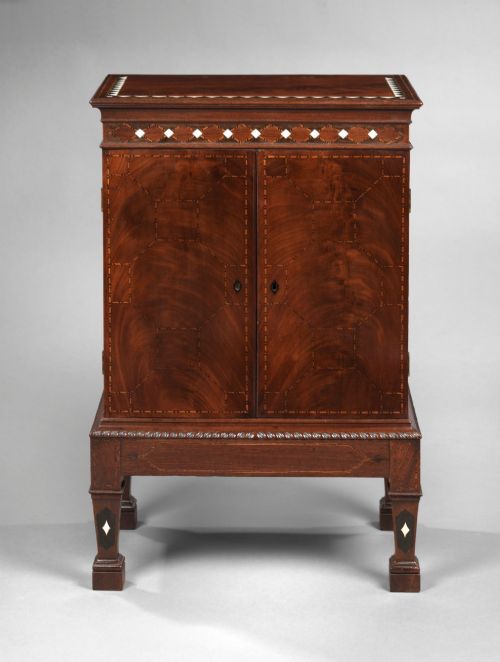
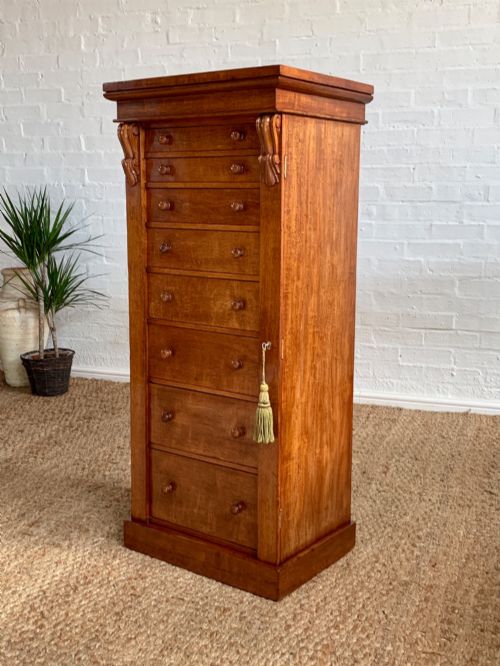
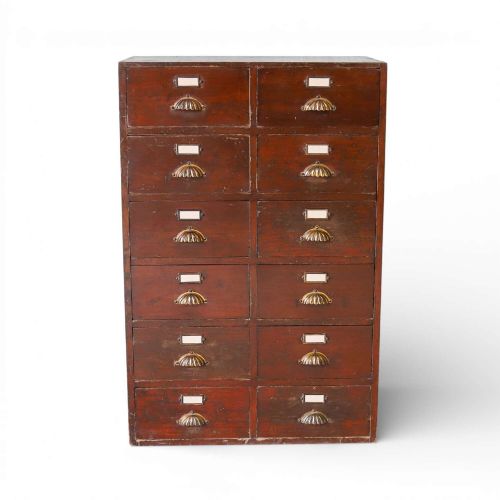
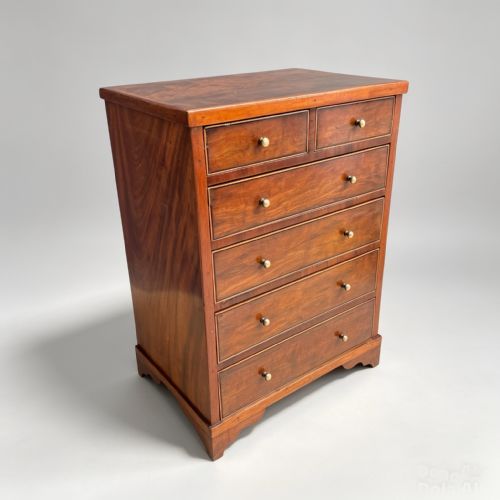
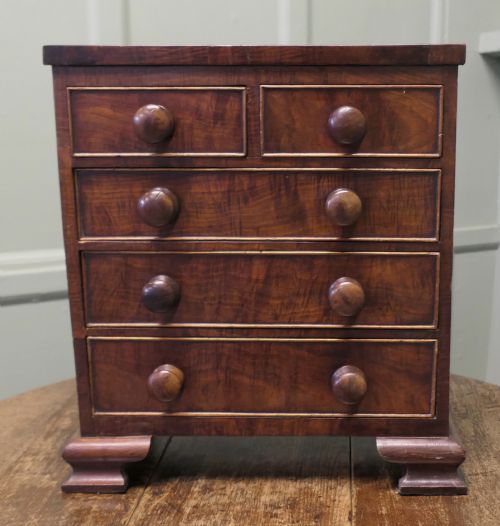
A mahogany collectors chest is a specialised cabinet designed for organising natural history specimens, coins, or small artefacts, frequently appearing in forms such as Wellington chests, miniature chests of drawers, and cabinets on stands. These pieces date from the Georgian, Regency, William IV, and Victorian periods, extending into the Edwardian era around 1900.
The layout typically involves numerous shallow drawers enclosed by locking mechanisms or hinged side pilasters, ensuring the safe storage of delicate items. Examples range from imposing specimens with twenty-four drawers to compact miniature and apprentice chests intended for tabletop use or specialised collections.
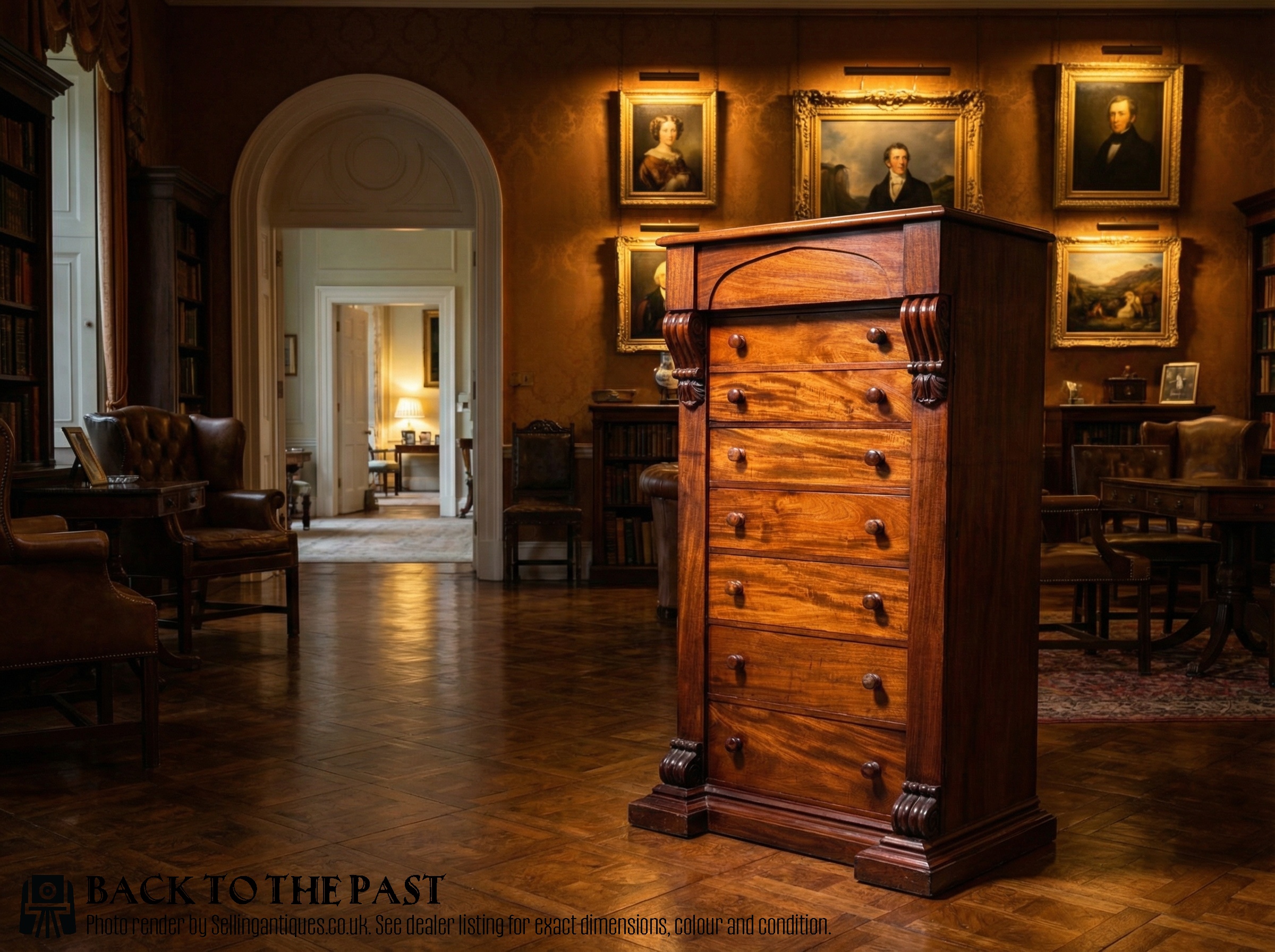
How they were made
Cabinet makers utilised solid mahogany and flame mahogany veneer applied to secondary timbers, building robust carcass structures designed to withstand heavy use. Brass hardware, including drop handles, locks, and locking pilasters, provides structural security and functional operation for the numerous internal drawers.
Internal elements sometimes incorporate bone and glass details, particularly in cabinets tailored for specialised objects like eggs or delicate specimens. Surface finishing relies on traditional polishing techniques that accentuate the rich grain and warm tone of the mahogany.
Retail Price Guide 2026
Typical UK retail prices for mahogany collectors chest, calculated from the Sellingantiques database of over a million retail prices indexed since 2003. This retail price guide relies exclusively on Sellingantiques data; no external sources or auction records are used, so the figures do not describe the wider market.
Some Victorian egg collectors cabinets required twenty-four custom drawers just to sort a very thorough bird-watching season.
What varies in quality
The distinction between standard utility cabinets and superior examples lies in the selection of timber figures, such as highly figured flame mahogany veneer, and the precision of the internal drawer construction. Finer pieces exhibit thoughtful proportioning, integrated locking pilasters, and maker attribution through stamps or distinctive regional construction methods.
Secondary detailing, including the quality of brass fittings and the presence of specialised interior configurations, elevates certain cabinets above standard commercial production. The integrity of the carcass and the smooth operation of multiple shallow drawers remain central to the overall standard of the piece.

Gillows·James Gardner
The Mahogany Collectors Chest Glossary
- Wellington chest
- A tall, vertical chest of drawers featuring a hinged locking pilaster on one side that secures all drawers simultaneously. This design originated in the early nineteenth century and proved popular for secure storage.
- Flame mahogany veneer
- A decorative wood slicing chosen for its distinctive undulating flame pattern, applied to the primary surfaces of the cabinet. It creates a highly figured visual effect on drawer fronts.
- Specimen cabinet
- A specialised storage unit containing numerous shallow drawers built specifically for natural history objects, geological samples, or insects. These interiors often feature dust lips or specialised lining.
- Apprentice chest
- A smaller scale cabinet traditionally created to demonstrate a woodworker's proficiency or as a detailed salesman's sample. These miniature chests replicate the joinery and proportions of full-sized furniture.
- Collectors chest on stand
- A form that elevates the main drawer carcass upon a separate table base or cupboard support. This configuration raises the working height and adds architectural presence.
Frequently Asked Questions
What were mahogany collectors chests used for?
These cabinets served naturalists, antiquarians, and collectors who required secure, organised storage for delicate items such as insect collections, botanical samples, coins, and fossils. The numerous shallow drawers prevented specimens from shifting and sustaining damage.
The dense mahogany construction and lockable mechanisms protected valuable or fragile contents from light, dust, and handling.
How do I identify a Wellington chest?
A Wellington chest is immediately recognizable by its tall, narrow proportions and the locking wooden pilaster attached to one side. Swivelling or locking this vertical bar secures the entire stack of drawers at once.
This practical feature distinguishes the form from standard chests of drawers and made them particularly popular throughout the nineteenth century.
What is the difference between a miniature and an apprentice chest?
Miniature chests were produced as small-scale furniture for cabinet collections or domestic spaces, whereas apprentice chests were traditionally built by trainees to demonstrate mastery of woodworking joints. Both share the meticulous construction methods of full-sized furniture.
Distinguishing between the two often relies on documentation, provenance, or specific regional construction traits evident in the secondary woods.
How should I care for antique mahogany furniture?
Maintain a stable indoor environment away from direct sunlight and sudden temperature shifts to protect the timber and flame mahogany veneer from splitting or fading. Regular dusting with a dry, soft cloth preserves the polish without introducing moisture.
Avoid using modern silicone-based polishes, opting instead for traditional microcrystalline wax applied sparingly when the wood appears dry.