




Entomology Drawer Cabinet
An entomology drawer cabinet is a dedicated chest built to house natural history specimens safely in shallow drawers.
Entomology Drawer Cabinet
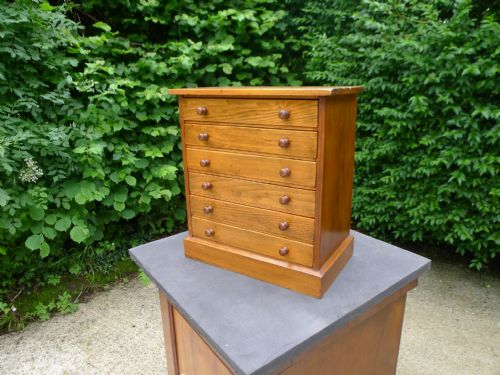
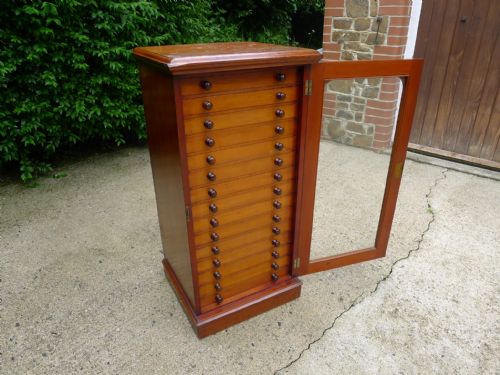
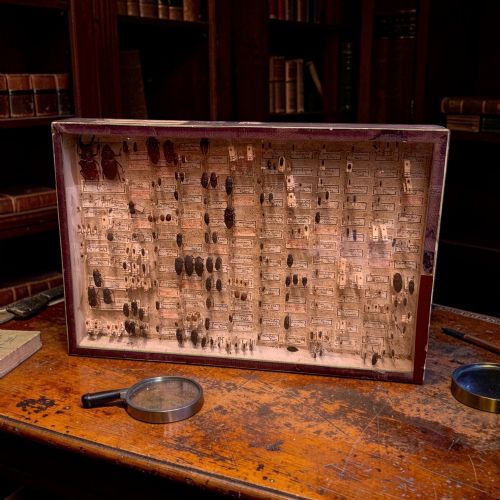
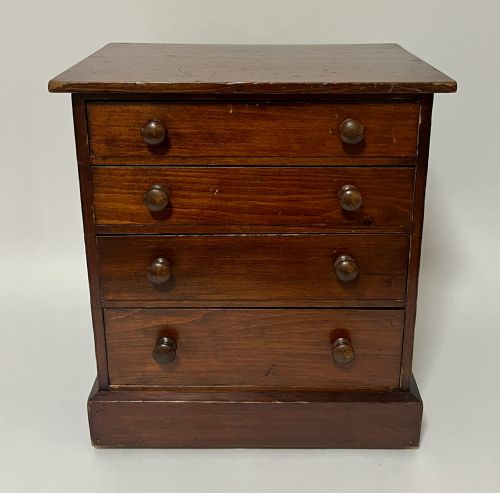
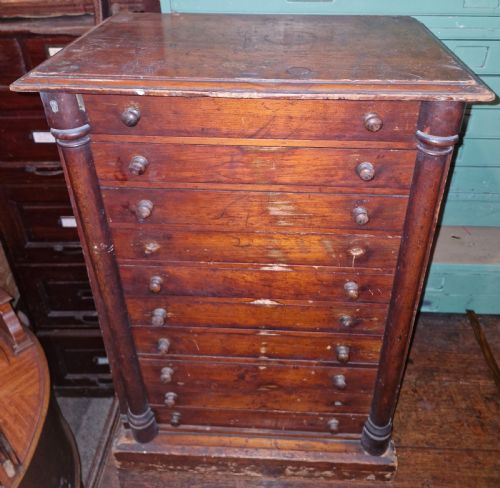
An entomology drawer cabinet is typically encountered as a tall chest or low specimen chest fitted with multiple shallow drawers designed to protect insects, eggs, and slide collections. These pieces emerge predominantly from the Victorian period, alongside Georgian and Edwardian examples.
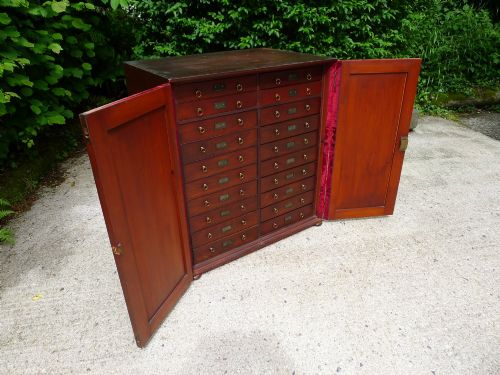
The form ranges from small, compact units holding five or six drawers to substantial pieces containing twenty, thirty, or forty drawers. Mahogany, pine, walnut, and deal form the primary structures of these cabinets.
How they were made
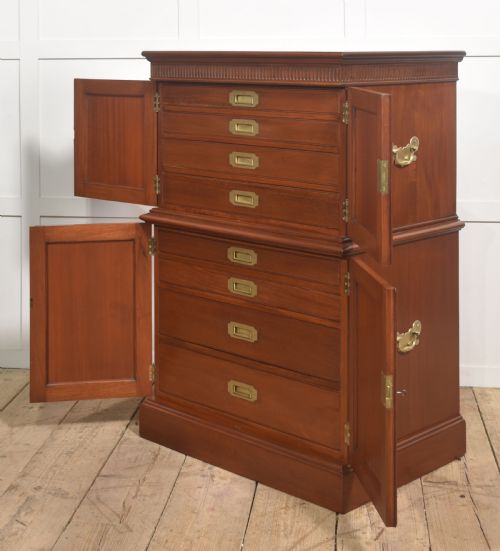
Makers constructed these cabinets using dense hardwoods like solid mahogany, Cuban mahogany, and burr walnut, alongside softer timbers such as pine, pitch pine, and deal. Glass panels fitted to doors or drawer covers allowed viewing while protecting fragile contents from dust and handling.
Brass hardware, including recessed handles, locking mechanisms, and key escutcheons, frequently complemented the timber frames. Interiors were lined or polished to maintain a stable environment for delicate specimens.
Entomology Drawer Cabinet Retail Price Guide 2026
Typical asking prices for entomology drawer cabinet among the pieces listed under this phrase on Sellingantiques today, from the lower quarter to the upper quarter. They describe what is for sale here now, not the wider market.
Listings feature mahogany, walnut, oak, and pine across Victorian, Georgian, and Edwardian periods.
What varies in quality
The distinction between standard examples and top-tier pieces lies in the choice of timber, such as figured pitch pine or English burr walnut, and the precision of the drawer construction. Maker attribution to notable natural history outfitters elevates the standing of a cabinet.
Scale and complexity also dictate quality, where multi-drawer chests by recognised specialists demonstrate superior joinery and hardware integration compared to utilitarian workshop pieces.
Watkins & Doncaster·Brady of Edmonton·Charles William Schofield·J.T.Crockett
The Entomology Drawer Cabinet Glossary
- Deal
- A soft timber, typically pine or fir, commonly utilised for utilitarian cabinet carcasses and internal framing. It provided an accessible material for nineteenth-century workshop production.
- Specimen Cabinet
- A specialised chest designed to store and display natural history collections, including insects, eggs, and botanical samples. These pieces feature banks of shallow drawers tailored for organisation.
- Pitch Pine
- A resinous softwood noted for prominent grain patterns and durability, often selected for Victorian cabinet construction. It accepts polish well while offering robust structural support.
- Burr Walnut
- A highly figured veneer derived from walnut tree growths, prized for decorative cabinet facades. It creates intricate, swirling patterns across drawer fronts and doors.
Entomology Drawer Cabinet: Frequently Asked Questions
What are entomology drawer cabinets?
These pieces are specialised wooden chests containing multiple shallow drawers built to organise and protect natural history specimens. They range from compact tabletop cases to large multi-drawer floor-standing furniture.
Cabinets often feature glass doors or glazed drawer tops to permit viewing of the contents without exposure to the room environment.
How were these cabinets used?
Naturalists and collectors utilised the shallow drawers to pin insects, arrange eggs, or store microscope slides securely in systematic rows. The tight-fitting drawers kept dust and light away from fragile organic materials.
Many examples include locking doors and keys to secure valuable or historically significant scientific collections against disturbance.
How do I live with one?
Entomology drawer cabinets function well as statement storage furniture in studies, libraries, or living spaces, offering deep surface tops for display. The numerous shallow drawers provide practical organisation for small items, documents, or modern collections.
Placing cabinets away from direct sunlight and steady heat sources protects the timber finishes and historical veneers over time.
How can I tell periods apart?
Georgian examples often display simpler, rustic timber construction or formal mahogany proportioning associated with late eighteenth-century cabinet making. Victorian pieces frequently introduce larger multi-drawer formats, specific maker stamps, and varied secondary woods like satin birch or pitch pine.
Edwardian cabinets tend to reflect lighter framing techniques and late-period production styles standard to the early twentieth century.