

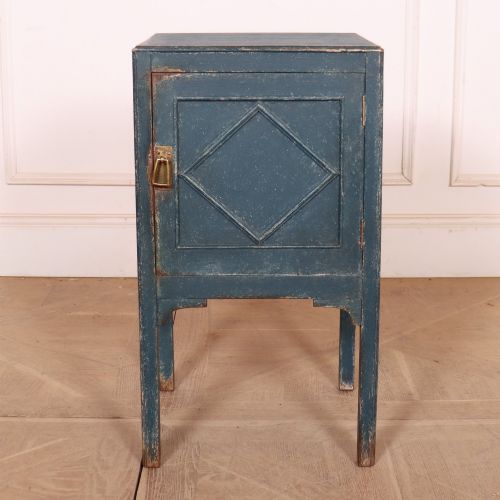
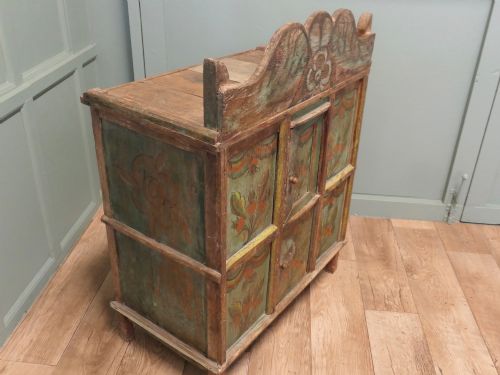
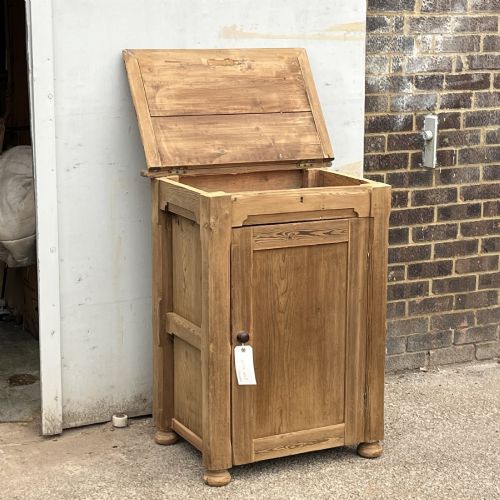
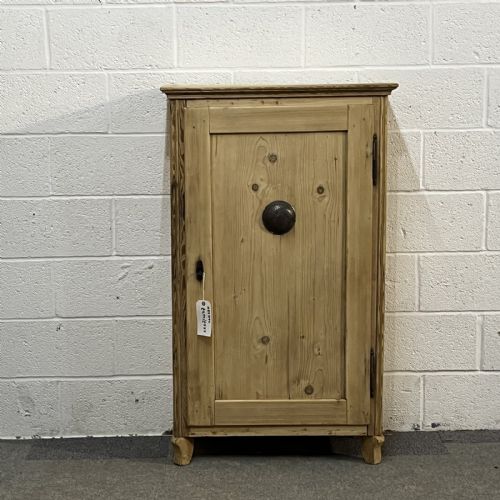
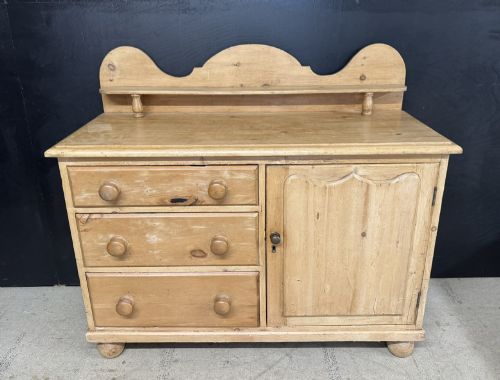

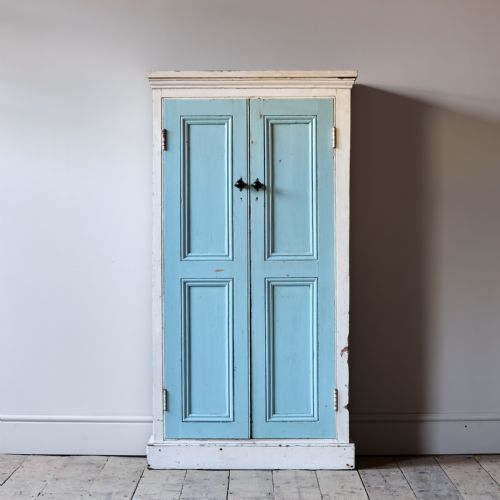
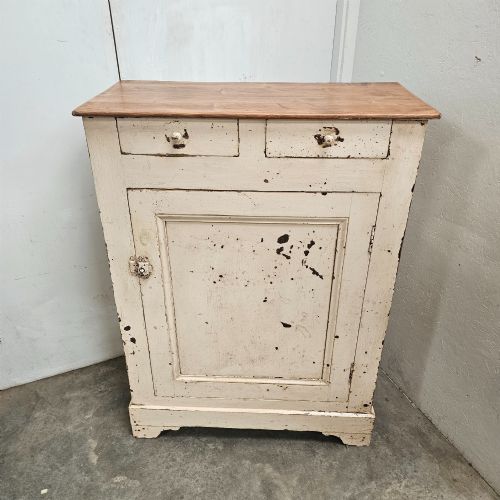
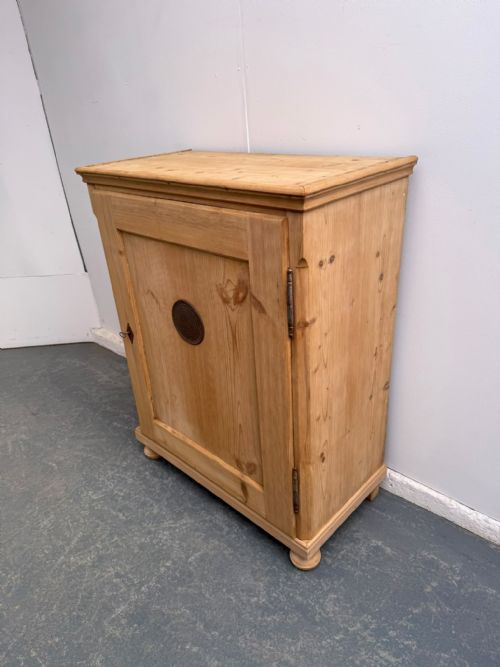
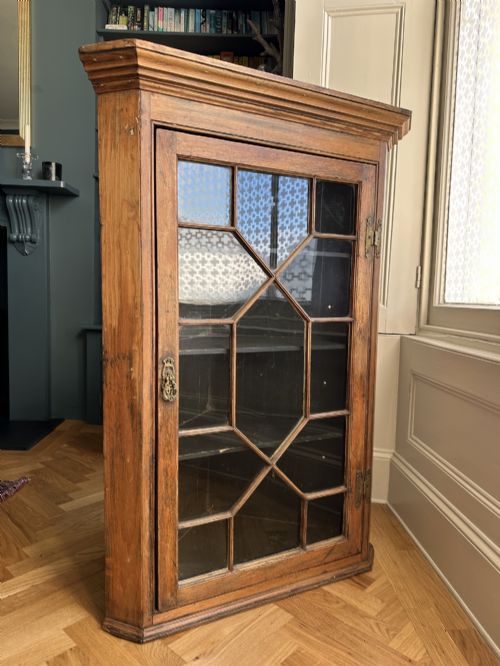
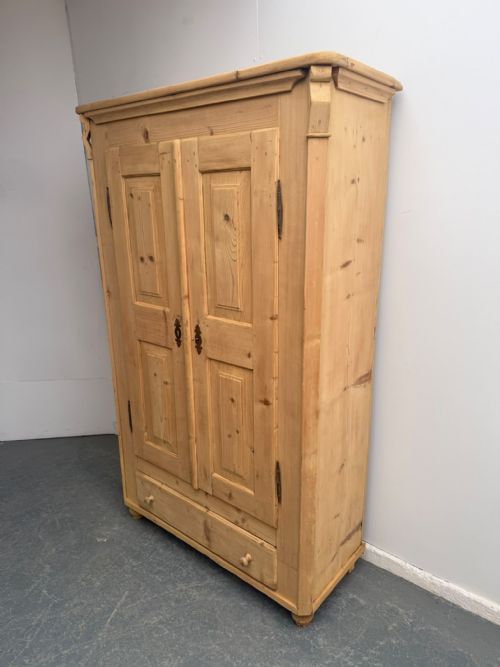
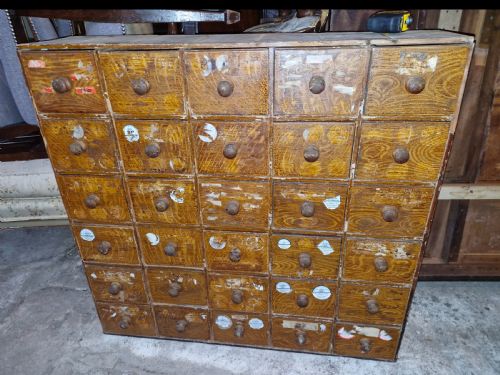
Small Pine Cupboard
A small pine cupboard offers compact utility with the warm, honest grain of softwood developed across the nineteenth and early twentieth centuries.
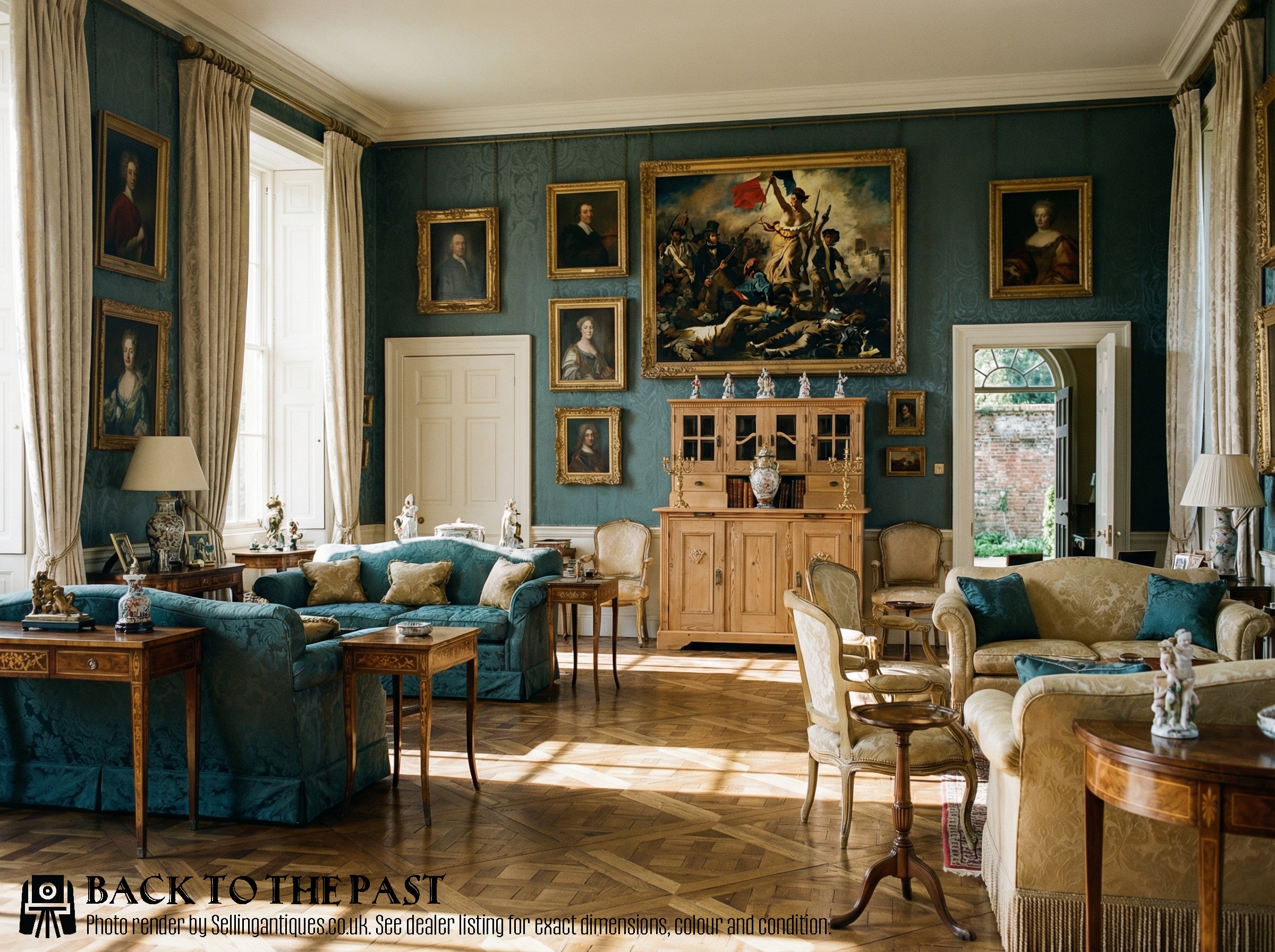
Small Pine Cupboard
A small pine cupboard encompasses various utilitarian forms designed for domestic storage, ranging from wall-hanging spice cabinets and bedside pot cupboards to compact hall wardrobes and corner units. When searching for a small pine cupboard, buyers most frequently encounter nineteenth-century Victorian and Edwardian examples originating from English, French, and Scandinavian country traditions.
The inventory includes specialised configurations like the confiturier, dresser bases, and shallow wall cabinets that reflect regional domestic habits. These pieces span periods from the late Georgian era through the 1930s, utilising native softwoods tailored for provincial homes and modest chambers.
Makers constructed these functional items for daily service in kitchens, sculleries, and bedrooms rather than formal reception rooms. Consequently, the surviving examples demonstrate straightforward joinery and adaptable proportions suited to modern interior spaces.
Materials and Construction
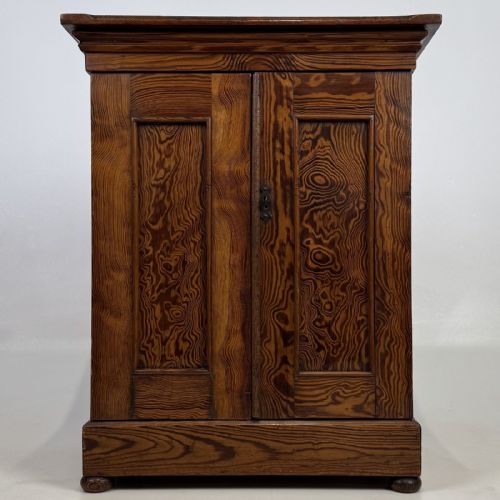
Carpenters relied primarily on pine, pitch pine, and deal, occasionally incorporating secondary hardwoods for internal elements alongside brass and iron hardware. Surfaces received various treatments, from clear wax and natural finishes to historic painted schemes, faux bamboo carving, or glazed door panels.
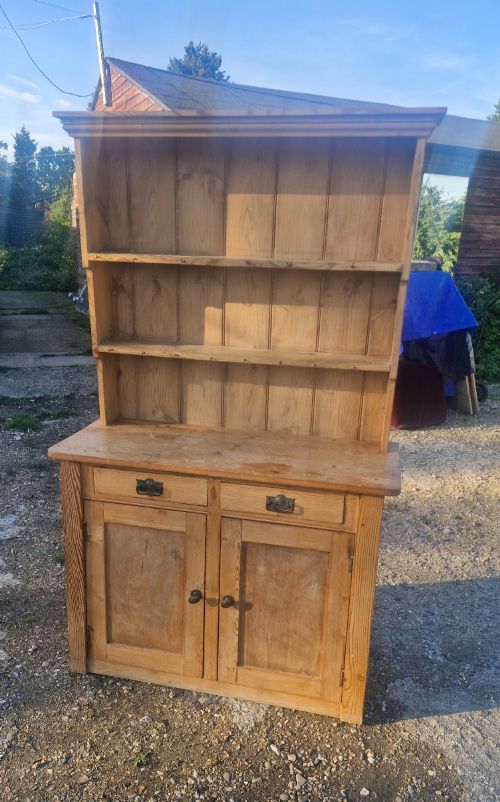
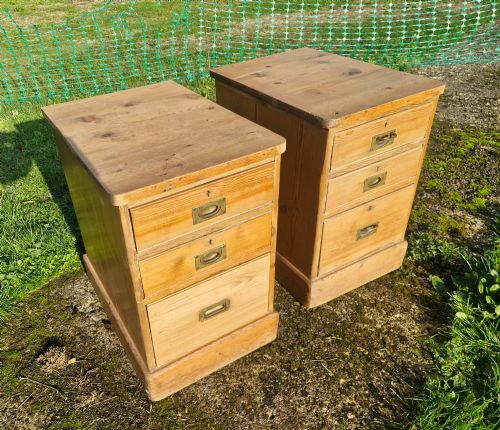
Construction techniques prioritized practical durability, employing straightforward board construction, panelled doors, and dovetailed drawers suited to utilitarian furniture. Many pieces retain original brass handles, vented doors, or internal shelving that evidence their specific historical function.
Small Pine Cupboard Retail Price Guide 2026
Typical asking prices for small pine cupboard among the pieces listed under this phrase on Sellingantiques today, from the lower quarter to the upper quarter. They describe what is for sale here now, not the wider market.
Evaluating Quality
Quality in these domestic softwoods rests on the integrity of the original construction, timber selection, and the survival of untouched surfaces. Tighter growth rings in pitch pine and well-executed dovetail joints indicate superior cabinet-making compared to purely expedient utility pieces.
The presence of original painted schemes, historic brass furniture, and untouched hardware elevates an example above stripped and heavily restored counterparts. Proportional balance and the preservation of secondary internal fittings determine the distinction between ordinary workshop output and finer vernacular items.
Luxmore's of Ilfracombe·D Napier and Sons·Melissa White
The Small Pine Cupboard Glossary
- Deal
- Fir or pine timber commonly used in British cabinet-making from the seventeenth century onwards. This affordable softwood formed the structural core and visible surfaces of much vernacular furniture.
- Confiturier
- A French jam cupboard traditionally utilised for preserving fruits and provisions. These low, single-door cabinets often feature a small drawer above the primary storage compartment.
- Pitch pine
- A durable North American pine species characterised by a high resin content and prominent, dense grain patterns. Craftsmen valued this timber for its strength and decorative reddish-brown figuring.
- Pot cupboard
- A small bedside cabinet originally designed to house a chamber pot. These compact units typically feature a single door enclosing a shelf, sometimes surmounted by a marble top.
- Housekeeper's cupboard
- A large storage piece intended for linen, provisions, and household stores. Smaller variants retain the deep proportions and multiple internal shelves of the full-scale domestic originals.
Small Pine Cupboard: Frequently Asked Questions
What is a small pine cupboard used for?
These versatile cabinets served varied domestic purposes in nineteenth-century homes, functioning as bedside tables, spice storage, hall wardrobes, or kitchen larders. Today they adapt readily as compact storage units in modern bedrooms, hallways, and living spaces.
Their modest footprint allows them to fit into tight architectural corners while providing concealed shelving and drawer capacity for contemporary items.
How do I date a small pine cupboard?
Dating relies on examining construction methods, hardware types, and timber characteristics. Hand-cut dovetails, older cut nails, and original brass or iron drop handles generally point toward Georgian and early Victorian periods.
Later pieces from the Edwardian era or the 1930s often display machine-sawn timber, simpler internal fittings, and different fastening techniques that separate them from nineteenth-century work.
Should I choose waxed or painted pine?
The choice depends largely on whether the piece retains historic paint or has been stripped to the bare wood. Original painted surfaces or early decorative finishes offer historical character and should be preserved whenever possible.
Clean waxed finishes highlight the natural grain and knot patterns of the softwood, fitting neatly into rustic or traditional country interior schemes.
Where were these pine cupboards made?
The listings encompass items from English workshops alongside Scandinavian and French provincial regions. Country makers utilised locally available softwoods to produce practical furniture tailored to regional domestic requirements.
Swedish and English examples often display distinct decorative touches, such as painted exterior schemes or specialised hardware, reflecting their local vernacular origins.