
Vintage Pine Storage Cupboard
A vintage pine storage cupboard brings honest utility and warmth to a room, offering practical storage through solid timber construction.
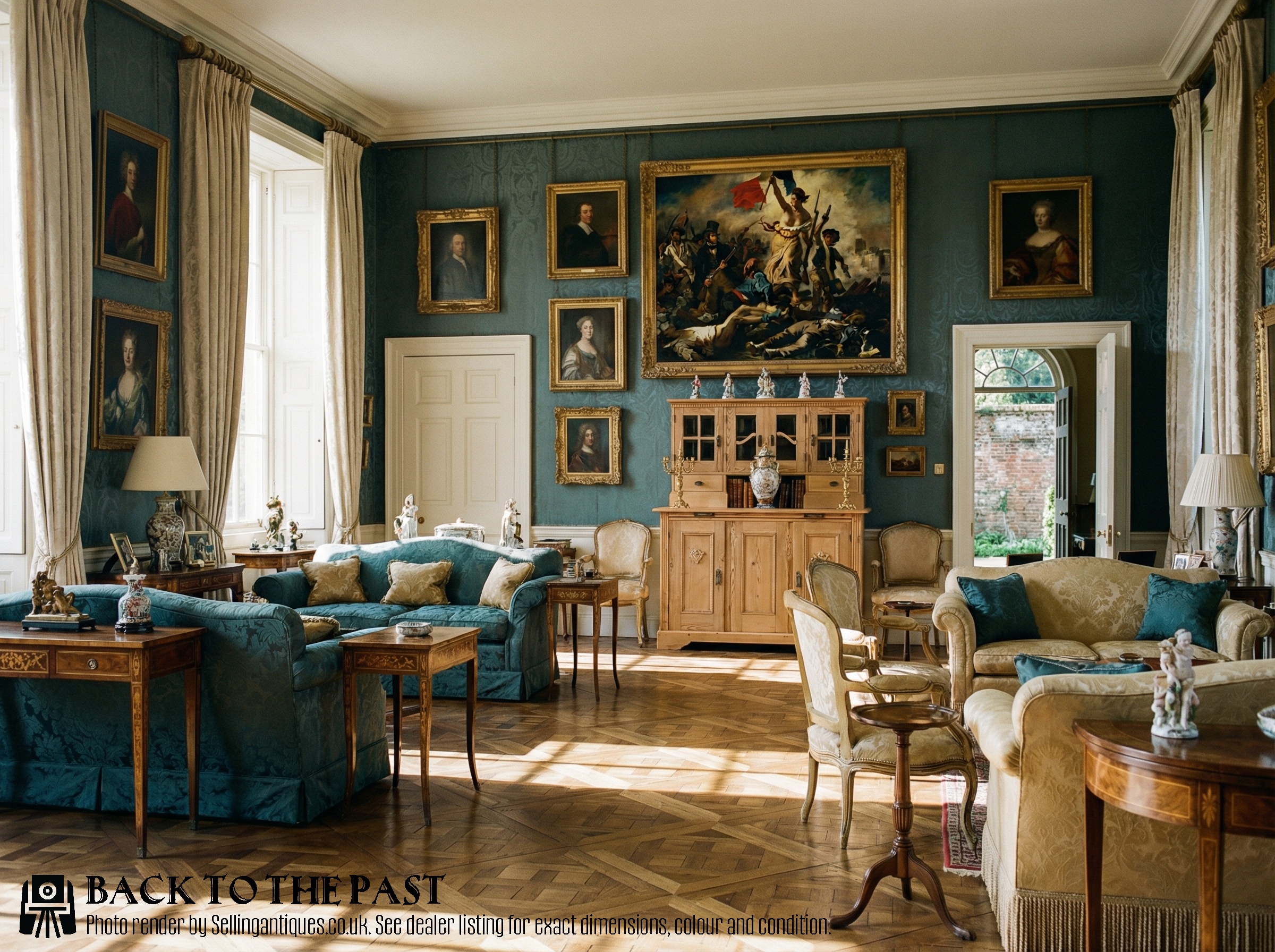
Vintage Pine Storage Cupboard
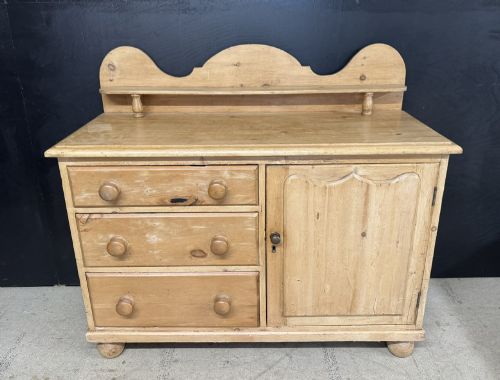
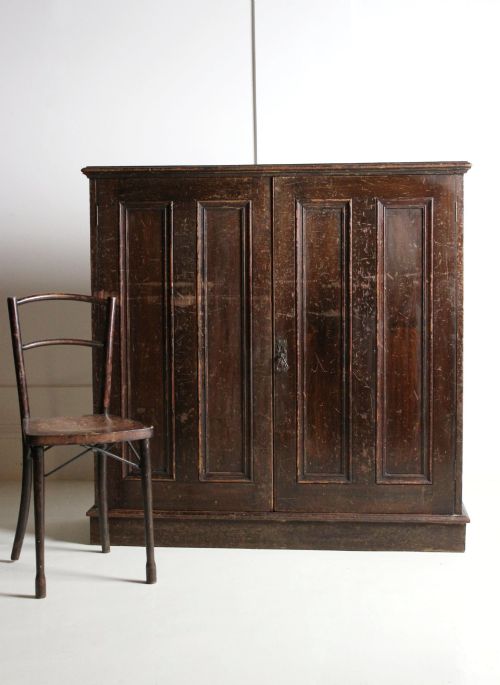
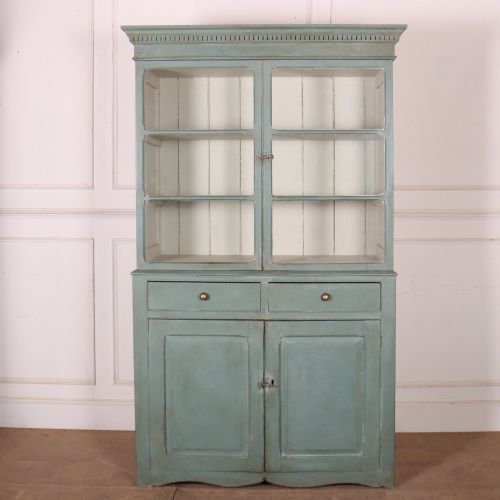
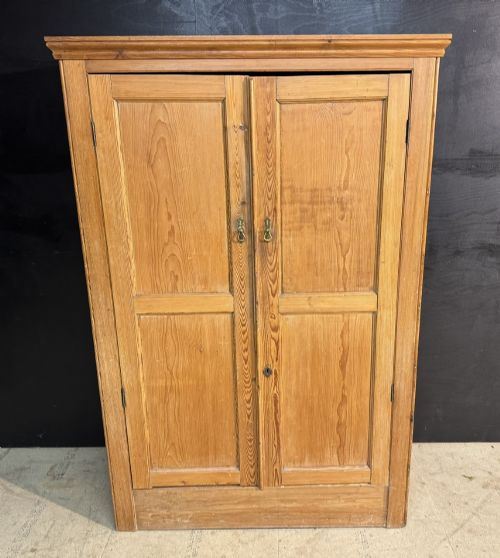
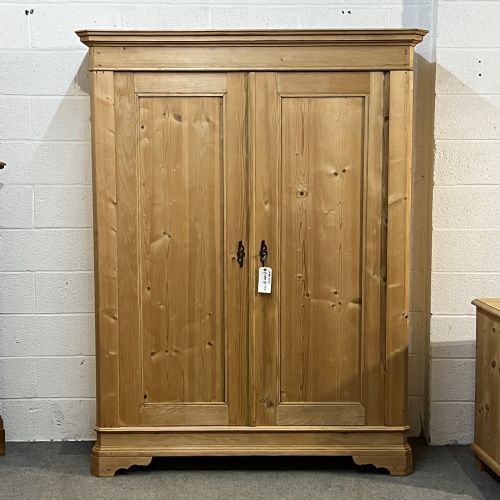
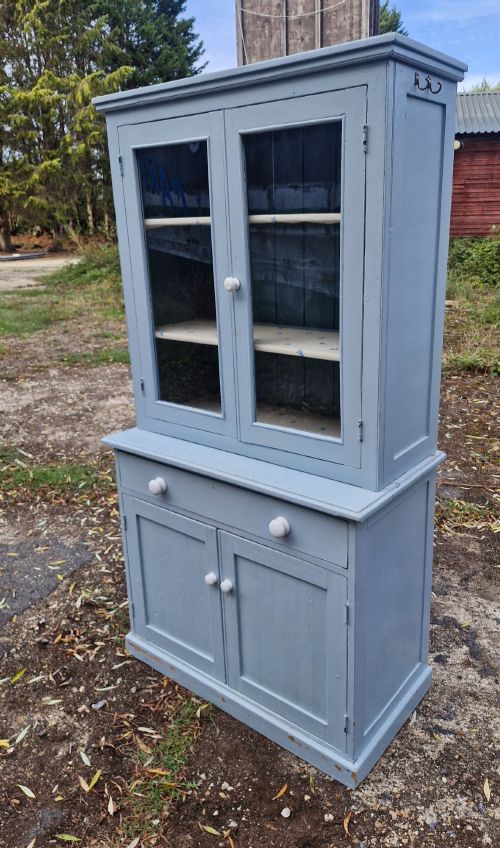
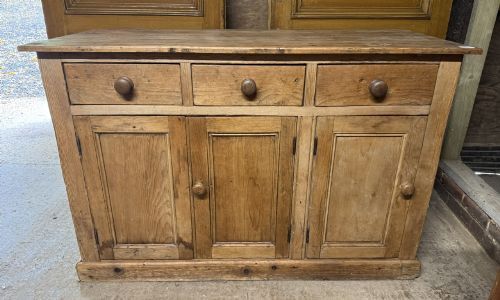
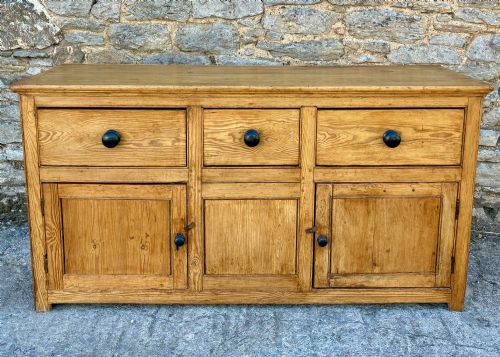
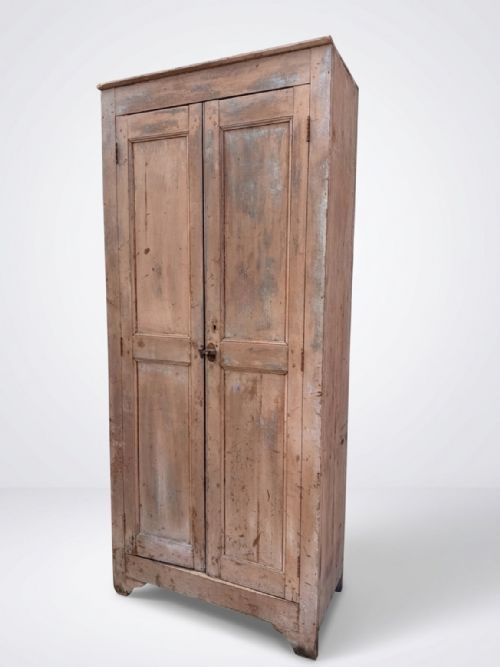
A vintage pine storage cupboard spans substantial kitchen dressers, larder cupboards, housekeeper units and smaller pot cupboards originating from the Georgian and Victorian periods into the early twentieth century. These pieces serve primarily for domestic organisation, taking forms such as multi-drawer banks, glazed cabinets and tall wardrobes.
The selections encountered here draw on English, Welsh, Scottish, West Country and French provincial traditions. Buyers most frequently find nineteenth-century examples shaped by vernacular country workshops rather than metropolitan cabinet makers.
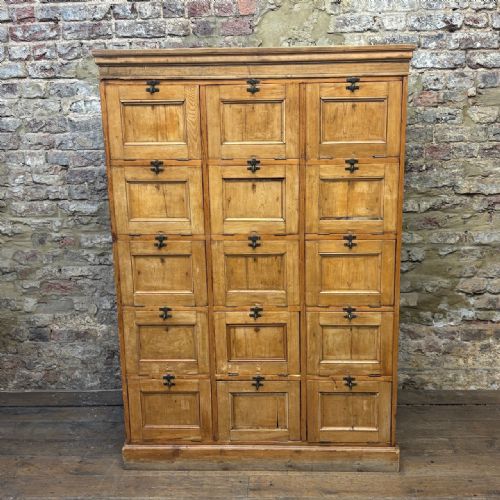
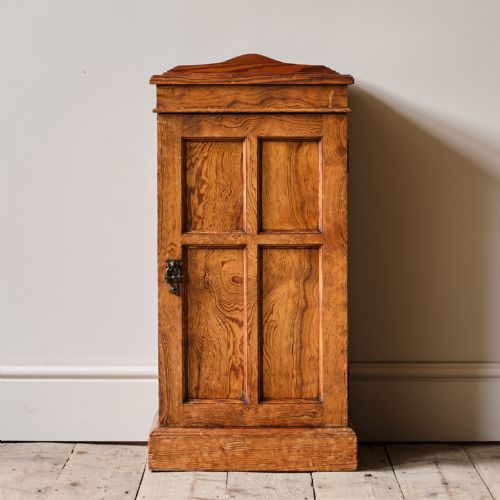
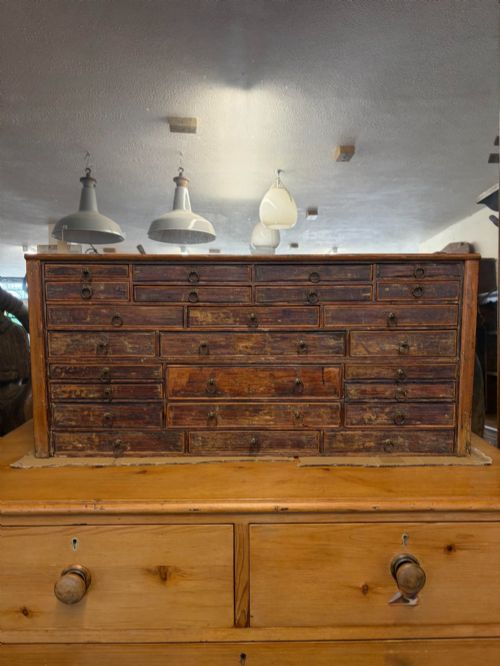
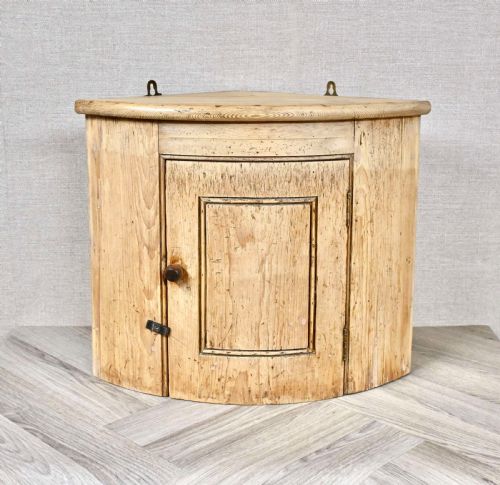
Forms range from compact single-door bedside or alcove cupboards to massive two-part kitchen cupboards and fifteen-door locker units. Each piece reflects the functional demands of domestic storage in country houses, farmhouses and town dwellings.
How they were made
Makers utilised solid pine alongside iron and brass hardware for hinges, handles and ventilation grills. Surfaces often retain their original paint, scumble finishes or wax polish applied over decades of use.
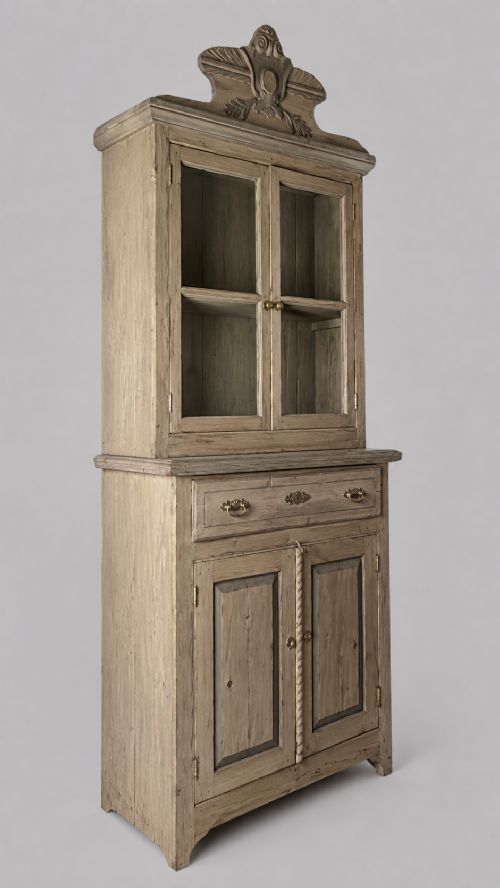
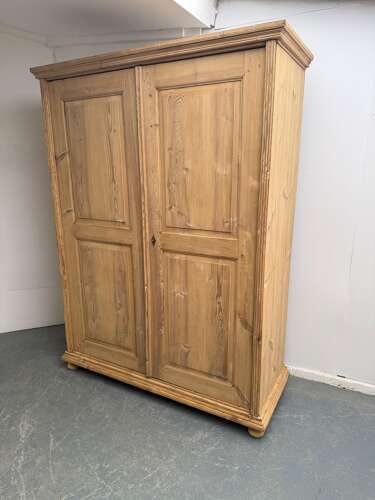
Construction techniques rely on pegged joints, fielded panels and dovetailed drawers built to withstand heavy daily service. Glazed doors incorporate timber glazing bars holding original glass panes, while larger wardrobes employ knockdown designs for transport.
Vintage Pine Storage Cupboard Retail Price Guide 2026
Typical asking prices for vintage pine storage cupboard among the pieces listed under this phrase on Sellingantiques today, from the lower quarter to the upper quarter. They describe what is for sale here now, not the wider market.
Railway ticket offices and grand country houses discarded their paperwork into the exact same sturdy banks of pine drawers.
What varies in quality
Quality rests in the integrity of the timber selection and the retention of original surfaces, whether unpainted wax finish or early paint schemes. Untouched patination commands greater appreciation than stripped wood lacking historical depth.
Proportion and structural balance separate standard utility pieces from finer vernacular items. Superior examples display thoughtful detailing such as arched cornices, original ironwork and well-proportioned drawer configurations.
The Vintage Pine Storage Cupboard Glossary
- Fielded panel
- A wooden panel with bevelled edges designed to fit within a grooved frame, allowing the wood to expand and contract with humidity changes. This technique provides both visual depth and structural stability to cupboard doors.
- Housekeeper cupboard
- A large storage piece traditionally used in substantial homes for linen, dry goods or tableware. These tall units typically combine upper shelving with lower drawers or smaller doors.
- Scumble paint
- A decorative surface finish where a translucent top coat is manipulated over a lighter base colour to simulate richer wood grains or provide texture. This technique was common in nineteenth-century interiors.
- Dresser base
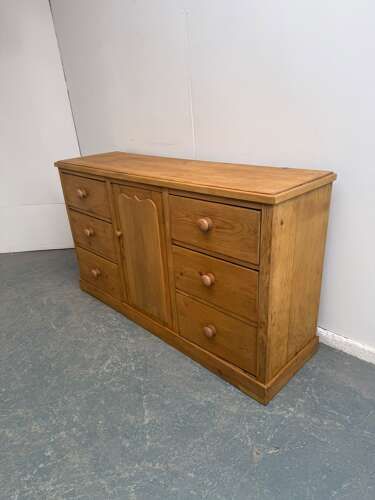
- The lower section of a kitchen dresser, usually featuring a combination of drawers and cupboards beneath a solid top surface. These versatile pieces served as work surfaces as well as storage.
- Locker cabinet
- Multi-compartment storage furniture built with numerous small doors or drawers, originally utilised in institutional, commercial or railway settings. They offer industrial utility within domestic spaces.
Vintage Pine Storage Cupboard: Frequently Asked Questions
How do I care for a waxed pine finish?
Maintain the surface by applying a quality beeswax polish sparingly and buffing with a soft cloth to preserve the natural sheen. Avoid placing timber furniture near direct heat sources to prevent the wood from drying out or splitting.
Clean the exterior simply with a dry or very slightly damp cloth. Avoid harsh chemical cleaners that strip the historic wax layer and dull the patination built up over generations.
Were these cupboards painted originally?
Many utility cupboards and kitchen pieces received coats of paint or scumble finishes for protection and cleanliness in working domestic spaces. Paint layers often survived later stripping trends, revealing original historical colours underneath.
Unpainted surfaces usually indicate that a piece was meant to display the warm grain of the pine after regular waxing. Examining hidden internal areas often reveals traces of earlier paint schemes.
Can knockdown wardrobes be easily moved?
Knockdown wardrobes were purposely engineered to dismantle into manageable sections using pegged or bolted joints. This allowed large furniture pieces to travel easily up narrow staircases and between rooms.
Reassembly requires careful alignment of the original numbered or fitted joints to ensure the structure remains square. Modern buyers should check that all original wedges or bolts remain present with the piece.
What distinguishes Georgian pine from Victorian pine?
Georgian pine furniture generally exhibits cleaner classical proportions, finer mouldings and a tighter growth grain reflecting older timber stocks. Construction details often feature hand-cut dovetails and simpler internal arrangements.
Victorian pieces frequently display greater variety, from rustic farmhouse items to Gothic Revival designs and industrial multi-drawer banks. The scale can be heavier, accommodating the broader storage demands of later nineteenth-century households.