



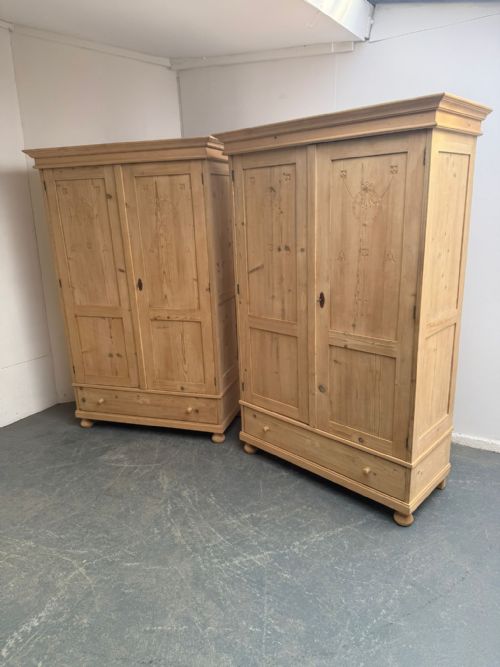


Dismantling Pine Wardrobe
These dismantling pine wardrobe examples offer practical storage through knockdown construction, spanning Victorian and Georgian periods for flexible home organisation.
Dismantling Pine Wardrobe
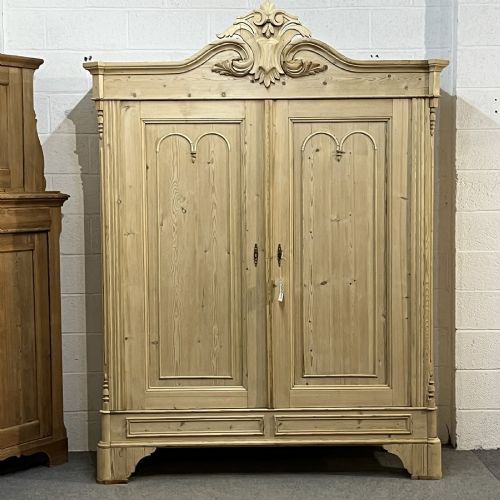
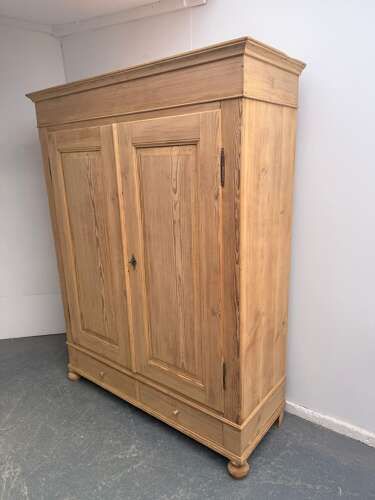
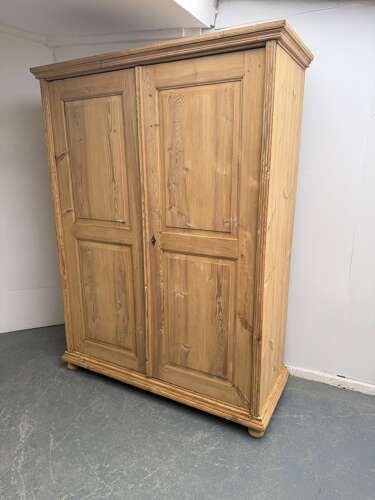
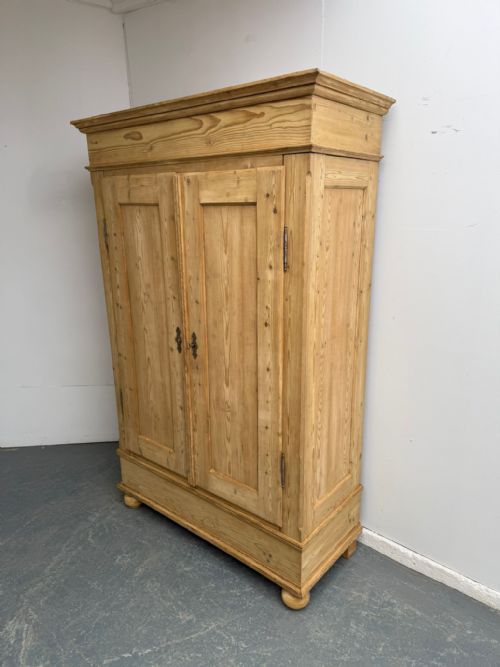
A dismantling pine wardrobe provides substantial bedroom storage through a knockdown structure designed for easy transport and assembly. Buyers searching for a dismantling pine wardrobe typically encounter pieces from the Victorian and Georgian eras, often featuring two doors or linen storage.
The selection ranges from low cottage formats to massive ladies wardrobes and Arts and Crafts pairs. Many examples arrive ready to wax or paint, suiting various interior finishes.
Origins include country workshops as well as more formal Victorian and Georgian designs. These functional pieces accommodate modern clothing needs while retaining period character.
Materials and construction methods
Construction relies primarily on solid pine timber, complemented by metal, iron, and brass hardware such as hinges and locks. Glass elements occasionally appear in related bedroom units.
The knockdown design incorporates modular panels that secure together without permanent fixing, allowing the entire wardrobe to break down into manageable components for relocation.
Dismantling Pine Wardrobe Retail Price Guide 2026
Typical asking prices for dismantling pine wardrobe among the pieces listed under this phrase on Sellingantiques today, from the lower quarter to the upper quarter. They describe what is for sale here now, not the wider market.
Current listings feature pine wardrobes spanning Victorian, Georgian, and 1910 Arts and Crafts periods, incorporating iron, brass, and glass hardware.
Judging quality and proportion
Proportion and scale distinguish standard bedroom storage from exceptional architectural pieces, particularly when comparing low cottage formats to massive columned examples. Finer items display careful timber selection and balanced door panels.
The integrity of the knockdown mechanism and original hardware, including brass and iron fixtures, marks the distinction between robust everyday storage and lesser utility builds.
The Dismantling Pine Wardrobe Glossary
- Knockdown
- Construction method allowing furniture to be dismantled into flat panels and separate sections for transport. This technique enables large wardrobes to pass through doorways.
- Pine
- Softwood timber widely utilised in British vernacular furniture. It takes wax or paint finishes readily.
- Linen wardrobe
- Storage piece originally intended for household textiles and bedding rather than hanging garments. These frequently incorporate internal shelving.
- Arts and Crafts
- Design movement focusing on honest construction and simple materials. Pieces from this era show clean lines.
Dismantling Pine Wardrobe: Frequently Asked Questions
How do dismantling wardrobes work?
These wardrobes utilise modular panels, cornices, and bases that slot or bolt together without permanent glue joints. This clever knockdown engineering allows large bedroom units to be transported up stairs and through tight doorways.
Once positioned in the room, the components lock securely to provide the stability of a fixed piece of furniture.
Are they difficult to assemble?
Assembly requires basic practical competence and usually two people to handle the larger panels safely. The interlocking sections and hardware fit together in a logical sequence.
Marking the components during initial dismantling helps ensure a straightforward rebuilding process in your bedroom.
Can I paint the pine surface?
Most examples are offered in a raw or previously waxed state specifically suited for painting or waxing by the new owner. Preparing the pine surface correctly ensures an even finish.
Applying a suitable primer prevents historic oils from bleeding through new paint coats.
What is the difference between Georgian and Victorian styles?
Georgian pieces often exhibit simpler, restrained proportions and early country details, whereas Victorian versions frequently feature heavier cornices, applied columns, and larger formats. Both eras prioritise functional storage through practical design.
Examining the timber boards and edge mouldings helps determine the specific period of manufacture.