

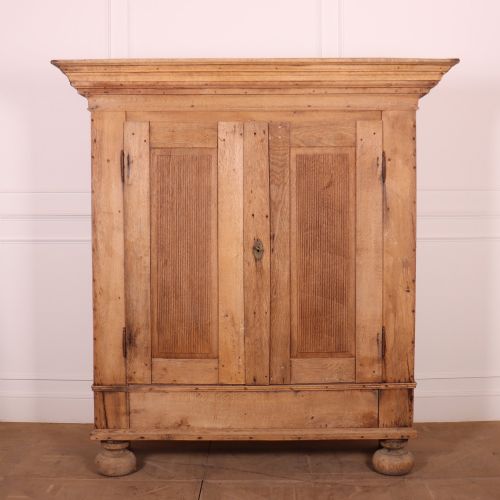
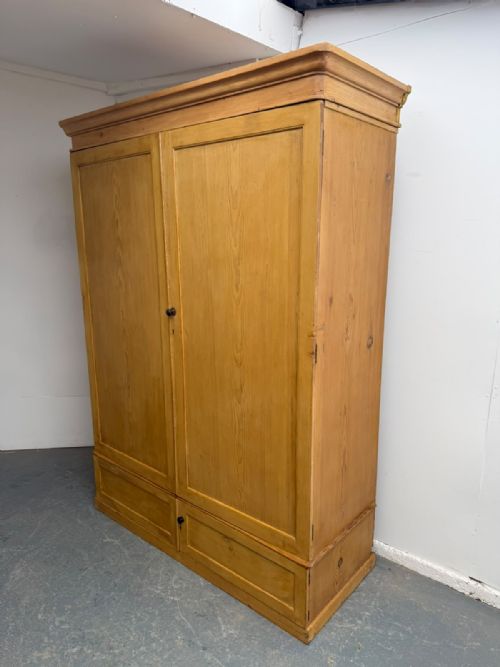
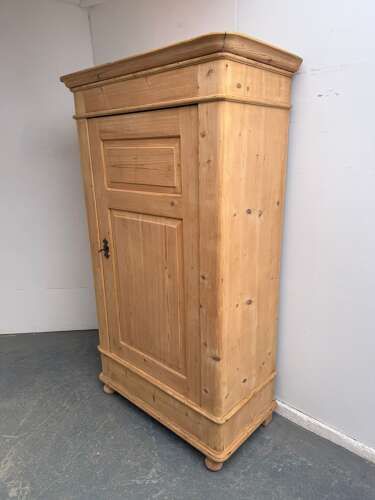
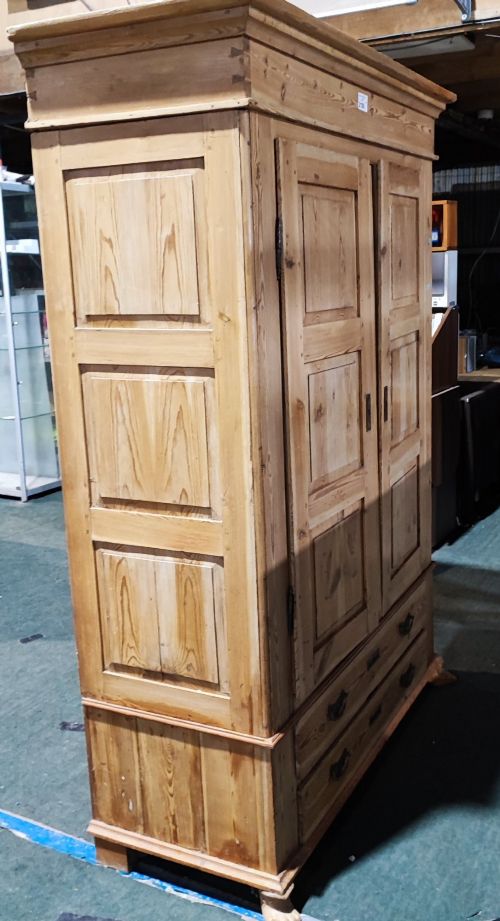
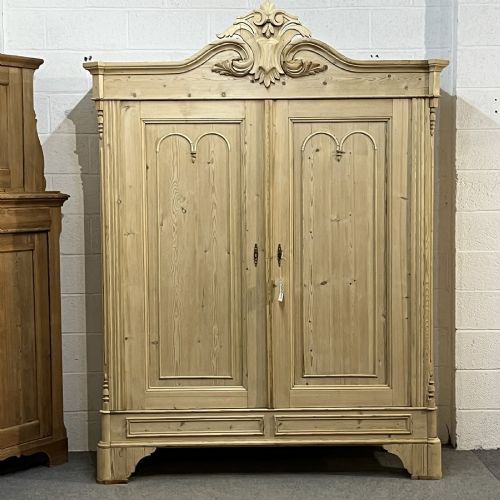
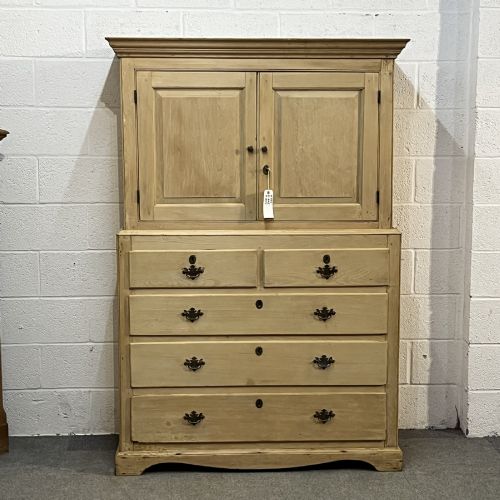
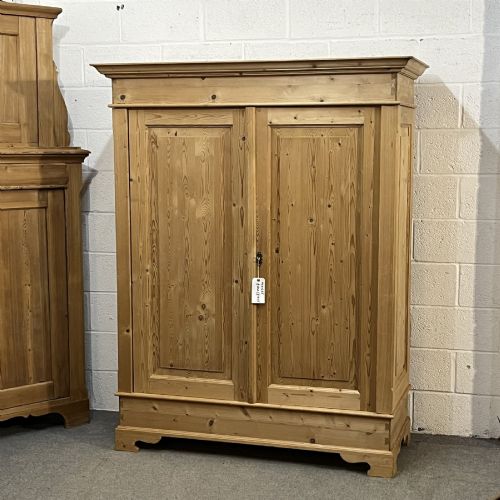
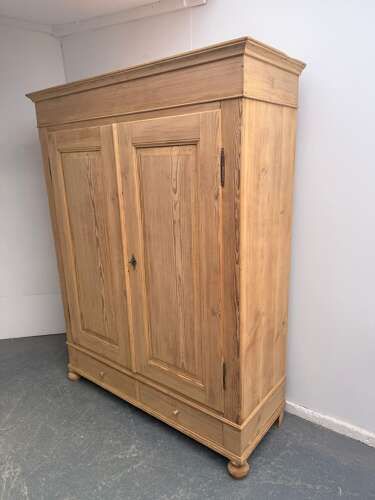
Natural Pine Wardrobe
A natural pine wardrobe offers generous storage and solid domestic utility, bridging rural practicality with period character.
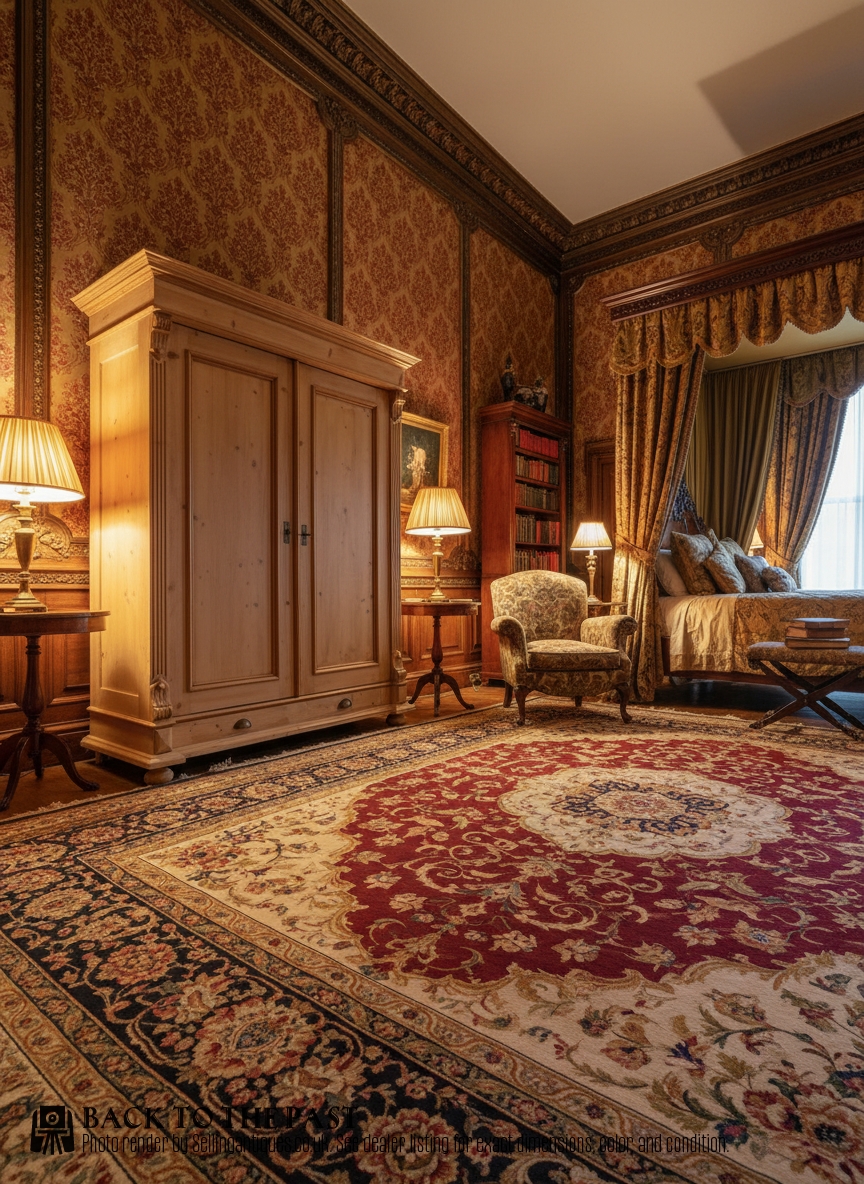
Natural Pine Wardrobe
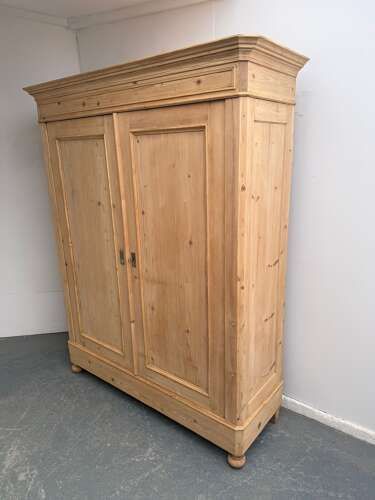
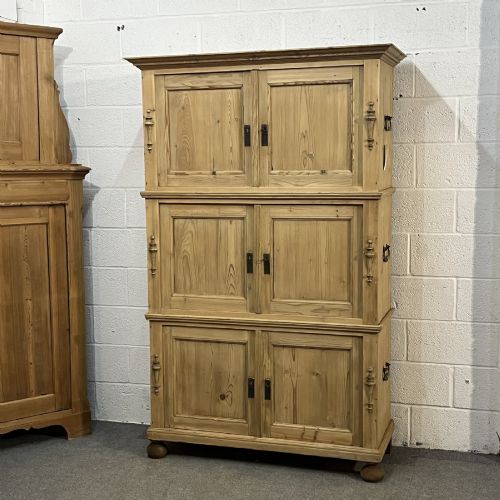
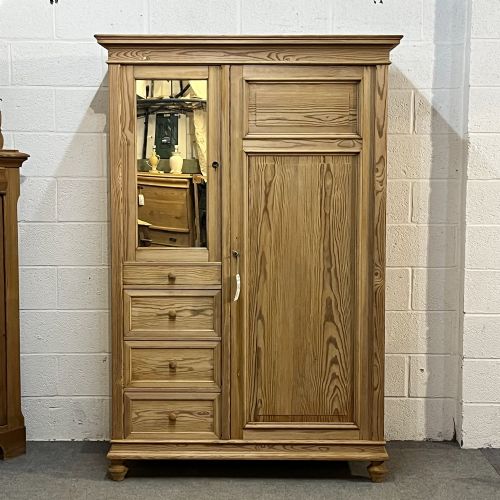
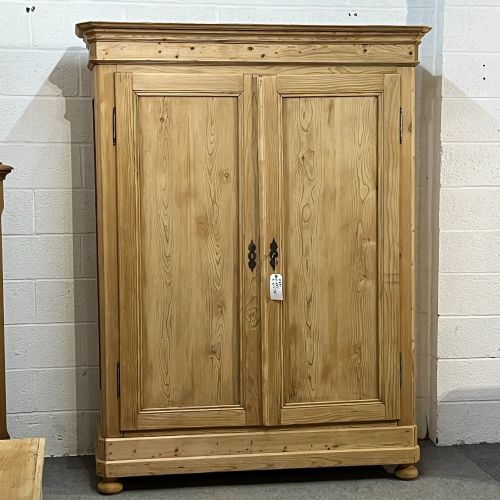
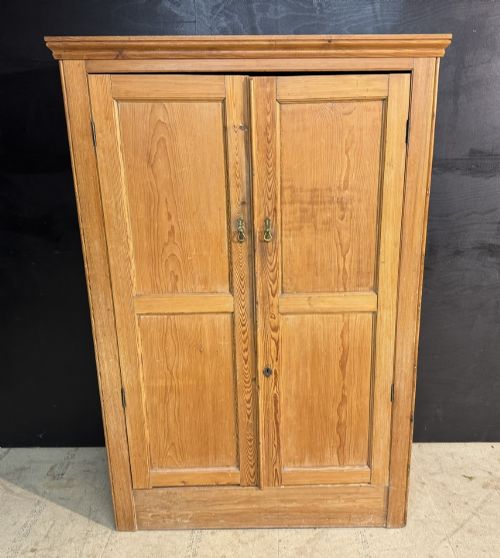
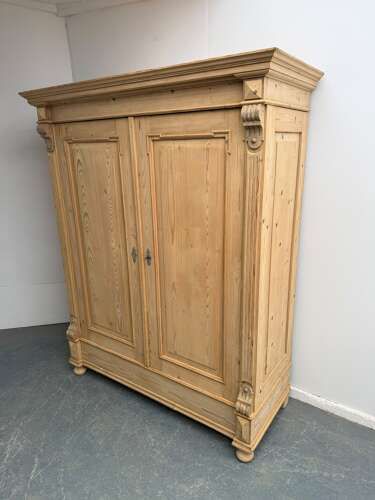
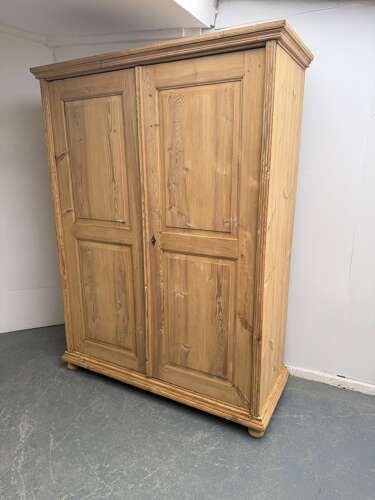
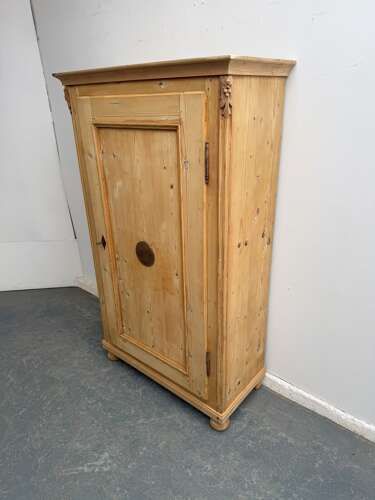
A natural pine wardrobe provides substantial bedroom or hallway storage, taking the form of large double doors, compactum variants with internal drawers, or single door cupboards. These pieces originate from various eras, with Victorian and Georgian examples appearing alongside later Arts and Crafts interpretations.
Buyers most frequently encounter tall knockdown wardrobes designed to dismantle into manageable sections for transport, alongside one piece cupboards and larder styles. The timber often presents a waxed or stripped finish that highlights the natural grain.
Origins range from British country houses and cottages to French provincial workshops, yielding variations in door panels, plinths, and cornices. Many arrive ready to wax or paint, allowing the surface finish to suit contemporary domestic interiors.
Materials and construction
Construction relies primarily on solid pine timber, selected for its workability and strength in large domestic furniture. Joinery techniques include pegged joints, fielded panels, and tongue and groove backboards.
Hardware incorporates iron, brass, and occasional glass elements for handles, hinges, and hanging hooks. Wardrobes often utilise knockdown bolt assemblies, enabling large carcasses to be taken apart and reassembled securely.
Natural Pine Wardrobe Retail Price Guide 2026
Typical asking prices for natural pine wardrobe among the pieces listed under this phrase on Sellingantiques today, from the lower quarter to the upper quarter. They describe what is for sale here now, not the wider market.
The listings span Victorian, Georgian, and Arts and Crafts styles, utilising pine alongside brass, iron, and glass hardware.
Factors of quality
Proportion and scale dictate the visual weight of a wardrobe, with well-balanced cornices and plinths distinguishing superior cabinet work. The depth of internal hanging space and the integration of functional drawers alter utility.
Timber selection and surface preparation create the primary distinction in finish, where clean pine grain and original hardware elevate the piece above utilitarian workshop builds.
The Natural Pine Wardrobe Glossary
- Knockdown
- A piece of furniture designed to be dismantled into sections using internal bolts or pegs for ease of movement.
- Compactum
- A fitted wardrobe that incorporates internal drawers, shelves, and hanging space within a single carcass.
- Fielded panel
- A wooden panel with bevelled edges set into a frame to add depth and structural stability.
- Chifferobe
- A hybrid storage piece combining the tall hanging space of a wardrobe with the drawers of a chest.
- Linen press
- A tall cupboard traditionally used for storing folded textiles, featuring sliding shelves or internal trays above drawer sections.
Natural Pine Wardrobe: Frequently Asked Questions
How do I assemble a knockdown wardrobe?
Knockdown wardrobes utilise internal bolts, wooden pins, or interlocking joints that allow the main panels to separate for transport. Reassembly requires aligning the side panels, backboards, and cornice before tightening the internal fixings.
Ensuring the base sits level on the floor prevents the doors from binding and guarantees the frame remains square during use.
Will a pine wardrobe fit my room?
These wardrobes span various heights and depths, from shallow Victorian cupboards to massive double door units. Measuring ceiling height and stair clearance is essential before purchase.
Knockdown formats simplify delivery into rooms with restricted access or narrow stairwells.
How do I care for a waxed pine surface?
Waxed pine benefits from occasional applications of natural beeswax to nourish the timber and maintain a soft sheen. Avoid placing wardrobes near direct heat sources to prevent the wood from drying out.
Dusting with a dry cloth keeps the surface clean without stripping the protective wax layer.
Can I paint a stripped pine wardrobe?
Many pine pieces are prepared specifically for painting or waxing, allowing them to integrate into modern or traditional colour schemes. Applying a suitable primer prevents natural resins from bleeding through the final paint finish.
Thorough surface preparation ensures the paint adheres evenly to the timber.