
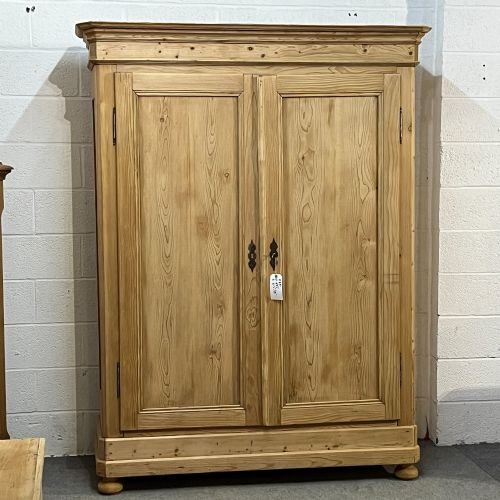
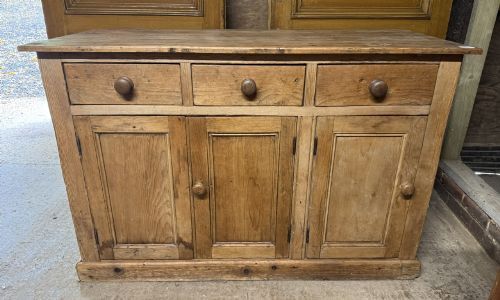
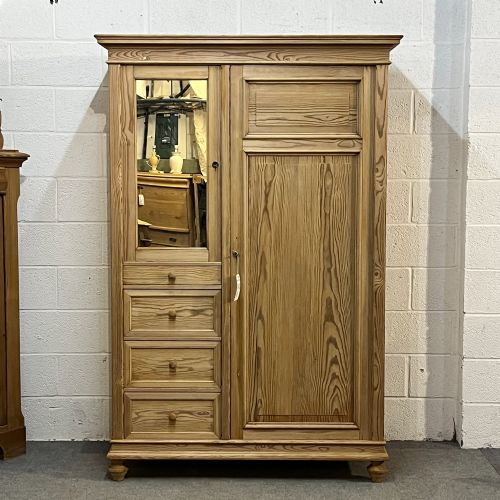
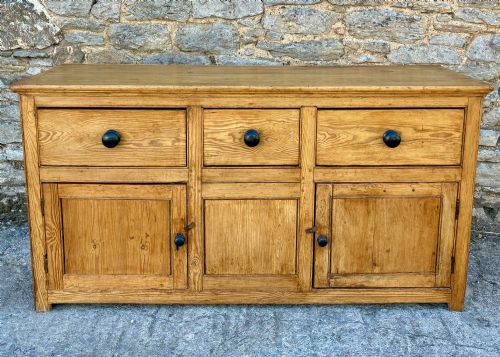
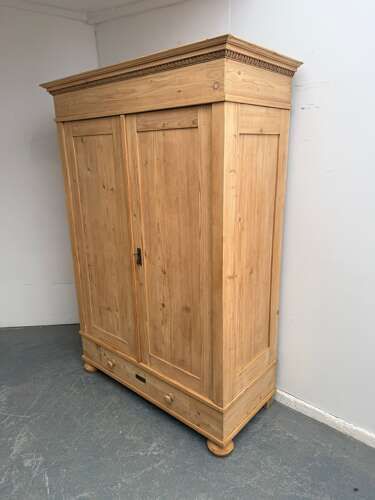
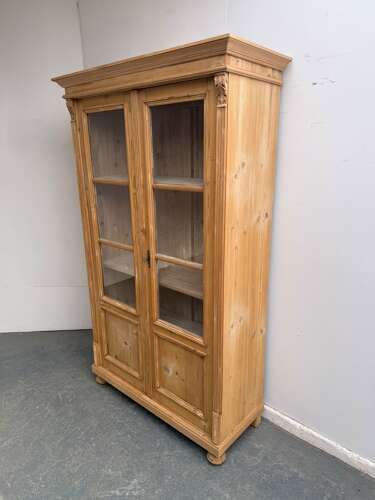
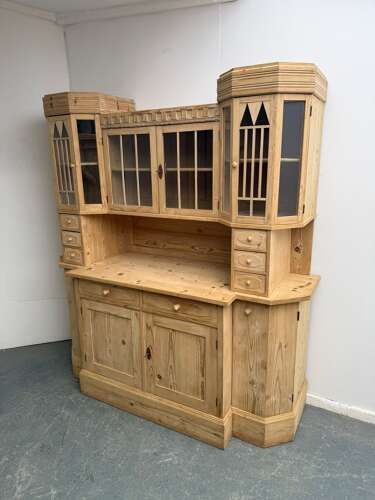
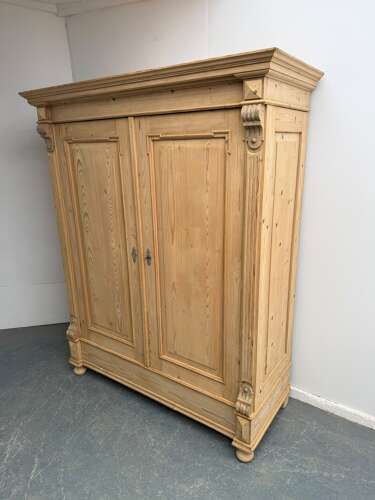
Traditional Pine Cupboard
A traditional pine cupboard brings practical storage and honest country character into a room, offering sturdy shelving and a warm, grained surface.
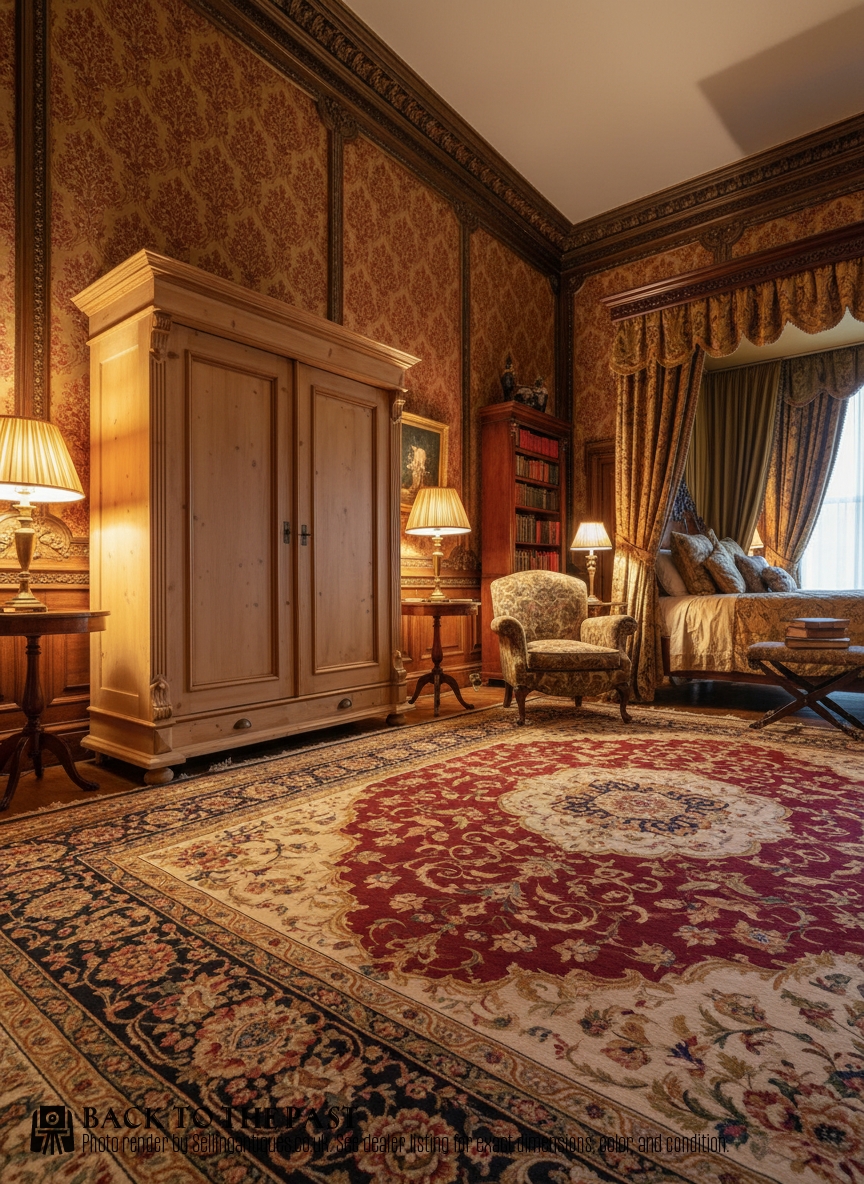
Traditional Pine Cupboard
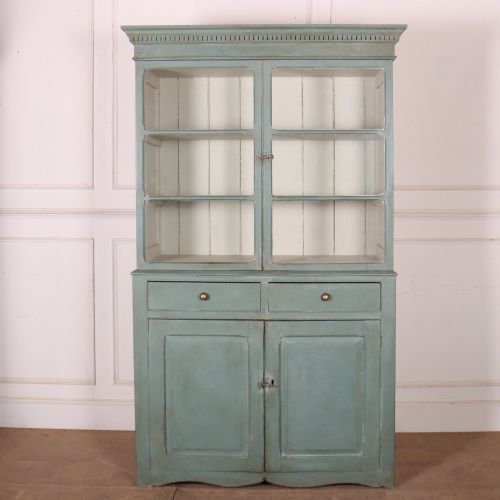
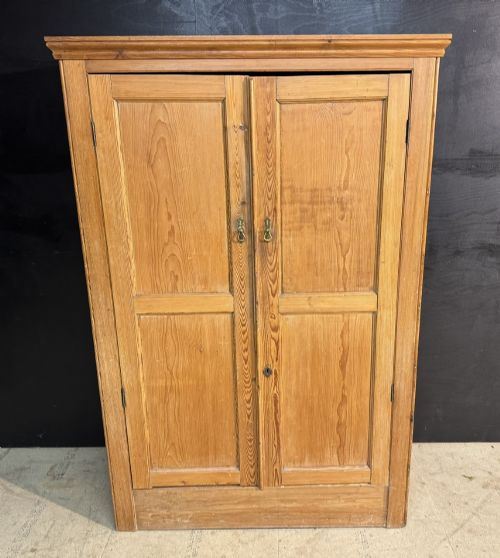
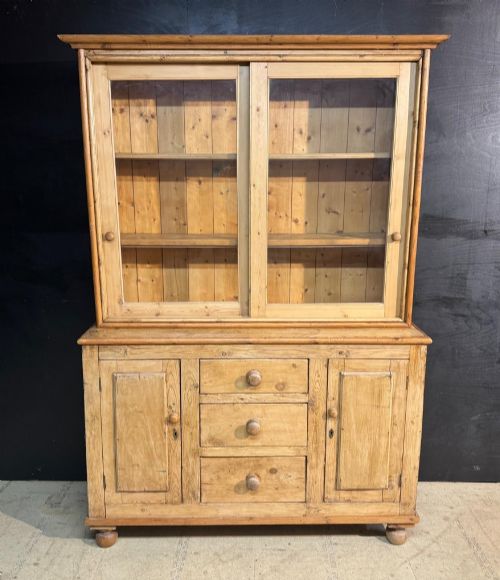
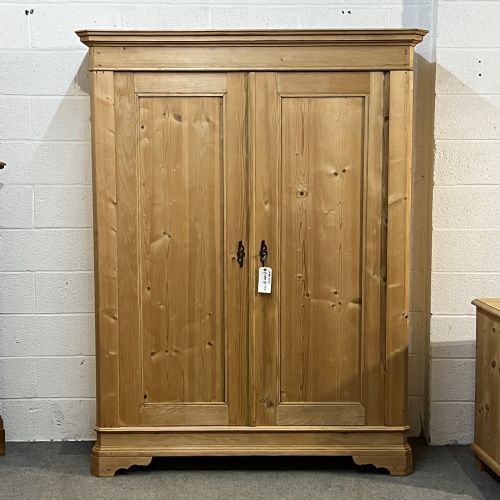
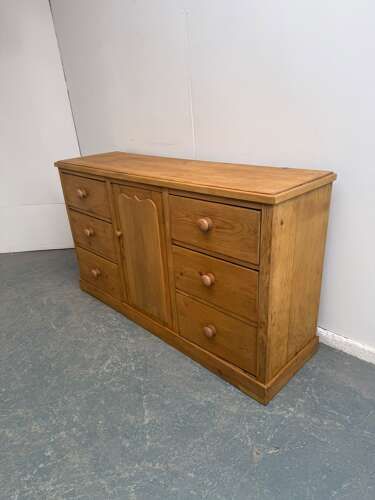
A traditional pine cupboard encompasses a diverse range of utilitarian furniture designed for domestic storage, spanning kitchen dressers, larder cabinets, housekeeping cupboards, and wardrobe variants. These pieces originate primarily from the Victorian and Georgian eras, alongside examples from the early twentieth century, reflecting practical domestic needs across regions such as England, Wales, France, and Japan.
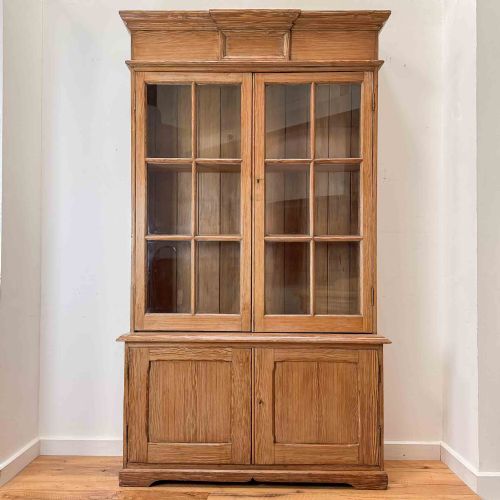
Buyers browsing this selection will most frequently encounter nineteenth-century and Victorian pieces, including dresser bases, two-door storage cupboards, and glazed kitchen cabinets. Many items exhibit regional vernacular traits, such as Cornish dressers or Welsh formats, often constructed with practical knockdown mechanisms or fitted interior shelving for everyday household use.
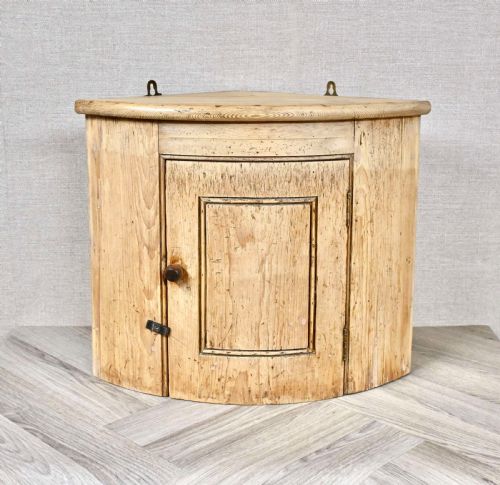
The functional intent behind these items dictates their varied proportions, ranging from shallow vented kitchen cupboards and corner cabinets to massive double wardrobes and school cupboards. Whether left in original paint, scumble finishes, or waxed to highlight the timber grain, each piece serves as a direct survival of domestic utility from past centuries.
Materials and Technique
Construction relies heavily on solid pine and pitch pine, supplemented by functional hardware forged from iron, brass, and general metalwork alongside glazed doors. Joinery techniques prioritize utilitarian strength, utilising sturdy paneling, pegged joints, and dovetailed drawers capable of enduring heavy daily use in kitchens and larders.
Surface treatments vary significantly between items, incorporating original paint, scumble painted finishes, or waxed and stripped surfaces designed for future finishing. Glass panels feature in glazed bookcase cabinets and display units, while specialised ventilation vents appear on specific kitchen and larder variations for food storage.
The listings span Victorian, Georgian, and early twentieth-century periods, utilising pine, oak, iron, and glass across various regional styles.
Evaluating Quality
Quality in these utility pieces rests upon the integrity of the original construction, the thickness and selection of the pine timber, and the survival of uncompromised proportions. Pieces that retain their original backboards, period hardware, and functional locking mechanisms command greater appreciation among traditional furniture enthusiasts.
The condition and history of the surface finish heavily influence the character of each piece, distinguishing items with untouched original paint or scumble work from those subjected to modern alterations. Fine proportions, such as well-balanced door panels, elegant cornicing, and unaltered interior shelving, separate standard utility items from more refined regional examples.
The Traditional Pine Cupboard Glossary
- Knockdown
- Furniture designed to be easily disassembled and reassembled using pegged or bolted joints rather than permanent glue. This technique originally facilitated transport up narrow staircases or between properties.
- Scumble painted
- A decorative painting technique where a translucent top layer of glaze is manipulated over a lighter base coat to imitate the grain of more expensive hardwoods. It was frequently applied to pine to elevate its visual appeal.
- Compactum
- A multi-functional wardrobe combining hanging space with internal drawers, shelving, and sometimes compartments. This format maximised storage efficiency in nineteenth-century bedrooms.
- Dresser base
- The lower section of a kitchen dresser featuring cupboards and drawers without the plate rack superstructure. These versatile units functioned as independent sideboards or preparation surfaces.
Traditional Pine Cupboard: Frequently Asked Questions
What is a larder cupboard?
A larder cupboard is a tall storage unit historically used for food preservation and provisions before mechanical refrigeration became common. These pieces often feature ventilated panels or internal shelving arranged to maintain airflow.
In modern homes, they function exceptionally well as pantry storage in kitchens or utility rooms, keeping dry goods and kitchenware organised behind closed doors.
How do I care for waxed pine?
Waxed pine surfaces require regular dusting with a soft, dry cloth and occasional applications of a quality beeswax to nourish the timber. Avoid placing these pieces near direct heat sources or strong sunlight, which can dry out the wood and cause splitting.
Applying fresh wax periodically helps maintain the soft sheen and protects the grain from moisture and everyday handling marks.
Are these cupboards easy to move?
Many period cupboards, particularly Victorian wardrobes and large dressers, were constructed with knockdown designs to allow for dismantling during transport. This historical feature makes moving large pieces through doorways significantly easier today.
Buyers should check individual listings to confirm whether a specific cabinet is built as a single rigid unit or disassembles into sections.
What is the difference between pitch pine and standard pine?
Pitch pine is a denser, more resinous softwood derived from specific pine species, known for its distinct, pronounced grain pattern and superior durability. It was frequently utilised for high-traffic or hardworking furniture where extra strength was required.
Standard pine offers a lighter weight and a softer grain texture, making it the primary choice for painted or waxed domestic cupboards throughout the nineteenth century.