
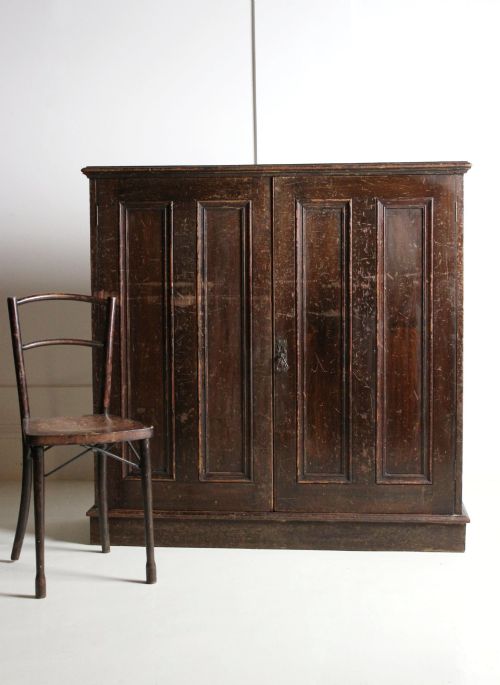
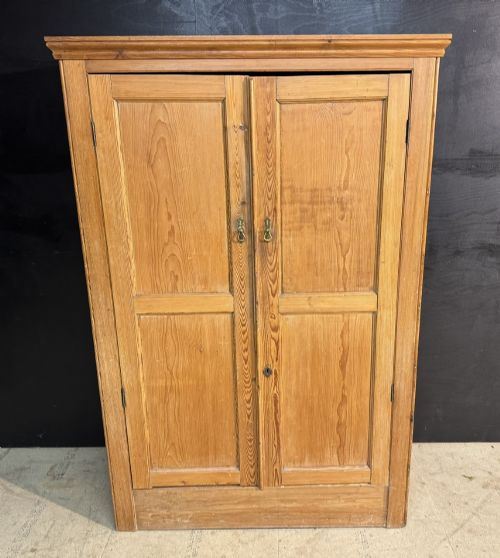
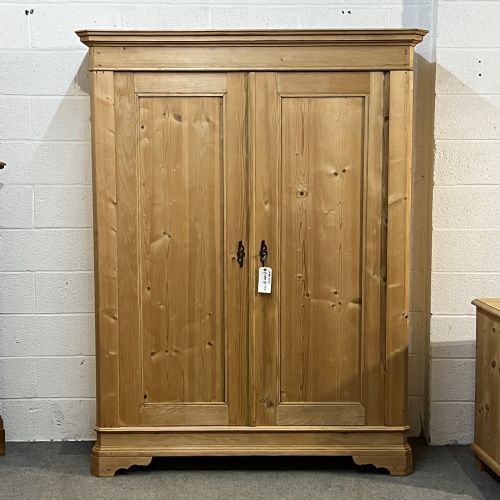
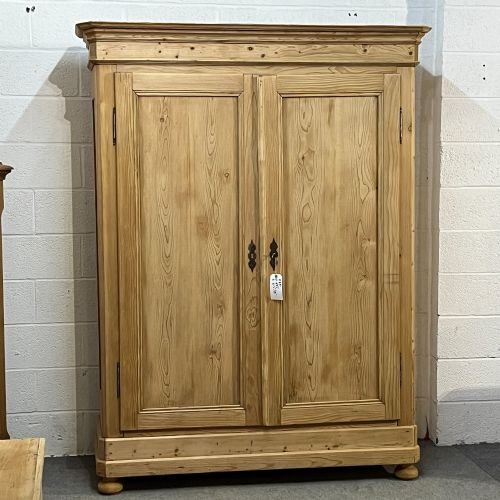
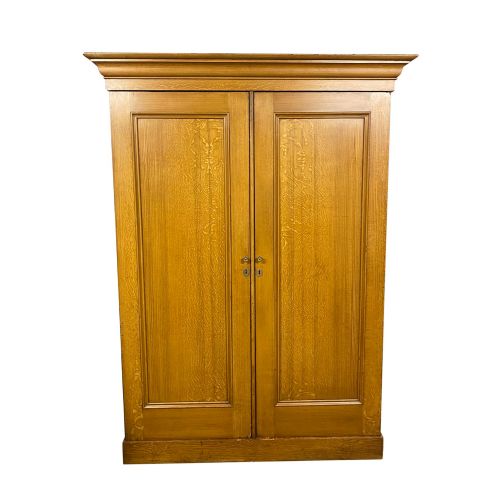
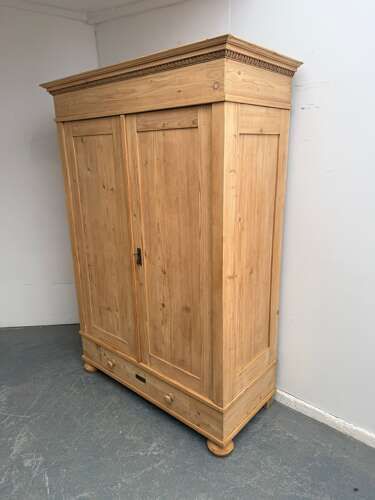
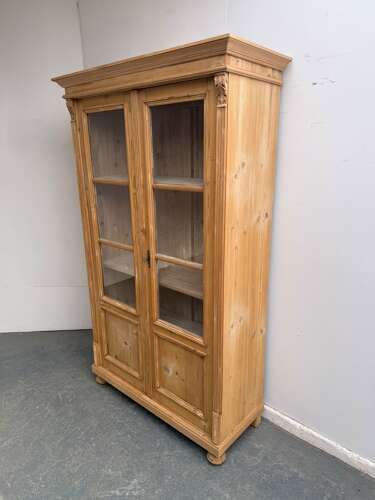
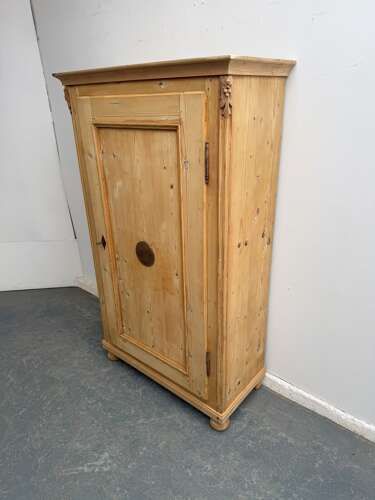
Pine Armoire Cupboard
A pine armoire cupboard offers generous storage through utilitarian charm, bringing tactile warmth and vernacular character to bedrooms and kitchens alike.
Pine Armoire Cupboard
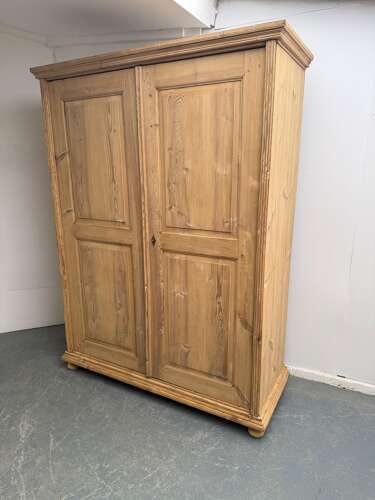
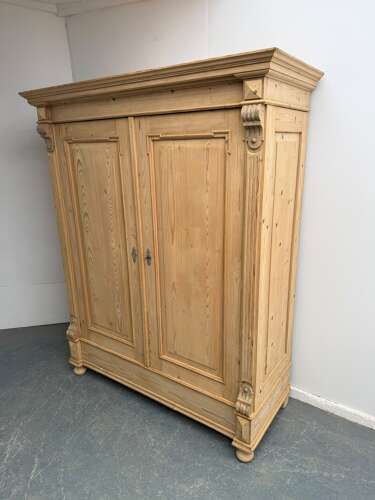
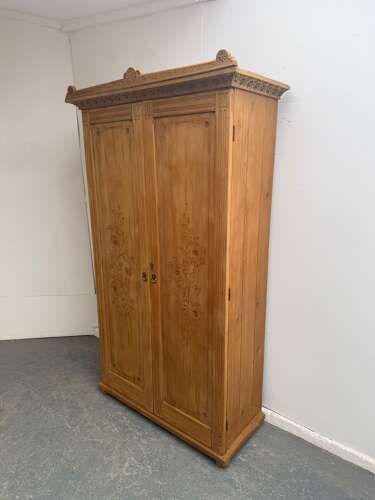
When searching for a pine armoire cupboard, buyers encounter large storage items spanning wardrobes, linen presses, housekeepers' cupboards, and larder units. The selection relies heavily on 19th-century and Victorian examples, alongside Georgian, 1900, 1910, 1880, 1850, and 1930s variants.
French provincial and French country armoires appear frequently alongside British farmhouse iterations and Irish vernacular presses. Many of these pieces are knockdown designs intended for easy transport between rooms, featuring modular carcasses that dismantle into manageable parts.
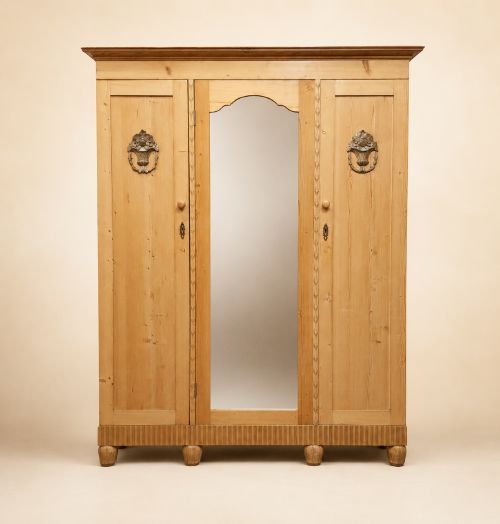
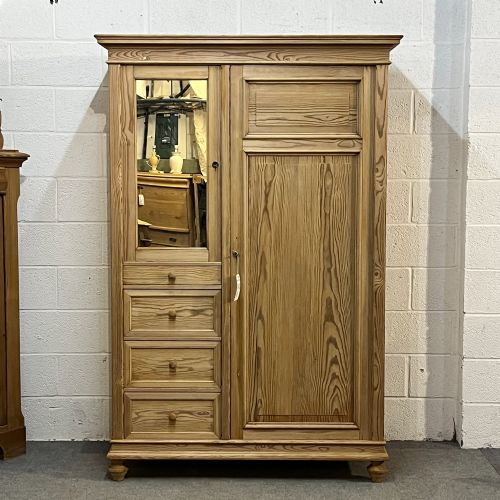
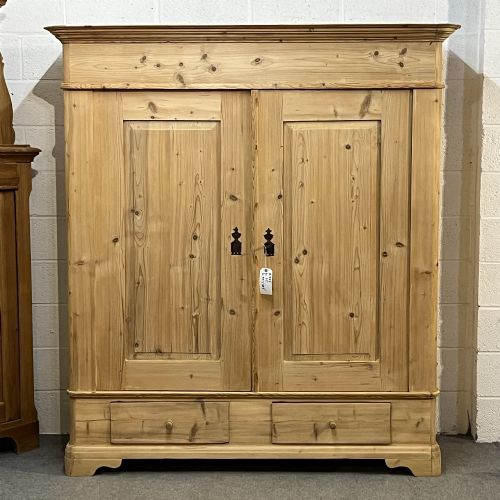
The forms range from compact single-door cupboards and low cottage wardrobes to massive double and triple door configurations. Specialised variations include mirrored compactum wardrobes with drawers, chapel cupboards, and shelved pantry units.
How they were made
Construction relies primarily on pine, pitch pine, and waxed pine timbers, assembled using traditional joinery methods that often permit knockdown dismantling. Iron and brass hardware such as hinges, handles, and locks secure the heavy doors.
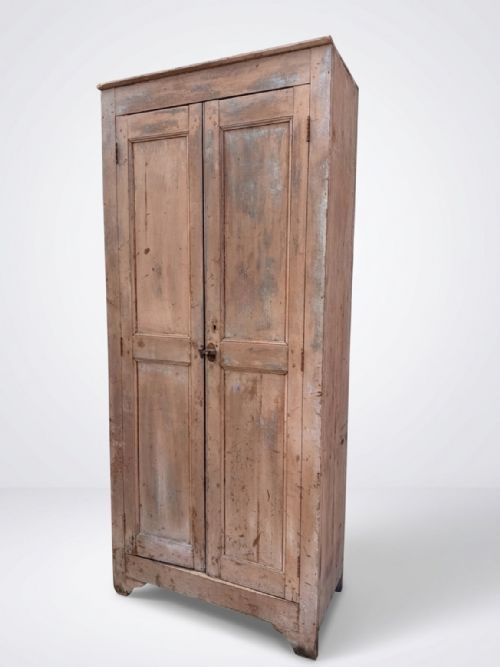
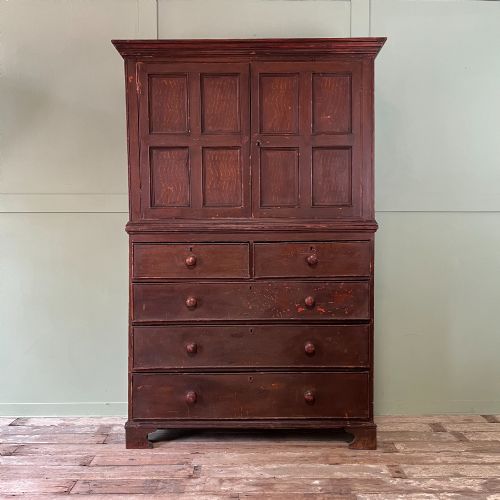
Surface treatments vary significantly from raw timber prepared for wax or paint to original painted finishes. These include scumble faux oak paintwork and historical painted layers of pigment that preserve the tactile grain of the softwood beneath.
Object forms range from French provincial housekeepers cupboards and larder units to massive knockdown wardrobes with interior drawers.
What varies in quality
Quality separates in the integrity of the original construction and the preservation of surface finishes, such as intact scumble paintwork or untouched historical pigment. Superior examples retain their original knockdown mechanisms, operational ironwork, and well-fitted panel doors without excessive timber warping.
The Pine Armoire Cupboard Glossary
- Armoire
- A large freestanding cupboard or wardrobe with doors enclosing shelving or hanging space. Originally French, the term frequently describes substantial European storage furniture.
- Compactum
- A multi-functional wardrobe that combines hanging compartments with internal drawers and shelving. This form maximises storage efficiency within a single footprint.
- Knockdown
- Furniture constructed to be easily dismantled into separate panels and sections for transport and reassembly. This technique was particularly common for large Victorian wardrobes.
- Scumble
- A decorative painting technique used to simulate the grain of more expensive hardwoods like oak over a pine base. Surviving original scumble work is prized by collectors.
- Linen Press
- A tall storage cupboard originally designed for storing folded linens, typically featuring sliding trays or shelves in the upper section and drawers below.
Pine Armoire Cupboard: Frequently Asked Questions
How do I assemble a knockdown pine wardrobe?
Knockdown wardrobes dismantle into separate panels, cornices, bases, and doors to facilitate transport through narrow doorways. They typically slot or bolt together using internal wooden pegs, wedges, or metal fixings.
Reassembly requires a level surface and careful alignment of the main uprights before securing the top crown and base. Having two people simplifies the process of interlocking the heavy pine sections safely.
What is the difference between an armoire and a compactum?
An armoire generally provides open hanging space or deep shelving enclosed by one or two large doors. They focus on voluminous storage for garments or household linens.
Compactums integrate multiple functions into one cabinet by combining hanging sections with banks of internal drawers and smaller compartments. This layout suits rooms lacking space for separate chests of drawers.
How do I date a 19th-century pine cupboard?
Dating relies on examining construction markers, hardware types, and overall stylistic vernacular. Hand-sawn boards, early wrought iron hinges, and square-headed nails generally point towards earlier Georgian or early 19th-century origins.
Later Victorian and 1900s pieces often incorporate machine-sawn timber, standardised brass fittings, and more elaborate moulded panels. French provincial and Arts and Crafts examples display regional stylistic traits specific to their production era.