



Rustic Pine Dresser Base
A rustic pine dresser base provides practical storage and working surface, anchoring a country interior with honest utility and character.
Rustic Pine Dresser Base
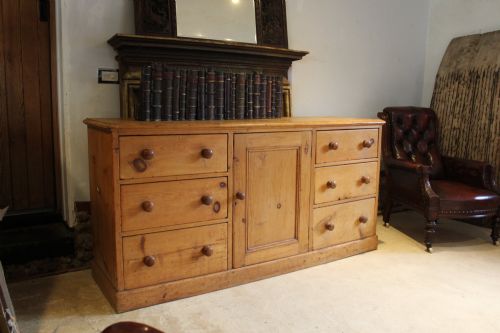
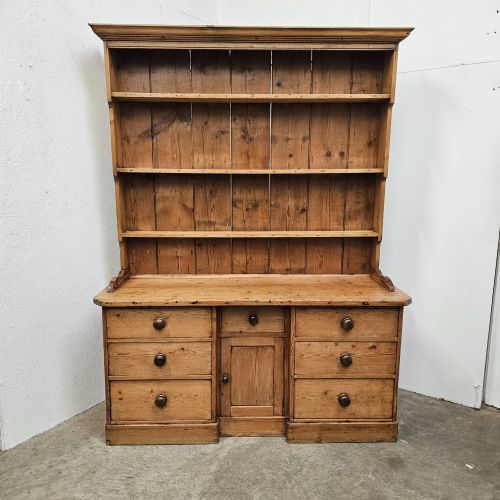
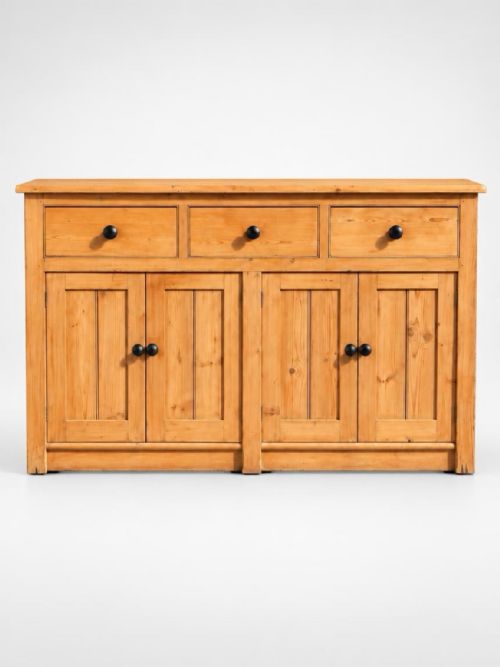
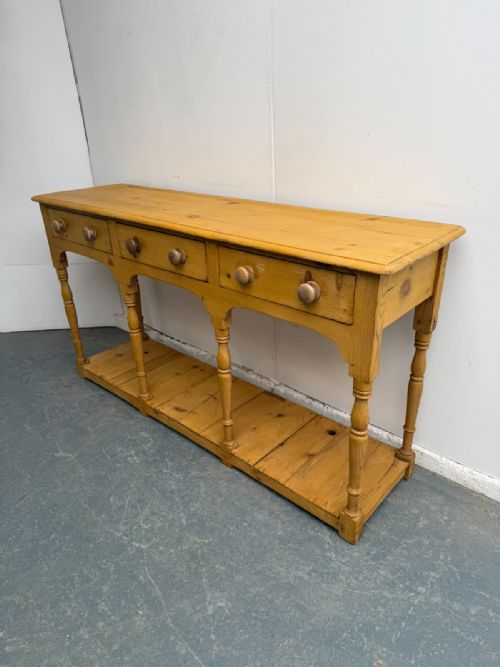
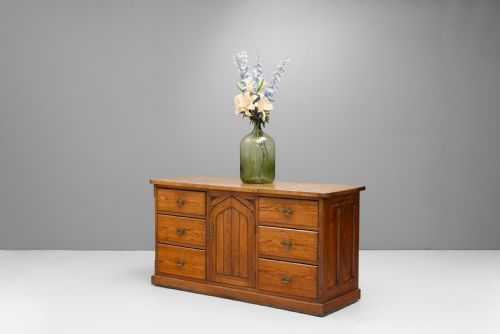
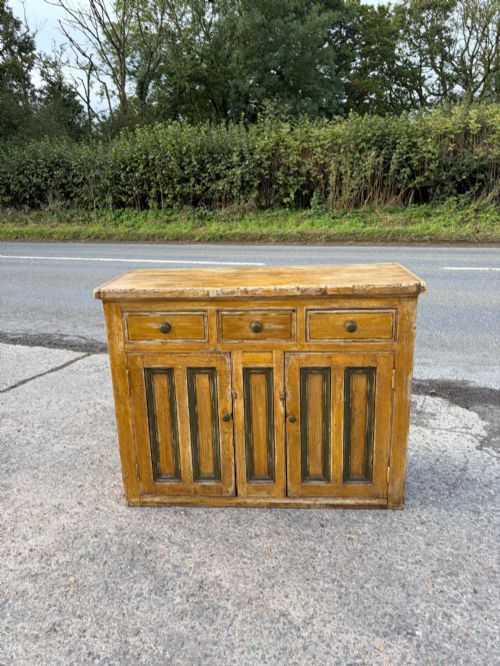
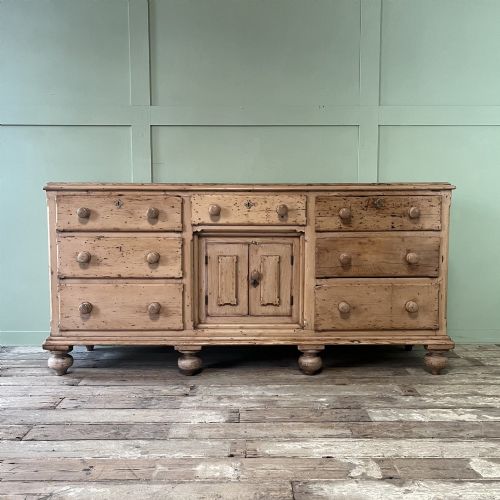
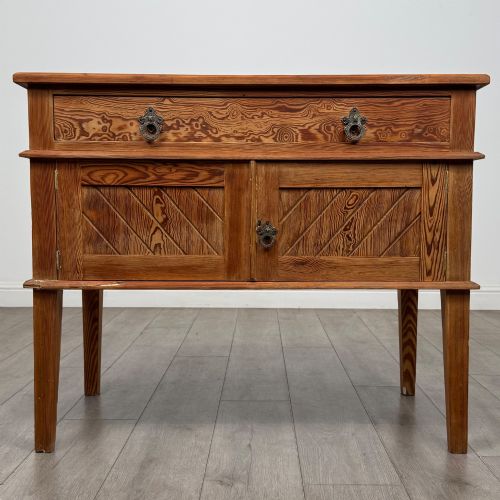
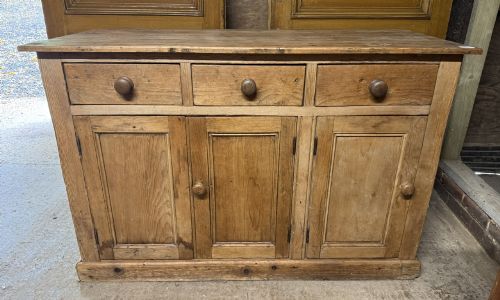
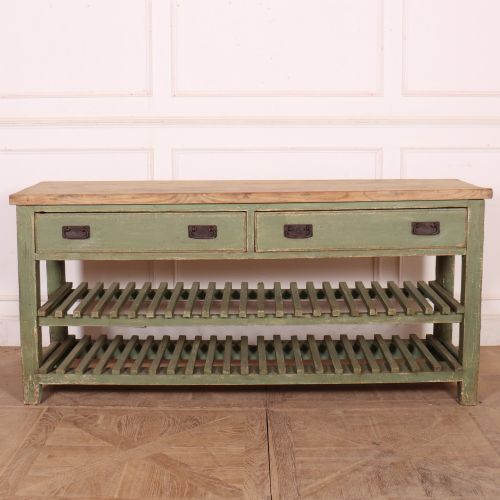
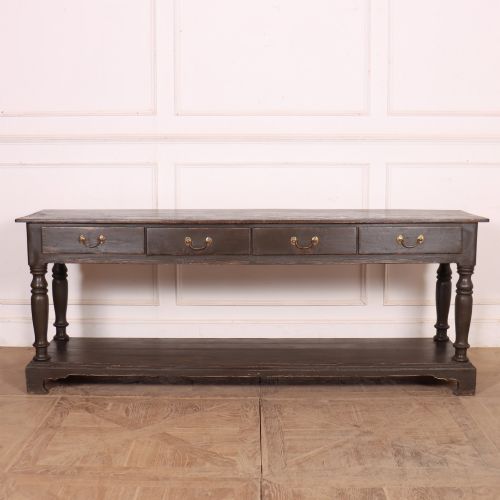
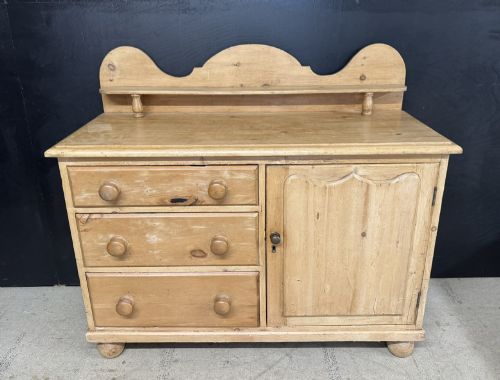
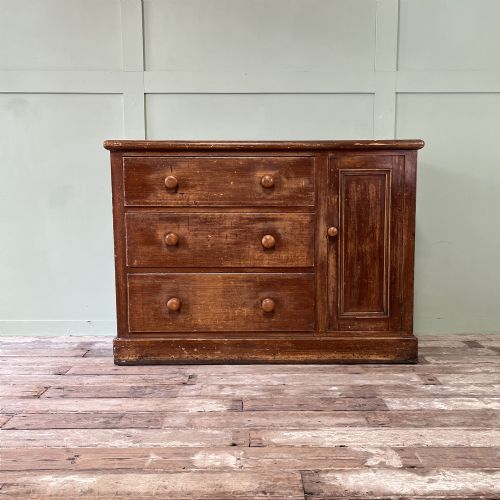
A rustic pine dresser base is a heavy utilitarian furniture piece designed for food preparation and storage in kitchens and sculleries. These items typically feature a combination of deep drawers and lower cupboards, sometimes incorporating an open potboard shelf below.
The versions most commonly met on this page date from the nineteenth century, including Victorian examples alongside earlier Georgian and later Edwardian variants. Regional variations span English, Welsh, Scottish, French, Hungarian and Scandinavian origins.
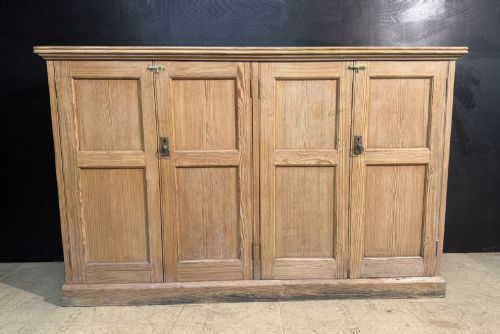
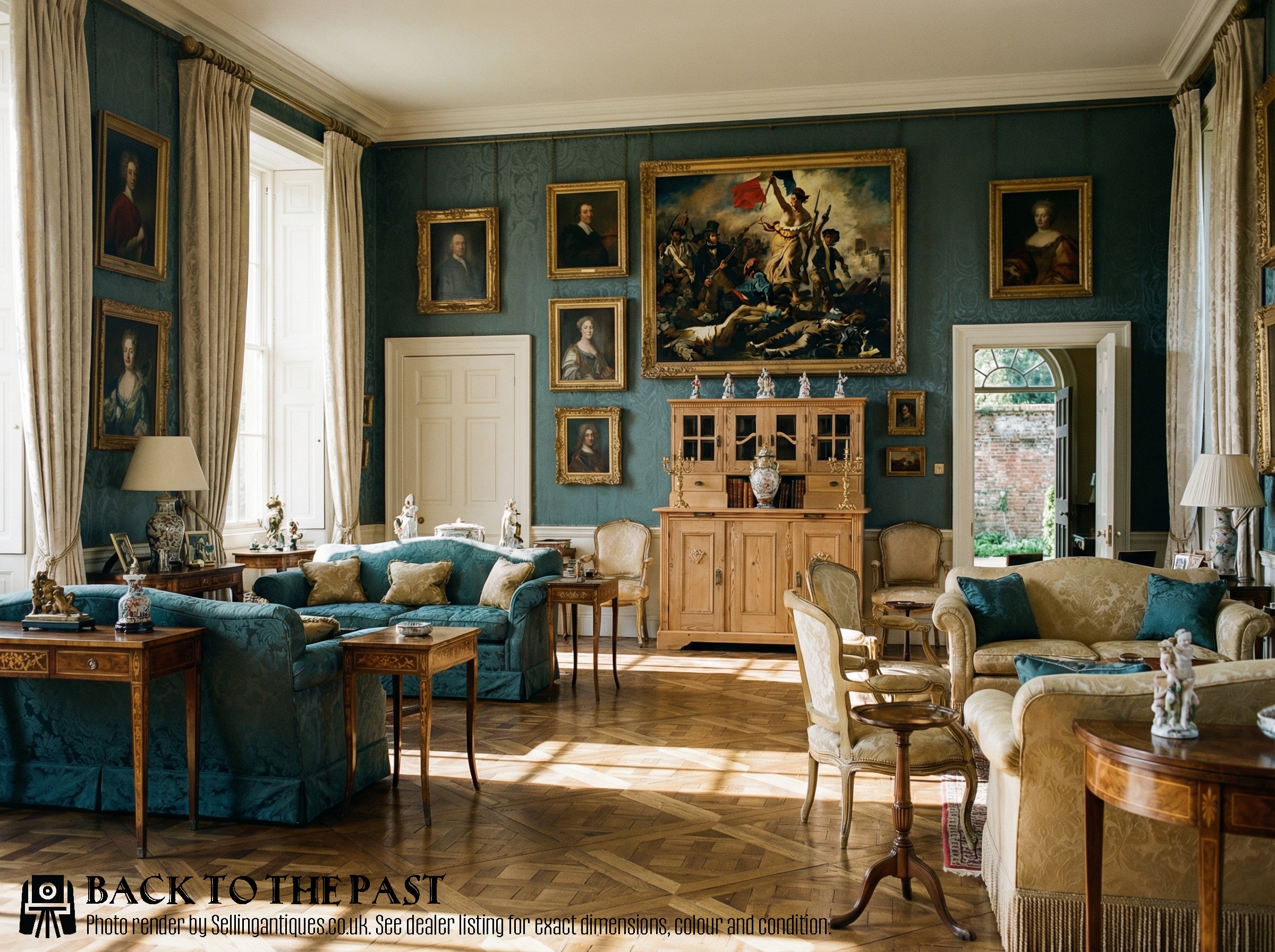
Beyond standard kitchen dressers, related forms appearing here include sideboards, housekeepers cupboards, serving tables and potboard bases. Their honest domestic function makes them well suited to contemporary country kitchens and dining spaces.
What varies in quality
Quality in a rustic pine dresser base depends on the integrity of the original timber and the survival of authentic surface finishes, whether early wax or genuine paint. Superior examples retain their original backboards, drawer linings and robust structural proportions without excessive timber replacement.
Finer pieces display considered regional proportions, such as shaped bases or potboards, alongside well-executed vernacular joinery. The balance between utilitarian utility and decorative carved or painted detail also elevates the standing of individual examples.
Rustic Pine Dresser Base Retail Price Guide 2026
Typical asking prices for rustic pine dresser base among the pieces listed under this phrase on Sellingantiques today, from the lower quarter to the upper quarter. They describe what is for sale here now, not the wider market.
Listings span the eighteenth, nineteenth and early twentieth centuries, featuring British, French, Hungarian and Scandinavian pieces in pine and painted wood.
The Rustic Pine Dresser Base Glossary
- Potboard
- An open lower shelf fitted beneath a dresser base designed for storing heavy pots and pans. This traditional feature allows quick access to large cookware in busy kitchens.
- Pitch pine
- A dense, resinous softwood timber utilised for its durability and distinctive grain pattern. It often appears in nineteenth-century utilitarian furniture requiring extra strength.
- Dog kennel dresser
- A specific form of dresser base featuring a central open recess flanked by cupboards or drawers. The low central space historically accommodated hunting dogs or loose storage.
- Housekeepers cupboard
- A large storage cabinet traditionally used for linens, dry goods and domestic provisions. These pieces provide substantial enclosed shelving within deep carcases.
Rustic Pine Dresser Base: Frequently Asked Questions
What is a rustic pine dresser base used for?
These sturdy pieces serve as practical kitchen islands, sideboards or storage consoles in modern and traditional homes alike. Their combination of drawers and cupboards offers versatile storage for tableware, linens and kitchen equipment.
The flat top surface additionally provides ample workspace or a display area for ceramics and decorative objects, bringing both utility and rustic character to a room.
How do I date a nineteenth-century pine dresser?
Dating relies on examining construction techniques, timber selection, hardware and overall design proportions. Hand-cut dovetails, original backboards and specific regional characteristics help narrow the period of manufacture.
Surface treatments also provide clues, as surviving original paint layers or early wax patination indicate the age and history of the piece.
Are these dresser bases supplied waxed or painted?
Listings feature items in various states, including traditionally waxed pine, pieces retaining original historical paint finishes, and examples prepared for custom finishing. Many nineteenth-century items show the natural grain under a clear wax coating.
Other pieces retain their original painted surfaces from English, French, Hungarian or Scandinavian workshops, showing authentic wear built up over generations of use.
How do regional styles differ?
Regional variations stem from the local traditions of British, European and Scandinavian workshops. Welsh and Scottish examples often incorporate distinctive potboard bases or specific drawer arrangements.
Continental pieces from France or Hungary frequently showcase unique painted finishes, carved floral details, or proportions tailored to local domestic architecture.