
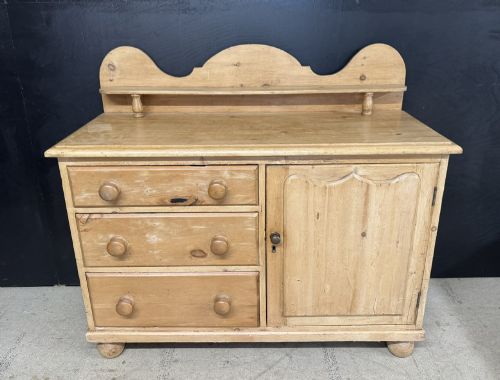
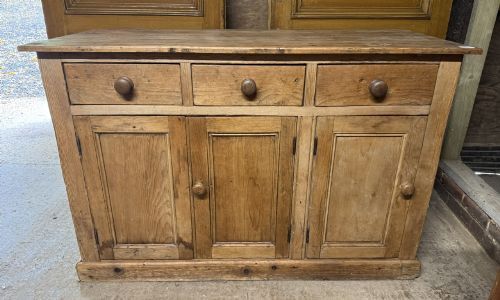
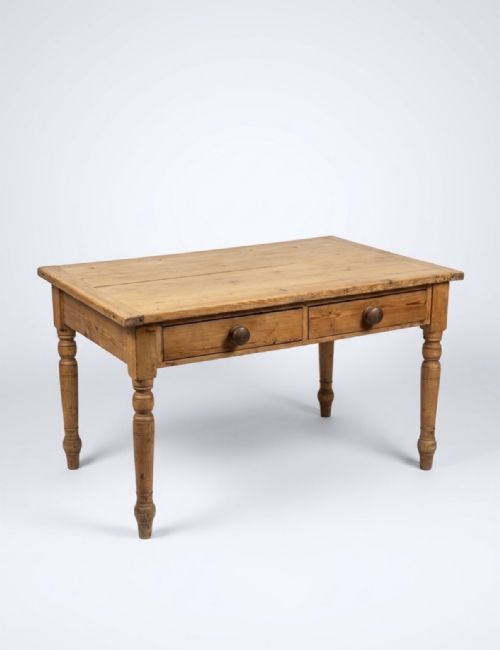
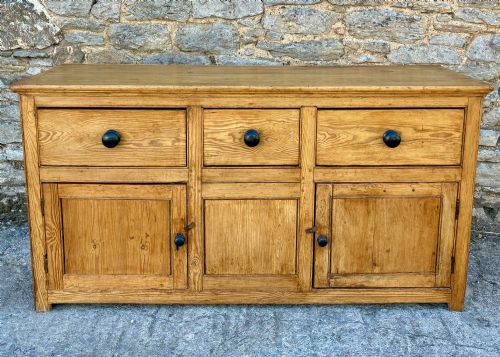

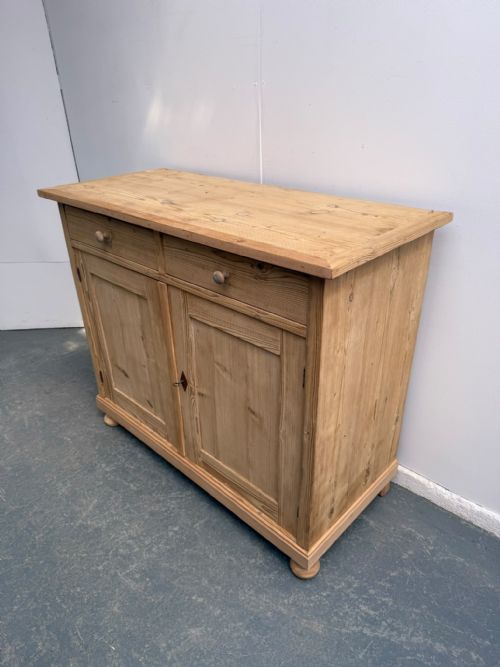
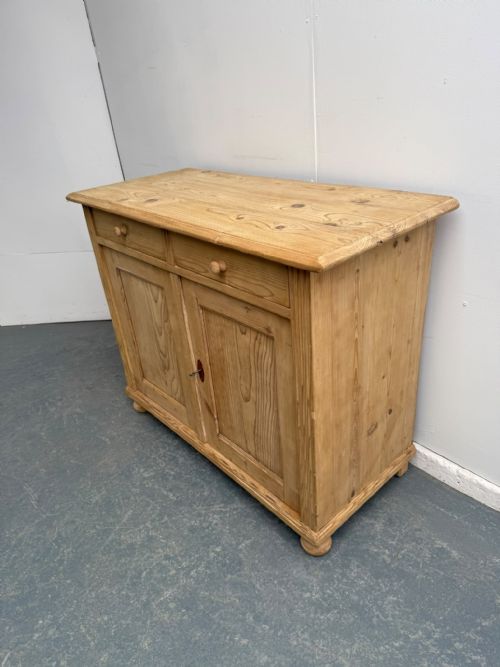
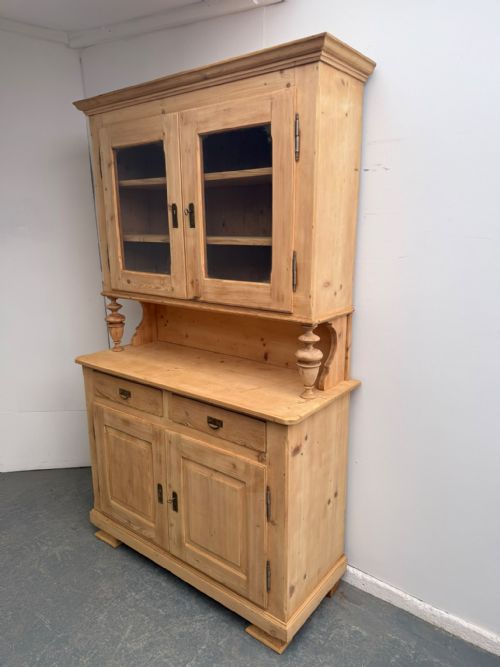
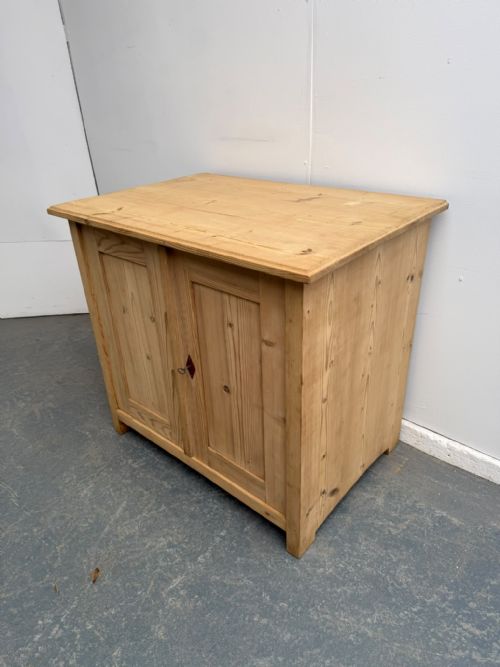
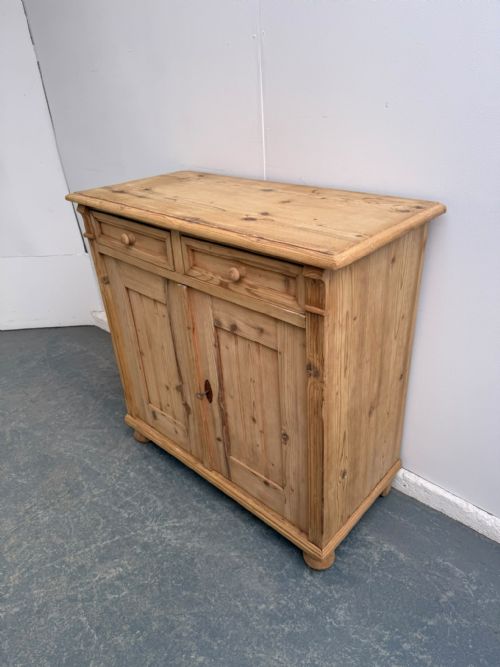
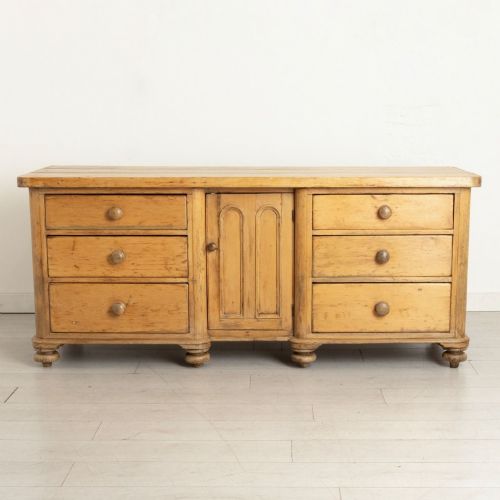
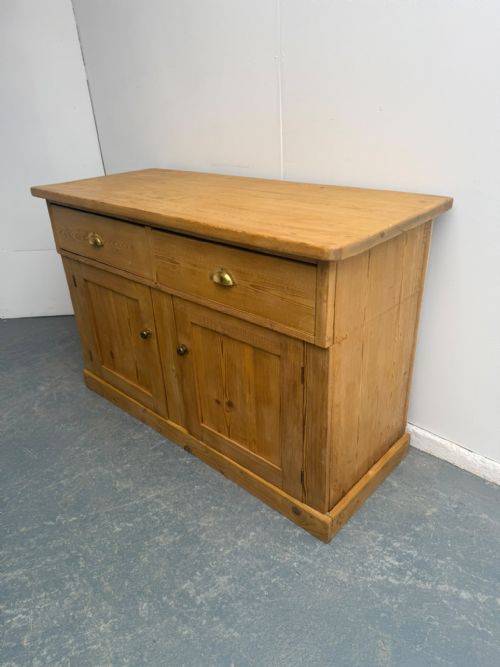
Victorian Pine Buffet
A victorian pine buffet brings honest nineteenth-century utility and warm timber grain to any interior.
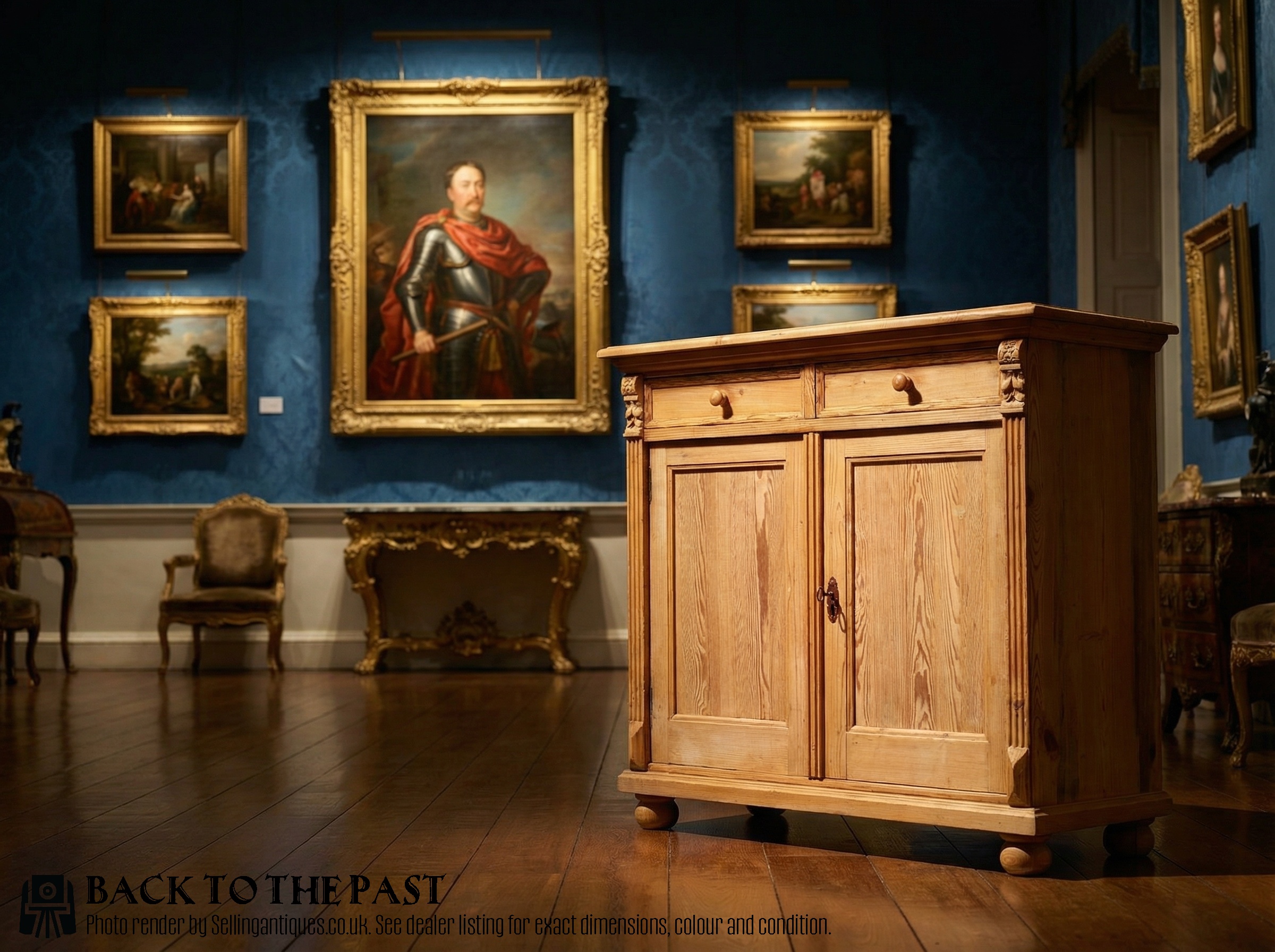
Victorian Pine Buffet
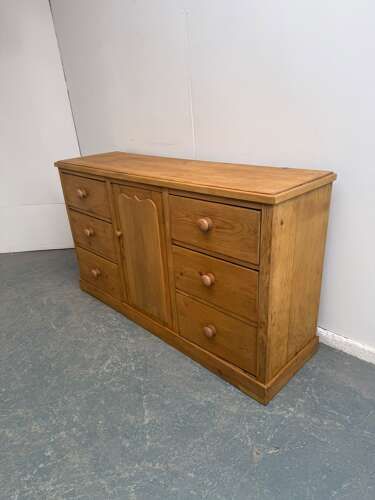
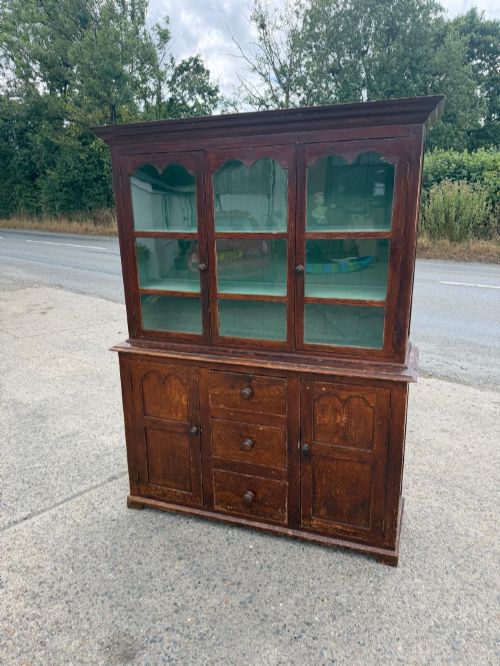
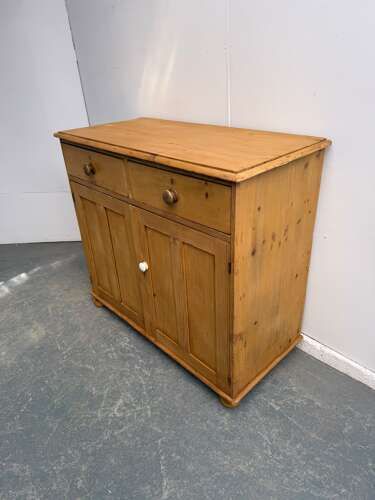
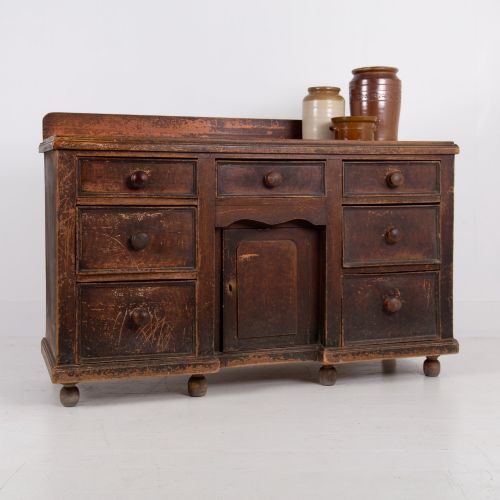
The versions most common in these listings include two-door and two-drawer kitchen dresser bases, low storage cupboards, and occasional painted school or dairy cabinets. They range from compact hallway units to monumental country house proportions with pot shelves and bread slides.
While primarily associated with the Victorian era, related forms span the nineteenth century, occasionally reaching back towards the Regency period or forward into rustic farmhouse styles. Each variant displays the straightforward construction typical of hardworking rural furniture.
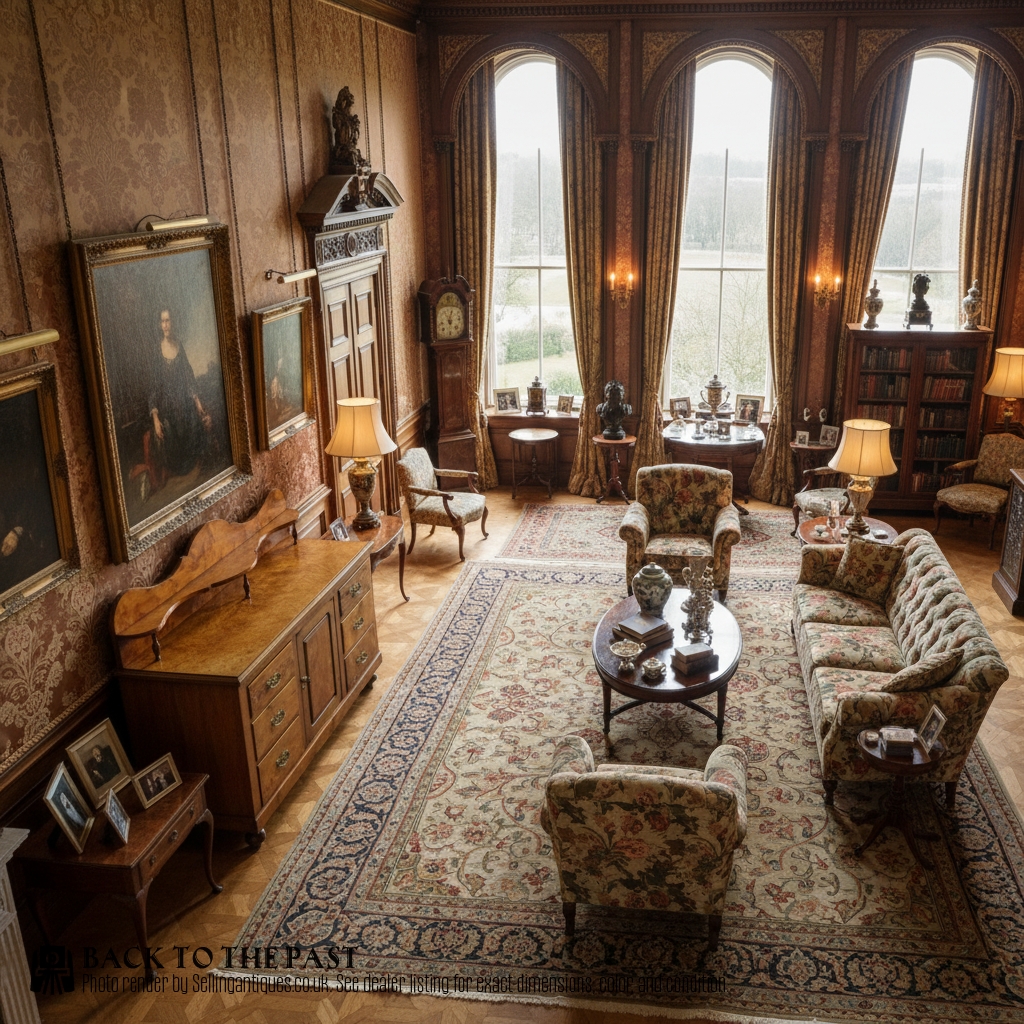
Materials and construction methods
These pieces are built predominantly from solid pine, sometimes complemented by pitch pine or secondary hardwoods, and frequently assembled with traditional tongue-and-groove or dovetailed joints. Metal components such as brass or iron handles and hinges appear alongside ceramic knobs.
What separates examples in quality
Quality in these pieces depends heavily on the integrity of the original timber and the restraint of subsequent restoration. Untouched surfaces retain a depth of character and honest patination that heavy sanding or modern chemical stripping tends to erase.
Proportion and regional joinery also distinguish better examples, where drawers run smoothly and structural timbers remain entirely sound. Finer pieces display thoughtful detailing like original hardware, bread slides, or intact historic paint rather than hasty modern alterations.
The Victorian Pine Buffet Glossary
- Dresser base
- The lower section of a traditional kitchen dresser, functioning as a standalone sideboard or cabinet with drawers and cupboards.
- Pot shelf
- An open lower tier built beneath a sideboard or dresser base specifically for storing heavy pots and culinary utensils.
- Bread slide
- A pull-out wooden shelf integrated into the cabinetry, historically used for cooling bread or food preparation.
- Pitch pine
- A dense, resinous variety of pine timber known for its strong grain pattern and durability, often used in nineteenth-century joinery.
- Original paint
- Historic surface coatings applied when the piece was first made, prized by collectors for authenticity and colour depth.
Victorian Pine Buffet: Frequently Asked Questions
How were these buffets used originally?
These pieces served as heavy-duty workhorses in country kitchens, sculleries, and dining rooms for storing tableware, linens, and provisions.
Their sturdy tops provided extra space for food preparation and serving meals before fitted kitchen cabinetry became common.
How should I care for waxed pine?
Maintain waxed surfaces by dusting regularly with a dry cloth and applying a quality beeswax sparingly once or twice a year to nourish the timber.
Keep these items away from direct heat sources and strong sunlight to prevent the pine from drying out or splitting.
How do I spot original paint?
Original paint shows natural wear, craquelure, and subtle variations in tone that develop slowly over generations of domestic use.
Inspect corners and hidden recesses for accumulated layers and consistency matching the nineteenth-century period.
What is the difference between stripped and painted pine?
Stripped pine has had its surface coatings removed to expose the golden or honey-coloured timber grain underneath.
Painted pine retains its historic colour layer, offering a bolder visual texture that reflects regional country house decorating traditions.