



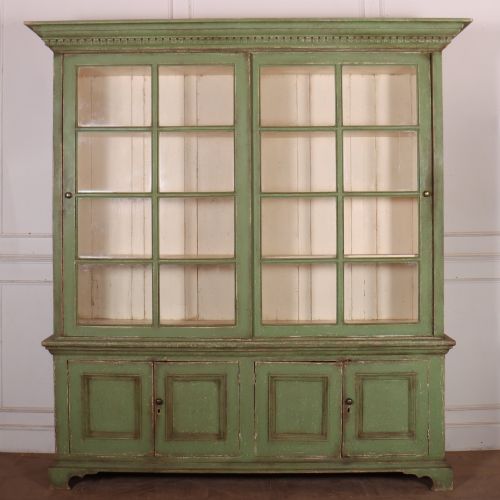
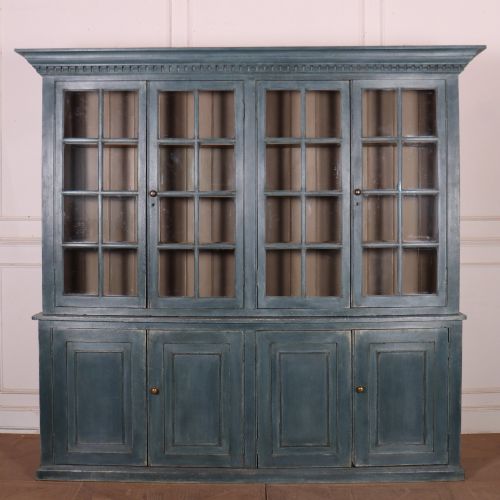
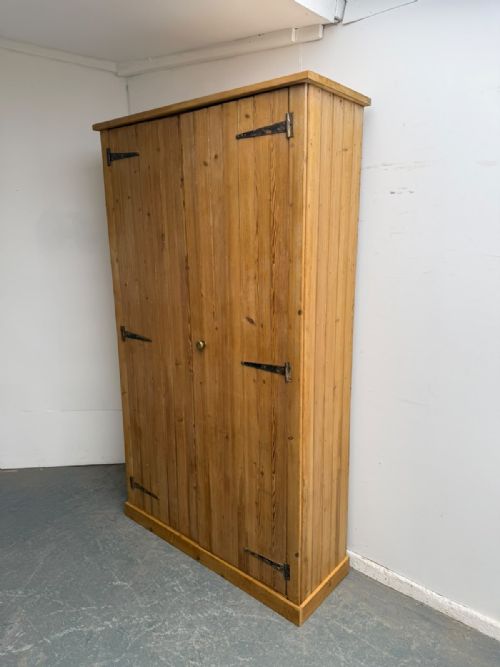
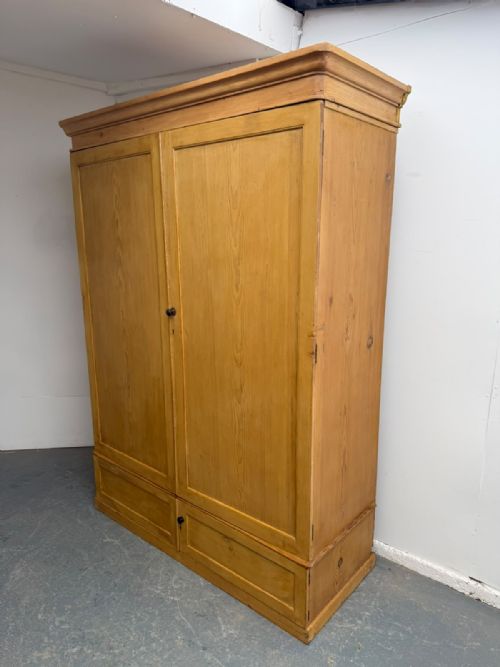



Pine Kitchen Cabinet
A pine kitchen cabinet brings honest utility and enduring warmth to domestic spaces through generations of domestic service.
Pine Kitchen Cabinet
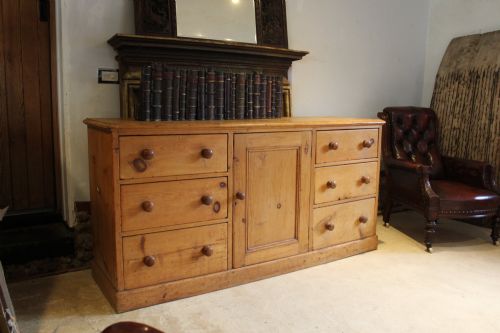
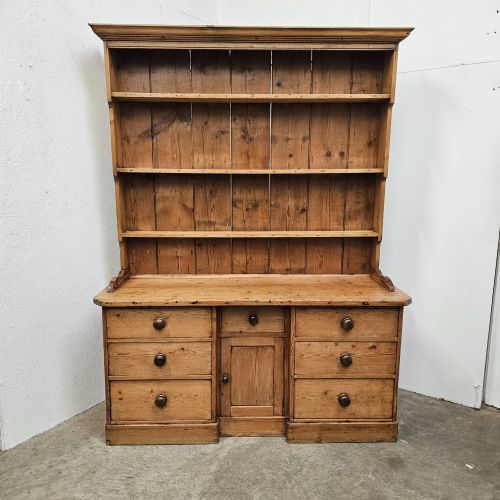
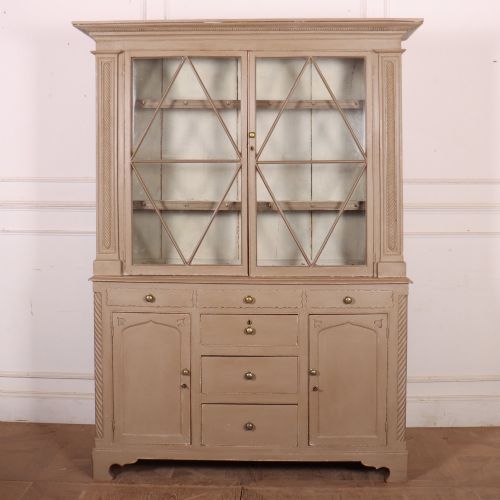
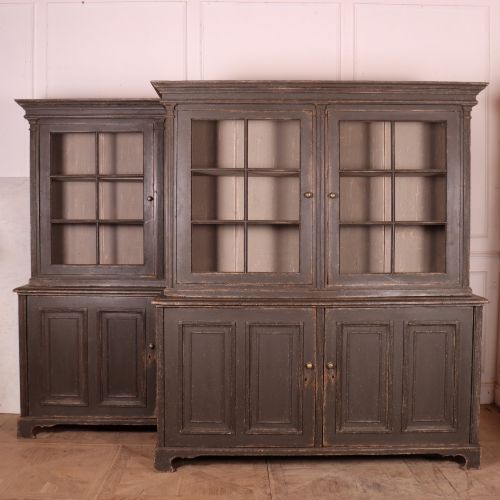
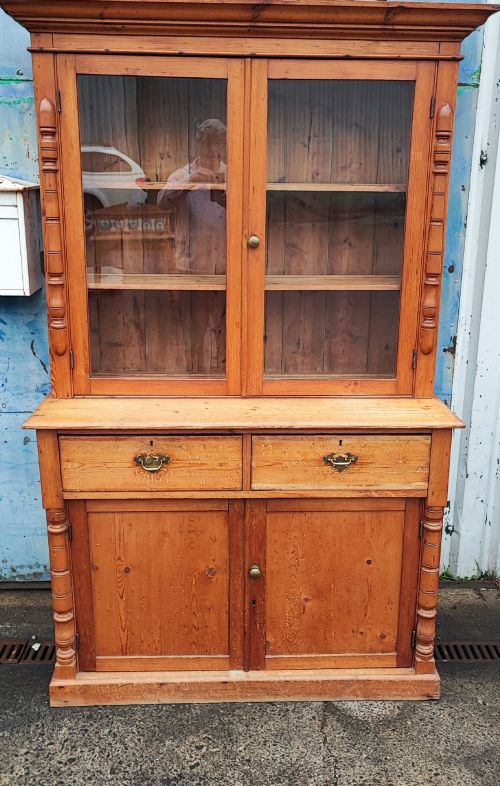
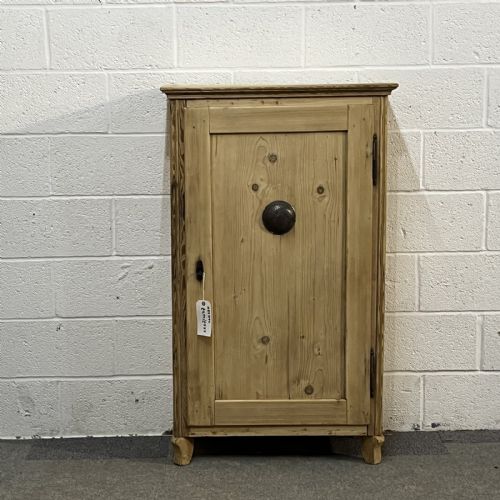
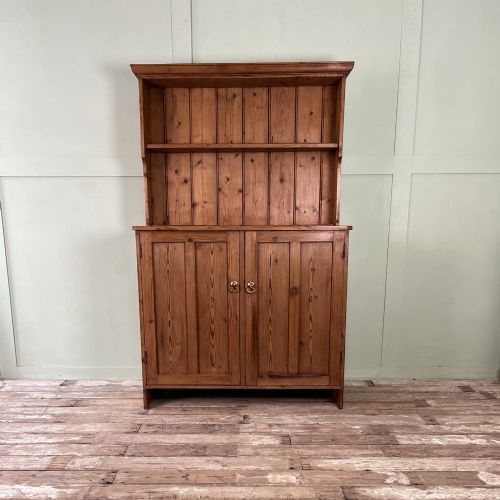
A pine kitchen cabinet encompasses functional storage furniture built from softwoods to serve food preparation and pantry needs in domestic settings. These pieces range from substantial two-part dressers with open display racks to narrow larder cupboards and glazed wall units designed for everyday culinary life.
The versions most frequently encountered originate from the Victorian era and the nineteenth century, reflecting regional vernacular traditions across Britain and France. Examples appear in various regional guises such as Welsh vernacular dressers, Cornish storage units, and rustic farmhouse sideboards.
Makers constructed these cabinets for hard work in farmhouses, country houses, and provincial shops, utilising durable softwoods that absorbed the marks of daily domestic use. Surviving pieces present either in stripped timber showing the grain or retaining layers of old painted surfaces.
What Varies in Quality
Proportion and scale dictate much of the distinction between ordinary utility items and finer vernacular examples, with better pieces maintaining harmonious dimensions across doors, drawers, and cornices. Master carpenters achieved balance in tall dressers and narrow cupboards even when working with utilitarian materials.
The survival of original surfaces, whether authentic historic paint or deep patinated wax, marks a significant quality distinction. Cabinets retaining their early iron hardware, original glazed panes, and untouched structural integrity command greater appreciation among collectors of country furniture.
Pine Kitchen Cabinet Retail Price Guide 2026
Typical asking prices for pine kitchen cabinet among the pieces listed under this phrase on Sellingantiques today, from the lower quarter to the upper quarter. They describe what is for sale here now, not the wider market.
Listings feature Victorian and Georgian periods alongside regional styles including Welsh vernacular, French provincial, and English country furniture.
The Pine Kitchen Cabinet Glossary
- Dresser base
- The lower cabinet portion of a kitchen dresser, usually featuring a combination of drawers and cupboards beneath a solid wooden top. These pieces function independently as sideboards or serve as foundations for plate racks.
- Glazed cupboard
- A storage cabinet featuring glass-fronted upper doors designed to display crockery, glassware, or provisions. This form protects contents from dust while maintaining visual access.
- Housekeeper's cupboard
- A large tall storage unit traditionally utilised by domestic staff to store linens, dry goods, and kitchen utensils. They often feature multiple doors and internal shelving arrangements.
- Patina
- The surface sheen and coloration developed by wood and paint over decades of handling, cleaning, and exposure to light. Original patina indicates genuine age and continuous use.
- Vernacular
- Furniture designed and built by local tradespeople following regional traditions rather than formal architectural pattern books. These pieces reflect the specific domestic requirements of their geographic origins.
Pine Kitchen Cabinet: Frequently Asked Questions
How were these cabinets used?
Families utilised these cabinets for daily food preparation, storing dry goods, and displaying everyday ceramic tableware. Upper shelves held plates and mugs while lower cupboards housed heavy pots and provisions.
In larger country houses, staff relied on housekeeping cupboards to keep linens and stores organised and protected from kitchen dampness.
How do I live with one?
Living with a pine cabinet involves accepting its historic character, including minor knocks and surface variations earned through generations of domestic service. Regular waxing maintains the finish of unpainted timber while gentle dusting preserves old paint.
These pieces integrate well into modern kitchens and dining areas, offering generous storage capacity alongside warm rustic textures.
How do I date a pine cabinet?
Dating relies on observing construction methods, hardware types, and timber characteristics. Hand-cut joinery, wrought iron hinges, and original multi-layered paint finishes generally point toward the eighteenth or nineteenth centuries.
Regional styles and proportion also offer clues, as Victorian and Georgian cabinetmakers followed distinct architectural aesthetics in their mouldings and cornices.