



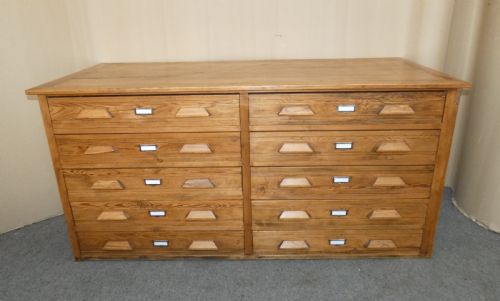


Antique Pine Counter
An antique pine counter brings honest utility to a modern interior, offering generous proportions and practical storage built for daily hard work.
Antique Pine Counter
An antique pine counter is a heavy-duty utilitarian piece designed originally for retail trade, domestic preparation, or commercial service. When you search for an antique pine counter, you encounter substantial furniture built to withstand decades of heavy use in shops, kitchens, and workshops.
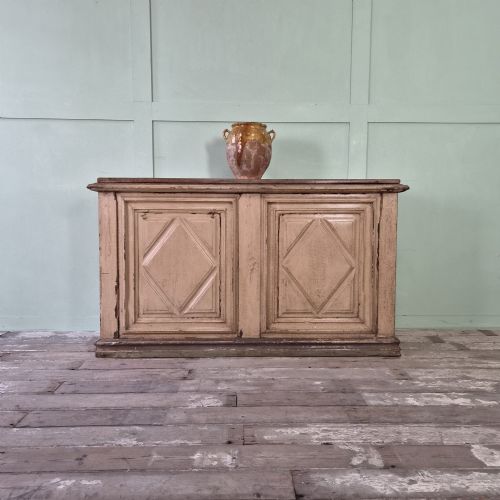
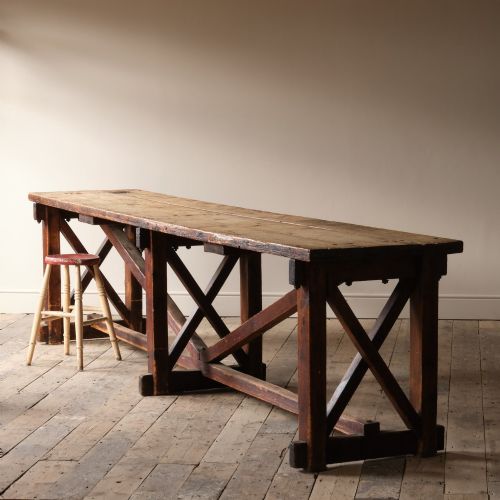
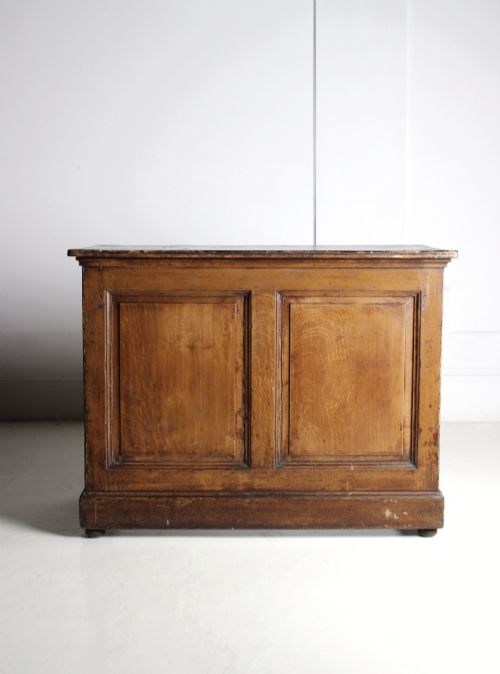
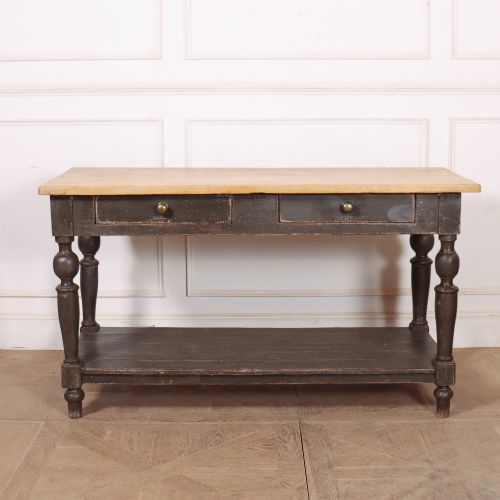
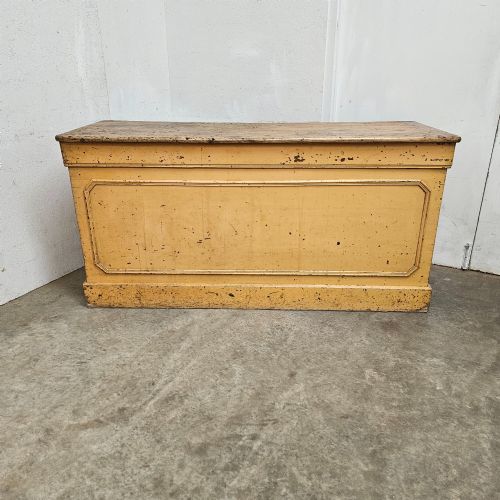
The pieces appearing on this page span several distinct forms, including shop counters with bank of drawers, drapers tables, dresser bases, and reception stations. Many originate from the nineteenth century and the Victorian era, carrying the honest scars of trade.
French and English examples dominate the selection, often finished in original paint ranging from cream and white to light green. These functional units served grocers, drapers, and florists before finding a second life in contemporary domestic settings.
How they were made
Makers built these pieces primarily from solid pine, frequently combining it with hardwood, sycamore, or elm for elements requiring greater resistance to wear, such as table tops and interior framing. Iron, brass, and metal hardware served practical purposes on drawer pulls, hinges, and occasional zinc top surfaces.
Construction methods prioritised rigid durability over decorative refinement, employing thick timber boards joined to endure constant loading and customer traffic. Surfaces often retain layers of original paint or natural polished wood finishes resulting from decades of daily cleaning and application.
Antique Pine Counter Retail Price Guide 2026
Typical asking prices for pine counter among the pieces listed under this phrase on Sellingantiques today, from the lower quarter to the upper quarter. They describe what is for sale here now, not the wider market.
The furniture forms span shop counters, drapers tables, bank of drawers units, and bakers prep tables.
What varies in quality
The quality of an antique pine counter depends largely on the integrity of its original construction and the survival of its surface finishes. Pieces retaining their original painted surfaces hold greater character than those stripped down to bare timber.
Proportion and scale dictate the desirability of each piece, with longer shop counters and multi-drawer configurations commanding more attention than simpler utility tables. The presence of working original drawers, iron pulls, and secondary hardwoods elevates the overall substance of the furniture.
The Antique Pine Counter Glossary
- Shop counter
- A long utilitarian table or cabinet fitted with storage, designed for serving customers in a retail environment.
- Drapers table
- A wide, long table originally utilised in fabric shops for measuring and cutting textiles.
- Bank of drawers
- A multi-drawer cabinet built to sort and store small stock items efficiently in a commercial setting.
- Dresser base
- The lower section of a kitchen or dining storage unit, featuring cupboards or drawers beneath a solid wooden top.
- Secondary wood
- A timber species used for hidden structural parts or drawer linings, distinct from the primary exterior wood.
Antique Pine Counter: Frequently Asked Questions
How do I clean an antique pine counter?
Maintain the surface by dusting with a dry cloth and occasionally applying natural beeswax to nourish unpainted timber. Avoid harsh chemical cleaners that strip historical patinas and original paint layers.
Keep the piece away from direct heat sources and excessive moisture to prevent the pine boards from warping or splitting over time.
Were all counters originally painted?
Many commercial counters received coats of lead or oil paint to protect the soft pine and match the interior decor of nineteenth-century shops. Paint colours varied from functional whites and creams to soft greens.
Some pieces remained as polished wood, showing the natural grain and knots of the timber after decades of scrubbing.
Can I use a shop counter as a kitchen island?
These pieces suit modern kitchens well due to their generous proportions, sturdy construction, and practical drawer or shelf storage. They provide ample workspace for food preparation.
Check the height and depth against your kitchen layout to ensure comfortable daily standing use.
How do I date an antique pine counter?
Examine the construction methods, tool marks, and hardware types used on the drawers and framing to establish the era of manufacture. Nineteenth-century examples often feature hand-cut joints and forged iron fittings.
Wear patterns on the timber edges and the accumulation of historic paint layers also offer clues to the age and working history of the piece.