



Pine Kitchen Island
A pine kitchen island brings honest utility and warmth to a room, offering sturdy workspace through enduring forms.
Pine Kitchen Island
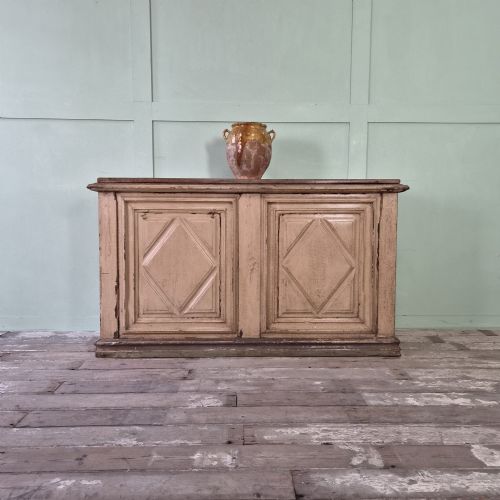
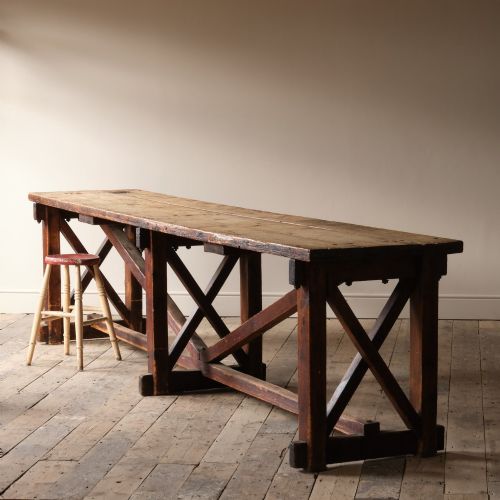
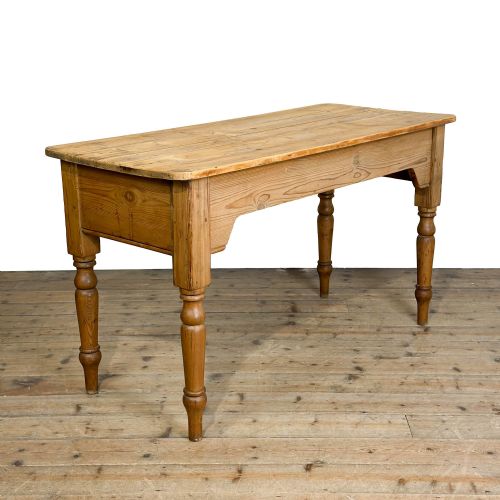
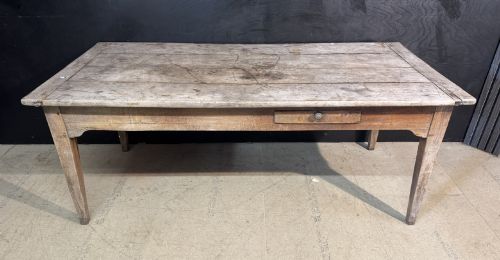
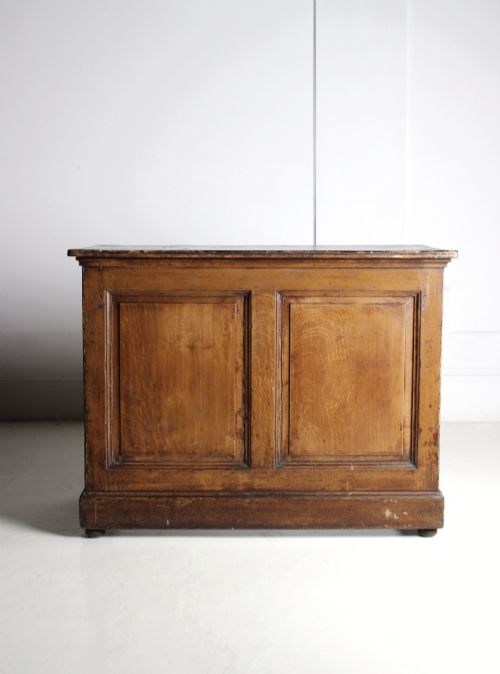
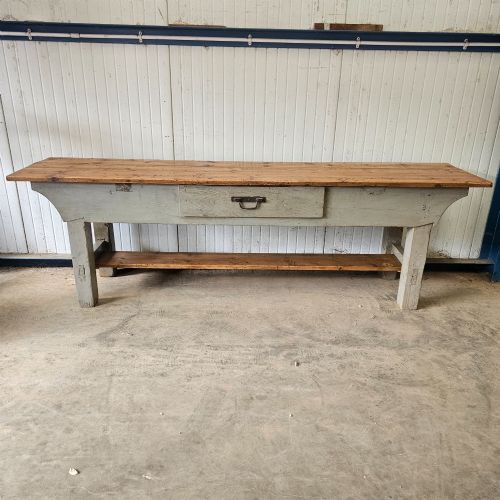
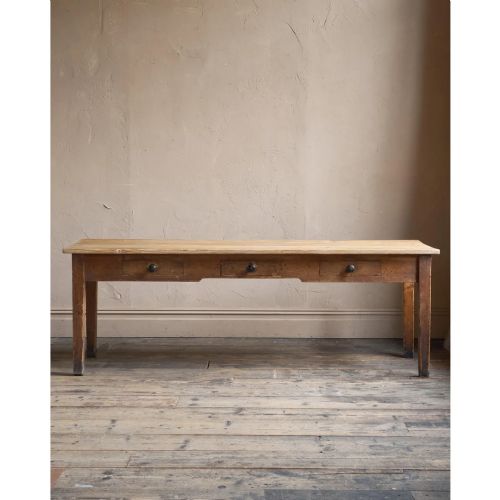
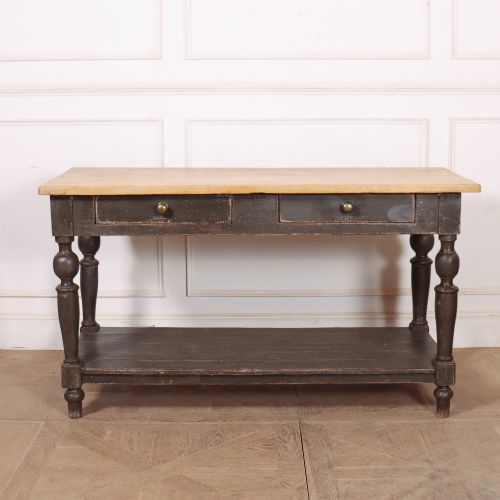
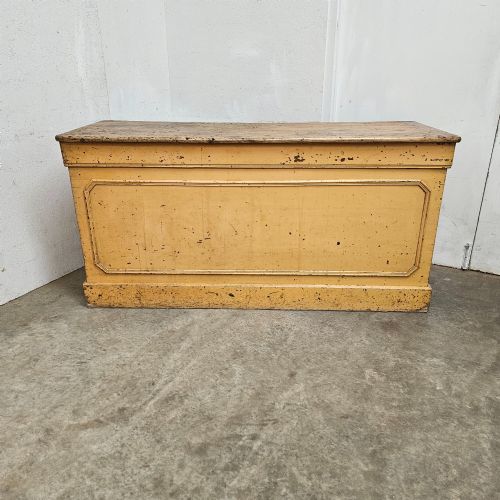
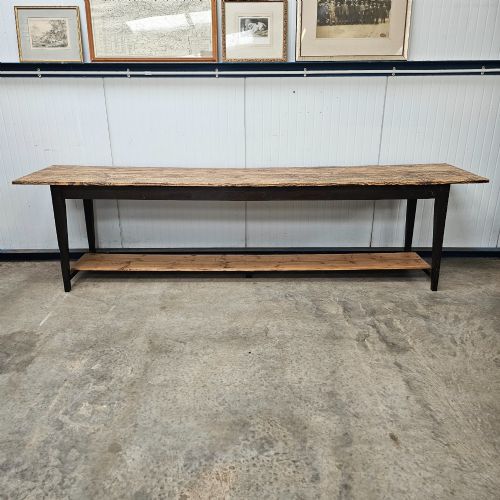
A pine kitchen island draws together utilitarian forms from the nineteenth century and the early twentieth century, spanning bakers prep tables, drapers tables, workbenches, and industrial mill tables. These heavy furniture pieces originate from domestic and trade settings, repurposed now to anchor modern kitchens with practical surface area.
Scandinavian country and rustic farmhouse styles dominate the selections, alongside French provincial variations. Buyers regularly encounter pieces finished with layers of old paint or stripped back to reveal plain timber grain, reflecting decades of hard use in workshops and bakeries.
The underlying architecture derives from utility, incorporating broad pine tops supported by substantial legs, occasional drawers, or lower shelves. Each piece demonstrates the heavy-duty requirements of historic preparation work, functioning just as well today for food preparation or casual gathering.
How they were made
Construction relies primarily on solid pine, chosen for its availability and resilience in demanding workspaces. Carpenters joined thick timber boards to create expansive tabletops capable of enduring daily pounding, chopping, and heavy loads.
Iron and brass components appear in structural braces, brackets, and handles, providing extra reinforcement to heavily stressed joints. Painted surfaces frequently feature layers of old paint applied over decades, preserving the timber beneath while recording the history of each piece.
Pine Kitchen Island Retail Price Guide 2026
Typical asking prices for pine kitchen island among the pieces listed under this phrase on Sellingantiques today, from the lower quarter to the upper quarter. They describe what is for sale here now, not the wider market.
Listings feature nineteenth-century and early twentieth-century periods, utilising pine, iron, and brass across tables, prep tables, and workbenches.
What varies in quality
Quality rests in the integrity of the original construction and the character earned through active service. Untouched surfaces with genuine patination and authentic layers of old paint command greater interest than overly restored timbers.
Proportion and scale dictate the visual weight of each island in a room. Stronger joinery and thicker pine tops separate standard utilitarian items from exceptional examples designed for heavy industrial or trade use.
The Pine Kitchen Island Glossary
- Pine
- A soft timber widely used for historic utilitarian furniture because it is accessible and resilient. It takes paint well and develops a rich patina through handling.
- WorkBench
- A heavy-duty table designed for manual labour, featuring thick tops and sturdy bracing. These industrial survivors adapt easily to modern culinary prep.
- Drapers Table
- A long, narrow table historically used in textile shops for measuring cloth. Their generous length and shallow proportions make them ideal kitchen islands.
- Patina
- The surface sheen and colour modification developed over decades of use and cleaning. It marks genuine age and distinguishes old timber from new.
- Bakers Table
- A specialist preparation table built for rolling dough and food creation. They often feature scrubbed timber tops and sturdy underframes.
Pine Kitchen Island: Frequently Asked Questions
What is a pine kitchen island?
A pine kitchen island is a repurposed antique utility table, such as a baker's prep table, workbench, or drapers table, used as a central workspace in a kitchen.
These pieces combine historical utility with practical surface area for modern rooms.
How do I maintain the wooden top?
Maintain the wooden top by cleaning it gently and occasionally nourishing the pine with suitable oils to protect the timber grain.
Avoid harsh chemicals that strip away the natural character and historic patination built up over the centuries.
Are these islands suitable for heavy cooking?
These islands are built from solid pine and thick timber boards designed originally for trade work, making them exceptionally sturdy for food preparation.
Their robust construction easily handles daily domestic tasks and heavy kitchen equipment.
How do I identify a nineteenth-century piece?
Identify a nineteenth-century piece by examining the joinery methods, timber thickness, and signs of genuine wear across the structure.
Look for authentic layers of old paint and natural patination that reveal long periods of active service.