




Oak Shop Counter
An oak shop counter brings sturdy commercial history straight into a domestic kitchen, hallway, or studio.
Oak Shop Counter
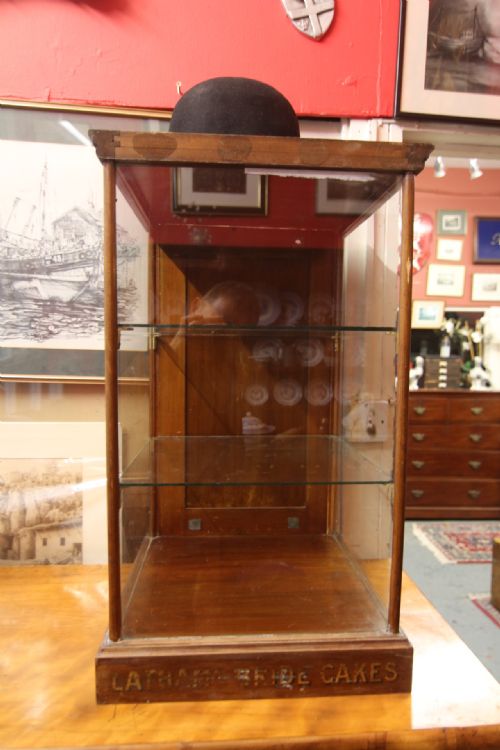
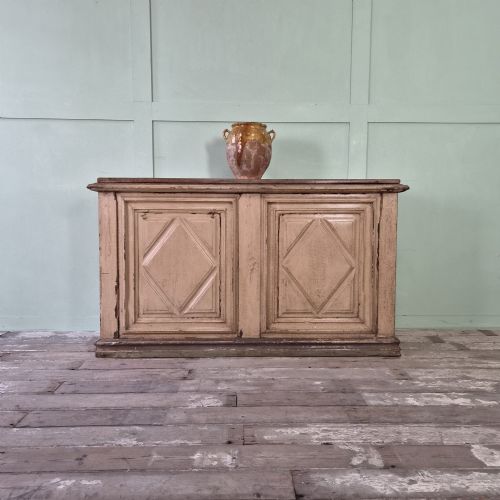
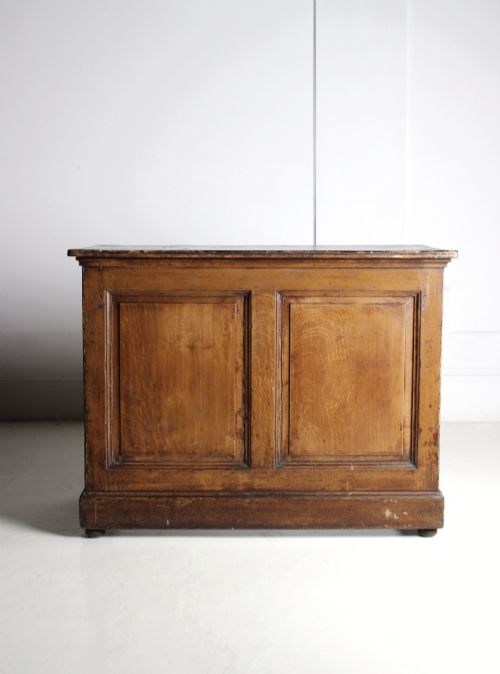
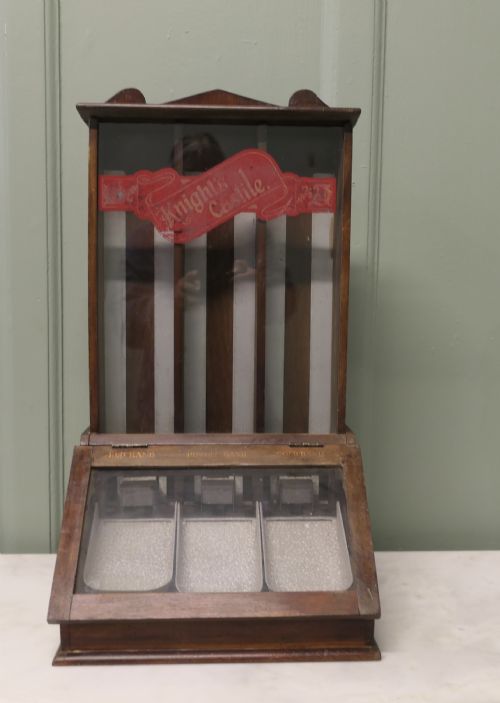
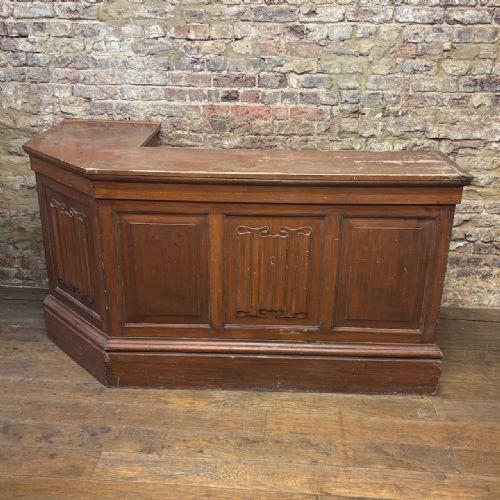
An oak shop counter is a heavy-duty commercial furnishing built for retail display, storage, and transaction work. When searching for this phrase, buyers encounter substantial freestanding fixtures alongside smaller countertop display cabinets and drapers tables from the nineteenth and early twentieth centuries. These pieces originate from British and French commercial environments, spanning Victorian, Edwardian, and Art Deco periods.
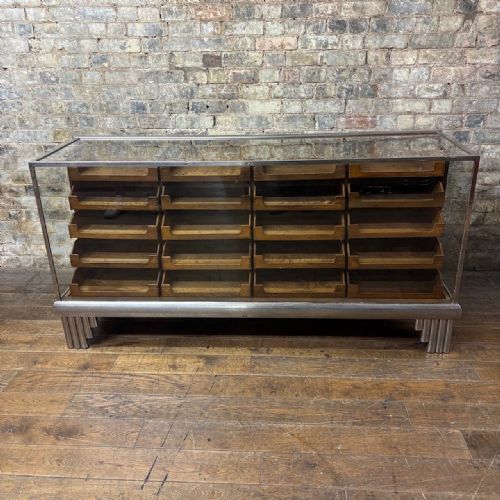
The most frequent examples on this page are freestanding shop counters and drapers tables constructed primarily from oak, often fitted with banks of drawers, glazed display sections, or panelled sides. Makers built these items to withstand demanding daily retail use, employing resilient timber frames designed to anchor a shop interior. Today, they serve domestic and commercial buyers seeking practical surfaces with authentic period character.
How they were made
Makers built these counters around a sturdy oak carcass, frequently combining solid timber with secondary woods such as pine and mahogany for internal framing and drawer construction. The exterior surfaces often display panelled joinery or bleached finishes, reflecting both British commercial utility and French provincial workshop traditions.
Metal hardware played a crucial structural and decorative role, with brass, bronze, and chrome fixtures securing drawers, drop-handles, and hinges. Glass panels were integrated into display counters and tabletops to showcase wares, while specialised elements like paper roll dispensers and needle drawers incorporated precise mechanical compartments.
Oak Shop Counter Retail Price Guide 2026
Typical asking prices for oak shop counter among the pieces listed under this phrase on Sellingantiques today, from the lower quarter to the upper quarter. They describe what is for sale here now, not the wider market.
Current listings feature oak shop counters spanning from the 1860s through the 1930s, incorporating brass, bronze, glass, and chrome elements.
What varies in quality
The distinction between standard commercial utility pieces and finer examples rests on the scale of the timber, the complexity of the internal configuration, and the presence of specialised display glazing. Monumental proportions, such as four-metre lengths or substantial double-sided drawer banks, elevate a counter beyond basic utility.
Another measure of distinction involves regional origin and decorative hardware, such as French bleached oak finishes or integrated bronze and chrome detailing from the interwar period. Cabinets bearing maker stamps or original retail sign-writing introduce a documented commercial provenance that alters the character of the piece.
F. Sage & Co·Dudley & Co·Manoah Rhodes & Sons Ltd·Trussant & Cie·J LE VINE London
The Oak Shop Counter Glossary
- Drapers table
- A long, wide table traditionally used in fabric and textile shops for measuring and folding cloth. These pieces typically feature low drawers and generous timber tops suitable for modern dining or workspace use.
- Haberdashery cabinet
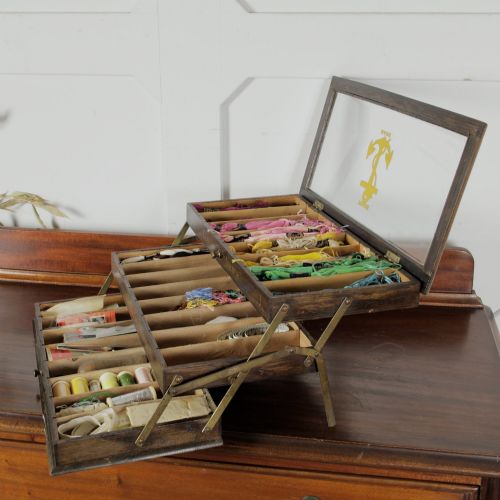
- A specialised retail unit designed with numerous small drawers or glass-fronted compartments to store small sewing goods, buttons, and ribbons. Collectors value them for organised storage and visible display.
- Countertop display case
- A smaller glass and timber enclosure placed upon a main shop counter to showcase high-value goods like jewellery, cigars, or chocolates. They protect merchandise while keeping items at eye level for customers.
- Bleached oak
- A timber treatment that lightens the natural golden or dark brown tone of oak, frequently seen on French provincial furniture. This process yields a softer, pale finish popular in contemporary interiors.
- Shop fitting
- A custom-built commercial fixture integrated into a retail interior to maximise storage and display. These items reflect the specific trade requirements of late nineteenth and early twentieth-century merchants.
Oak Shop Counter: Frequently Asked Questions
How do I use an oak shop counter at home?
An oak shop counter functions exceptionally well as a kitchen island, offering a resilient prep surface combined with deep storage drawers for utensils and cookware.
In a hallway or studio, the long timber top and generous proportions provide a commanding focal point for organising daily items or displaying decorative objects.
What is the difference between a drapers table and a shop counter?
A drapers table is typically an open, long table featuring a wide wooden top and lower shelving or modest drawers designed for folding textiles.
A shop counter is a more enclosed, heavy-duty barrier built with solid panelled sides, cashier compartments, and extensive banks of drawers for general retail stock.
How do I date an antique oak shop counter?
Dating relies on examining the construction methods, hardware materials, and stylistic cues present in the woodwork. Victorian and early nineteenth-century pieces often show traditional panelled joinery and heavy brass pulls, while Edwardian and 1930s examples incorporate chrome, bronze, and lighter Art Deco lines.
Original maker stamps, retail plaques, or sign-writing provide definitive evidence of the period and commercial origin.
Are these counters suitable for daily kitchen use?
These pieces were originally built to withstand decades of heavy retail trade, making them structurally robust for modern domestic environments.
The solid oak surfaces handle regular use well, though owners should apply appropriate timber care to protect the vintage finish from moisture and heat.