



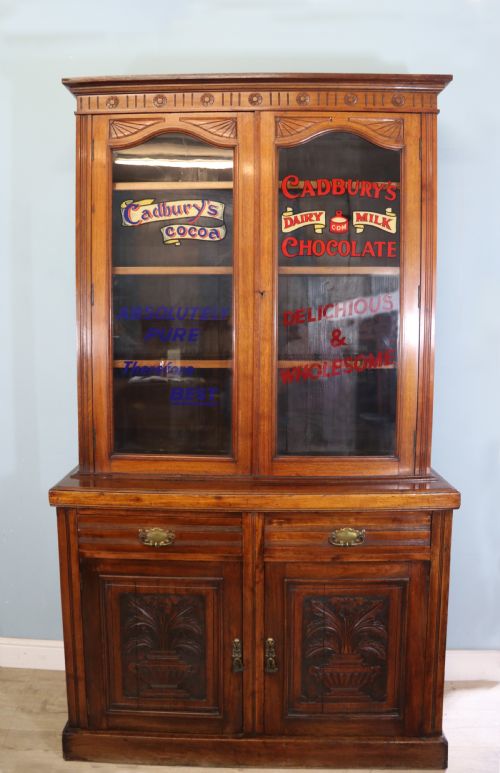


Vintage Store Counter
A vintage store counter is a sturdy shop centerpiece built for service and display, bringing authentic commercial character into a home or retail space.
Vintage Store Counter
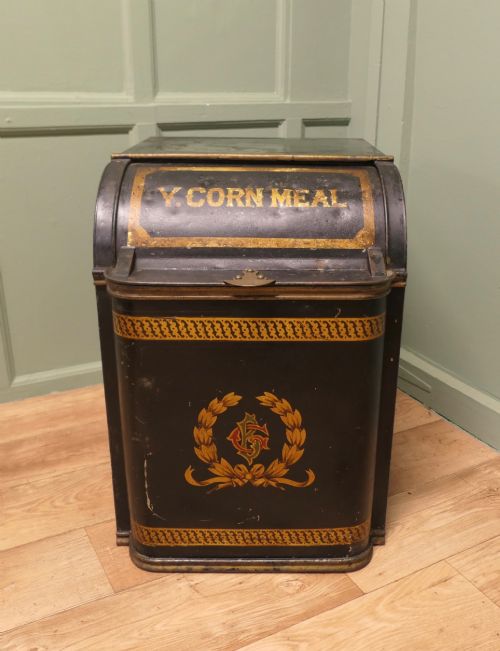
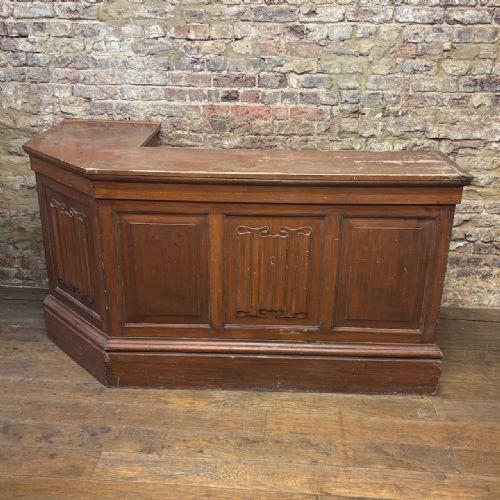
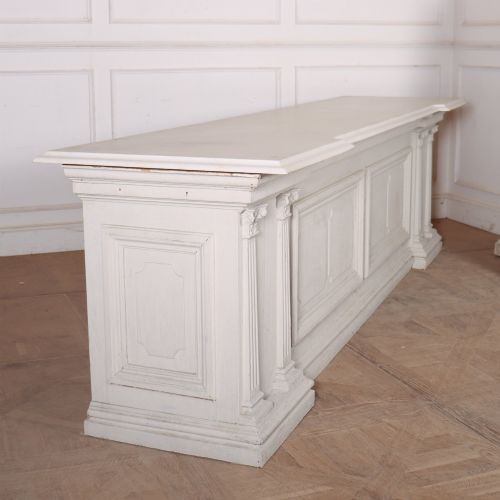
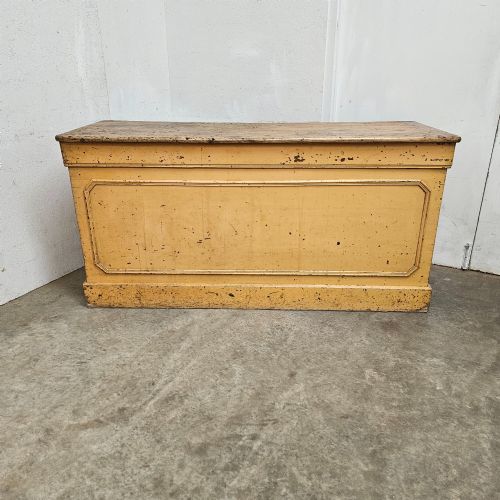
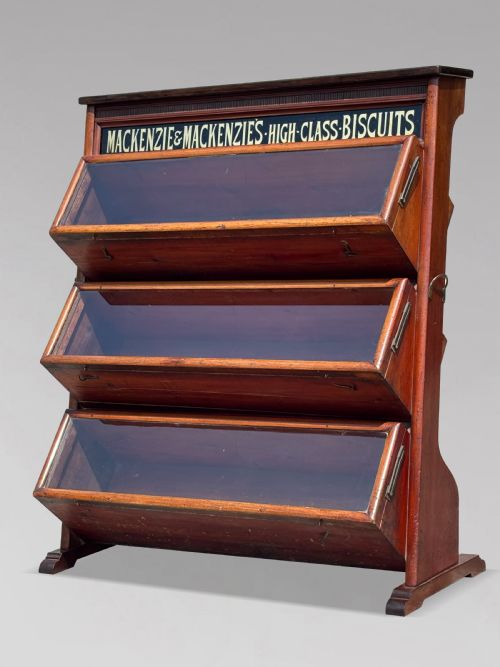
A vintage store counter encompasses large wooden shop fittings, glass display cabinets, and specialised retail furniture designed for merchants from the Victorian era through the 1930s.
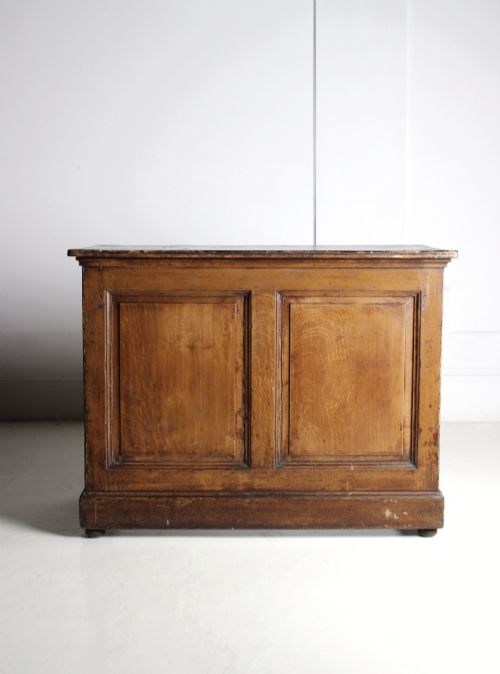
Buyers searching for a vintage store counter most commonly encounter robust oak, pine, and mahogany timber frames, often fitted with glass display sections or bank drawers.
These commercial survivors hail from diverse origins, ranging from British commercial workshops to French provincial settings and American emporiums.
Materials and construction
Carpenters built these heavy commercial units using durable timbers like oak, pine, and mahogany to withstand daily retail trading and heavy foot traffic.
Metal elements such as brass framing, bronze accents, and iron fittings provided structural reinforcement and secure glazing channels for display zones.
Many surfaces retain their original paint finishes, polished wood patinas, or utilitarian hardware suited to bustling shop environments.
Vintage Store Counter Retail Price Guide 2026
Typical asking prices for vintage store counter among the pieces listed under this phrase on Sellingantiques today, from the lower quarter to the upper quarter. They describe what is for sale here now, not the wider market.
Some counters feature adjustable brass feet designed to stay level on uneven historic shop floors.
Assessing quality and build
Quality rests upon the integrity of the timber framework, the original condition of glass panels, and the retention of authentic commercial hardware like adjustable feet and brass details.
Finer examples demonstrate sophisticated joinery, specialised branding elements such as maker plaques, and preserved original painted surfaces rather than later domestic alterations.
Mackenzie's Biscuits·Saml. Elliott & Sons·Quincy Showcase Works Illinois·Pierre Iman
The Vintage Store Counter Glossary
- Haberdashery cabinet
- A multi-drawer retail unit traditionally used for storing and displaying small drapery items, ribbons, and sewing goods. These feature numerous shallow drawers, often with glass fronts.
- Display counter
- A shop fixture featuring a glazed upper section or top to showcase merchandise while keeping goods secure from handling. They combine utilitarian storage with customer-facing presentation.
- Shop fitting
- A permanent or semi-permanent fixture built specifically for commercial interiors. This category includes specialised counters, bookcases, and architectural display units.
- Apothecary box
- A lidded container or small cabinet designed to hold medicinal ingredients, dry goods, or pharmacy supplies. They display precise craftsmanship and neat internal compartment dividers.
Vintage Store Counter: Frequently Asked Questions
How were store counters used?
Merchants used store counters as the primary barrier and workspace between shopkeepers and customers. They served as transaction desks, wrapping stations, and secure showcases for valuable goods.
Display sections allowed shoppers to inspect items without touching them, while the rear provided clerks with immediate access to stock stored in drawers or shelves.
How do I live with one?
Integrating a commercial counter into a home requires measuring floor space carefully, as these pieces are typically heavy and deep. They work effectively as kitchen kitchen islands, hall consoles, or living room storage.
Ensure the room can accommodate the substantial proportions and let the character of the wood or original paint become a central feature of the interior.
How do I tell periods apart?
Victorian and early pieces lean toward heavy oak, mahogany, and traditional paneling with utilitarian brass hardware. Edwardian and 1920s versions often introduce cleaner lines and more extensive glass display areas.
Pieces from the 1930s frequently incorporate Art Deco styling, bronze framing, or specific metal and wood combinations reflecting modern commercial design of that decade.
What materials should I expect?
The primary structural materials are solid hardwoods and softwoods, predominantly oak, pine, and mahogany. Many pieces incorporate large glass panels for top or front viewing areas.
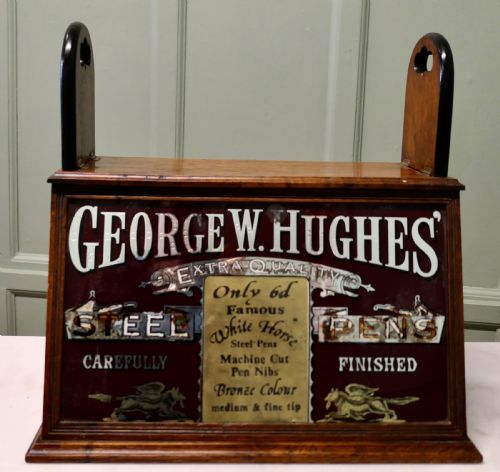
Metal components appear as brass framing, bronze detailing, and painted iron hardware, while select items retain original painted wood surfaces or specialised advertising panels.