


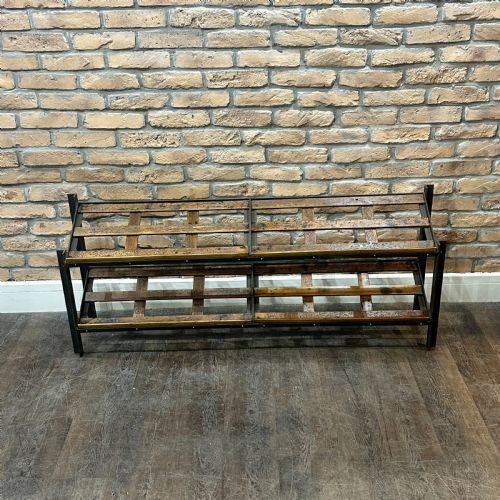


Wooden Haberdashery Counter
A wooden haberdashery counter gives a commercial interior genuine period character and provides practical display storage for small collections.
Wooden Haberdashery Counter
When you search for a wooden haberdashery counter, you encounter functional shop furniture designed to display and store small wares, textiles, and notions. These pieces survive from the Victorian era, the nineteenth century, and the early decades of the twentieth century.
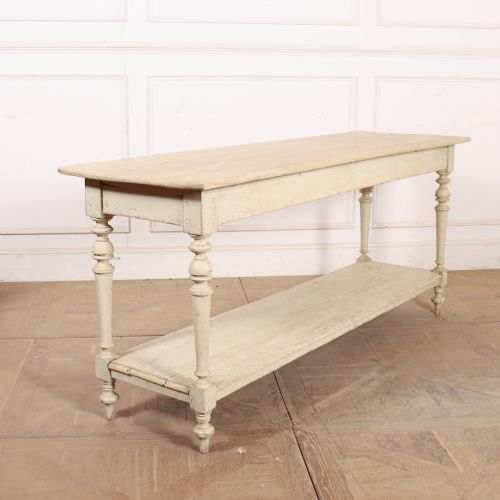
The selections available range from large French drapers tables and banks of drawers to compact oak countertop display cabinets and glass showcases. Commercial pieces made for nineteenth-century drapers and apothecaries appear alongside industrial utility items and French provincial shop tables.
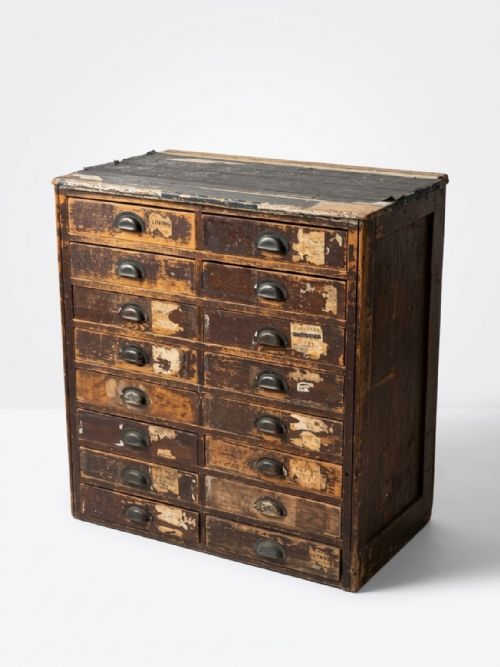
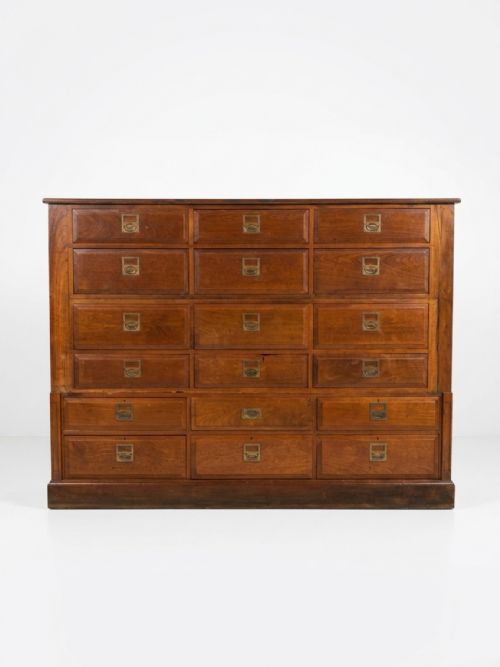
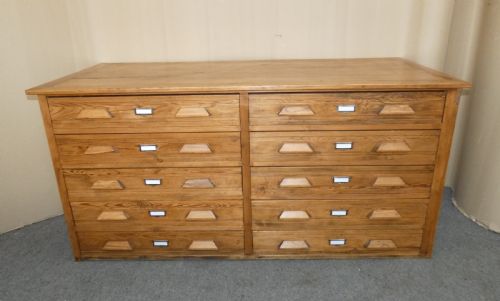
Buyers meet forms constructed for specific retail tasks, including shop display counters with brass or bronze framing, tiered chests of drawers, and specialised button box holders or cotton display cases. These heavy-duty commercial survivors transition easily into domestic hallways, kitchens, and living spaces.
How they were made
Maker workshops utilised durable timbers including mahogany, oak, pine, cedar, and walnut to build robust shop furniture that could withstand daily retail use. Secondary structural elements employed sturdy woods whilst primary visible surfaces displayed polished or painted finishes.
Glazing and metalwork defined the construction of countertop display cases and glass-fronted cabinets. Workshops incorporated brass framing, bronze detailing, and heavy plate glass to protect merchandise while maintaining visibility for customers.
Listings feature woods such as oak, mahogany, pine, cedar, and walnut combined with brass, bronze, and glass.
What varies in quality
Quality in a wooden haberdashery counter depends upon the integrity of the original construction, timber selection, and the survival of secondary components like brass fittings, glass panels, and working drawer runners. Heavier hardwoods and refined commercial joinery distinguish superior shop fittings from utility items.
The presence of original manufacturer branding, such as sign-written attribution for cottons or chocolates, adds historical interest to display cases and cabinets. Surviving patination on polished walnut, oak, and pine surfaces reflects the authentic commercial history of each piece.
Saml. Elliott & Sons·Ermen & Roby·Venus Pencil
The Wooden Haberdashery Counter Glossary
- Drapers table
- A long wooden table traditionally used in fabric shops for measuring and cutting cloth. These often feature lower shelves or banks of shallow drawers.
- Countertop display cabinet
- A glazed enclosure placed upon a shop counter to showcase small merchandise securely. These frequently incorporate timber frames made from oak or mahogany.
- Bank of drawers
- A multi-drawer storage unit designed to sort small items systematically. Haberdashery variants typically include numerous shallow compartments for ribbons, threads, and buttons.
- Shop fitting
- Custom furniture built specifically for commercial retail premises. Pieces range from large display counters to specialised wall cases.
- Patina
- The surface sheen and colour acquired by wood and metal through age and handling. This develops naturally from decades of commercial use.
Wooden Haberdashery Counter: Frequently Asked Questions
How do I use a haberdashery counter at home?
These counters provide deep surface space and segmented storage, making them suitable for kitchen islands, hallway consoles, or studio workbenches.
The glass display tops and shallow drawers protect collections of textiles, stationery, or curiosities while keeping them visible in living areas.
What is the difference between a drapers table and a shop counter?
Drapers tables generally feature open lower sections or minimal shelving beneath a large wooden top designed for handling folded textiles.
Shop counters often incorporate enclosed storage, glass display sections, or banks of drawers facing the serving side.
How do I date a wooden shop display cabinet?
Dating relies on timber choices, construction techniques, and stylistic markers such as Victorian mouldings or Art Deco brass framing.
Maker inscriptions, original sign-writing, and hardware styles also help assign pieces to specific periods like the 1920s or 1870s.
Are countertop display cases suitable for delicate items?
The enclosed glass and wooden framing protect vulnerable objects from dust and handling while allowing clear visibility from multiple angles.
Their original commercial purpose was precisely to safeguard small wares whilst presenting them attractively to buyers.