



Antique Reception Desk
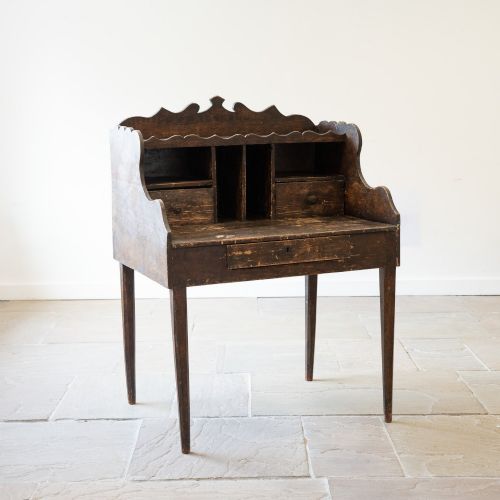
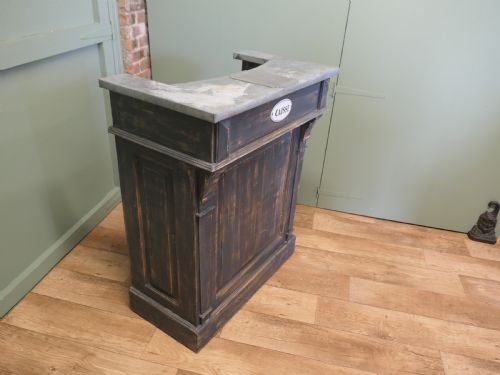
These antique reception desk pieces comprise sturdy commercial counters, polished brass bells, and greeting stations designed to manage guests.
Antique Reception Desk
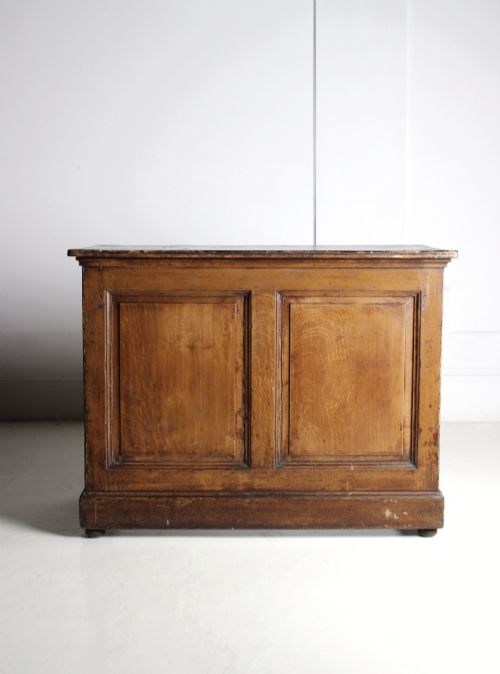
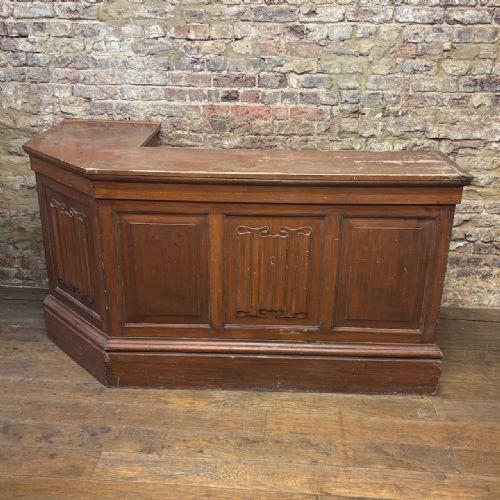
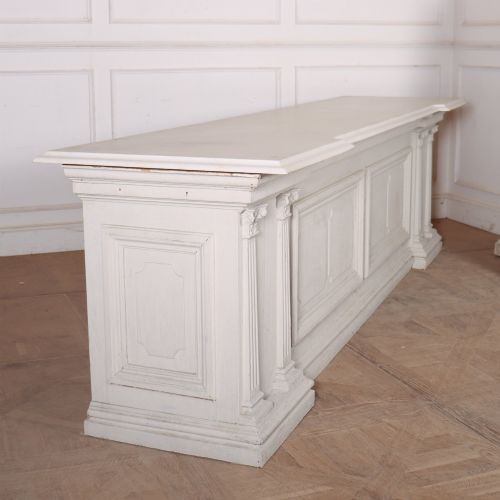
When buyers search for an antique reception desk, they encounter a diverse assembly of furniture and accessories built for greeting and commerce. The most common large pieces on this page are commercial counters, shop counters, and hotel greeting stations.
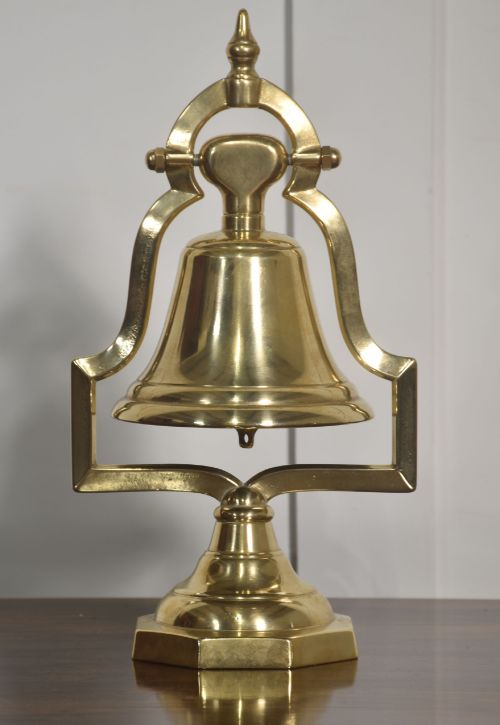
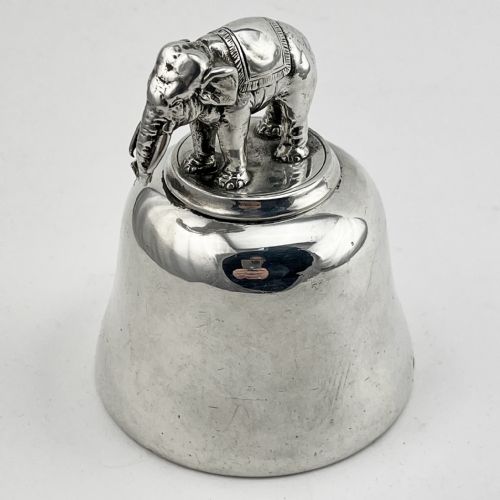
Alongside these larger furniture items, the selection frequently includes smaller functional objects such as counter bells and table bells on stands. These pieces span periods from the Georgian era through the Victorian and Edwardian periods up to the nineteen-twenties.
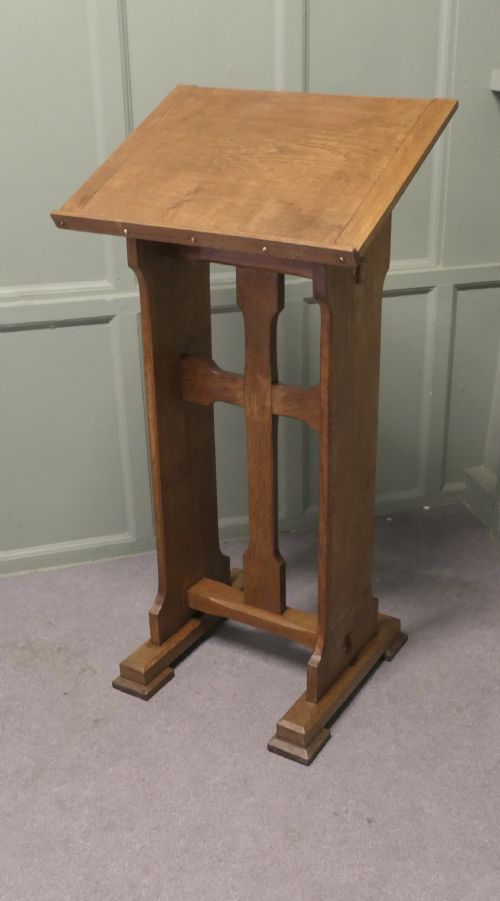
Form follows function in these pieces, with oak shop counters, mahogany hall tables, and pine hostess stations serving as practical hubs. Stylistic influences range from Gothic Revival and Chinese Chippendale to Arts and Crafts and French Provincial.
Materials and construction methods
Timbers form the structural core of the larger furniture pieces, with oak and mahogany dominating the inventory alongside pine and painted wood. Cabinetmakers utilised panelled construction for counters and stations to ensure durability in busy commercial environments.
Metalwork defines the smaller functional items, particularly polished brass, bronze, and sterling silver used in table and desk bells. Gesso and fabric appear on decorative elements and seating components associated with greeting spaces.
Antique Reception Desk Retail Price Guide 2026
Typical asking prices for reception desk among the pieces listed under this phrase on Sellingantiques today, from the lower quarter to the upper quarter. They describe what is for sale here now, not the wider market.
Materials across these listings include solid oak, mahogany, sterling silver, brass, bronze, and pine.
Quality variations in reception pieces
Construction substance dictates the grade of larger counters and desks, separating robust solid timber framing from lighter secondary woods. Carving depth and decorative restraint distinguish standard utilitarian shop fittings from refined country house or salon pieces.
Material weight and metal finishing separate mass-produced items from superior silversmith work on the various desk and counter bells. The integrity of original panels, stands, and adjustable feet determines the standing of a furniture piece.
The Antique Reception Desk Glossary
- Counter
- A raised surface or table across which business is transacted or customers are greeted. Commercial examples often feature robust panelled timber construction.
- Table Bell
- A small bell placed on a desk or counter to summon assistance. Many period examples combine a brass bell with an oak stand.
- Lowboy
- A small English side table with drawers, frequently utilised in reception halls. They date back to the eighteenth century and earlier.
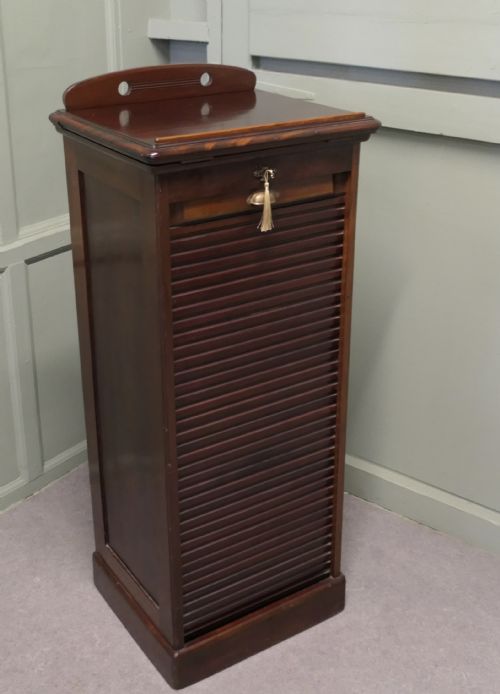
- Pedestal Filing Cabinet
- An office storage unit with drawers arranged beneath a work surface. Victorian examples serve administrative roles in reception areas.
Antique Reception Desk: Frequently Asked Questions
What periods do these pieces come from?
The inventory spans the nineteenth and early twentieth centuries, including Victorian, Edwardian, and Regency eras. Earlier Georgian pieces from around seventeen eighty also appear.
Specific dates within titles point to decades such as the eighteen eighties, eighteen nineties, and nineteen tens.
What materials are used in these items?
Timbers include oak, mahogany, walnut, pine, and painted wood alongside gesso and fabric. Brass, bronze, and sterling silver form the metal components.
Silver items include British, American, Dutch, and German pieces ranging in weight from small bells to heavy examples.
How were reception counters used originally?
Commercial counters and shop counters managed transactions in retail environments. Hotel and restaurant greeting stations hosted guests upon arrival.
Smaller items like desk bells and table bells summoned staff in commercial and domestic settings.
What styles influence these reception pieces?
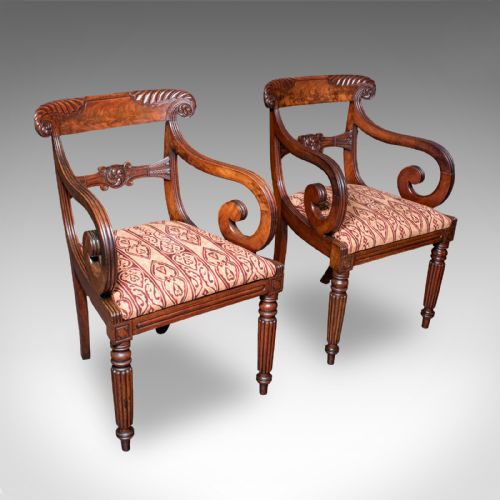
Design styles span Arts and Crafts, Chinese Chippendale, Gothic Revival, Neoclassical, and French Provincial. William IV and Regency influences appear on seating.
Many commercial counters and greeting stations display straightforward Victorian or Edwardian utility.