



Traditional Timber Counter
A traditional timber counter brings solid workshop utility and time-worn character directly into a domestic or commercial room.
Traditional Timber Counter
A traditional timber counter covers robust shop fittings and home bars designed for heavy daily use. The examples here span periods such as the nineteenth century and the Victorian era, showing how timber served practical roles in trade.
Most entries focus on seating and related fixtures like stools and bar units built from sturdy woods rather than freestanding display furniture. Buyers find pieces shaped by vernacular traditions and practical demands of old shops and public houses.
Makers utilised resilient materials to construct surfaces that endured decades of service in taverns and general stores. These items bring genuine historical utility into modern interiors without losing their utilitarian roots.
How they were made
Makers constructed these items using dense hardwoods like mahogany, oak, and sycamore alongside softer pine and beech. These timbers were selected for their ability to withstand constant wear in commercial and domestic settings.
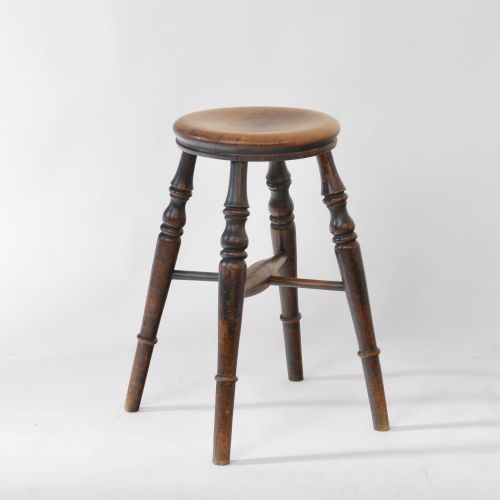
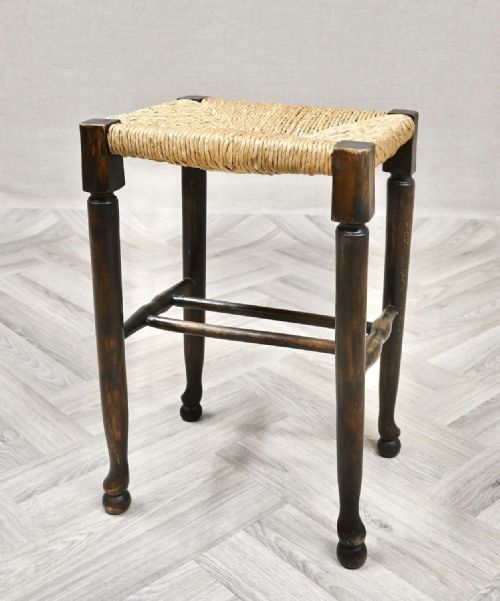
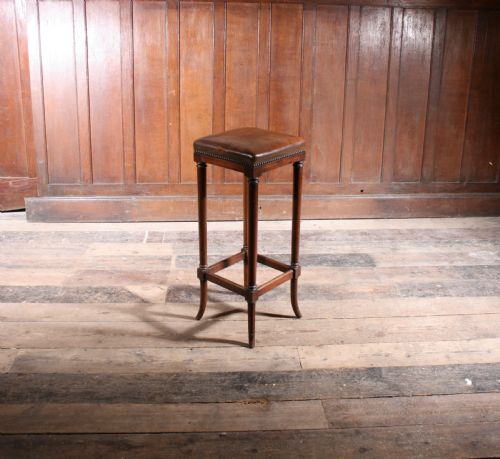
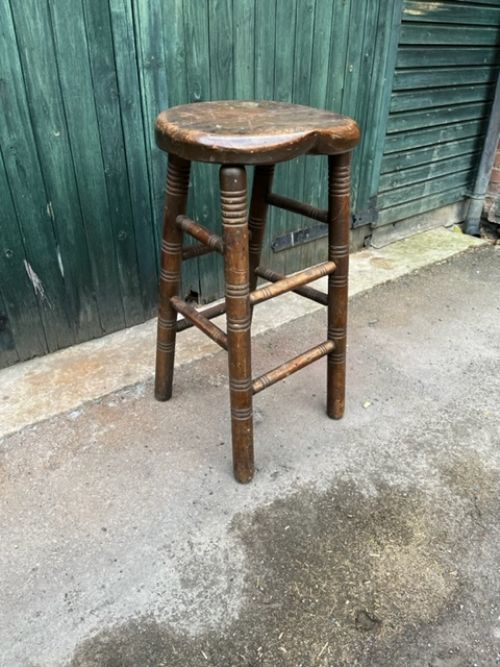
Joinery methods focused on strength, employing turned wooden components and sturdy frames to support daily seating and counter traffic. Details like rush seating and leather upholstery added necessary comfort to utilitarian forms.
The listings on this page span the 19th century and the Victorian era, featuring mahogany, oak, pine, and sycamore.
What varies in quality
Quality rests in the choice of timber and the integrity of the original construction rather than decorative flourish. Dense hardwoods such as mahogany hold up better than softer woods, showing superior grain and structural resilience.
Proportion and the honesty of the finish dictate the standing of a piece within its type. Items retaining original surfaces and working hardware carry greater integrity than those altered over time.
The Traditional Timber Counter Glossary
- Vernacular
- Everyday objects built by local craftspeople for practical use rather than high-style design. These pieces reflect regional traditions and available materials.
- Turned
- Wood shaped on a lathe to create cylindrical or decorative posts and legs. This method was essential for producing sturdy stool legs and stretchers.
- Rush
- Dried marsh grass twisted into cords and woven to form flexible, resilient seating surfaces. It provides a traditional texture found on older stools.
- Log box
- A sturdy timber container designed to hold firewood near a hearth. They share the robust construction methods of counters and heavy furniture.
Traditional Timber Counter: Frequently Asked Questions
What is a traditional timber counter?
It is a sturdy wooden fixture or related seating piece originating from shops, pubs, and farmhouses.
These items were built for hard work rather than display, utilising durable woods like oak, mahogany, and pine.
How were these pieces used originally?
They served in commercial and domestic spaces as service surfaces, seating for customers, and functional storage.
Pubs, shops, and farmhouses relied on them daily for trade and practical tasks.
How do I date a timber counter or stool?
Dating relies on examining the timber species, construction methods, and signs of wear left by historical use.
Nineteenth-century examples often show hand-turned elements and simpler joinery characteristic of the Victorian era.
How do I care for antique wood furniture?
Keep wooden surfaces away from direct heat sources and sudden humidity changes to prevent the timber from splitting.
Regular dusting and occasional treatment with appropriate wax help maintain the finish.