


Victorian Retail Display Counter
A Victorian retail display counter brings honest nineteenth-century mercantile history straight into a room, offering generous glazing and timber framing designed to showcase goods.
Victorian Retail Display Counter
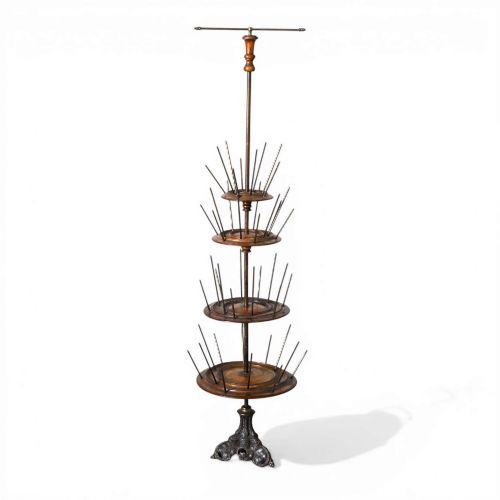
A victorian retail display counter represents functional shop furniture built during the nineteenth century and the Edwardian era to present wares to customers. The pieces on this page span forms such as shop counters, tabletop display cabinets, haberdashery drawers, and specialised stands.
Makers and merchants utilised glass and sturdy timbers to construct durable retail fittings that survived decades of heavy commercial use. Cabinets frequently feature glazed sections combined with mahogany, pine, or oak framing.
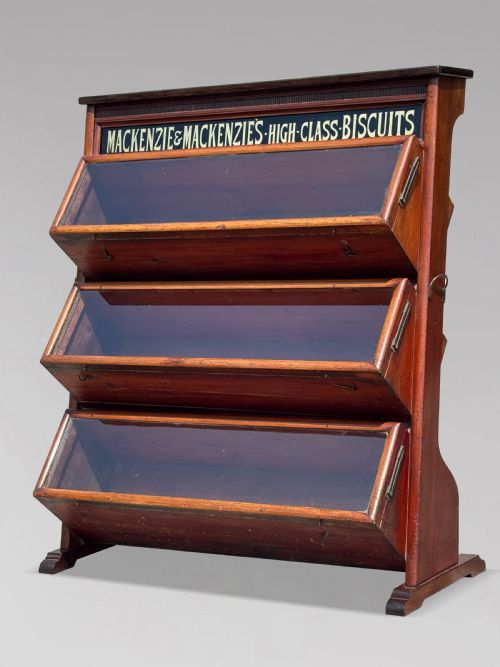
Buyers encounter variations ranging from large shop counters with mirrored interiors to compact countertop cases and multi-drawer drapers chests. Many examples retain authentic commercial branding or lettering linked to period provisions and confectioners.
Materials and construction
Makers relied primarily on dense hardwoods like mahogany and oak alongside pine for interior framing and drawer construction. Brass fittings, mirrored panels, and glass panes completed the structures, ensuring maximum visibility for displayed goods.
Joinery techniques focused on durability, utilising solid timber frames to support heavy glass panels and frequent handling in busy shops. Many pieces incorporate brass hardware, adjustable feet, and painted or sign-written advertising details.
Listings feature items from the 19th Century, Victorian, Edwardian, and 1930 periods, constructed from mahogany, oak, pine, brass, and glass.
Quality and proportion
The standard of a victorian retail display counter depends upon the integrity of its original timber and the clarity of its glass panels. Finer examples retain their original mirrored interiors, brass hardware, and authentic commercial signage without excessive modern intervention.
Proportion and execution distinguish standard utility fittings from superior pieces commissioned for high-end chemists or drapers. The retention of original finishes, such as polished mahogany and gold leaf detailing, elevates the stature of a counter.
John Stow Ltd of Bradford·Mackenzie's Biscuits·Cadbury's Cocoa
The Victorian Retail Display Counter Glossary
- Haberdashery
- Shop fittings designed specifically for storing and displaying small sewing goods and textiles, typically featuring numerous small drawers.
- Countertop cabinet
- A smaller glazed display case built to sit atop a main shop counter for eye-level customer inspection.
- Shop fitting
- Custom furniture and fixtures designed and built for commercial retail interiors during the nineteenth and early twentieth centuries.
- Glazed
- Fitted with glass panels to protect merchandise while maintaining visibility for prospective buyers.
Victorian Retail Display Counter: Frequently Asked Questions
How do I clean a timber counter?
Use a soft, dry cloth to remove dust from mahogany and oak surfaces without disturbing aged finishes. Avoid harsh chemical sprays that can strip historic polish.
Apply a traditional beeswax polish sparingly when the wood appears dry, buffing gently to maintain a natural lustre.
Are these counters suitable for home use?
These counters provide practical storage and display space for collections, kitchenware, or living room items. Their glazed sections keep dust away while showing off contents clearly.
Measure available floor space carefully before purchasing, as original commercial counters often have substantial depths.
How do I identify a Victorian piece?
Examine construction methods, timber types, and hardware for nineteenth-century characteristics. Dovetailed drawer joints and heavy timber framing often indicate period manufacture.
Look for signs of genuine commercial wear and manufacturer branding that connect the piece to historical retail trades.
Can the glass panels be replaced?
Original glass frequently shows minor bubbles or surface variations consistent with age. Retaining original panes is generally preferred by collectors.
If replacement is necessary, traditional float glass or mouth-blown alternatives can be fitted by a specialist glazier to match the aesthetic.