
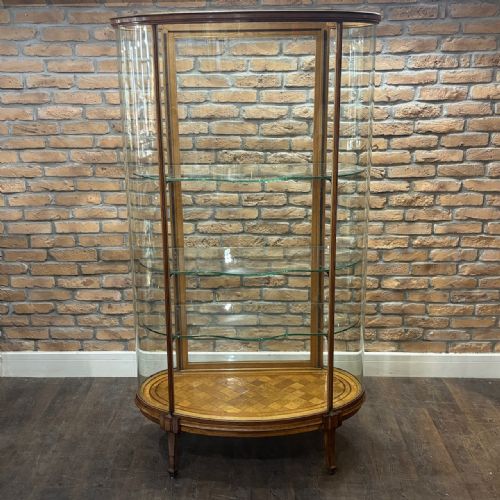
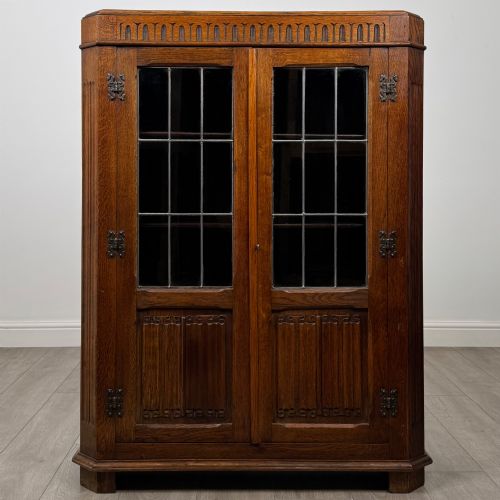
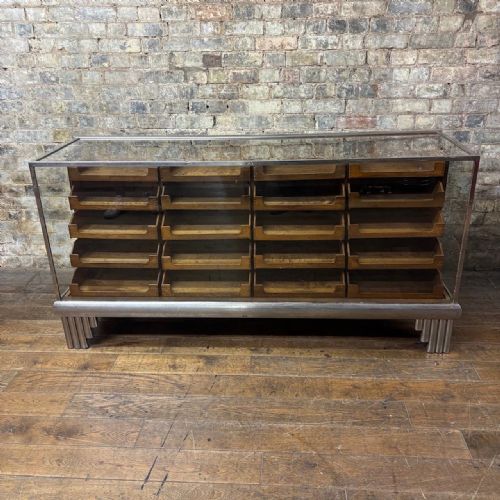
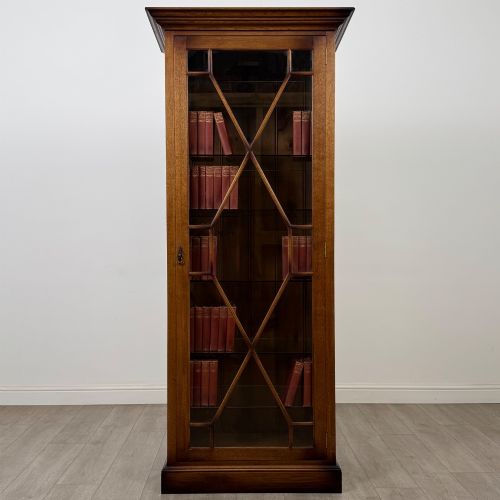


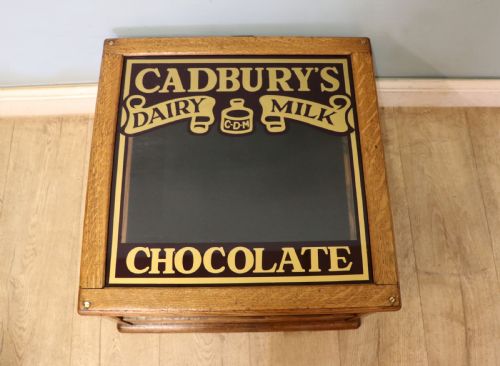
Oak Glass Showcase
An oak glass showcase brings commercial history straight into the home, offering a neat stage for collections behind clear panes.
Oak Glass Showcase
An oak glass showcase serves primarily as a display cabinet or haberdashery counter designed for retail or museum use. These sturdy pieces emerge from periods spanning the Victorian era through the Edwardian years and into the 1930s.
Most examples found here take the form of countertop display cabinets or larger shop counters constructed to exhibit goods securely. Buyers frequently encounter Edwardian and nineteenth-century designs alongside later Art Deco and commercial twentieth-century variants.
Originating largely from British and French commercial settings, these wooden cases range from intimate countertop showcases to substantial museum display cases. Smaller forms such as display domes with oak bases also appear among the selection.
Materials and construction
The primary construction relies on solid oak framing combined with extensive glass panels to maximise visibility from all angles. Brass and iron hardware frequently secure the doors and lids, whilst internal linings of velvet add a contrasting texture.
Later twentieth-century iterations incorporate chrome and metal elements, reflecting shifting commercial aesthetics during the 1920s and 1930s. Lead work and traditional joinery techniques hold the structural framework together across both French and English workshops.
The inventory spans Victorian, Edwardian, and 1930s periods, uniting oak, glass, and brass in traditional retail display forms.
Judging quality in commercial displays
Superior examples distinguish themselves through finer timber selection and more accomplished joinery in the oak framing. The crispness of the original brass fittings and the clarity of the glazed panels separate standard commercial pieces from finer museum-grade exhibits.
The presence of maker attribution, such as branded hardware or historic sign-writing relating to chocolate manufacturers, elevates the historical interest. Proportion and the integration of functional drawers further define the upper tier of these retail antiques.
F Sage & Co·Dudley & Co
The Oak Glass Showcase Glossary
- Haberdashery counter
- A long shop counter featuring multiple glass sections or drawers designed to display small wares. These items originate from outfitters and general stores.
- Display dome
- A protective glass bell cover mounted upon a solid base, often utilised for taxidermy or delicate curiosities. The base is typically turned from oak.
- Countertop cabinet
- A smaller showcase built to sit atop existing shop furniture for eye-level customer browsing. They frequently feature hinged rear doors for staff access.
- Edwardian
- Pertaining to the reign of King Edward VII, spanning the early twentieth century. Furniture from this period often retains lighter proportions than Victorian designs.
- Art Deco
- A design style prominent in the 1920s and 1930s characterised by streamlined geometric forms. Metal elements such as chrome frequently feature alongside oak.
Oak Glass Showcase: Frequently Asked Questions
How do I style a showcase?
Place the cabinet where natural light can pass through the glass panes to illuminate your chosen collection. Group smaller curiosities inside by theme or material to create an engaging visual arrangement.
Ensure the surrounding room furniture complements the rich tones of the aged oak framing. Keeping the glass clean maintains the intended display function of these historic shop pieces.
Were these cabinets used in shops?
Commercial premises originally utilised these structures to protect merchandise from dust and handling whilst keeping goods visible to customers. Many served in drapery stores, confectioners, and general retail spaces.
Later adaptations sometimes included sign-writing for specific brands like chocolates, reflecting their active working life in high street commerce.
How do I date an oak case?
Examine the hardware, timber thickness, and overall stylistic markers such as Edwardian proportions or Art Deco chrome detailing. Nineteenth-century examples often display heavier framing compared to lighter twentieth-century commercial iterations.
Maker signatures or stamps embedded in the woodwork or metal fittings provide definitive chronological clues regarding origin.
Are shelves adjustable inside?
Internal shelving arrangements depend entirely on the original commercial purpose of the specific cabinet. Some countertop designs feature fixed wooden or glass tiers, whilst others allow for slight adjustment.
Reviewing the internal timber supports reveals how the maker intended goods to be exhibited within the glazed enclosure.