


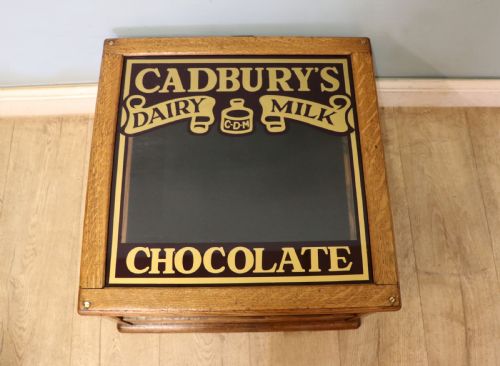
Oak Countertop Display Cabinet
An oak countertop display cabinet sits ready to show small treasures or stock, offering glass-fronted visibility built for trade.
Oak Countertop Display Cabinet
An oak countertop display cabinet serves as a tabletop case designed for retail trade and domestic collection alike, bringing items into immediate view. These pieces draw from Victorian, Edwardian, and Art Deco periods, encompassing commercial haberdashery and needle drawer variants.
The versions met most frequently on this page span the nineteenth century through the interwar commercial years, constructed to sit upon counters and tables. Their forms include dedicated watchmaker cabinets, cigar display units, and glass cases fitted with drawers.
Judging the range
Quality separates standard commercial utility from finer retail display through the crispness of the oak framing and the refinement of the glazing. Pieces bearing specific retail history, such as sign-written branding, hold distinct character compared to plain examples.
The sophistication of period styling marks the distinction between straightforward Victorian workshop output and later Art Deco or Edwardian commercial design.
One sweet survivor wears later sign-writing for Cadburys Chocolate, reminding us these cases once tempted customers with sugary treats.
Manoah Rhodes & Sons Ltd
The Oak Countertop Display Cabinet Glossary
- Haberdashery cabinet
- A small-scale retail storage unit traditionally used for sewing notions and haberdashery goods. These often feature multiple shallow drawers and glass display elements.
- Draper
- A merchant selling cloth and dry goods who utilised countertop cabinets to showcase small needles and accessories. Such pieces reflect active nineteenth and twentieth-century shop environments.
- Watchmaker
- A craftsman whose miniature tools and components required specialised secure storage. Cabinets from this trade exhibit precise compartmentalisation suited to delicate items.
- Edwardian
- A stylistic period spanning the early twentieth century before the First World War. Cabinets from this era balance practical shop utility with refined woodwork.
Oak Countertop Display Cabinet: Frequently Asked Questions
What were oak countertop display cabinets used for?
Merchants used these tabletop cabinets in nineteenth and twentieth-century shops to display small retail goods like cigars, sewing supplies, and watches to customers.
The glass fronts protected merchandise from dust and handling while keeping items clearly visible on the counter.
Where should I place one in my home?
These compact tabletop units fit well on sideboards, desks, or tabletops where small collections require both display and protection.
The glass viewing panels allow objects inside to be seen easily from a standing position.
What is the difference between a shop cabinet and a domestic case?
Shop cabinets were originally built for commercial retail environments like drapers and watchmakers, prioritising sturdy daily trade use.
Domestic tabletops often share similar construction in oak and brass but reflect lighter usage tailored to private display.