


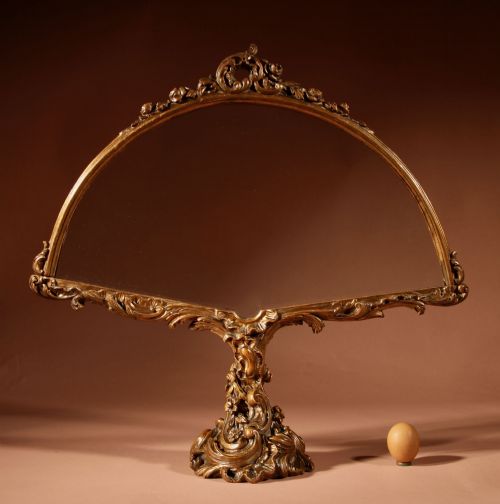


Antique Glass Display Box
An antique glass display box gathers small treasures behind clear panes, turning utilitarian storage into a formal stage for personal collections.
Antique Glass Display Box
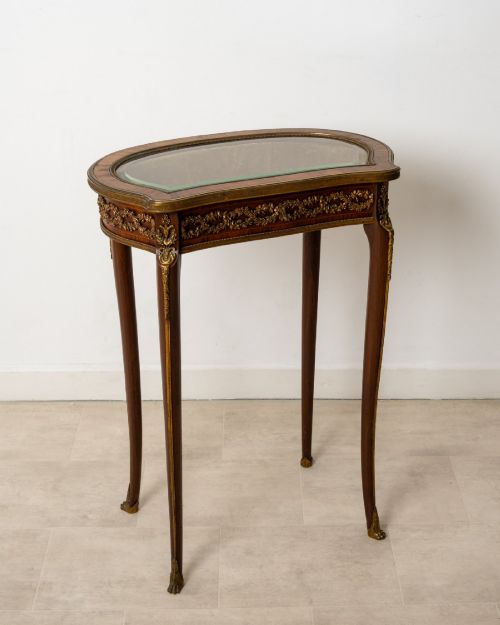
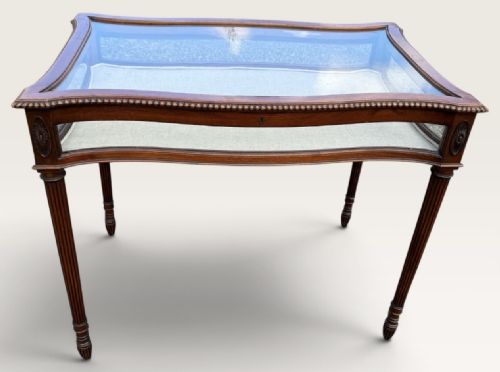
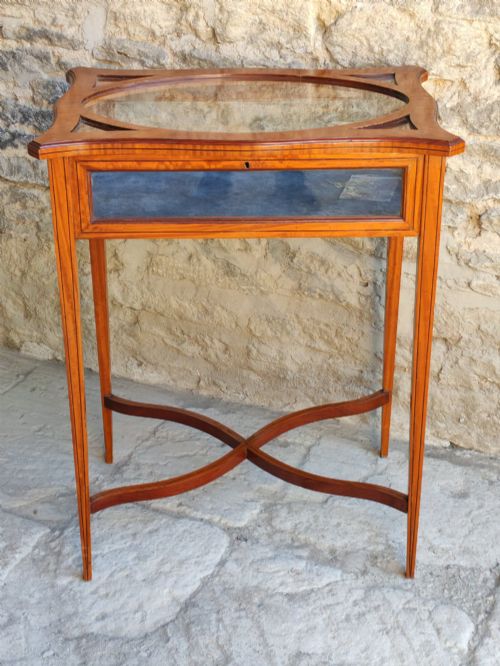
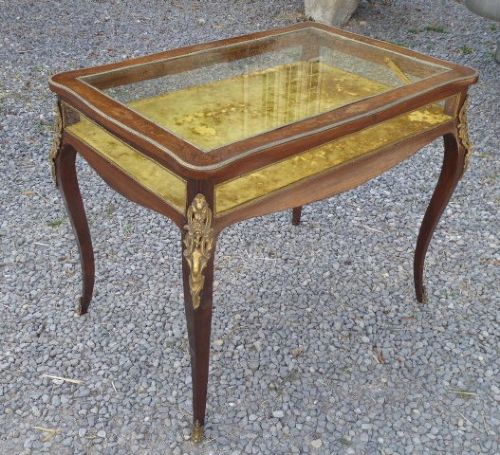
When searching for an antique glass display box, buyers encounter an array of forms designed to showcase precious items. These pieces range from tabletop shop cases and countertop cabinets to freestanding bijouterie tables with glazed tops.
The selection spans several periods, with Edwardian and Victorian examples appearing most frequently alongside pieces from the nineteenth century. Makers shaped these items in mahogany, satinwood, rosewood, and oak, often incorporating velvet or fabric linings.
Styles on this page include French Louis XV Revival, French Rococo Revival, and maritime folk art alongside commercial shop fittings. Forms vary from serpentine and kidney shapes to octagonal and rectangular display tables.
Materials and construction methods
Craftsmen built these cases using solid woods and decorative veneers like mahogany, satinwood, kingwood, and burr walnut. Woodwork involved careful framing to support glazed lids and panels while maintaining structural integrity.
Metal components played a significant role in ornamentation and hardware. Brass inlay, ormolu mounts, and specialised framing gave these display pieces their finished decorative character.
Interiors required distinct finishing techniques to protect delicate contents. Textile artisans fitted velvet, satin, and various other fabrics to pad the bases of bijouterie tables and jewellery boxes.
Antique Glass Display Box Retail Price Guide 2026
Typical asking prices for glass display box among the pieces listed under this phrase on Sellingantiques today, from the lower quarter to the upper quarter. They describe what is for sale here now, not the wider market.
A pair of waxwings braves an eternal snow scene inside a Victorian taxidermy case.
Assessing quality in display boxes
Quality rests primarily on the sophistication of the timber selection and the precision of the cabinetwork. Fine examples utilise highly figured veneers such as burr walnut or meticulously matched satinwood and mahogany.
The refinement of the metal mounts distinguishes superior pieces from standard production. Cast ormolu and detailed brass inlay reflect a higher level of artisanal investment than plain framing.
Proportion and silhouette dictate the visual success of each item. Sophisticated forms like serpentine or kidney-shaped bijouterie tables demonstrate greater joinery skill than simple rectangular boxes.
Ermen & Roby
The Antique Glass Display Box Glossary
- Bijouterie table
- A glazed vitrine table specifically designed for displaying small ornaments, medals, or jewellery. These pieces typically feature hinged glass tops and fabric-lined interiors.
- Ormolu
- Gilded bronze ornamentation applied to furniture and decorative objects. This technique was widely utilised on French-influenced nineteenth-century cabinets.
- Diorama
- A three-dimensional scene depicting historical, maritime, or natural history subjects within a glazed case. Taxidermy and model ships frequently appear in this format.
- Veneer
- A thin layer of decorative wood applied to a secondary timber base. Cabinetmakers used figured woods like satinwood and kingwood to create patterned surfaces.
- Shadow box
- A deep, enclosed picture frame with a glass front designed to hold devotional figures or three-dimensional displays.
Antique Glass Display Box: Frequently Asked Questions
What went inside a bijouterie table?
These glazed tables held small personal valuables, portrait miniatures, pocket watches, and intricate trinkets. Owners used them in drawing rooms to exhibit items of curiosity and personal taste to guests.
Inside, the fabric-lined wells protected delicate objects from rolling or scratching against the wood. The glass top allowed guests to inspect the collection without handling individual pieces.
How do I clean the fabric lining?
Original velvet and fabric linings require gentle surface care rather than liquid cleaners. Vacuuming with a soft brush attachment on a low setting removes accumulated dust safely.
Introducing moisture risks damaging the underlying wooden structure and staining aged textiles. Conservative preservation maintains the historical integrity of the interior.
Where were countertop shop cabinets placed?
Merchants positioned these glazed cases directly on retail counters to encourage impulse purchases. Items like sewing cottons and chocolates sat at eye level for customers.
Commercial examples from the late Victorian and Edwardian eras prioritised visibility and durability. Their robust frames withstood daily interaction in busy retail environments.
Are these cases suitable for modern jewellery?
The velvet and fabric bases provide an ideal resting surface for contemporary rings, necklaces, and watches. The glazed lids protect precious items from dust while keeping them visible.
Placing the cabinet away from direct sunlight prevents the fading of antique wood finishes and interior fabrics. Maintaining stable room temperatures preserves both the glass setting and the structural timber.