




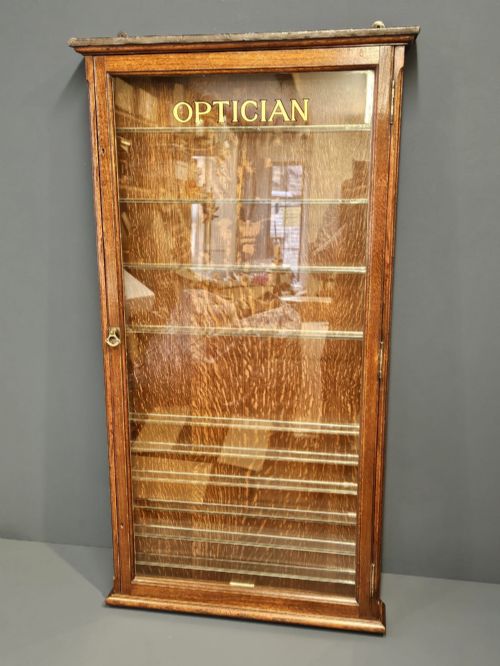


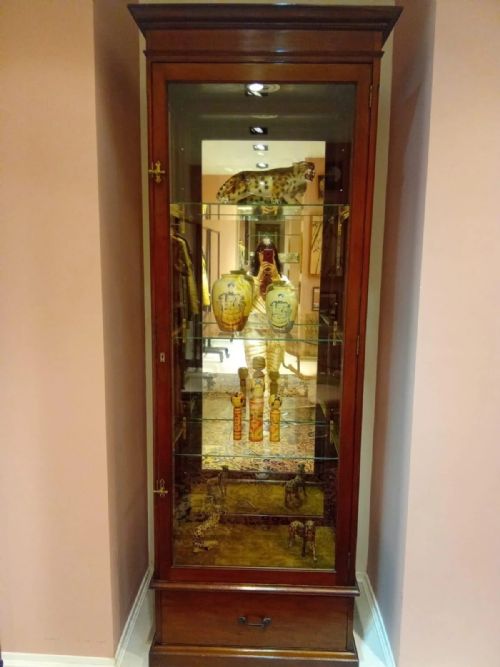


Edwardian Shop Display Cabinet
When seeking an Edwardian shop display cabinet, collectors find substantial timber and glass fixtures designed to merchandise goods in early retail spaces.
Edwardian Shop Display Cabinet
An Edwardian shop display cabinet serves as a focal point for interior spaces, originally built for commercial retail environments to showcase merchandise clearly to customers. These pieces span countertop models, wall-mounted units, and large freestanding vertical showcases designed for maximum visibility.
The materials and configurations reflect their heavy commercial use, predominantly featuring timber frames combined with extensive glass panels. Variations include bow-fronted designs, mirrored interiors to enhance light diffusion, and specialised layouts tailored for specific trades like confectioners, jewellers, and tobacconists.
How They Were Made
Cabinet makers utilised dense hardwoods such as mahogany and oak to construct sturdy framing capable of supporting heavy glass panels and repeated daily access. Brass hinges, locks, and handles provide durable mechanical operation for doors and drawers.
Glazing technique forms the primary structural method, using large single sheets or multiple panes secured with wooden beading to enclose the display area. Internal elements frequently incorporate adjustable glass shelves held by metal brackets to accommodate items of varying heights.
Edwardian Shop Display Cabinet Retail Price Guide 2026
Typical asking prices for edwardian shop display cabinet among the pieces listed under this phrase on Sellingantiques today, from the lower quarter to the upper quarter. They describe what is for sale here now, not the wider market.
Listings feature oak and mahogany construction paired with bevelled glass, brass hardware, and mirrored interior backs.
What Varies in Quality
Construction methods distinguish standard commercial fittings from high-end retail cabinetry, particularly in the precision of joinery and the selection of timber veneers. Superior examples exhibit finely turned mouldings, original cast brass hardware, and integrated mirrored backs that remain clear and intact.
The integrity of the original glass components and the operational smoothness of sliding or hinged doors indicate the level of initial craftsmanship. Maker attribution, such as branded shopfitting plates, further elevates the standing of specific commercial cabinets.
F. Sage & Co.·Manoah Rhodes & Sons Ltd
The Edwardian Shop Display Cabinet Glossary
- Vitrine
- A glass-fronted cabinet or display case designed specifically for showcasing fine objects or merchandise. These units often feature glazed sides to maximise light penetration.
- Haberdashery cabinet
- A specialised multi-drawer storage and display unit traditionally used for selling small sewing goods and textiles. They frequently incorporate glass-fronted pull-out drawers.
- Bow end
- A curved glass or timber section at the end of a cabinet. This curved profile softens the linear geometry of traditional shop fittings.
- Countertop display cabinet
- A compact showcase designed to sit upon a retail sales counter for impulse purchases. These units placed goods directly at eye level for waiting customers.
Edwardian Shop Display Cabinet: Frequently Asked Questions
What were these cabinets used for?
Merchants utilised these glass and timber enclosures to protect valuable stock while keeping items clearly visible to shoppers in busy Edwardian high street stores and emporiums.
Specific trades relied on customized interior layouts, from confectioners displaying chocolate boxes to jewellers arranging precious timepieces upon mirrored tiers.
How do I style one at home?
Freestanding and countertop cabinets integrate well into modern living spaces by providing dust-free storage for collections of ceramics, glassware, or books.
Positioning the unit near a natural light source allows the glazed panels and internal mirrors to brighten the surrounding room while highlighting displayed objects.
Are the shelves adjustable?
Many surviving examples feature removable or adjustable glass shelving supported by internal wooden tracks or metal brackets.
This adaptability enabled shopkeepers to reconfigure the interior space whenever their inventory changed in size or height.
How do I identify the period?
Examination of the timber, hardware, and construction techniques helps determine the manufacturing era, with Edwardian pieces typically showing dense mahogany or oak framing.
Original brass locks, maker stamps, and traditional joinery methods provide reliable indicators of early twentieth-century origin.