



Carved Oak Display Case
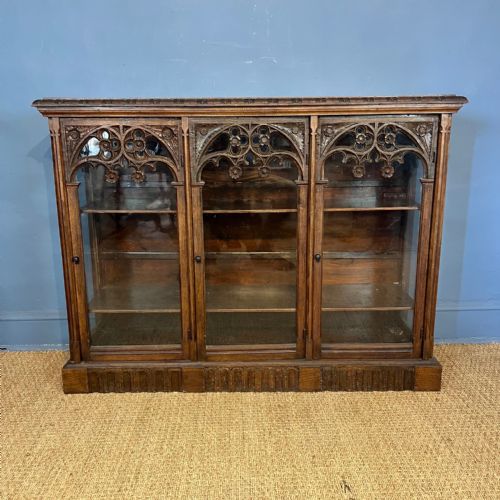
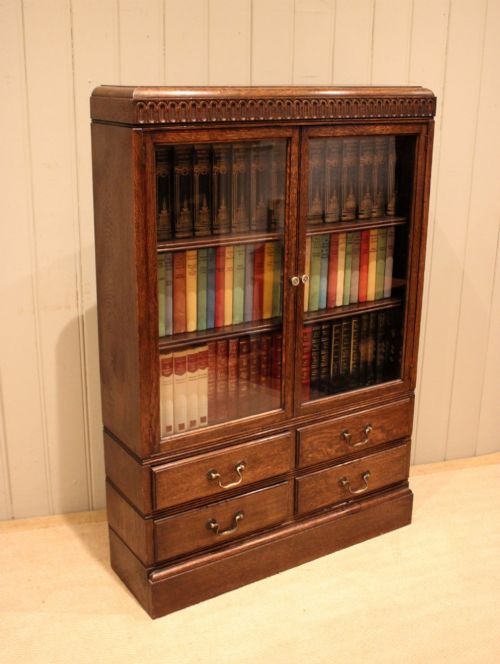
A carved oak display case brings substantial timber and clear glass together to hold library volumes, shop stock or collected treasures.
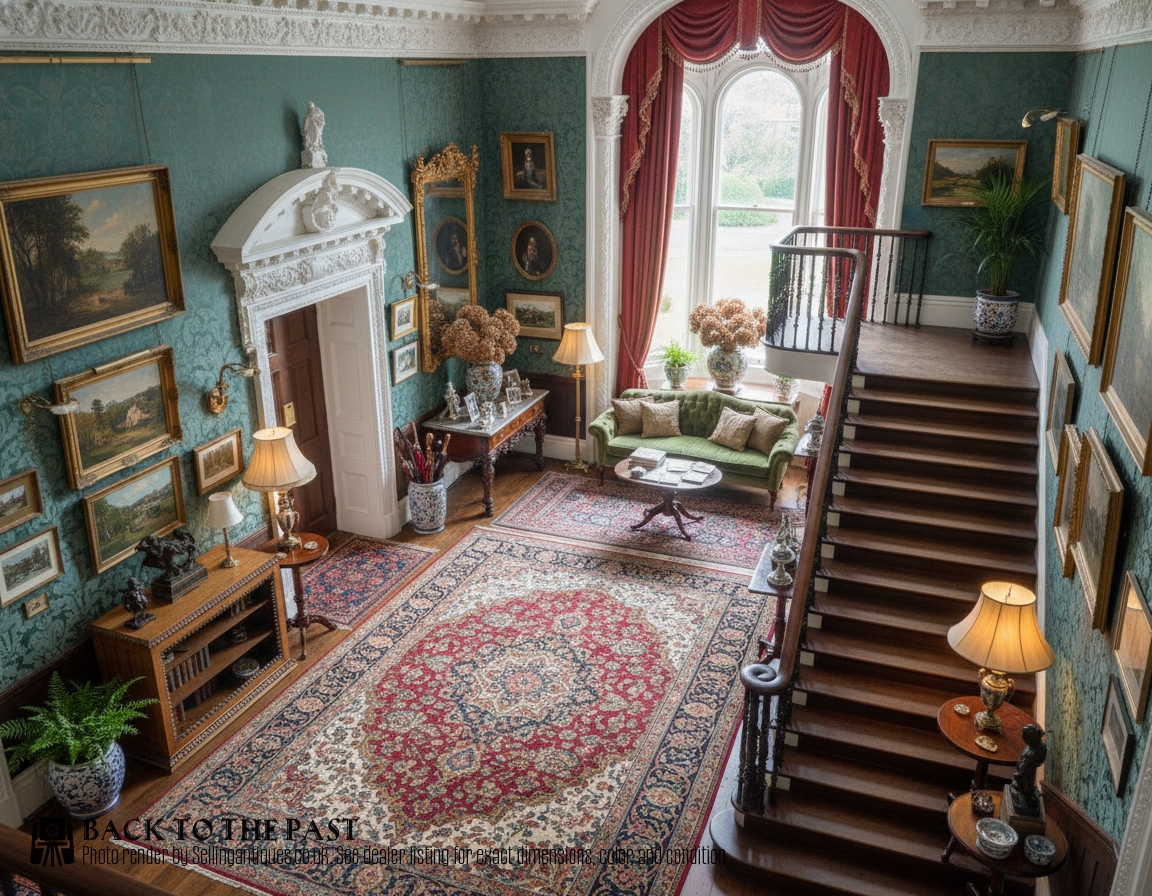
Carved Oak Display Case
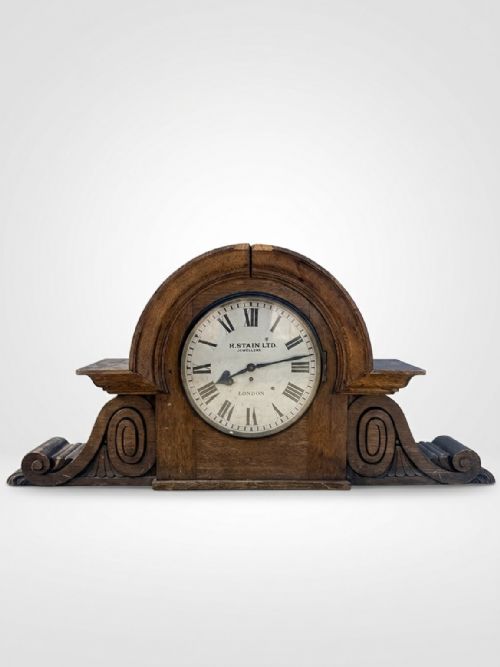
A carved oak display case combines sturdy timber framing with glazed panels designed to protect and exhibit contents ranging from library books to shop merchandise. These pieces span the nineteenth and early twentieth centuries, appearing in forms such as counter-top shop cabinets, tall library bookcases and wall-mounted shelves.
Jacobean Revival, Victorian Gothic Revival and Art Deco styles shape the decorative vocabulary of these items. You encounter upright display cabinets alongside horizontal shop counters and specialised gun cabinets or dioramas.
The material palette relies primarily on oak combined with glass, brass hardware and occasional beech or iron details. Many examples reflect the solid construction methods of nineteenth-century cabinet makers adapting historical motifs for domestic and commercial interiors.
Factors influencing quality
The distinction between standard utility pieces and finer examples rests on the depth and crispness of the wood carving. Superior cabinets display well-proportioned architectural details, such as breakfront facades and integrated mouldings, rather than plain flat surfaces.
Hardware selection and timber choice also dictate standard. Better examples utilise dense, quartersawn oak with distinct medullary rays, fitted with original brass hinges, working locks and clean, unwarped glass panels.
Carved Oak Display Case Retail Price Guide 2026
Typical asking prices for carved oak display case among the pieces listed under this phrase on Sellingantiques today, from the lower quarter to the upper quarter. They describe what is for sale here now, not the wider market.
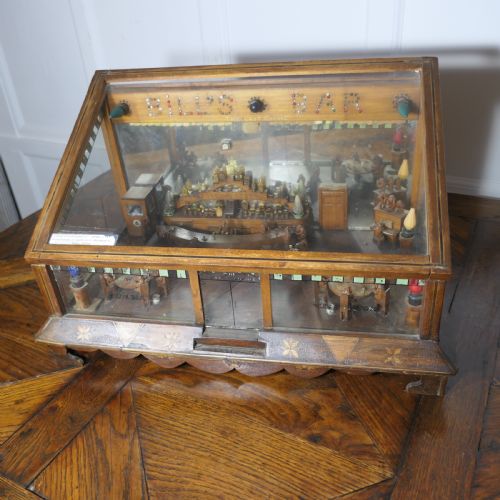
An early twentieth-century prisoner art diorama captures a miniature monkey saloon bar carved entirely from wood.
The Carved Oak Display Case Glossary
- Breakfront
- A cabinet design where the central section projects forward from the flanking wings. This architectural arrangement adds visual depth to large library bookcases.
- Barley twist
- A carved or turned spiral column resembling a twisted rope. This decorative woodwork appears frequently on seventeenth-century revival furniture from the nineteenth century onwards.
- Vitrine
- A glass-sided display cabinet designed specifically for showing porcelain, curiosities or fine objects. The term derives from the French word for glass.
- Quartersawn
- Timber cut perpendicular to the annual growth rings, producing durable boards with a characteristic striped grain pattern. This method minimises warping in large oak panels.
- Strapwork
- A decorative carving motif resembling interlaced leather bands or flat ribbons. It is a defining feature of Jacobean and Elizabethan revival styles.
Carved Oak Display Case: Frequently Asked Questions
How do I date a carved oak display case?
Dating relies on stylistic clues, construction methods and the specific revival period influences visible in the carving. Victorian and Edwardian examples often incorporate distinct period hardware alongside historical revival motifs like Gothic arches or Jacobean strapwork.
Secondary woods, backboards and interior construction details help differentiate mid-nineteenth-century pieces from later twentieth-century reproductions or adaptations. Examining the joints and glass production methods provides further context for the decade of manufacture.
Where were shop display cabinets used?
Counter-top and standing shop cabinets served nineteenth-century merchants for displaying small valuable goods, jewellery and dry stock securely. Retailers positioned them on counters or shop floors to allow customer inspection while protecting items from handling.
These commercial pieces often feature rear access doors for the shopkeeper and robust oak frames built to withstand daily retail environments.
Can these cabinets support heavy books?
Solid oak construction and sturdy shelving make many of these large bookcases and display combinations suitable for supporting heavy volumes. Library and breakfront editions were engineered specifically to hold substantial collections of bound books.
Checking the depth and support of the internal shelving ensures the timber can bear the weight of dense modern hardbacks or antique folios without sagging.
What is Gothic Revival oak furniture?
Gothic Revival furniture adapts medieval architectural elements such as pointed arches, quatrefoils and heavy mouldings into Victorian domestic pieces. Cabinet makers applied these dramatic motifs to dark oak to create imposing bookcases and display furniture.
This style flourished during the nineteenth century, drawing inspiration from medieval ecclesiastical and domestic buildings.
How do I clean an antique oak cabinet?
Maintenance involves dusting with a soft, dry cloth to prevent grit accumulation on the carved wood surfaces and glass panels. Avoiding silicone-based polishes preserves the original patina and finish of the antique timber.
Glass panes require a mild glass cleaner applied to a cloth rather than sprayed directly onto the cabinet, protecting the surrounding oak and brass hardware from moisture damage.