






17th Century Style Cabinet
A 17th century style cabinet brings heavy timber, rich grain and centuries of architectural presence into a modern room.
17th Century Style Cabinet
When you search for a 17th century style cabinet, you encounter sturdy pieces built to emulate the heavy architectural forms of the 1600s. The selection on this page ranges from authentic period works to later revival interpretations made across the Victorian era and into the early twentieth century.
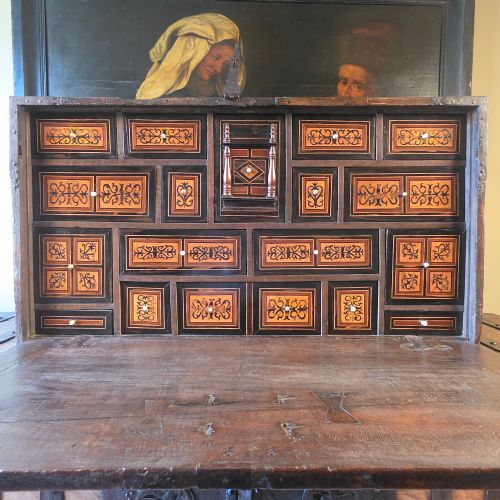
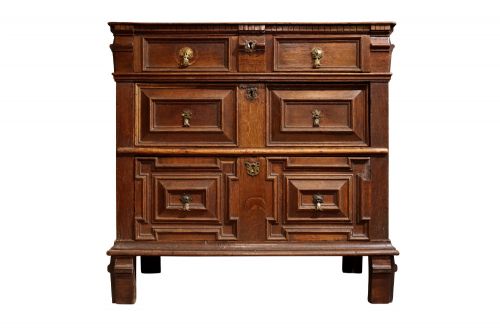
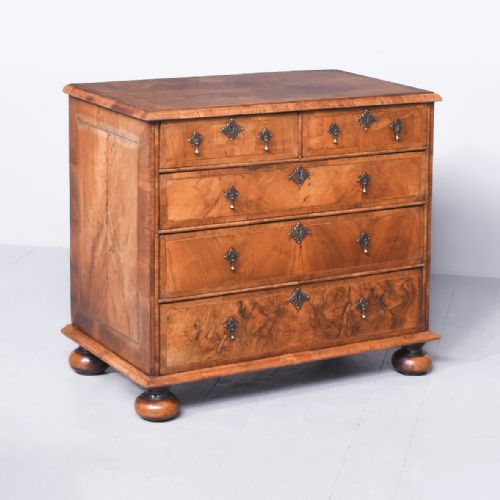
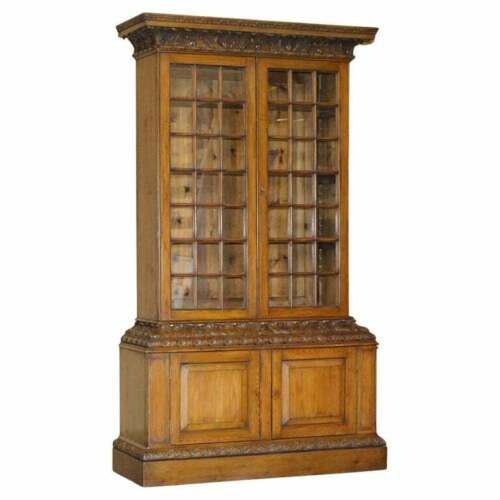
The most common forms you will meet here include carved oak court cupboards, oak sideboards, and walnut chests of drawers. Many pieces display revival styles such as Jacobean, William and Mary, and Baroque, often utilising rich timbers like oak, walnut, and kingwood.
Makers drew heavily on seventeenth-century motifs, applying geometric mouldings, intricate carving, and parquetry veneers. These items served practical storage roles in historic interiors and continue to anchor modern rooms with strong period character.
What varies in quality
Quality in these cabinets rests upon the depth of the carving, the selection of timber, and the integrity of the construction. Superior pieces display crisp, deep hand-carving and well-matched grain patterns across solid oak, walnut, or exotic veneers.
Lesser examples rely on mechanical production methods or simpler surface decoration with less attention to historical detail. The sophistication of the hardware, the precision of the joinery, and the presence of period-appropriate timbers distinguish the finest works from standard revival pieces.
17th Century Style Cabinet Retail Price Guide 2026
Typical asking prices for 17th century style cabinet among the pieces listed under this phrase on Sellingantiques today, from the lower quarter to the upper quarter. They describe what is for sale here now, not the wider market.
Some cabinets hide secret compartments behind sliding panels, originally designed for stabling family gold.
Waring & Gillow
The 17th Century Style Cabinet Glossary
- Court cupboard
- A heavy storage piece with enclosed upper and lower sections, typical of seventeenth-century dining halls. These items were traditionally used for displaying plate and storing household provisions.
- Parquetry
- A geometric mosaic of wood pieces used for decorative veneer on cabinet surfaces. This technique creates intricate patterns using contrasting tones of timber.
- Escritoire
- A writing cabinet featuring a fall-front desk section concealing small drawers and compartments. This form gained popularity during the late seventeenth century.
- Jacobean style
- An English design aesthetic spanning the early to mid-seventeenth century, characterised by robust proportions and strapwork carving. Revival versions replicate these heavy architectural lines.
- Oyster veneer
- Circular veneer slices cut across small branches to create distinctive oyster-shell patterns. This technique appears frequently on late seventeenth-century walnut furniture.
17th Century Style Cabinet: Frequently Asked Questions
What is a 17th century style cabinet?
A 17th century style cabinet is a storage piece designed to mimic the heavy timber construction, dark finishes, and ornate carving of the 1600s. These items range from genuine period survivals to nineteenth and twentieth-century revival interpretations.
They offer practical storage while introducing strong architectural lines and historic character to a room. Walnut, oak, and fruitwood are the primary materials used in their construction.
How do I date an antique cabinet?
Dating a cabinet involves examining the wood species, construction techniques, tool marks, and hardware. Revival pieces often combine older styles with later manufacturing methods visible inside the drawers and carcass.
Looking closely at the backboards, secondary timbers, and lock mechanisms helps determine whether a piece is an original seventeenth-century work or a later revival.
Where should I place a cabinet?
These substantial pieces anchor dining rooms, hallways, and libraries, providing both display space and enclosed storage. Their dark timber tones complement traditional interiors as well as contemporary rooms seeking textural contrast.
Keep them away from direct heat sources and strong sunlight to protect the aged wood, polish, and delicate veneers from drying out.
How do I care for antique oak?
Antique oak benefits from occasional applications of beeswax to nourish the timber and maintain a soft, protective sheen. Avoid silicone-based sprays and excessive moisture, which can damage the historic surface.
Dusting with a dry, soft cloth prevents particle buildup in the deep crevices of the hand-carved panels and mouldings.
What is the difference between oak and walnut?
Oak is a heavy, coarse-grained timber used extensively in English furniture throughout the seventeenth century for its exceptional durability. Walnut offers a finer grain and richer brown tones, frequently utilised for veneered surfaces and decorative parquetry.
Cabinets made from walnut often date to the later part of the seventeenth century or subsequent revival periods.