


Flemish Oak Cupboard
These heavy oak cupboards bring centuries of continental craftsmanship into a room, offering robust storage carved with deep figurative detail.
Flemish Oak Cupboard
The term flemish oak cupboard covers a broad array of heavy storage furniture, ranging from early floor-standing armoires and court cupboards down to smaller table cabinets and pieces on stands. When searching this phrase, a buyer encounters pieces originating from the sixteenth century up to the nineteenth century, with Victorian revivals of continental styles appearing frequently.
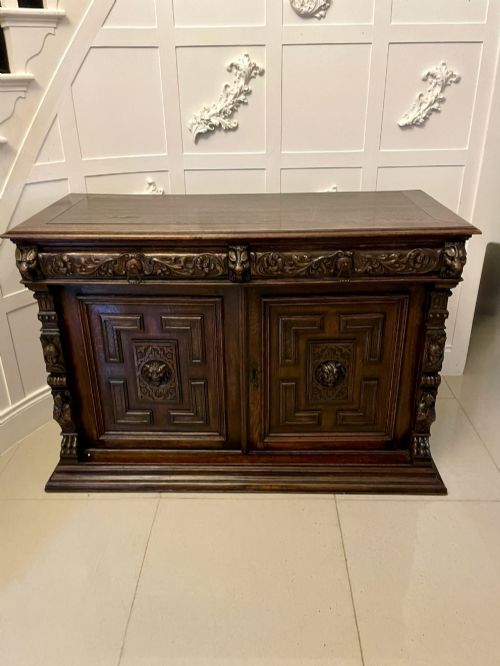
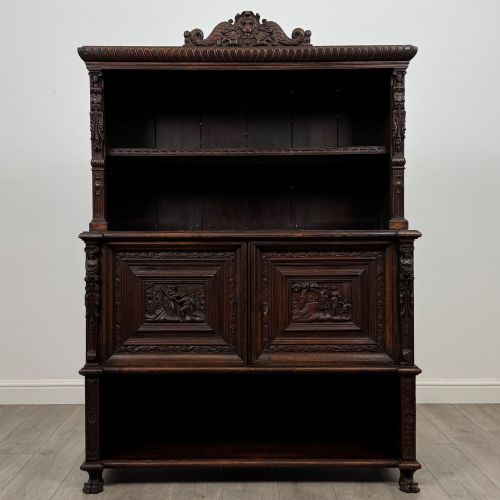
Forms vary from monumental hall cupboards and sideboards fitted with mirror backs or stained glass to compact corner units and cabinets embellished with lion masks. The material focus remains firmly on timber, often paired with iron and brass hardware, reflecting durable domestic and civic storage traditions.
Materials and construction
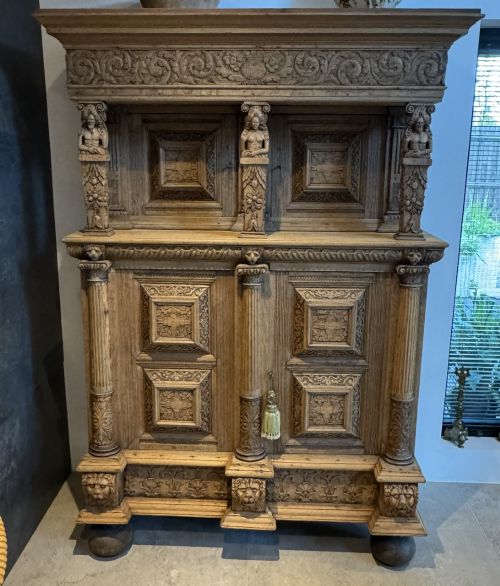
Makers relied on solid oak as the primary structural and decorative timber, supplemented occasionally by fruitwood inlay, rosewood, and ebony for contrast. Panels were heavily carved with deep relief scenes, geometric mouldings, and figural motifs that define the regional aesthetic.
Iron and brass hinges, locks, and handles secure the heavy doors and drawers, while select examples incorporate stained glass panels or oil painting scenes into the cabinetry. Construction techniques prioritize sturdy joinery capable of supporting substantial timber cornices and carved cupboard bases.
Flemish Oak Cupboard Retail Price Guide 2026
Typical asking prices for flemish oak cupboard among the pieces listed under this phrase on Sellingantiques today, from the lower quarter to the upper quarter. They describe what is for sale here now, not the wider market.
Lion masks peer from cabinet stands, watching over centuries of stored domestic goods with stoic wooden vigilance.
Evaluating the craftsmanship
Quality rests in the depth and crispness of the carving, where sharply articulated figures and balanced proportions distinguish finer work from softer, more repetitive tool marks. The integration of secondary timbers, such as fruitwood inlay or ebony details, adds complexity to the surface.
Structural integrity of the heavy oak doors, stands, and internal shelving dictates the utility of each piece. Superior examples maintain original brass and iron hardware alongside well-preserved timber patination developed over centuries.
The Flemish Oak Cupboard Glossary
- Flemish Baroque
- A flamboyant stylistic period characterised by theatrical movement, rich surface carving, and heavy architectural elements. This style heavily influenced later nineteenth-century revival pieces.
- Court cupboard
- A formal two-tiered storage piece used for displaying plate and storing provisions in wealthy households. These early forms often feature open lower sections enclosed by later modifications.
- Kast
- A large, substantial continental wardrobe or cupboard featuring deep cornices and panelled doors. These pieces provide monumental storage capacity within a domestic interior.
- Stained glass
- Coloured glass panels held within lead cames, occasionally integrated into upper cupboard doors. This material introduces coloured light into the cabinet interior.
- Fruitwood inlay
- Contrasting lighter wood sections inserted into the primary oak surface to create geometric or floral patterns. This decorative technique highlights the skill of the cabinetmaker.
Flemish Oak Cupboard: Frequently Asked Questions
How do I date a flemish oak cupboard?
Dating relies on examining the construction methods, joinery style, and the depth of the oak carving. Earlier pieces from the sixteenth and seventeenth centuries exhibit hand-riven boards and simpler architectural mouldings compared to later nineteenth-century revival items.
Hardware placement and lock mechanisms also provide clues, as hand-forged iron hinges differ noticeably from later mass-produced brass fittings. Comparing the timber patination across interior and exterior surfaces helps confirm the age of the piece.
Where were these cupboards originally used?
These storage pieces served primary functions in dining halls, parlours, and civic buildings across Flanders and the broader continent. Larger armoires and court cupboards held valuable textiles, silver, and provisions for the household.
Smaller table cabinets and pieces on stands provided secure storage for documents, collectables, and precious objects. Their robust construction ensured they survived centuries of domestic use.
Are these cupboards suitable for modern homes?
Their substantial depth and heavy oak construction require careful placement to ensure they fit comfortably within a contemporary room layout. Many pieces function effectively as linen presses, cocktail cabinets, or hallway storage units.
Internal shelving can often accommodate modern storage needs while preserving the historical exterior appearance. The dark timber tones anchor a room, pairing well with neutral walls and diverse interior styles.
What is a cupboard on stand?
A cupboard on stand consists of an enclosed cabinet box raised upon an integrated wooden base with legs or a stretcher frame. This elevation lightened the visual weight of heavy oak furniture and kept contents away from damp floors.
Revival versions from the nineteenth century frequently incorporate elaborate carved details such as lion masks into the stand structure. This form combines the security of a cabinet with the decorative presence of a side table.