
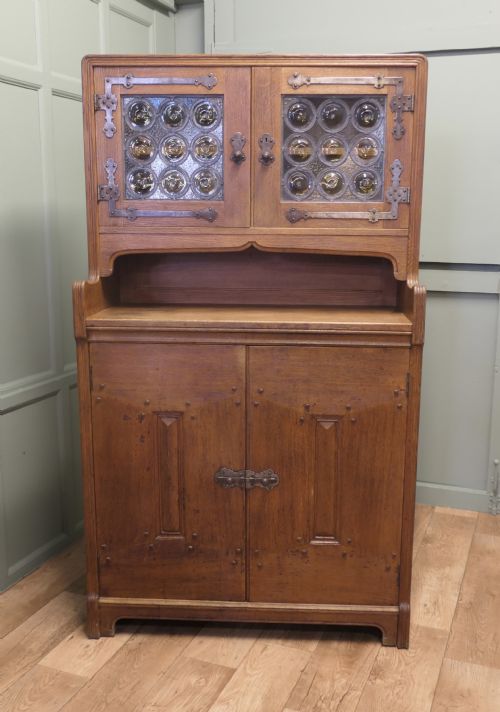
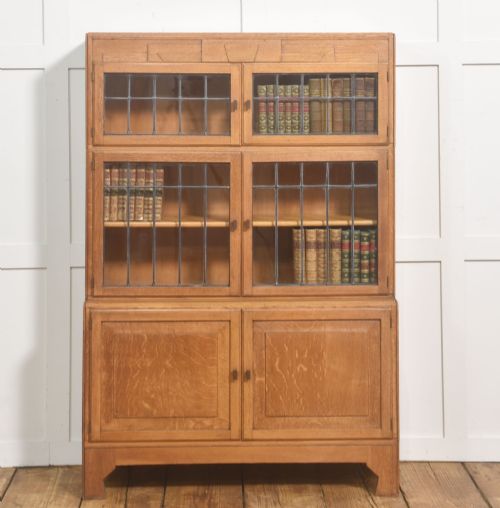
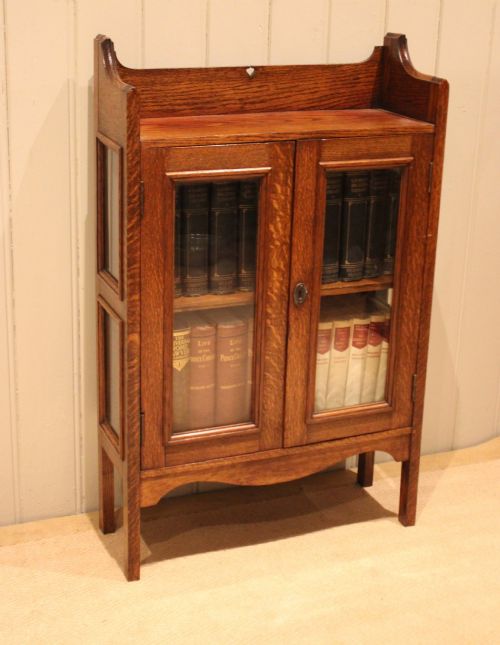
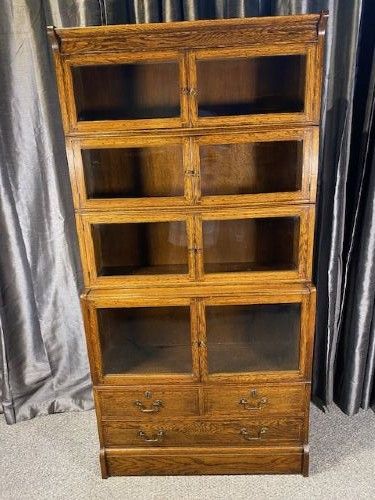
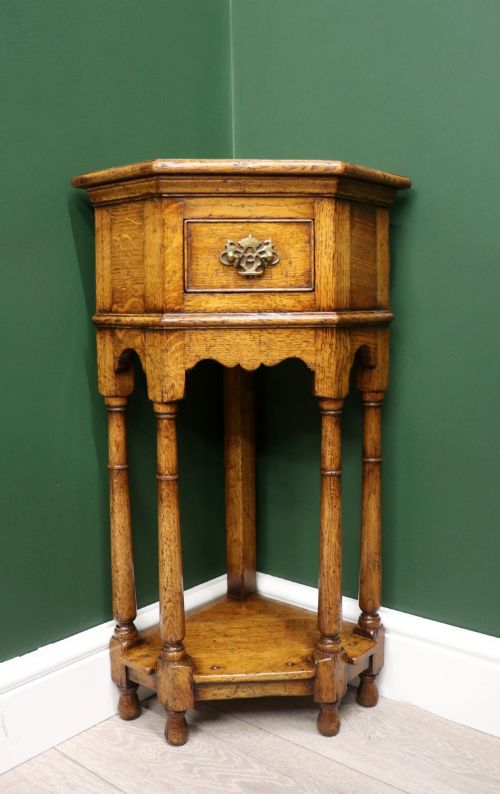
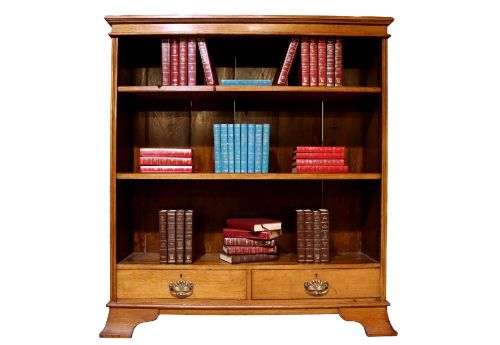


Golden Oak Display Cabinet
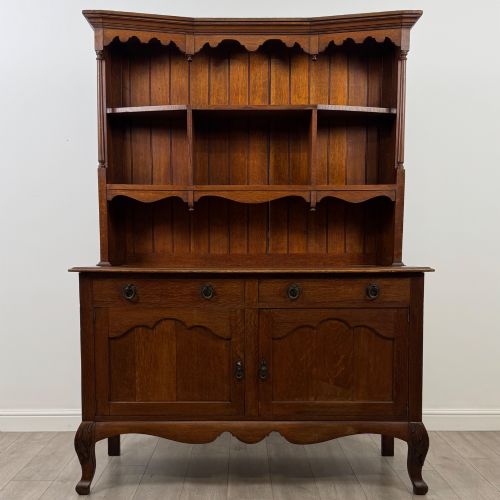
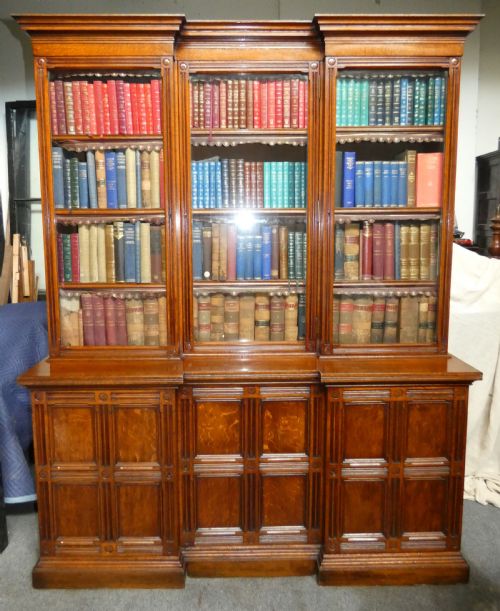
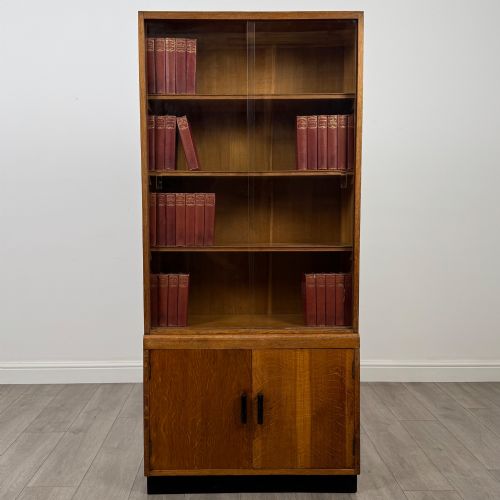
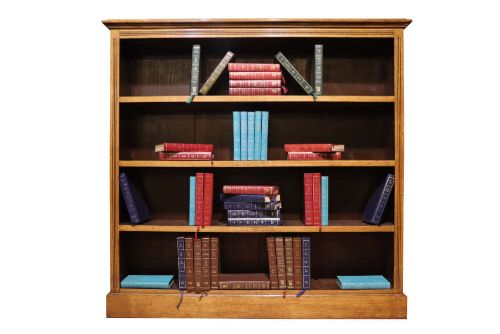
A golden oak display cabinet brings rich warmth and clear glass together to showcase treasured objects in any room.
Understanding the Golden Oak Display Cabinet
A golden oak display cabinet combines sturdy timber frames with glazed doors to protect and exhibit books, china, and curiosities. These pieces emerge across several periods, most notably through Victorian, Edwardian, and later twentieth-century iterations.
The selections here span diverse forms, ranging from tall library bookcases and shop vitrines to smaller counter-top jewellery cabinets and corner cupboards. Makers adapted this specific oak finish to suit domestic interiors and commercial settings alike.
Stylistic influences vary significantly across the inventory, touching upon Arts and Crafts simplicity, Gothic Revival detailing, Jacobean revival heaviness, and streamlined Art Deco geometry. Each era imprints distinct proportions and decorative restraint upon the oak framework.
Materials and Construction
Makers utilised solid oak and pollard oak, harnessing the distinctive grain patterns and warm tones of the timber to anchor each piece. Glazed panels and brass or iron hardware complete the primary structural composition.
Cabinetmakers applied traditional joinery techniques to assemble heavy display furniture designed to withstand decades of use. Timber surfaces received polished finishes that accentuate the natural figure of the golden oak.
Retail Price Guide 2026
Typical UK retail prices for golden oak display cabinet, calculated from the Sellingantiques database of over a million retail prices indexed since 2003. This retail price guide relies exclusively on Sellingantiques data; no external sources or auction records are used, so the figures do not describe the wider market.
Early shopkeepers trusted golden oak vitrines so thoroughly to tempt buyers that even pocket watches gained their own miniature display homes.
Assessing Quality and Craftsmanship
Superior examples display exceptional selection of figured pollard oak veneers and precise, hand-cut joinery that ensures structural integrity without excessive bulk. The refinement of stylistic carvings and the integration of original brass or iron fittings elevate a piece above standard utility items.
Consider the clarity of the glass panels and the smoothness of door mechanisms, which reveal the original maker's attention to functional detail. Finer cabinets maintain balanced proportions and harmonious hardware that complement the rich colour of the golden oak timber.
Liberty·A Blain and Son Liverpool
The Golden Oak Display Cabinet Glossary
- Pollard oak
- Timber taken from a tree that has been pruned close to the trunk to encourage dense, highly decorative branch growth. This creates swirling grain patterns highly prized by nineteenth-century cabinetmakers.
- Vitrines
- Glass-fronted display cabinets designed primarily for exhibiting porcelain, small objects, or curiosities. They emphasise transparency and light within interior spaces.
- Arts and Crafts
- A design movement prioritising honest construction, visible handcraftsmanship, and simple utility over excessive machine-made ornamentation.
Frequently Asked Questions
What periods do these cabinets come from?
The available pieces span from the mid-nineteenth century through the Victorian era and into the Art Deco period of the nineteen-thirties.
Craftsmen built these cabinets across distinct stylistic revivals, incorporating Arts and Crafts and Jacobean design elements alongside cleaner modern lines.
How were these cabinets originally used?
Owners utilised these cabinets to protect and display valuable books, family silverware, fine porcelain, and delicate curiosities.
Commercial variants served shops and museums as counter-top vitrines or tall haberdashery units designed to showcase merchandise clearly to customers.
How do I identify pollard oak?
Pollard oak exhibits a distinctive swirling, dotted grain pattern created by heavy pruning of the living tree. This unique figuring sets it apart from standard straight-grained oak timber.
Cabinetmakers reserved this decorative wood for prominent door panels and primary display surfaces where grain patterns would attract attention.
Are these cabinets suitable for small rooms?
Compact forms such as corner cupboards and counter-top display cases fit easily into restricted domestic spaces without dominating the floor plan. Wall-mounted glazed options also lift storage off the ground while keeping treasured items visible.