



Liberty Style Bookcase
A liberty style bookcase brings straightforward architectural honesty to a room, pairing solid timber with honest metalwork.
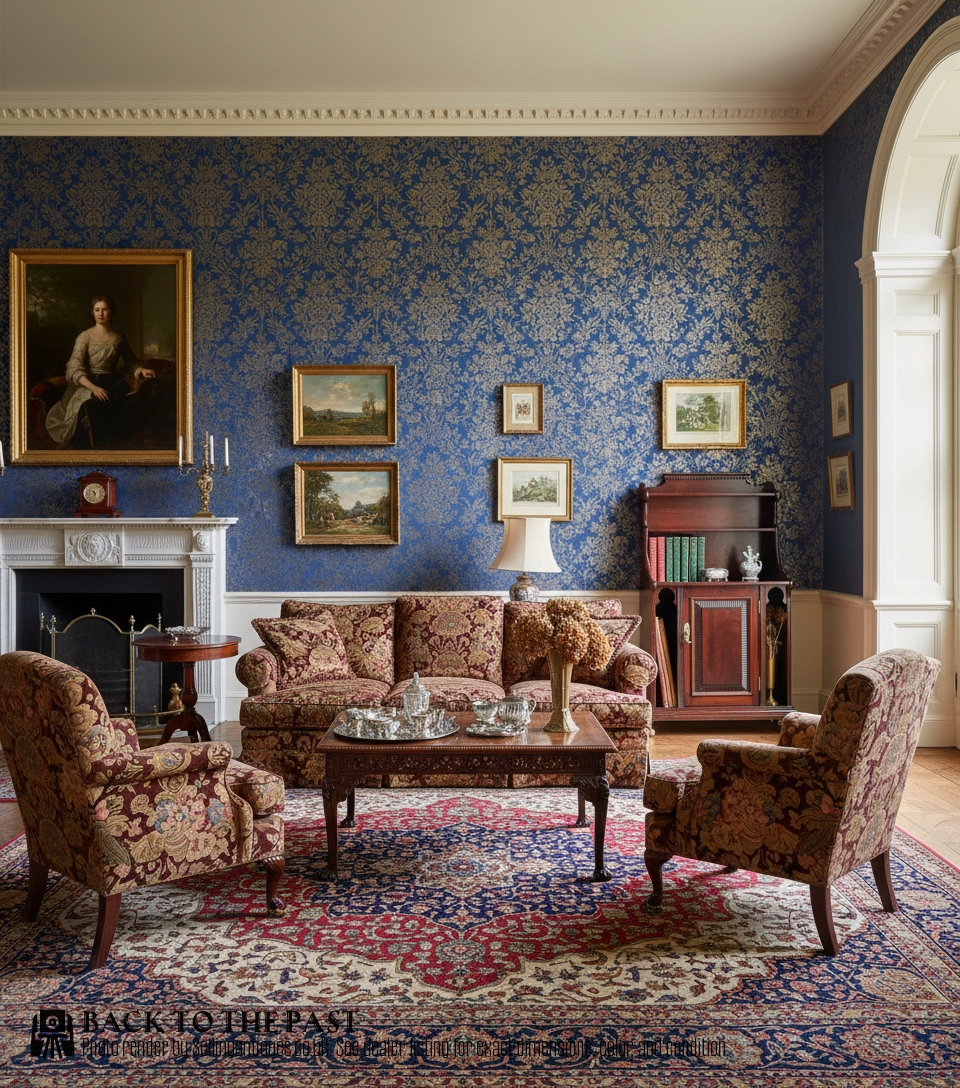
Liberty Style Bookcase
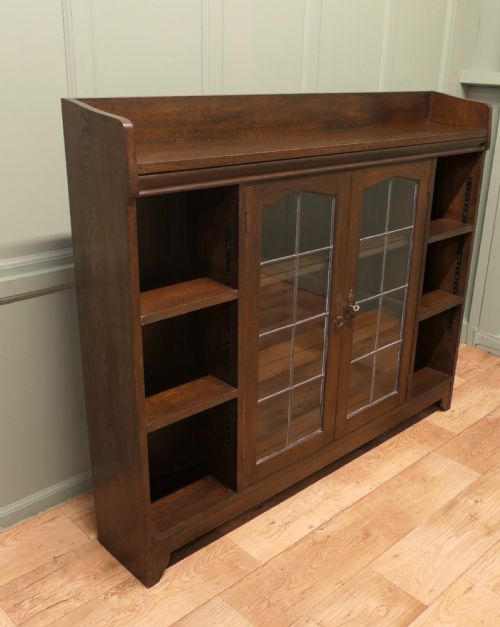
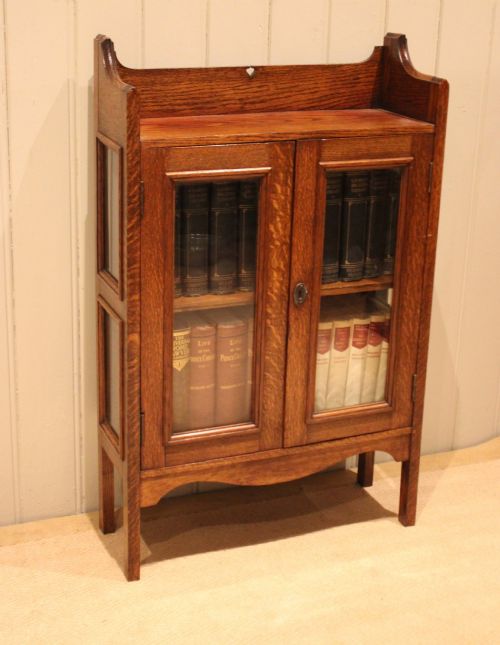
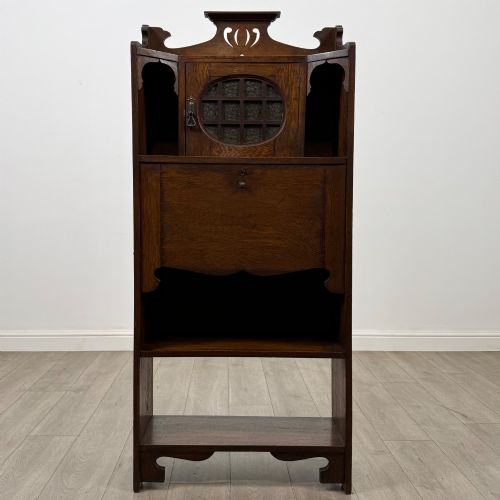
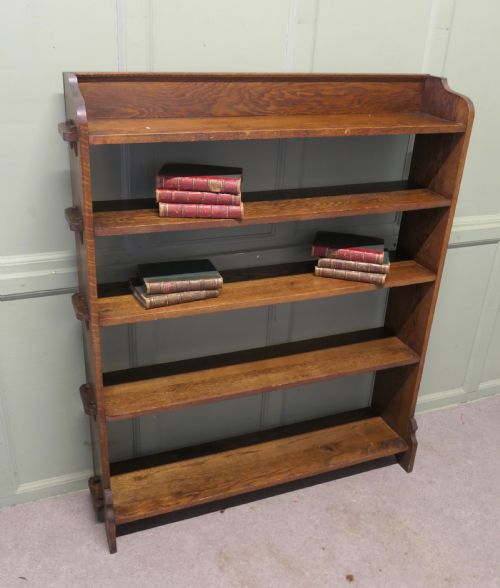
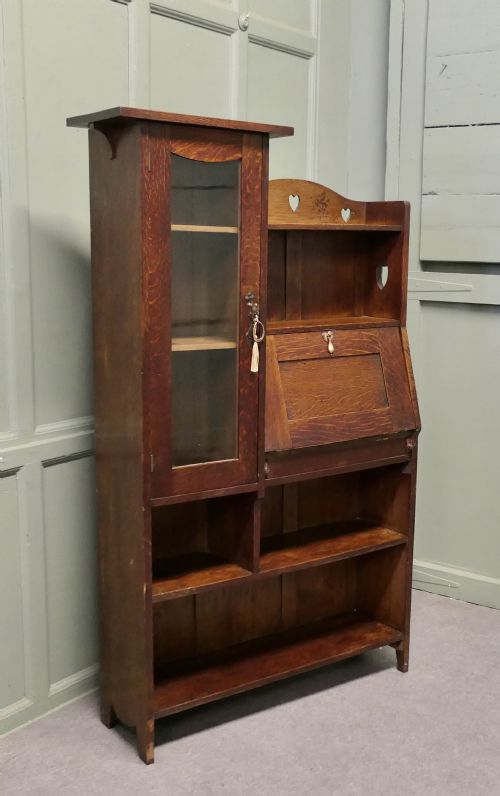
A liberty style bookcase sits firmly within the Arts and Crafts tradition, spanning the late nineteenth and early twentieth centuries. Pieces range from simple open shelving units in golden oak to substantial bureau bookcases fitted with glazed doors and brass hinges.
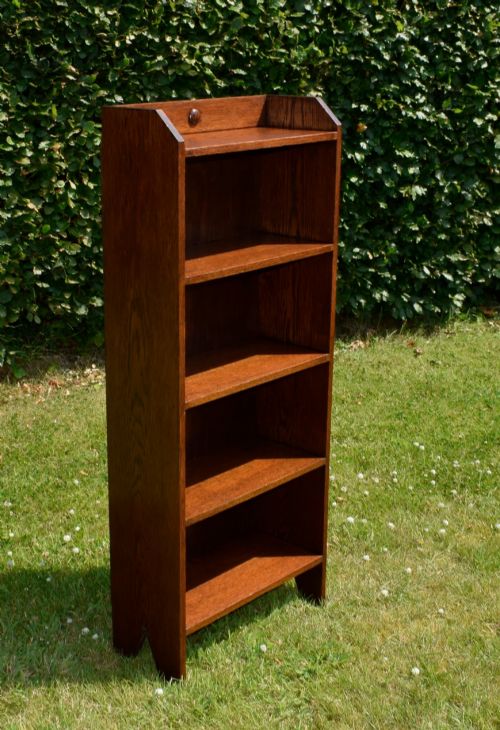
The version you meet most often on this page is the compact oak open bookcase from the Edwardian period or around nineteen hundred. These domestic pieces prioritise functional shelf space and structural grain over applied ornament.
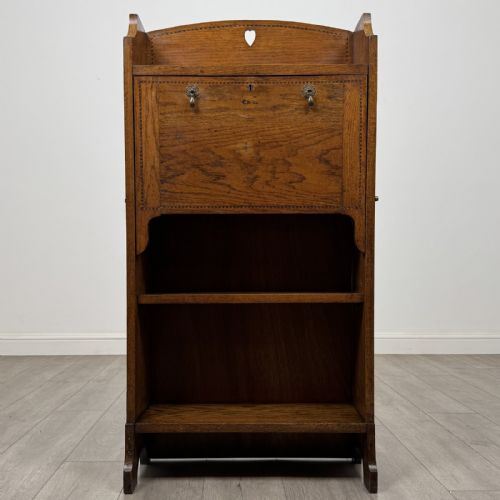
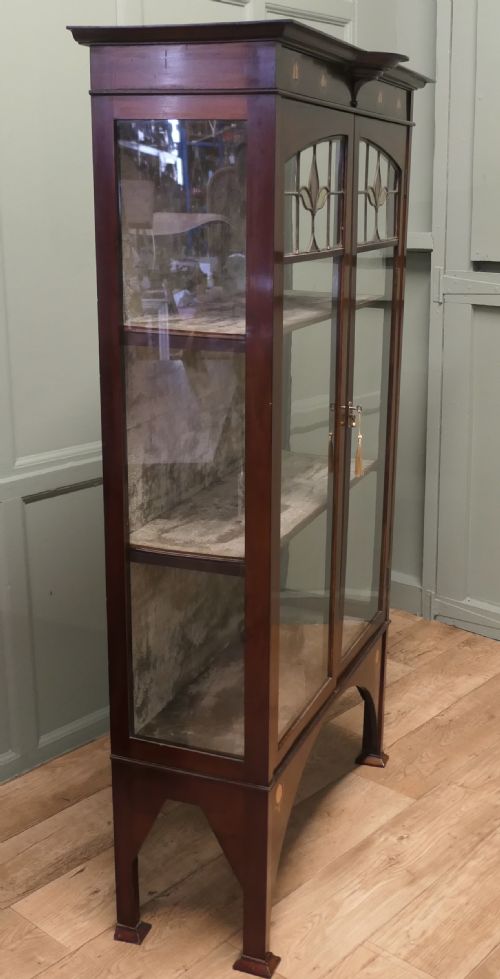
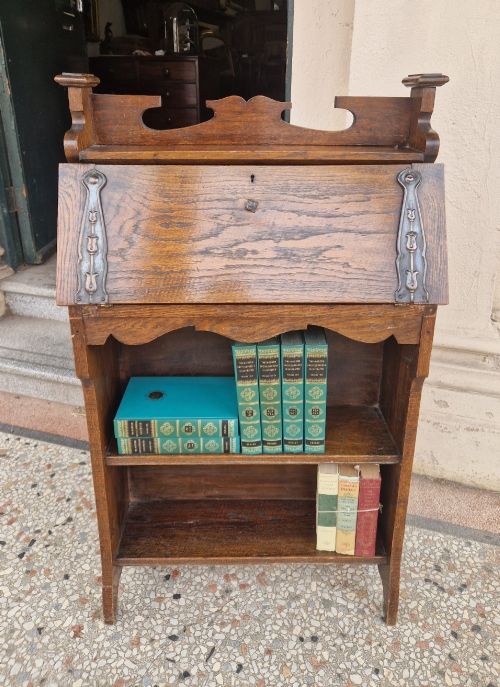
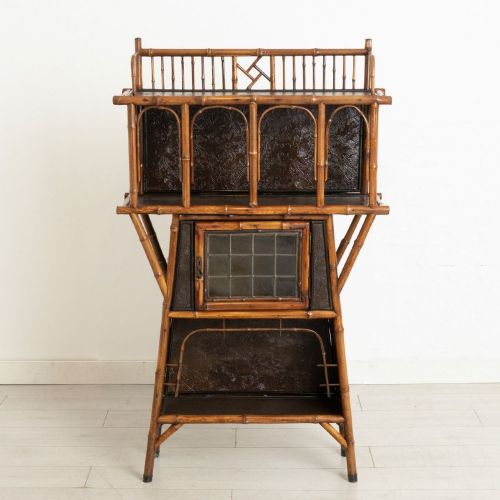
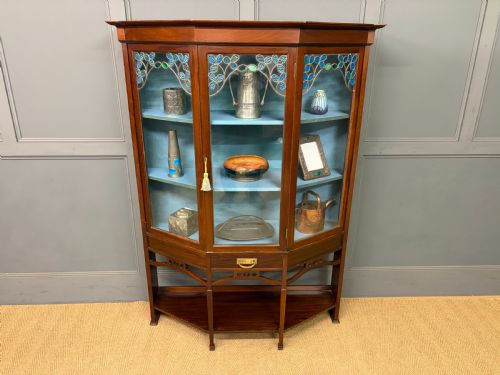
Makers occasionally combined writing surfaces with book storage, producing student bureaux and side cabinets that reflect the versatility required in smaller homes of the era. Taller display cabinets and carved oak book stands also appear among the selections.

Judging quality and proportion
Quality rests on the selection of timber and the restraint of the design, where superior examples display balanced proportions and thoughtful grain matching across the panels.
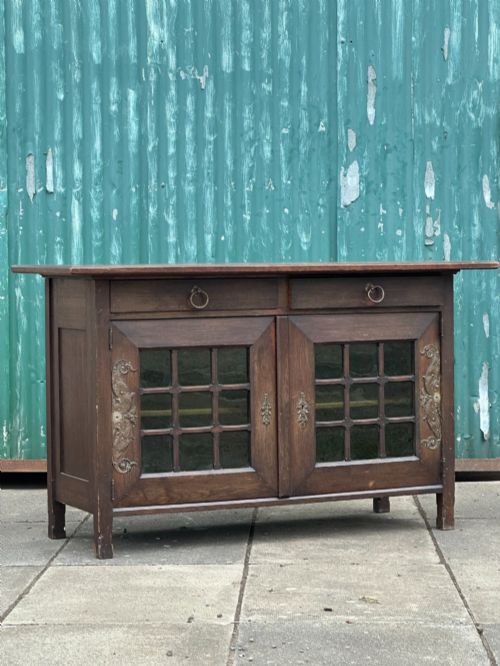
The integration of metalwork distinguishes finer pieces, with hand-beaten copper strapwork and leaded glass offering a more considered aesthetic than standard factory production.
Original hardware, adjustable shelving mechanisms, and well-preserved surface patination separate workshop-produced examples from later commercial interpretations.
Liberty Style Bookcase Retail Price Guide 2026
Typical asking prices for liberty style bookcase among the pieces listed under this phrase on Sellingantiques today, from the lower quarter to the upper quarter. They describe what is for sale here now, not the wider market.
One unexpected bookcase includes a hidden motivational motto inscribed along the timber frame to inspire your reading.
Liberty and Co·Shapland and Petter
The Liberty Style Bookcase Glossary
- Arts and Crafts
- A design movement valuing handcraft, traditional materials, and functional simplicity over mass production. It directly influenced the cabinetmakers who built these bookcases.
- Leaded Glass
- Small panes of glass held together by strips of lead, creating geometric or floral patterns within cabinet doors. This technique provides both strength and visual interest.
- Bureau Bookcase
- A dual-purpose piece combining a sloping fall-front desk section with open or glazed shelving above. It offers compact workspace alongside dedicated book storage.
- Golden Oak
- A light, warm timber finish popular during the Edwardian era that highlights the natural medullary rays of the wood. It remains a defining characteristic of many period pieces.
Liberty Style Bookcase: Frequently Asked Questions
How do I date a liberty style bookcase?
Dating relies on combining stylistic markers, timber types, and construction methods recorded across pieces from the late nineteenth and early twentieth centuries. Oak and brass hardware feature prominently throughout these decades.
Examining the backboards, fixings, and interior linings often reveals clues regarding manufacturing methods. Comparing these details against documented workshop output helps narrow the period.
Where should I place a bureau bookcase?
A bureau bookcase functions well in a study or living room where both writing space and shelving are useful. The drop-front desk requires sufficient clearance when open.
Keeping the piece away from direct heat sources and strong sunlight protects the timber and finish over time. Adequate floor space allows the proportions to sit comfortably within the room.
Are the shelves adjustable on these bookcases?
Many period bookcases feature adjustable shelving supported by wooden ratchets or metal pins. This system allowed owners to alter shelf heights for varying book sizes.
Fixed shelving also appears frequently, particularly in smaller open-front models. Checking the internal uprights reveals whether the height adjustments are original to the piece.
What is the difference between Arts and Crafts and Art Nouveau?
Arts and Crafts design focuses on structural honesty, visible joinery, and traditional craftsmanship using solid woods and metals. The aesthetic is robust and rectilinear.
Art Nouveau introduces flowing, organic lines and stylized natural motifs such as whiplash curves. Pieces on this page occasionally blend these overlapping design philosophies.