

Antique Book Shelves
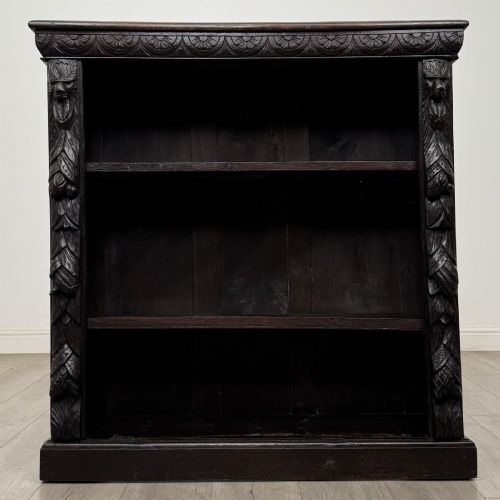
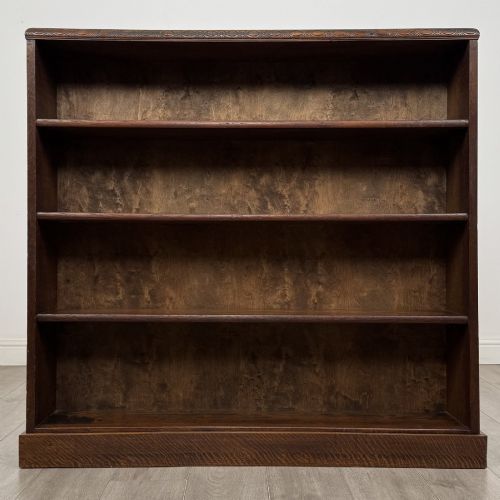
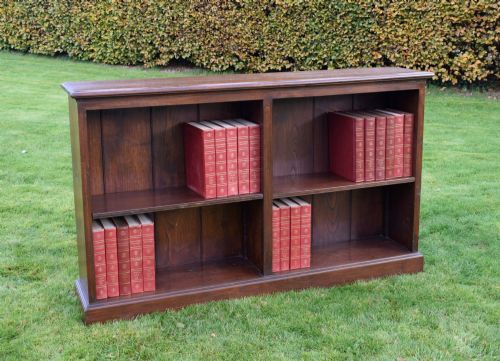
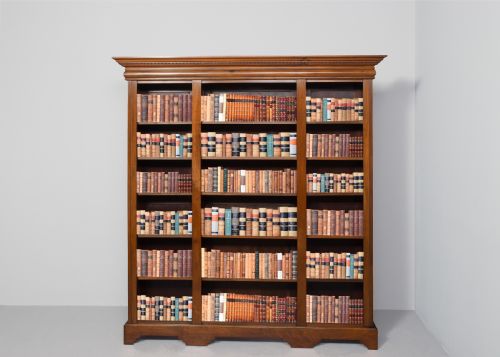
Antique book shelves span sturdy oak floor-standing bookcases to delicate mahogany wall units, offering practical storage and timeless architectural presence.
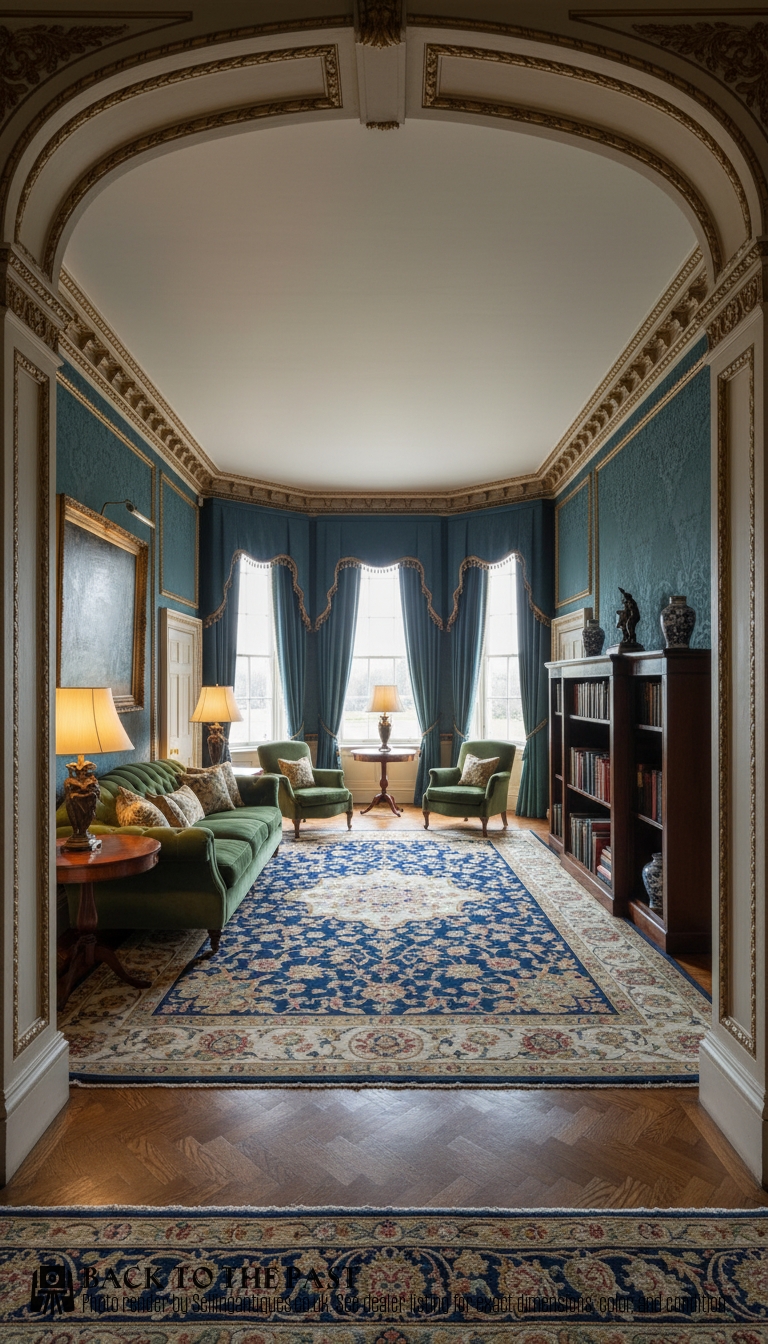
Antique Book Shelves
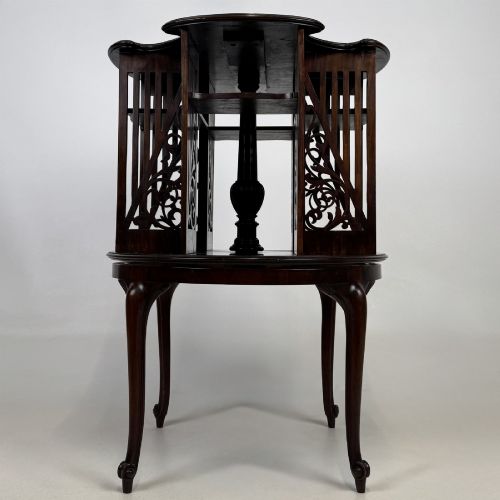
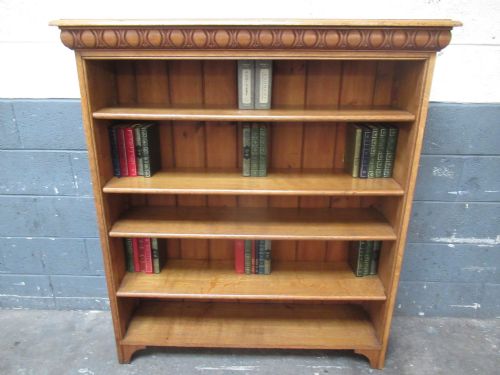
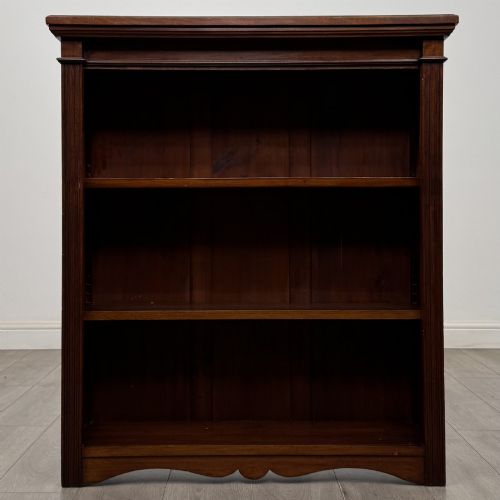
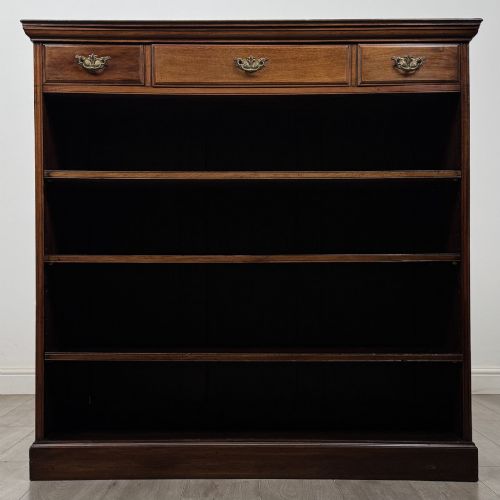
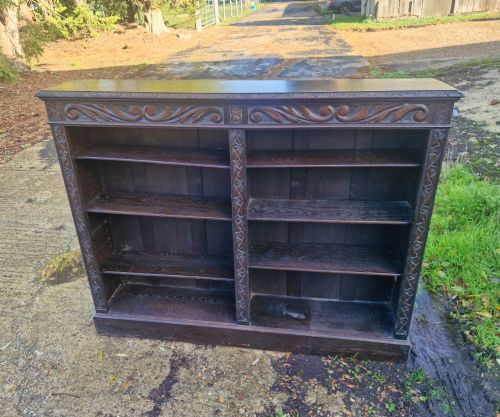
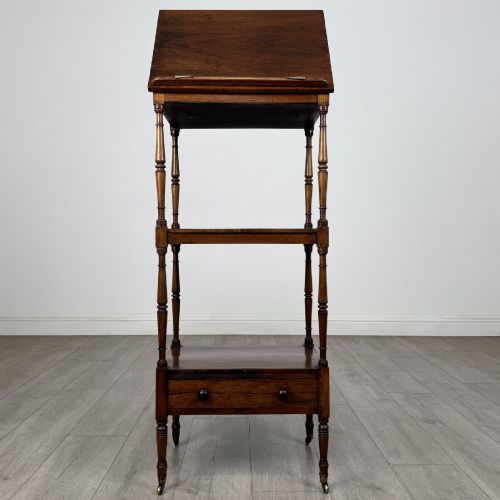
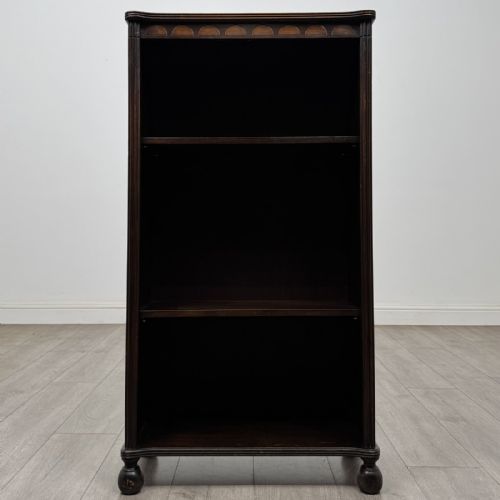
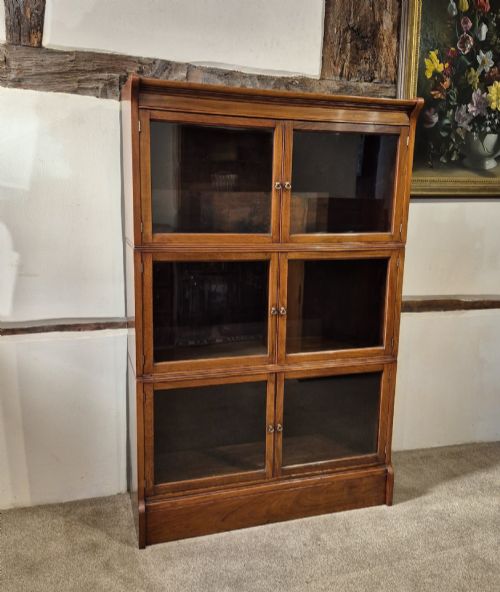
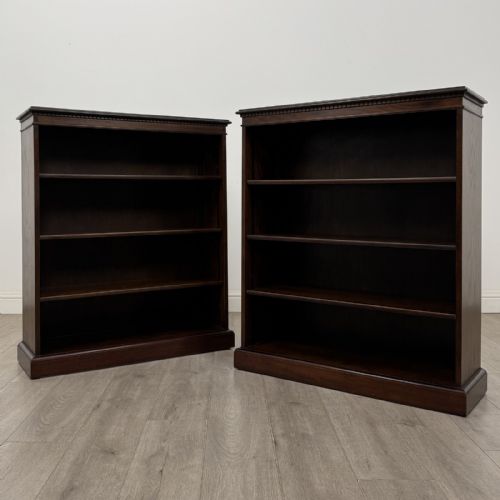
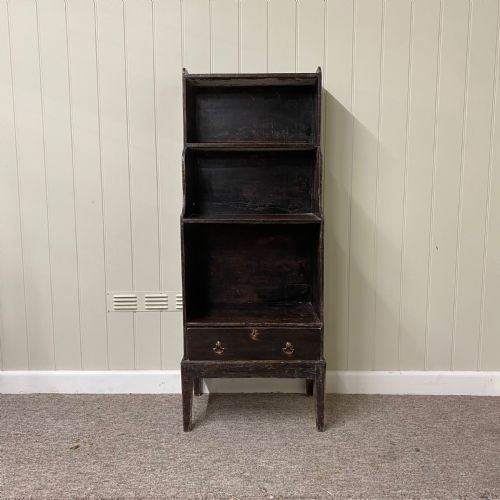
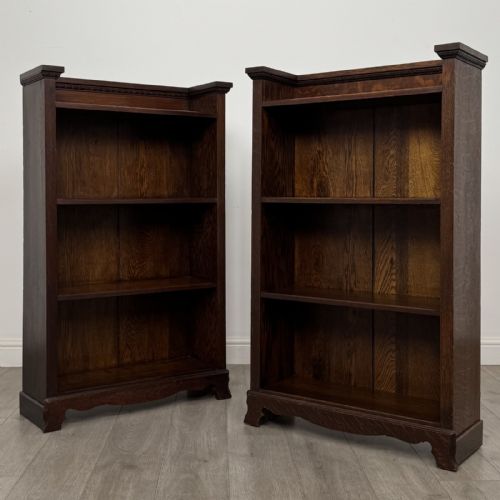
When browsing antique book shelves, buyers encounter a diverse range of forms including open bookcases, multi-tiered waterfall designs, revolving units, and wall-mounted shelves. These pieces originate from various periods spanning the Regency era, the Victorian epoch, the Edwardian years, and into early twentieth-century traditions.
The domestic interior of the nineteenth and early twentieth centuries relied heavily on these functional furniture items to organise growing personal libraries. Floor-standing dwarf models, tall open libraries, and compact revolving book tables frequently appear across the selection.
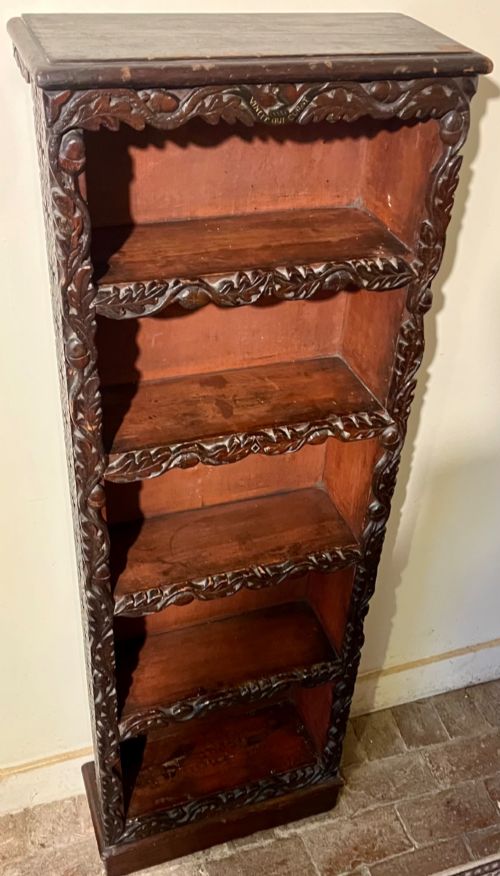
Makers and cabinet-makers applied regional styles from plain rustic timbers to sophisticated Arts and Crafts interpretations and Jacobean revivals. Buyers are most likely to meet practical open-shelved variations designed for everyday domestic utility.

Materials and Construction
Cabinet-makers predominantly utilised native and imported hardwoods, selecting dense mahogany, figured walnut, and sturdy oak as the primary structural timbers. Rosewood and satinwood appear in more formal settings, often accented with delicate inlay or brass fittings.
Construction techniques evolved from traditional joined carpentry to include adjustable shelving mechanisms and tiered graduating platforms. Back panels, beaded edges, and carved fretwork demonstrate the meticulous hand-finishing applied by period artisans.
Antique Book Shelves Retail Price Guide 2026
Typical asking prices for book shelves among the pieces listed under this phrase on Sellingantiques today, from the lower quarter to the upper quarter. They describe what is for sale here now, not the wider market.
Distinctions in Standard
The distinction between standard utility items and exceptional library furniture rests upon timber selection and structural integrity. Superior examples display richly figured grain patterns, substantial weight, and carefully matched veneers rather than plain, utilitarian boards.
Refinement in secondary details, such as smooth adjustable shelf ratchets, finely cut fretwork, and subtle inlay work, separates high-workshop production from ordinary mass-manufactured pieces. Original surfaces and patination further elevate the standing of surviving items.

EDWARDS and ROBERTS·Heals
The Antique Book Shelves Glossary
- Waterfall bookcase
- A graduated shelving unit where each tier steps back from the one below, creating a cascading profile popular in the nineteenth century. This design maximises display space while maintaining a compact footprint.
- Whatnot
- A multi-tiered open stand used for displaying small objects, books, or ornaments. These pieces typically feature slender upright supports separating the shelves.
- Revolving bookcase
- A freestanding tabletop or floor-standing unit mounted on a concealed rotating base. Users can easily access volumes from any angle without moving the furniture.
- Dwarf bookcase
- A low floor-standing bookcase designed to sit below window height. They often incorporate adjustable shelving within a compact vertical span.
- Campaign bookcase
- A modular shelving unit constructed for easy transport by travellers or military officers. These items feature robust corners and recessed hardware.
Antique Book Shelves: Frequently Asked Questions
Were these always open?
While many historical library pieces feature open fronts for easy access, glazed doors and enclosed lower cupboards were frequently integrated. Open variants prioritised quick retrieval of working volumes in studies and drawing rooms.
Closed cabinets with glass panels served to protect finer bindings from dust and light exposure.
How do I care for antique wood?
Protect timber surfaces by maintaining stable room humidity and avoiding direct placement near heat sources. Regular dusting with a soft, dry cloth preserves the historical polish.
Modern aerosol polishes and silicone-based cleaners should be avoided to prevent lasting damage to the finish.
Can these hold heavy books?
Solid hardwood shelves in oak and mahogany generally support substantial volumes without significant sagging. However, thin historical boards loaded beyond their capacity will warp over extended periods.
Distributing heavier folios across lower, fixed shelves prevents strain on adjustable boards.