

Dark Mahogany Bookshelf
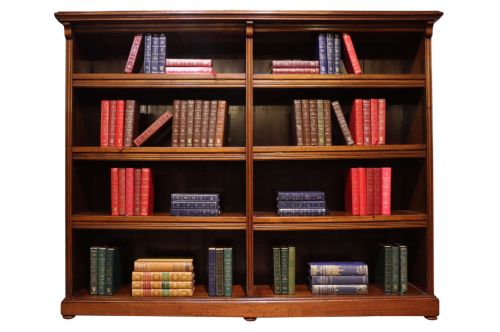
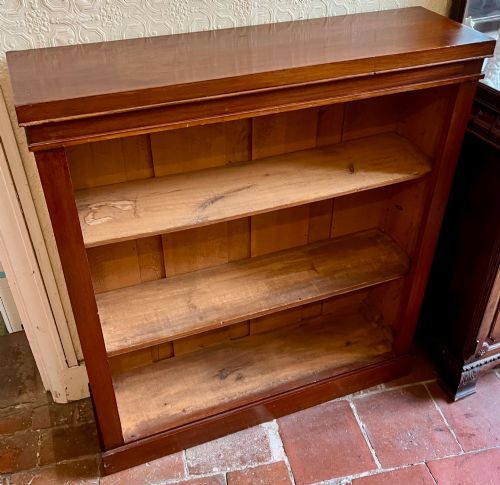
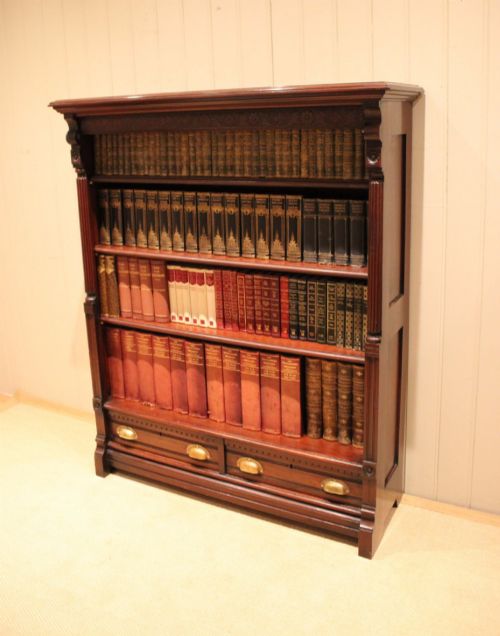
A dark mahogany bookshelf brings deep timber tones and practical tiers into a room, spanning periods from Regency to Edwardian.
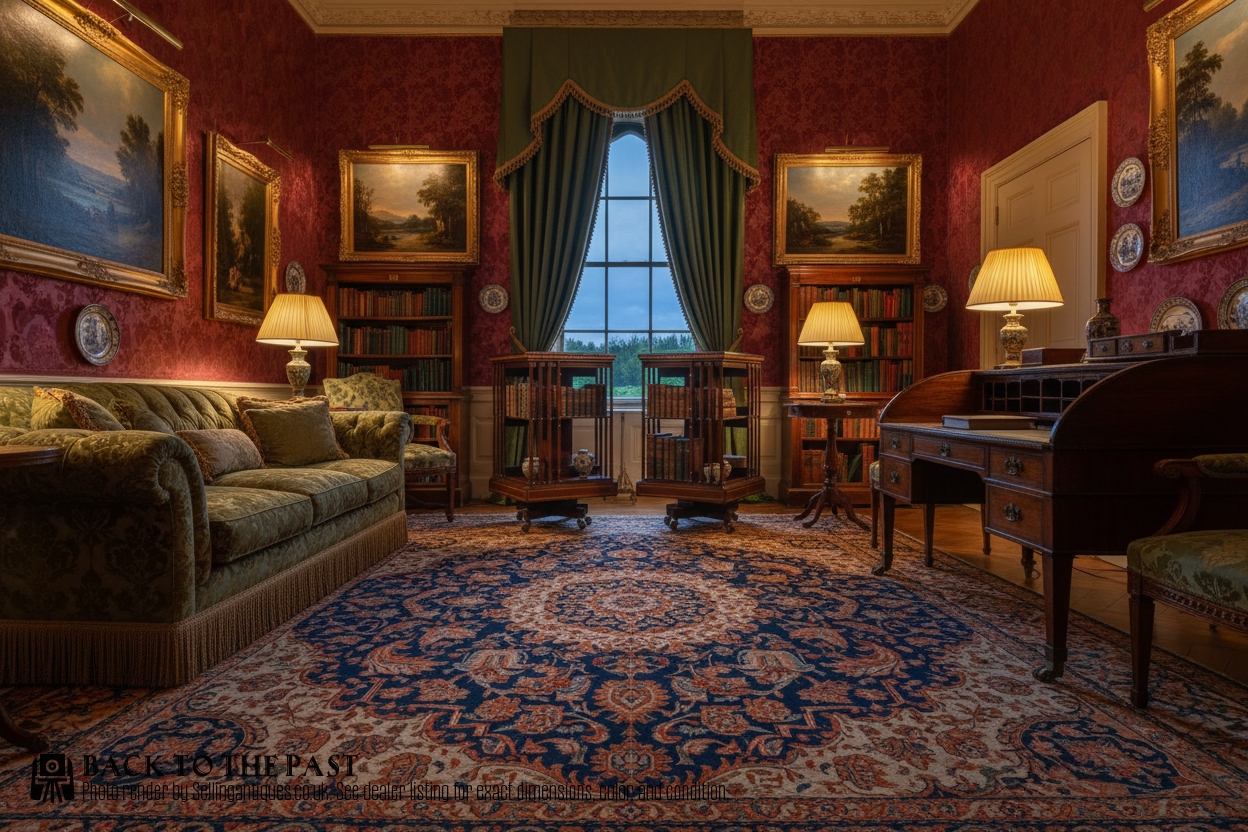
Dark Mahogany Bookshelf
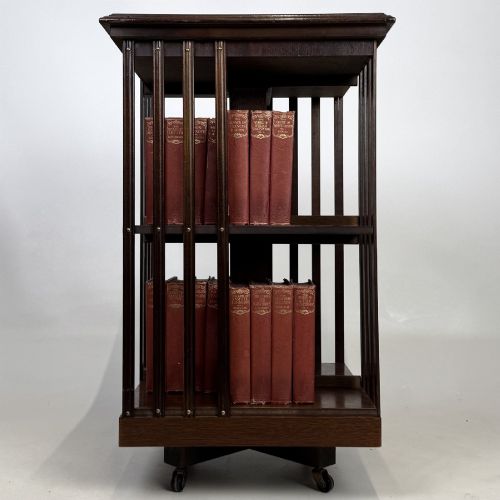
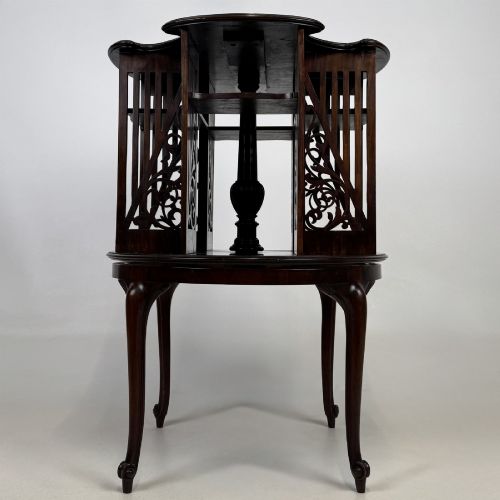
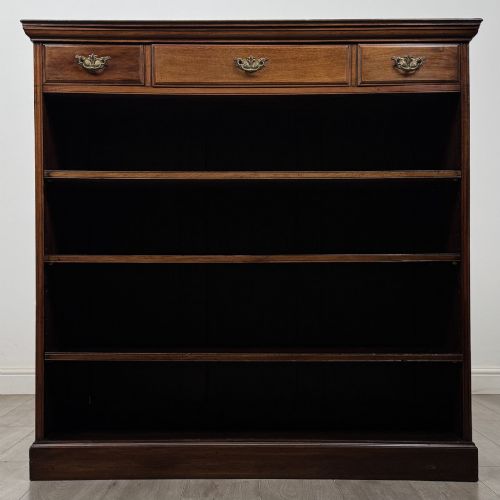
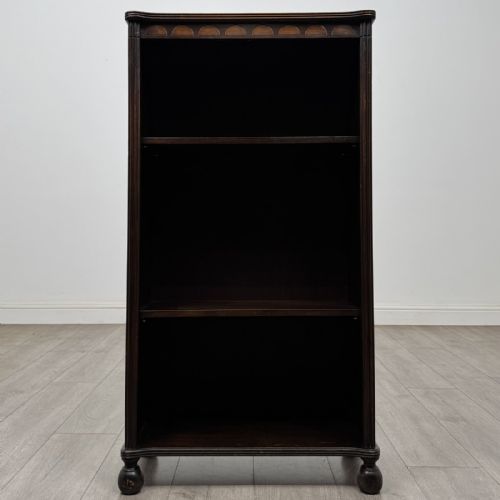
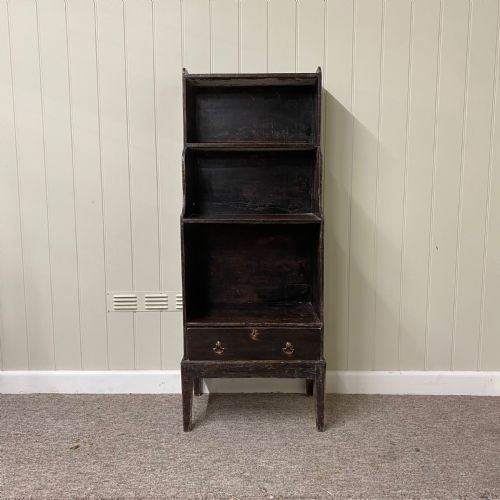
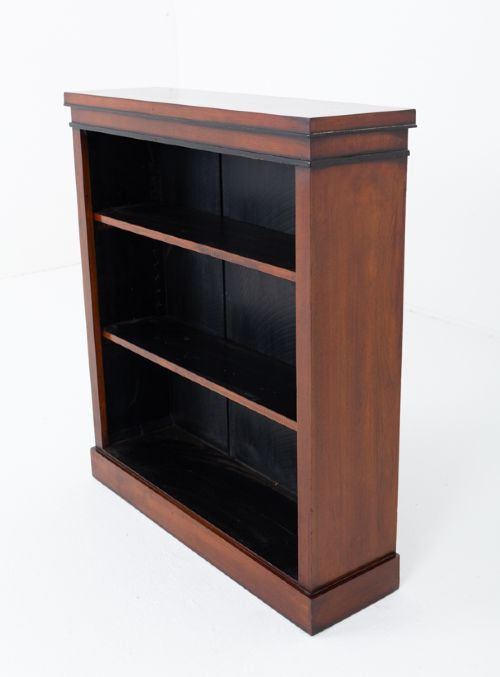
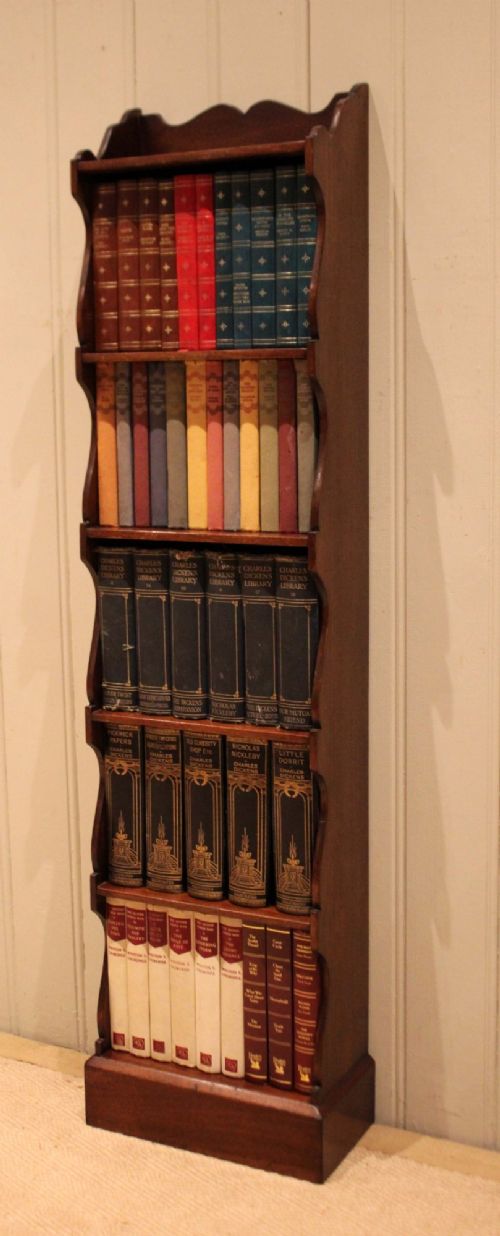
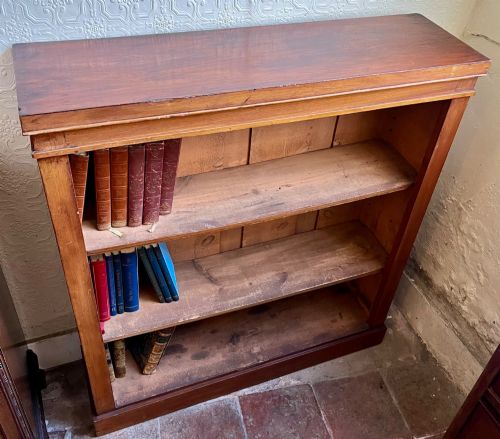
A dark mahogany bookshelf is a sturdy storage piece designed to hold volumes while anchoring a study, library or sitting room with rich wood tones. When searching for a dark mahogany bookshelf, buyers encounter forms ranging from simple open shelves and narrow tiers to cascading waterfall structures and revolving desk accessories.
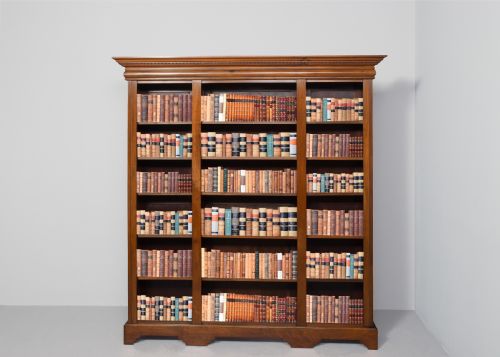
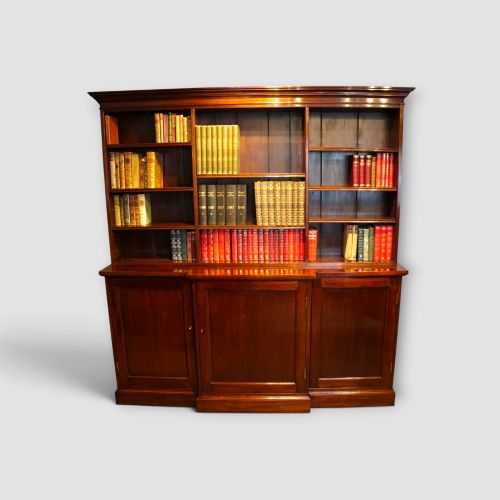
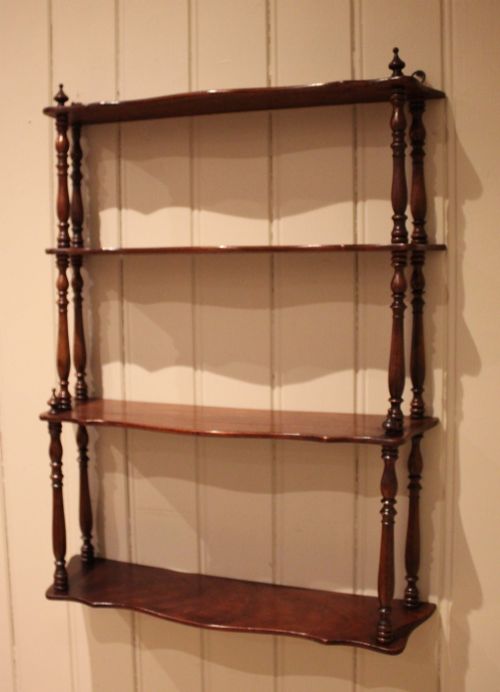
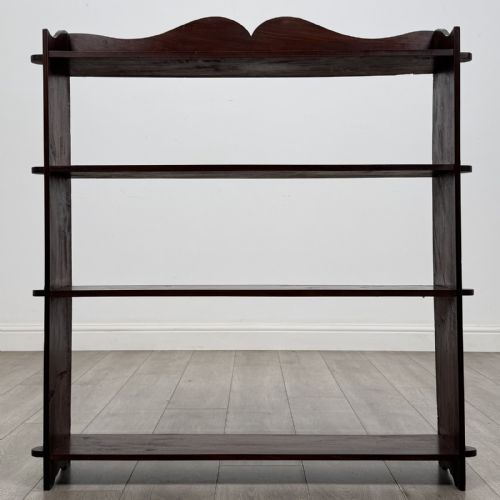
The pieces appearing here predominantly span the nineteenth and early twentieth centuries, drawing on Victorian, Edwardian and Regency traditions. Common formats include large breakfront library editions, small corner whatnots and hanging wall shelves suited to compact spaces.
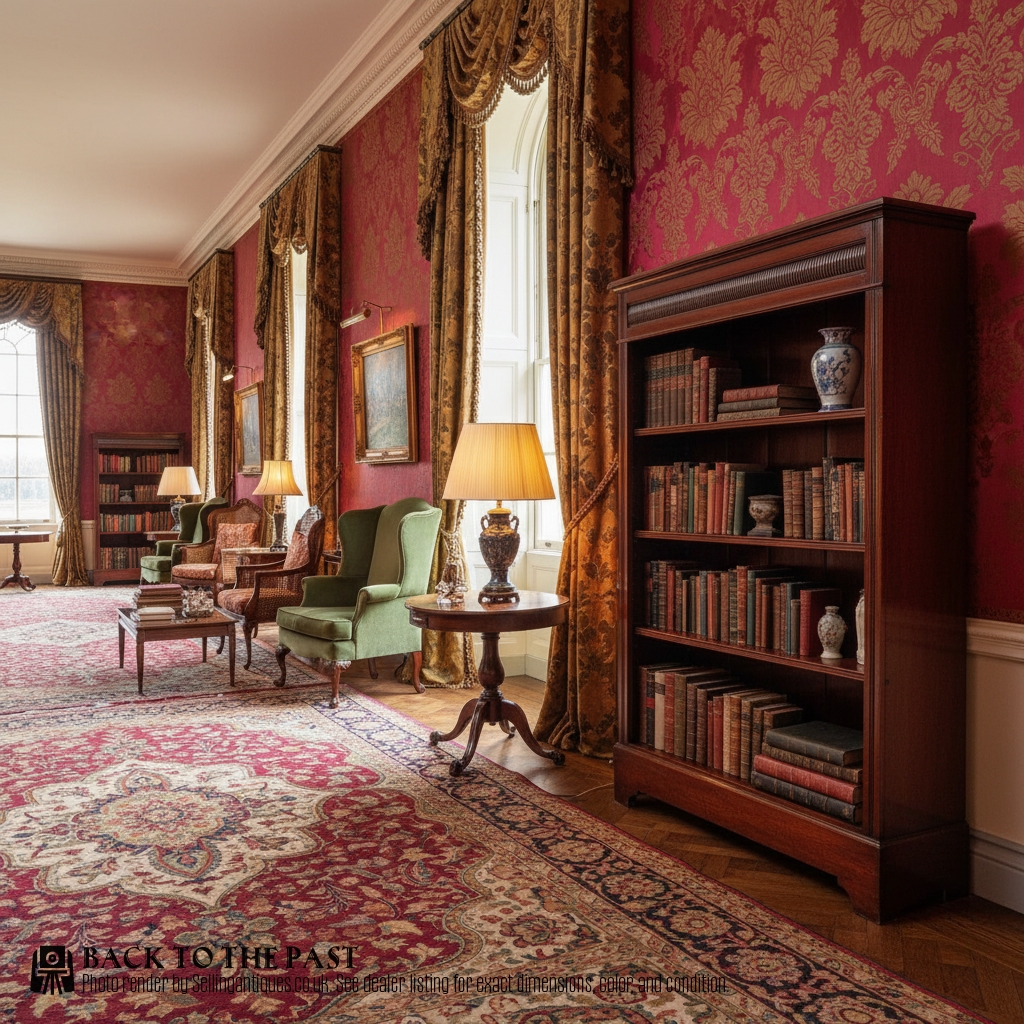
Materials and construction methods
Makers utilised dense mahogany timber, frequently selected for rich grain patterns including flame mahogany figures, combined with secondary woods like oak and satinwood for interiors and stringing. Structural integrity relies on traditional joinery, supported by brass fittings such as castors on revolving models and iron or brass hardware for adjustable shelving tracks.
Surfaces received careful finishing through polishing and occasional paint applications, while specialised forms integrated inlaid satinwood banding or brass gallery rails along tiered surfaces. Open bookcases often featured adjustable wooden shelves resting on pegged supports or ratchet mechanisms.
Dark Mahogany Bookshelf Retail Price Guide 2026
Typical asking prices for dark mahogany bookshelf among the pieces listed under this phrase on Sellingantiques today, from the lower quarter to the upper quarter. They describe what is for sale here now, not the wider market.
Several revolving bookcases were built low enough to sit beside an armchair, saving readers from ever having to stand up for a novel.
Distinguishing quality across examples
Quality rests in timber selection and joinery execution, where dense, richly figured mahogany yields a superior visual depth compared to plain stock boards. Better examples display refined architectural proportions, such as well-balanced breakfront cornices, crisp mouldings and precise inlay work.
Functional detailing dictates everyday utility, notably the smooth operation of revolving mechanisms, the stability of tier joints in waterfall designs and the clean adjustment of internal shelving. The integration of solid brass hardware rather than plated alternatives further marks superior cabinet work.
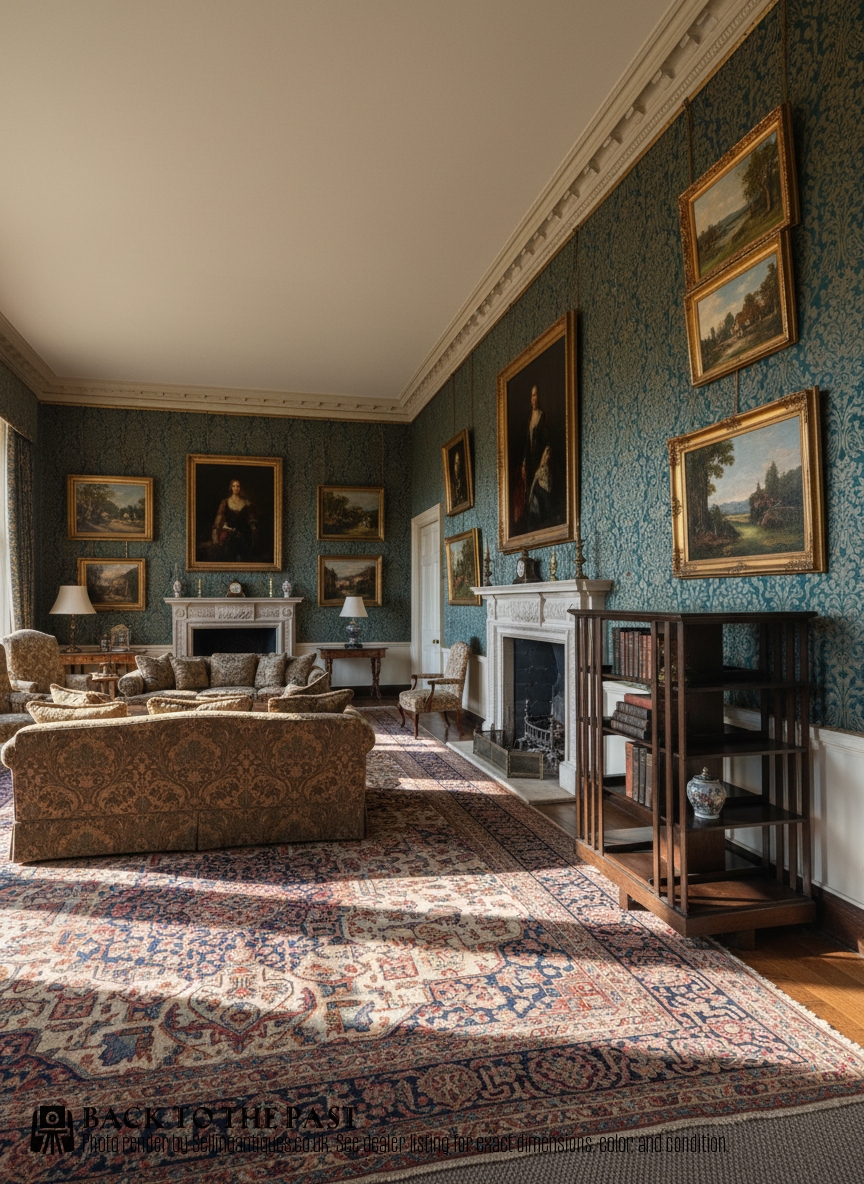
Waring and Gillows
The Dark Mahogany Bookshelf Glossary
- Breakfront
- A cabinet form where the central section projects forward from the flanking wings, creating visual depth in large library bookcases.
- Waterfall bookcase
- A tiered shelving unit where each successive shelf steps back from the one below, typically forming a cascading profile.
- Revolving bookcase
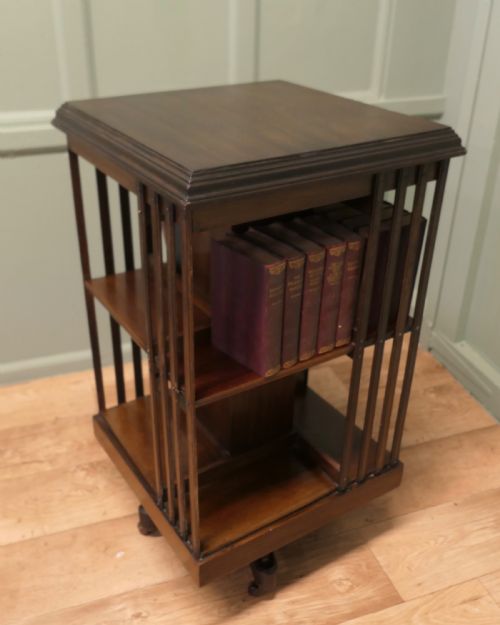
- A compact shelving structure mounted on a rotating base and cruciform foot, allowing access to books from any angle.
- Whatnot
- A piece of furniture consisting of multiple open shelves for displaying books or ornaments, popular during the Victorian and Edwardian eras.
- Satinwood
- A luminous hardwood with a golden yellow sheen, frequently utilised for contrasting inlay work and stringing on dark mahogany furniture.
Dark Mahogany Bookshelf: Frequently Asked Questions
How do revolving bookcases work?
Revolving bookcases sit upon a concealed central pivot and a heavy cross-base, allowing the entire tier of books to spin freely.
This design enabled readers to access multiple volumes from a single seated position beside a desk or armchair.
Are the shelves adjustable?
Many open bookcases from the Victorian and Edwardian periods include adjustable shelves supported by wooden pegs or metal tracks.
This adaptability allows the interior height to accommodate varying sizes of books and folios.
Where should I place a hanging shelf?
Hanging shelves require secure wall fixings to support the combined weight of the mahogany timber and loaded books.
They function well above desks or side tables to utilise vertical wall space in smaller rooms.