



Georgian Breakfront Bookcase
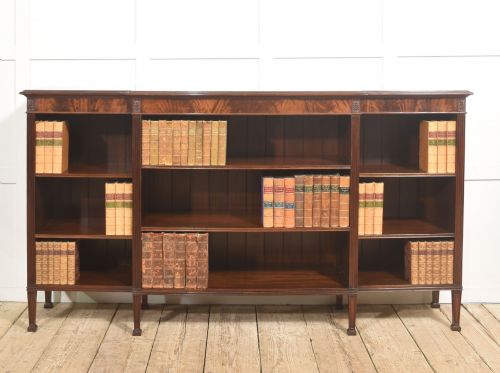
A georgian breakfront bookcase projects authority in a room through a recessed centre flanked by forward sections, offering grand scale and generous storage for serious libraries.
Georgian Breakfront Bookcase
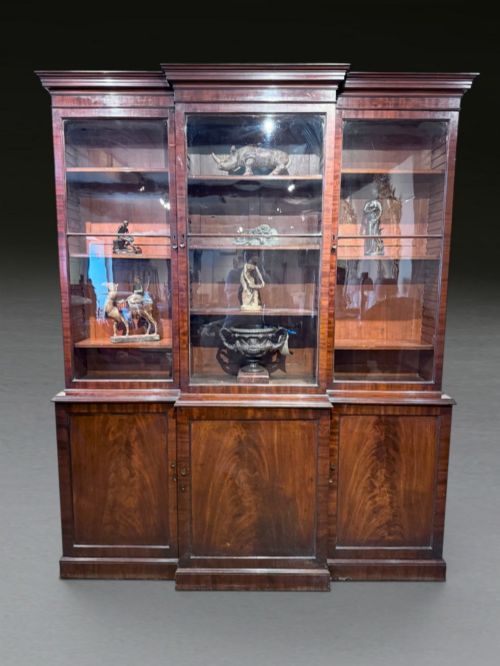
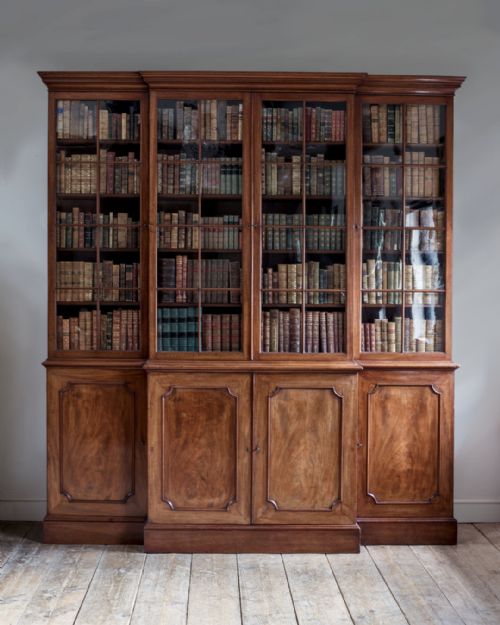
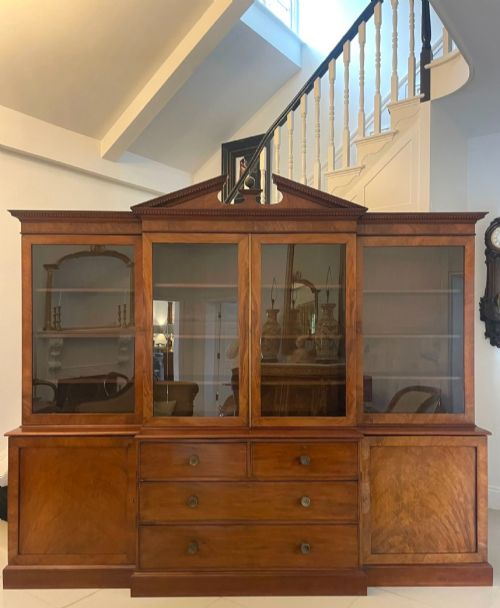
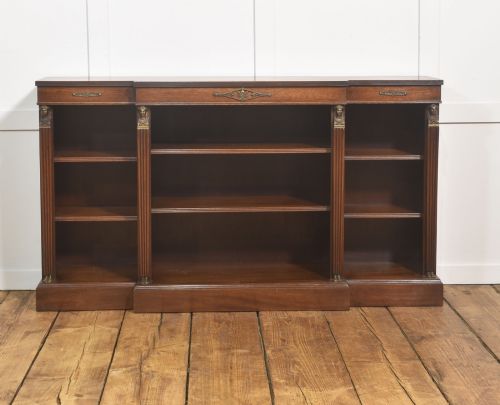
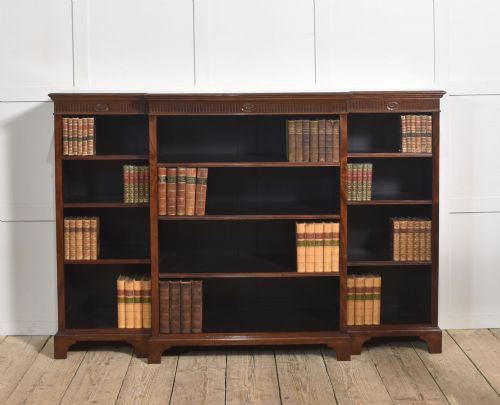
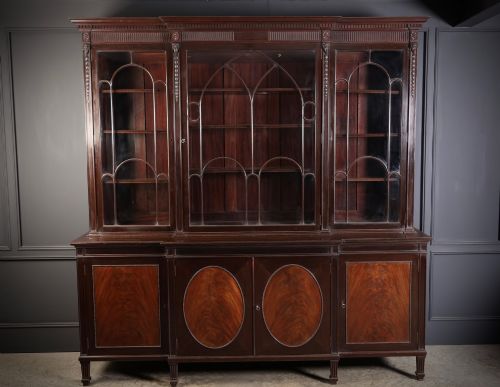
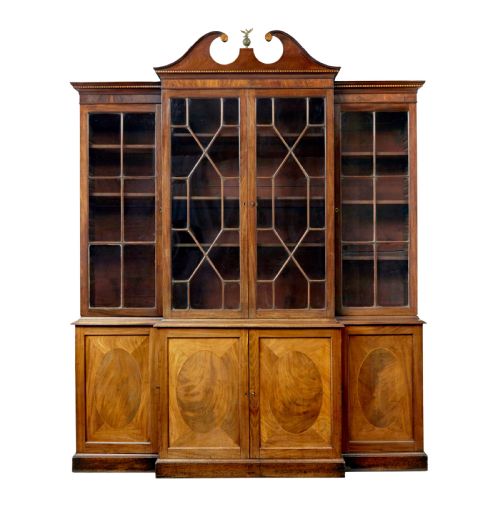
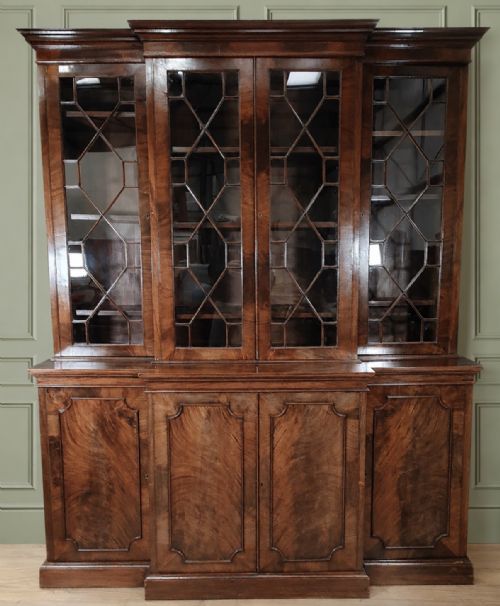
A georgian breakfront bookcase presents a distinctive cabinet design defined by a central section that steps forward from the flanking wings, creating a commanding architectural facade in any interior. These pieces serve primarily as substantial library storage, combining glazed upper display compartments with enclosed lower cupboards.
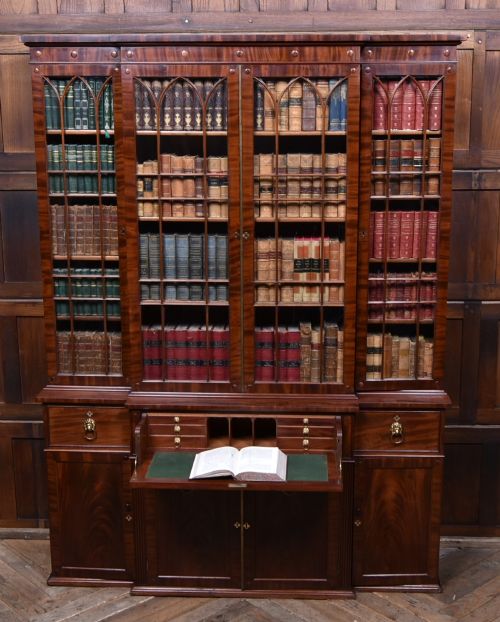
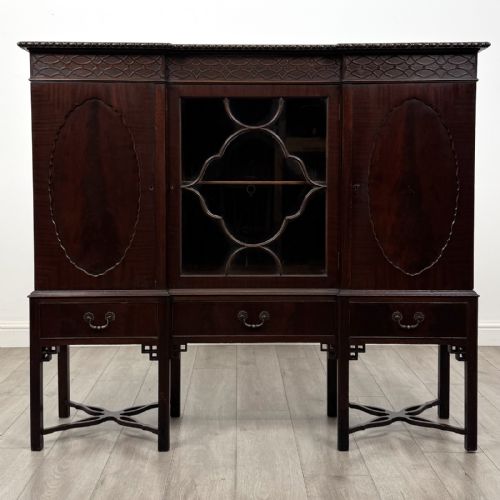
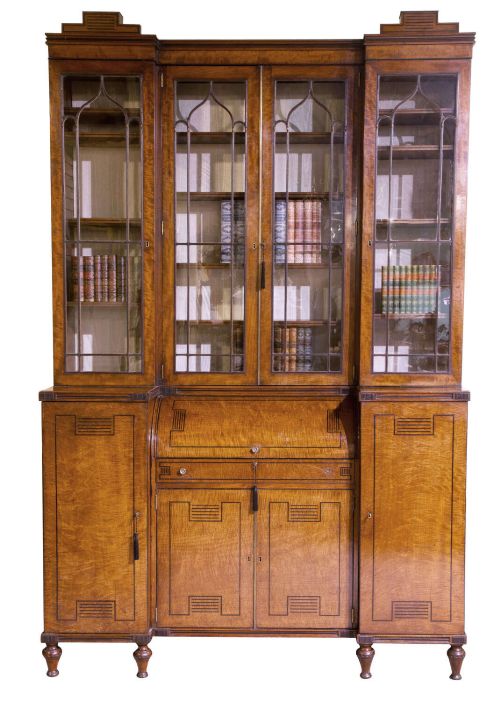
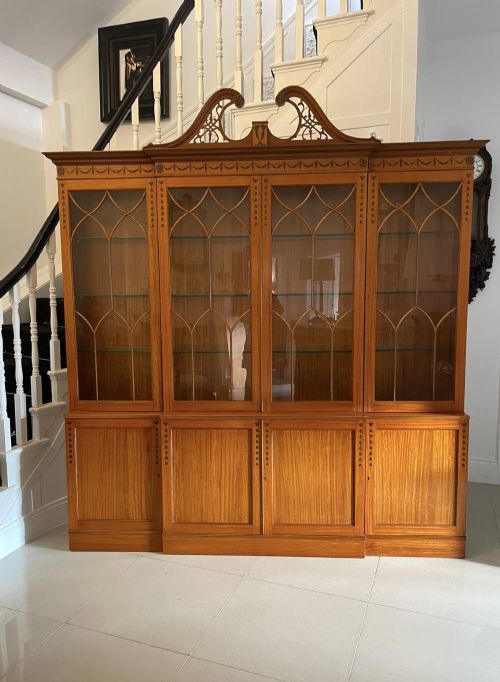
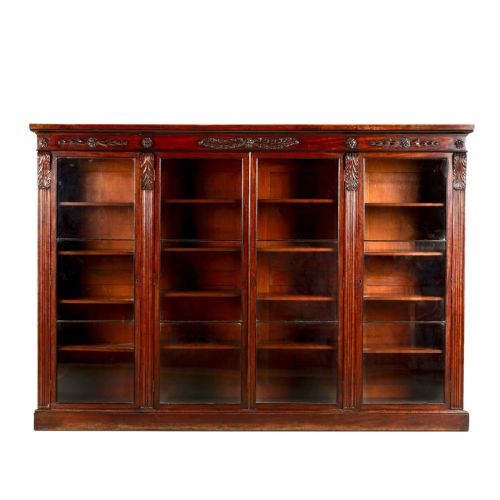
The versions most frequently encountered on this page span genuine 18th-century origin alongside later revivals from the Victorian and Edwardian eras. Pieces may feature open shelving or astragal glazed doors, while some examples incorporate a secretaire drawer equipped with a fitted writing desk.
Materials and Construction
Cabinetmakers constructed these large bookcases predominantly in solid mahogany and flame mahogany veneer, often enhanced by satinwood or inlaid details and brass hardware. Glass panes are fitted within wooden astragal bars to form geometric glazing patterns across the upper doors.
The carcase relies on traditional joinery methods to support the significant weight of extensive book collections. Timber selection prioritises richly figured grain patterns on the principal display surfaces, particularly across the prominent central section.
Georgian Breakfront Bookcase Retail Price Guide 2026
Typical asking prices for georgian breakfront bookcase among the pieces listed under this phrase on Sellingantiques today, from the lower quarter to the upper quarter. They describe what is for sale here now, not the wider market.
Common structural variations include open library shelving, glazed display doors, and integrated secretaire desks.
Distinctions in Execution
The standard of a georgian breakfront bookcase depends heavily on the depth of figure in the mahogany veneer and the delicacy of the astragal glazing bars. Superior examples display meticulous matching of timber grains across large expanses of doors and drawer fronts.
Proportion and architectural detailing set the finest cabinets apart from simpler workshop productions. Refined pieces incorporate sophisticated cornice mouldings, original brass fittings, and hand-painted decoration that complement the architectural presence of the breakfront profile.
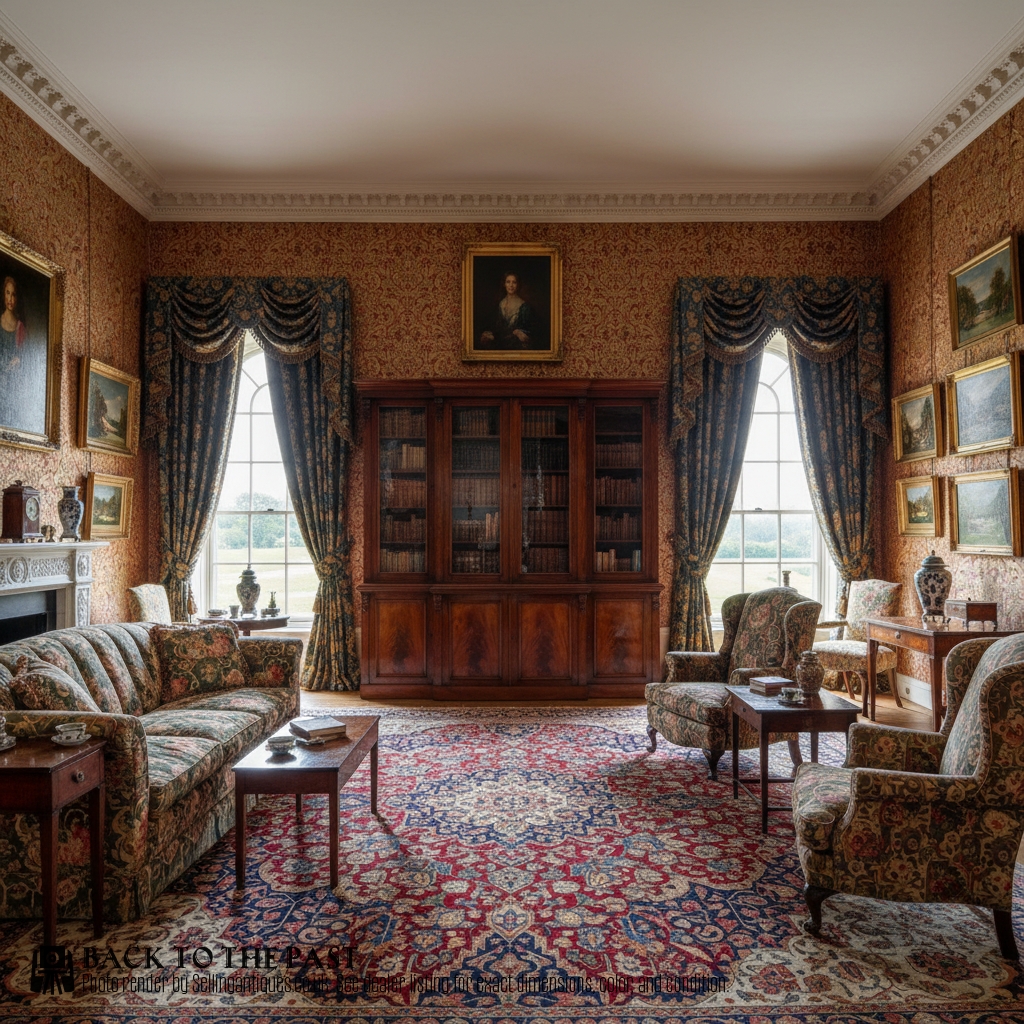
Maple and Co
The Georgian Breakfront Bookcase Glossary
- Breakfront
- An architectural furniture facade where the central section projects forward from the flanking outer wings. This configuration adds shadow and depth to large library cabinets.
- Astragal
- A small moulding profile used to divide glass panes within a cabinet door. Glazed bookcases often feature intricate wooden astragal bars arranged in Gothic or classical patterns.
- Secretaire
- A drawer containing a fold-down writing flap and small pigeonholes for correspondence. This built-in desk element allows a tall library cabinet to double as a writing station.
- Flame mahogany
- Timber cut from the fork of the mahogany tree to reveal a fiery, undulating grain pattern. Cabinetmakers reserved this decorative veneer for primary display surfaces.
Georgian Breakfront Bookcase: Frequently Asked Questions
How do I spot a genuine piece?
Examine the timber construction inside the drawers and the backboards for age-related wear and hand-cut joinery methods. Secondary woods used in the interior framing often reveal the true period of manufacture.
Compare the proportion of the breakfront sections and the style of the hardware against documented examples from the same era. Consistency in the ageing of the mahogany and glass adds confidence to the attribution.
Where should I place this cabinet?
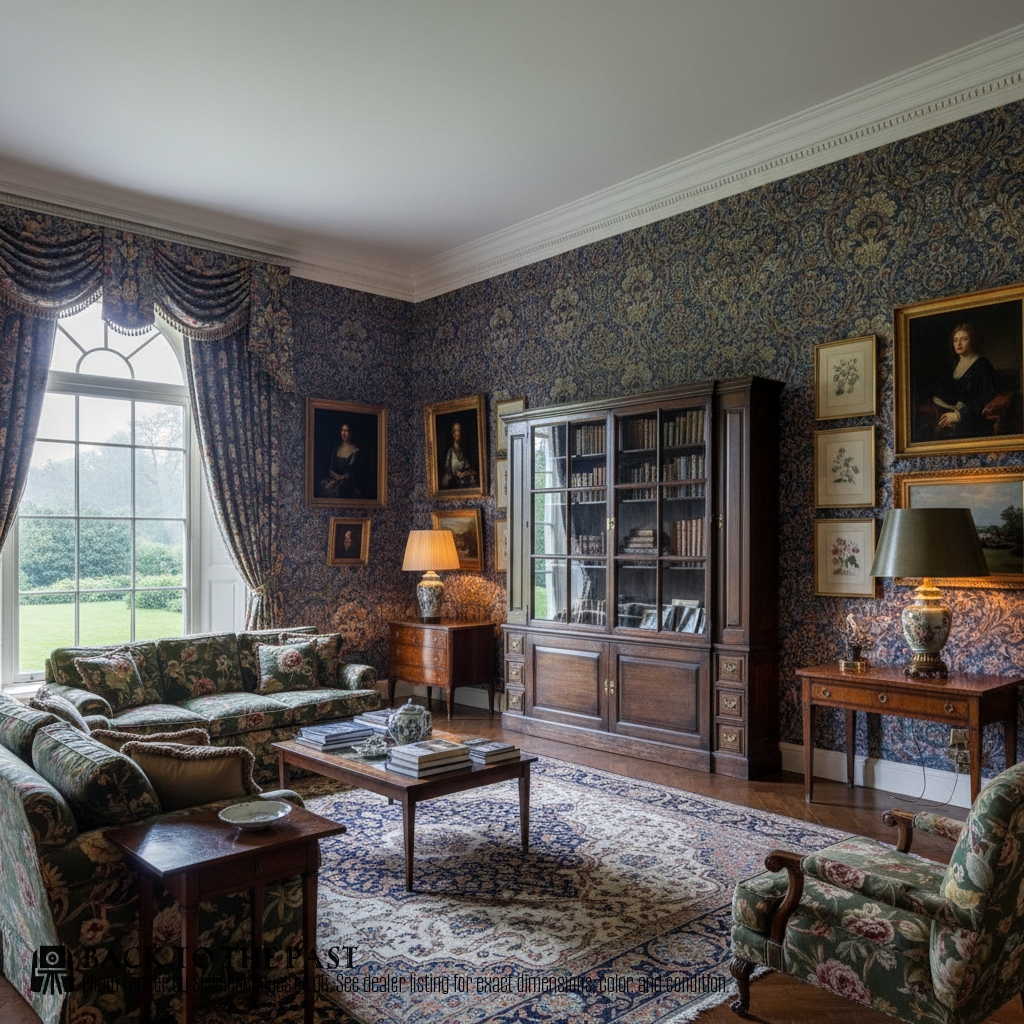
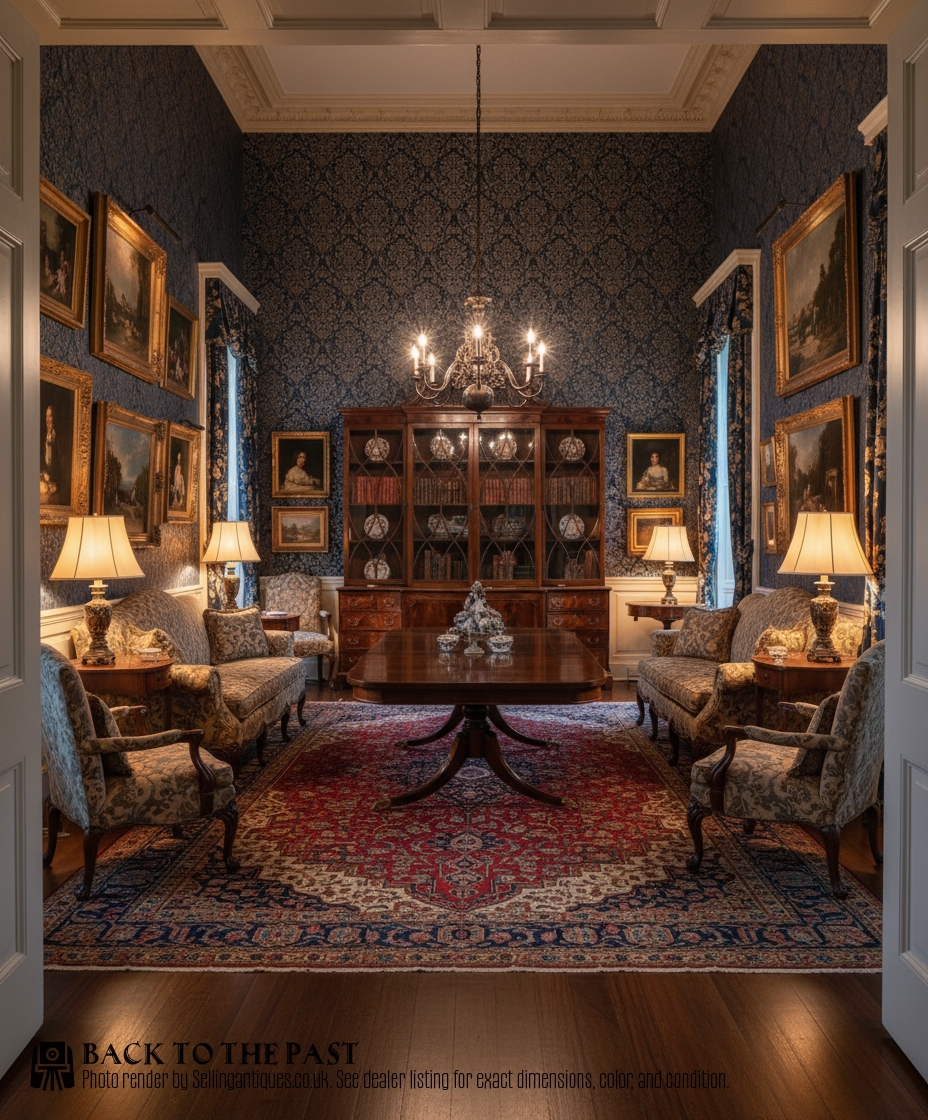
These grand bookcases require a substantial wall with adequate clearance to accommodate their imposing width and height. Placing them in a principal reception room or a home study allows the architectural facade to anchor the space.
Keep the timber away from direct sunlight and strong heat sources to prevent the mahogany veneer from drying out or splitting. Maintaining stable room humidity preserves both the wood and the original glass panes.
Can I adjust the internal shelving?
Many traditional library cabinets feature fixed wooden shelves or early vertical rack systems designed to hold heavy volumes. Altering these historic interiors requires careful consideration to maintain the structural integrity of the carcase.
Consult a specialist restorer if the shelves need modification to suit modern book sizes or display requirements. Preserving the original interior layout maintains the historical integrity of the piece.
What distinguishes the revival styles?
Revival pieces produced during the Victorian and Edwardian eras often adopt the grand proportions of 18th-century designs while employing slightly different interior construction techniques. These later interpretations frequently utilise machine-finished elements alongside traditional hand-cut joinery.
Inspect the secondary timbers and the character of the glass to differentiate a Georgian original from a later revival cabinet. Both categories offer substantial scale and decorative presence for an interior.