


Vintage Oak Display Case
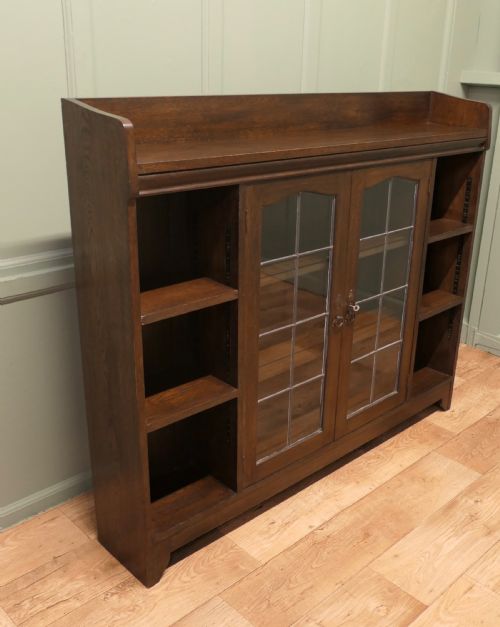
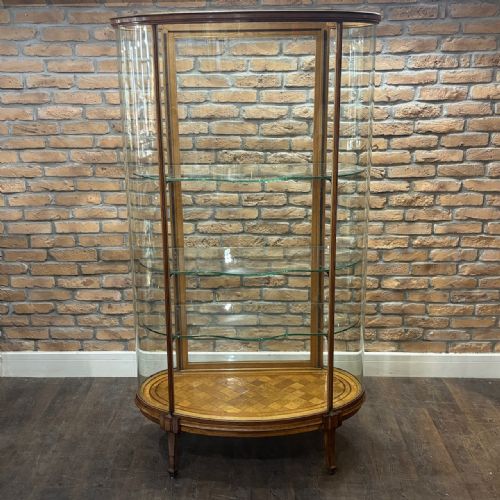
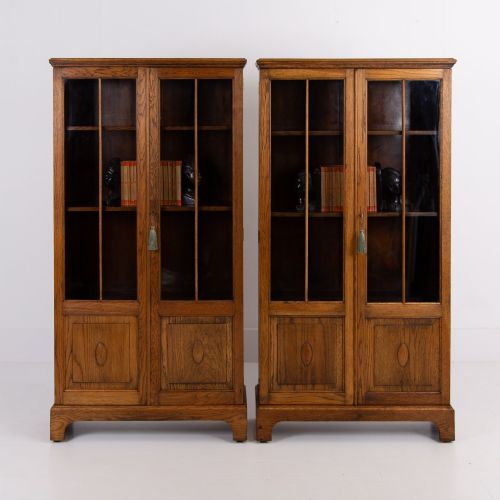
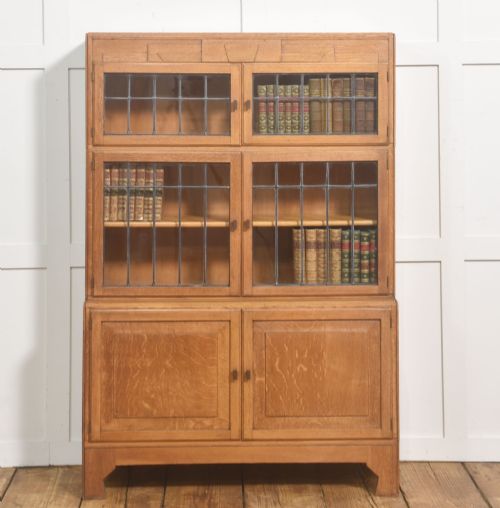
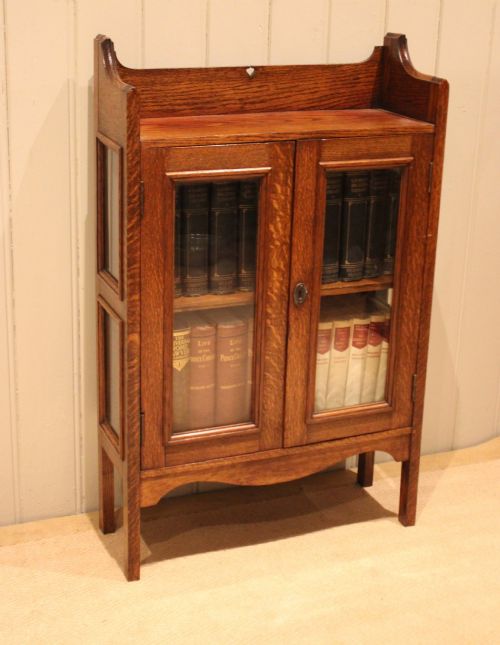
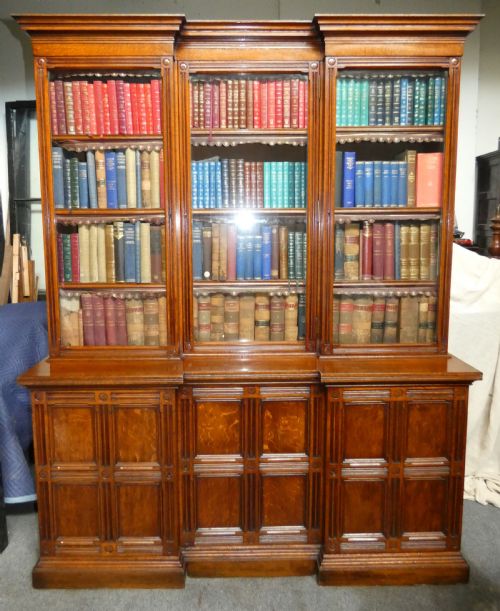
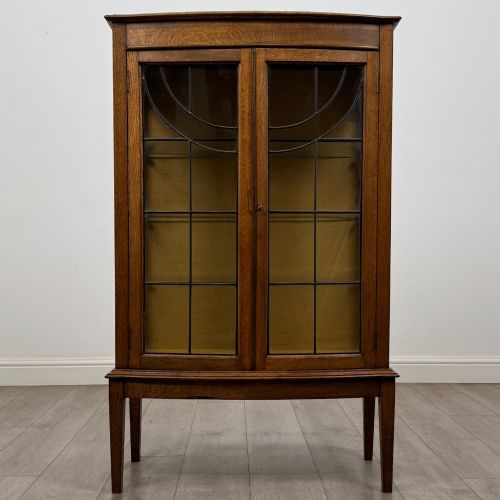
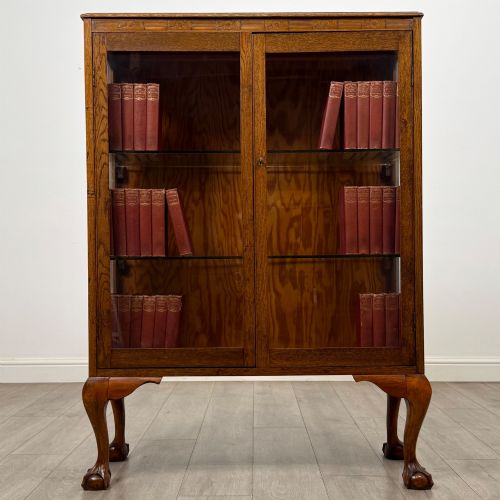
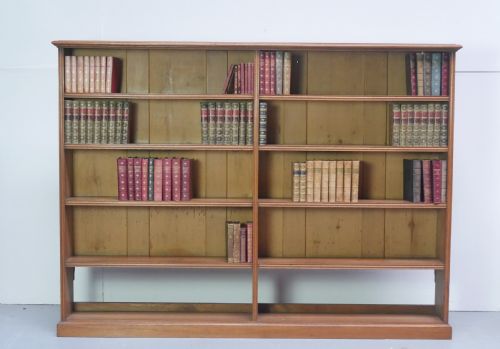
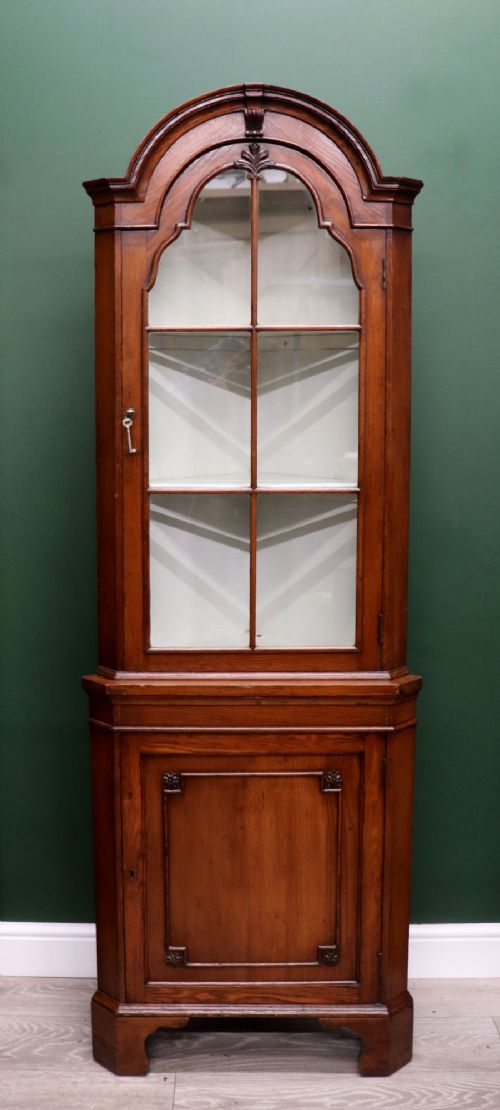
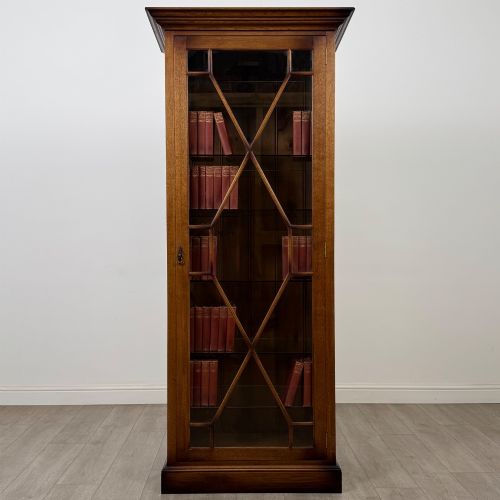
These vintage oak display case examples range from countertop shop counters to tall glazed bookcases, offering sturdy timber and clear glass to show collections.
Vintage Oak Display Case
A vintage oak display case serves to protect and exhibit objects, from small curiosities to larger books and collectables. When searching this phrase, buyers encounter various forms designed for different settings, including domestic rooms and commercial shops.
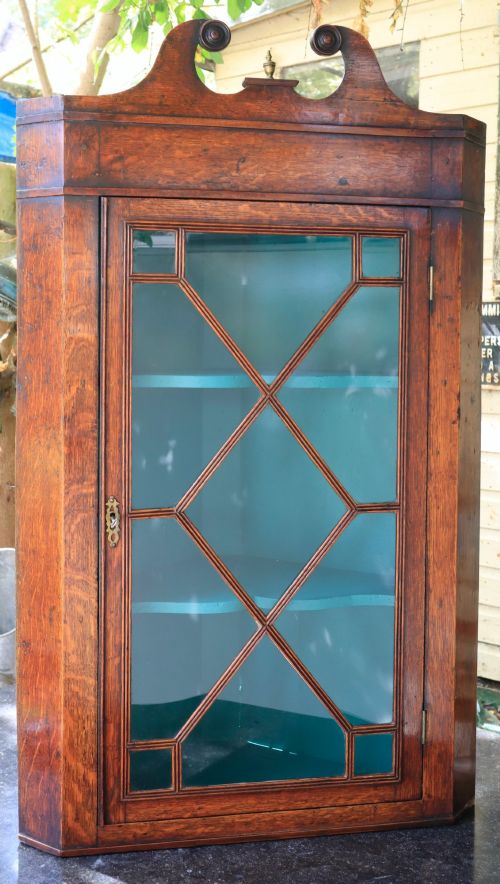
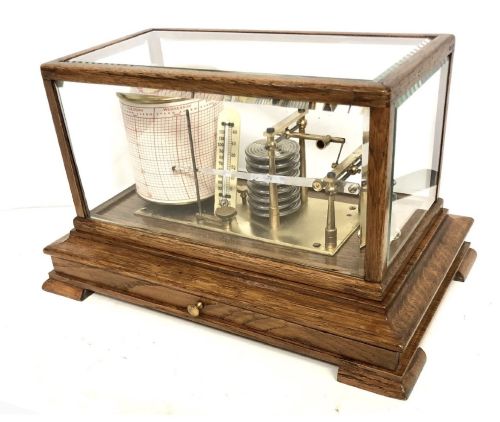
The selection on this page leans heavily towards early twentieth-century examples, with Edwardian and 1930s pieces appearing frequently. Alongside standard floor-standing bookcases, one finds countertop cabinets, corner units, and specialised enclosures like barographs or taxidermy cases.
Origins stretch from domestic English workshops to commercial outfitters, occasionally including museum pieces or specific regional groups like the Cotswold School. The underlying timber remains consistent, though the scale and specific function shift between domestic and retail origins.
How they were made
Makers relied primarily on solid oak and oak veneers, selected for strength and durable grain patterns, paired with extensive glass panes for visibility. Brass hinges, handles, and catches provide structural support while adding metallic contrast to the timber frames.
Construction techniques combine traditional joinery with glazed panels, sometimes incorporating leaded sections or bevelled edges. Interiors often utilise secondary woods, fabric linings, or fitted drawers for charts and smaller items.
Cabinets occasionally reveal unexpected past lives through hand-painted chocolate advertisements and intricate prisoner-of-war dioramas.
What varies in quality
The distinction between standard utility items and superior examples lies in the refinement of the timber selection and the ambition of the joinery. Finer pieces demonstrate careful attention to mouldings, proportion, and the clarity of the glass used in doors and panels.
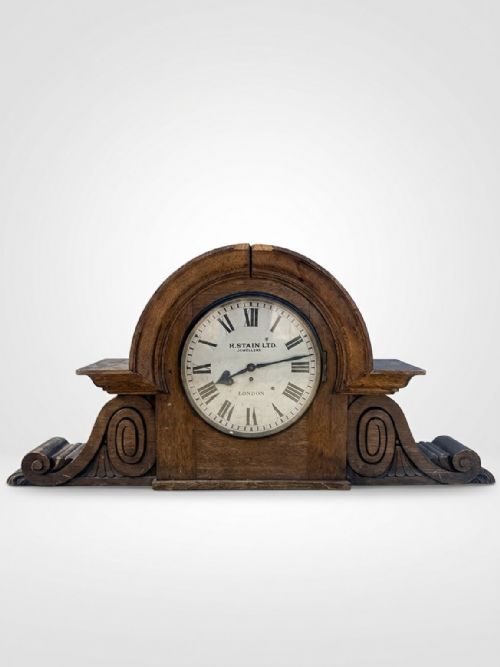
Commercial provenance, such as original sign-writing for firms like Cadburys or Frys, adds a distinct layer of character and historical context. The integrity of the original hardware and the crispness of decorative details separate basic storage from exceptional cabinet work.
F. Sage & Co
The Vintage Oak Display Case Glossary
- Barograph
- A recording meteorological instrument housed in a wooden box with a glass lid, designed to track atmospheric pressure on paper charts.
- Leaded glass
- Small panes of glass held together by strips of lead, forming geometric or decorative patterns within a cabinet door.
- Countertop cabinet
- A smaller display case built to sit upon a shop counter or table, giving customers a clear view of goods.
- Cotswold School
- An influential twentieth-century design movement focusing on traditional craftsmanship and honest construction in wood.
- Bevelled glass
- Glass panes finished with an angled, polished edge that catches the light around the perimeter.
Vintage Oak Display Case: Frequently Asked Questions
How do I date a vintage oak display case?
Dating relies on combining stylistic clues with construction methods, such as hardware styles, glazing techniques, and overall form. Edwardian and Art Deco pieces display distinct decorative motifs that separate them from earlier Victorian or Georgian examples.
Makers' plates, retailer sign-writing, and the type of locks or hinges also help narrow down the decade of manufacture.
Were these cases made for homes or shops?
These pieces served both domestic and commercial environments, leading to considerable variety in their design. Countertop units and large shop counters originated in retail settings, while bookcases, corner cabinets, and smoking cabinets belonged in private houses.
Commercial pieces often feature sliding rear doors or specific signage, whereas domestic cabinets prioritise refined timber finishes and display shelving.
How should I care for vintage oak furniture?
Maintaining oak furniture involves keeping pieces away from direct heat sources and sudden humidity changes to prevent timber movement. Regular dusting with a soft, dry cloth preserves the finish without building up heavy chemical residues.
Occasional application of appropriate wax feeds the wood and maintains a natural lustre across the surface.
What styles are common in vintage oak cabinets?
The selection encompasses several distinct aesthetic movements, including Edwardian simplicity, Arts and Crafts honesty, and geometric Art Deco forms. Revival styles such as Jacobean and Georgian influences also appear among the listed pieces.
Each style employs different mouldings, hardware, and proportions while maintaining oak as the primary structural material.