
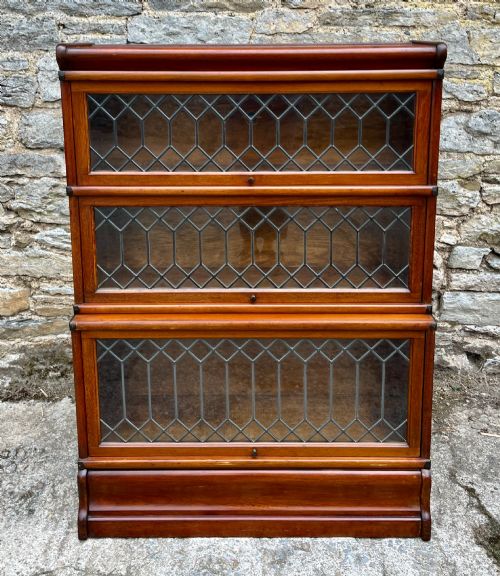
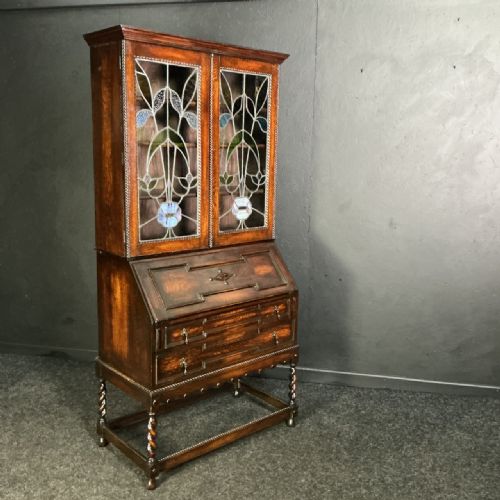
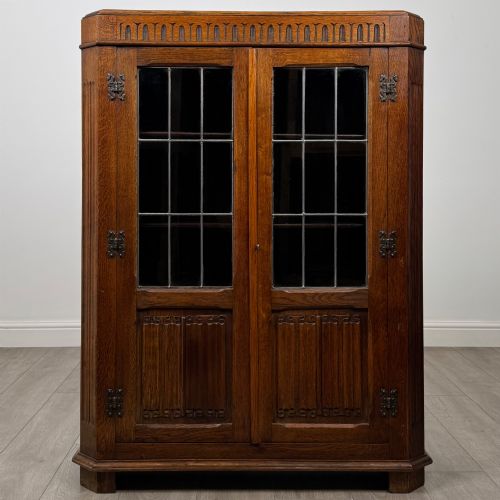
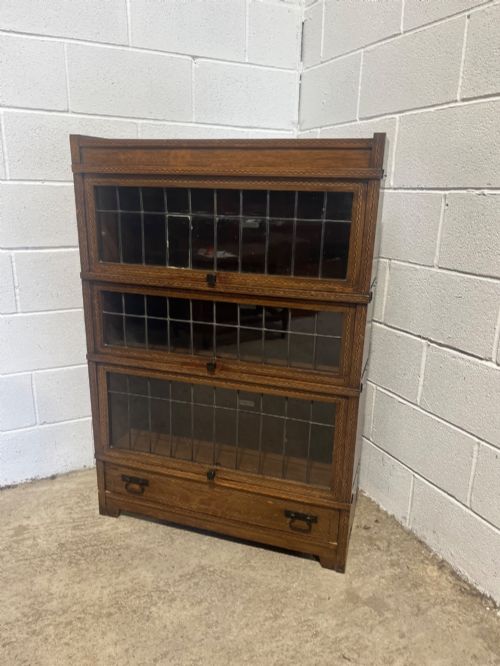
Leaded Glass Display Cabinet
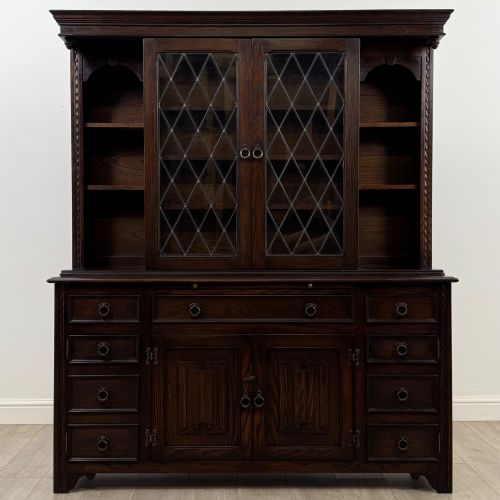
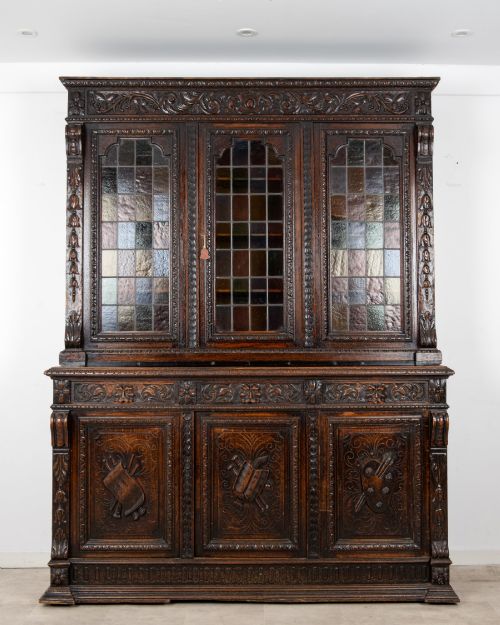
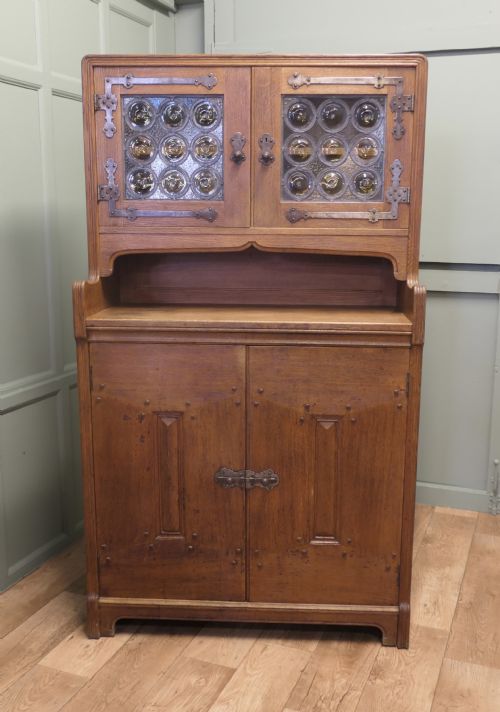
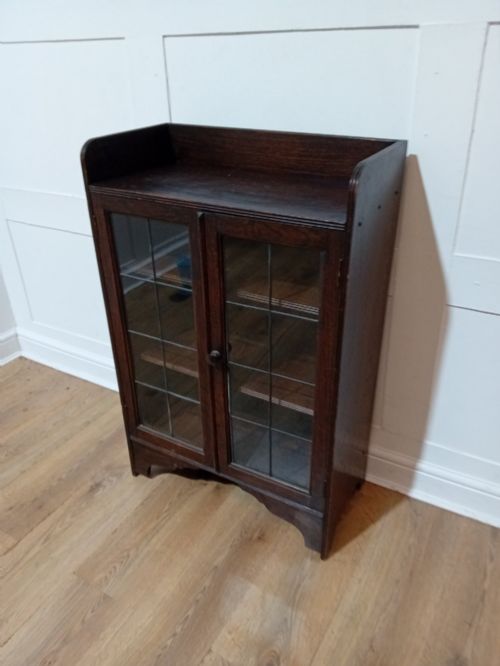
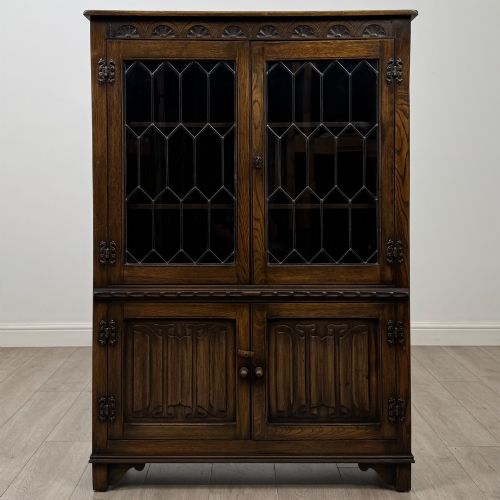
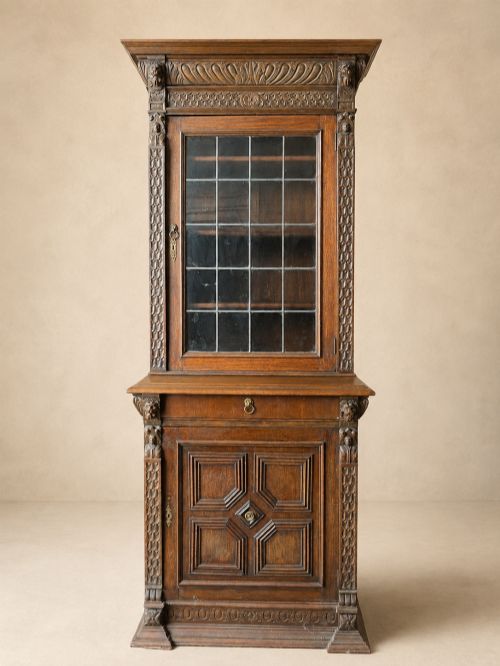
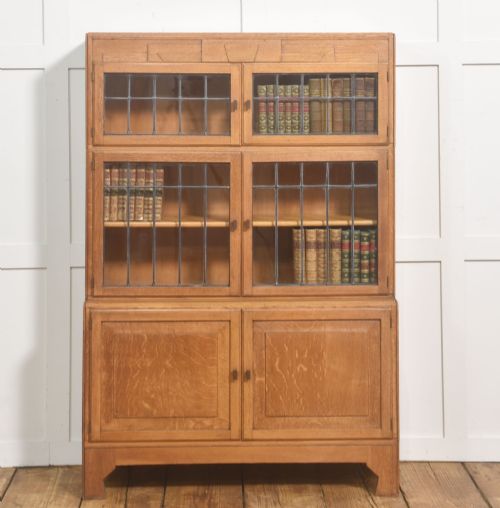
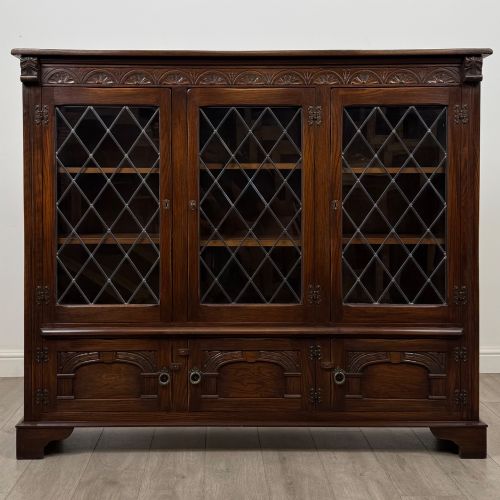
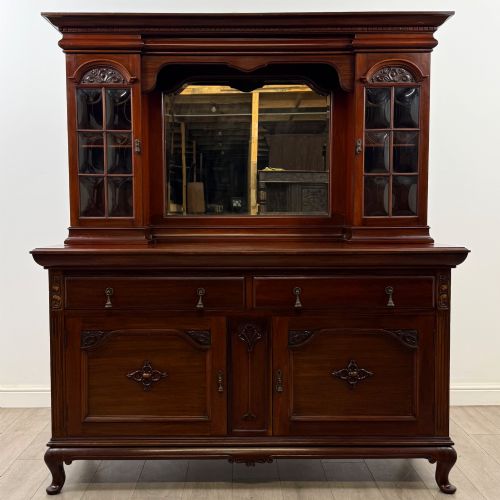
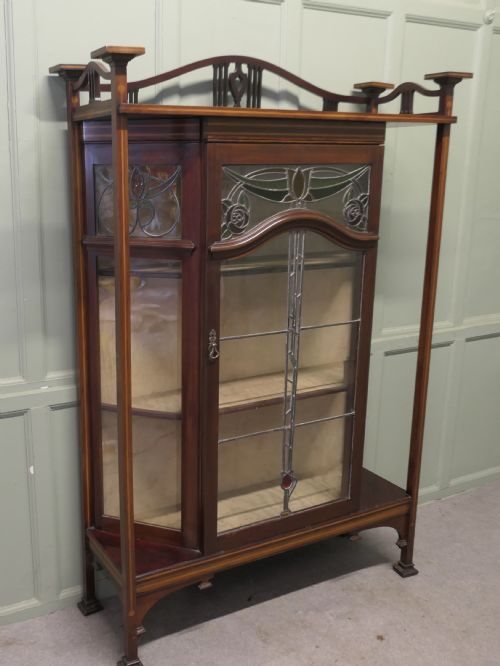
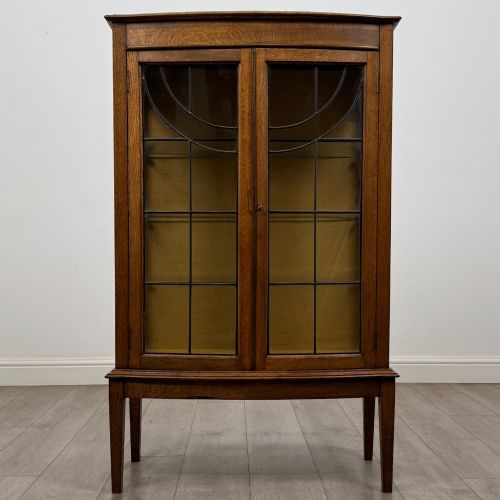
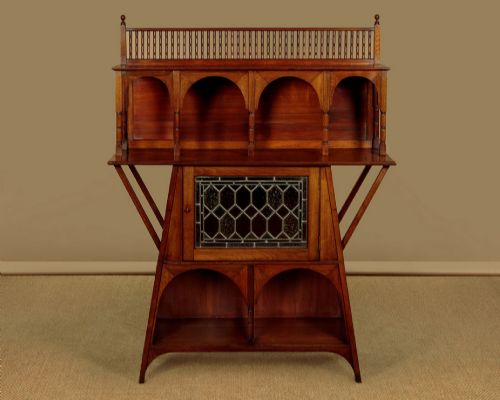
These leaded glass display cabinets combine structured timber frames with delicate cames, offering a traditional way to house books and prized possessions.
Identifying these pieces
A leaded glass display cabinet bridges the gap between functional storage and decorative framing for household collections. The core selection spans the Victorian, Edwardian, and Art Nouveau periods through to the 1920s.
Most examples appear in oak or mahogany, frequently combining open shelving with glazed doors. Buyers frequently encounter forms that double as bookcases and china cabinets, drawing upon Arts and Crafts, Gothic, and Jacobean Revival influences.
The layout typically incorporates fixed or adjustable wooden internal shelves behind paned glass doors. Such units serve well in studies, drawing rooms, and dining spaces where visibility and protection of contents matter equally.
Materials and construction
Makers utilised solid timbers such as oak and mahogany, often enhanced by fruitwood inlay or marquetry details. Brass hardware such as hinges and handles provides secure closure and period character.
Individual panes of glass are held together by lead cames, soldered at the joints to form geometric or organic patterns. Carved elements and applied mouldings add depth to the timber facades.
Retail Price Guide 2026
Typical UK retail prices for leaded glass display cabinet, calculated from the Sellingantiques database of over a million retail prices indexed since 2003. This retail price guide relies exclusively on Sellingantiques data; no external sources or auction records are used, so the figures do not describe the wider market.
The documented examples span oak, mahogany, fruitwood inlay, and brass across Victorian, Edwardian, and Art Nouveau styles.
Assessing craftsmanship
Quality rests upon the crispness of the timber carving and the precision of the lead work securing the glass. Finer pieces demonstrate careful selection of veneers and harmonious proportions across the facade.
The integrity of the structural joinery dictates long-term durability, distinguishing standard utilitarian workshop output from bespoke artistic commissions.
Shapland and Petter·Globe Wernicke
The Leaded Glass Display Cabinet Glossary
- Came
- The narrow channel of lead used to hold individual pieces of glass together in a window or cabinet door. These strips form the rigid framework of the glazed panel.
- Marquetry
- Decorative veneer work arranged in pictorial or geometric patterns across a wooden surface. Craftsmen cut contrasting woods to fit precisely into a prepared ground.
- Jacobean Revival
- A nineteenth and early twentieth century style looking back to seventeenth century furniture forms. Pieces typically feature heavy turned supports and carved panelling.
- Fruitwood Inlay
- Lighter wood inserted into contrasting timber to create decorative borders or motifs. This technique brightens darker primary woods like oak or mahogany.
Frequently Asked Questions
How do I date a leaded glass display cabinet?
Dating relies on identifying the prevailing stylistic cues, such as Art Nouveau floral motifs or heavy Victorian carved oak framing. Construction methods and timber choices further narrow the decade of production.
Examining the backboards, screws, and interior hinges provides additional physical evidence of the manufacturing period.
Are these cabinets suitable for heavy books?
Many examples function as bookcases and feature robust timber shelving capable of supporting substantial volumes. Oak units from the Victorian and Edwardian eras offer particular structural strength.
Checking the depth and support of the interior shelves ensures they can bear the weight of your specific collection.
How should I care for the lead cames?
Lead is a soft metal that requires gentle cleaning with a dry or barely damp cloth without harsh chemical solvents. Regular dusting prevents particulate buildup from settling into the soldered joints.
Avoid applying excessive pressure against the glazed panels when cleaning to maintain the stability of the came network.
What distinguishes Arts and Crafts cabinets?
Arts and Crafts pieces emphasise honest construction, visible joinery, and simplified forms inspired by natural motifs. They often utilise unadorned oak surfaces alongside hand-beaten metal hardware.
The focus shifts away from heavy historical revival towards functional utility and the integrity of the materials.