


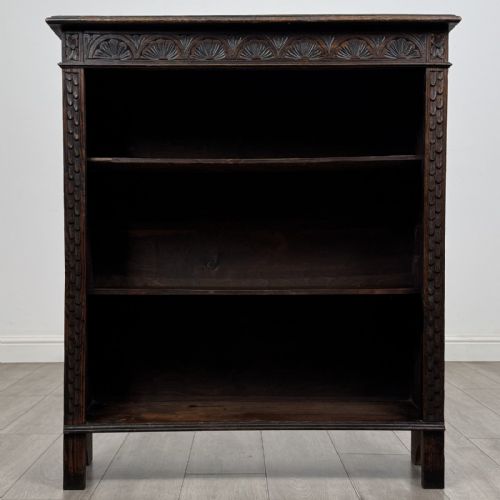
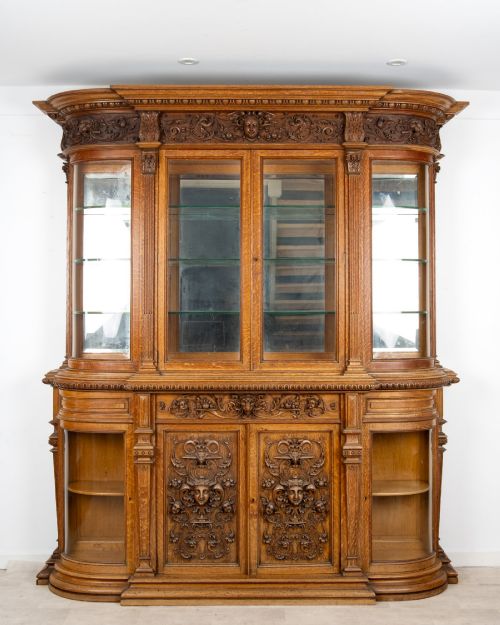
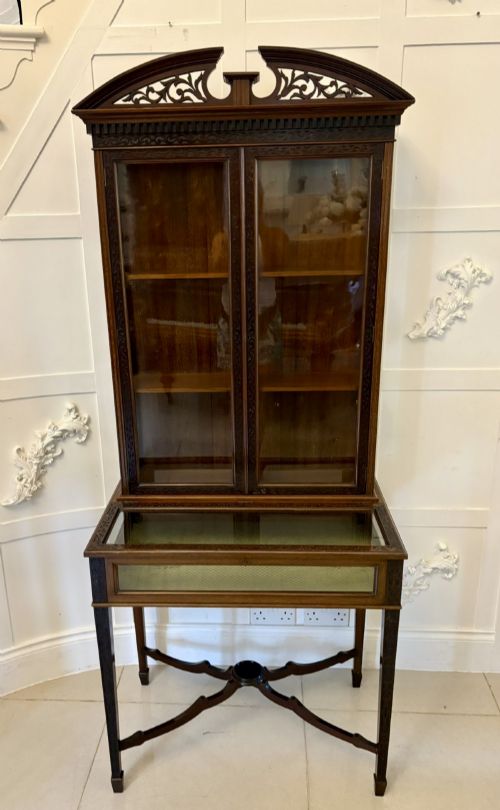
Victorian Carved Bookcase
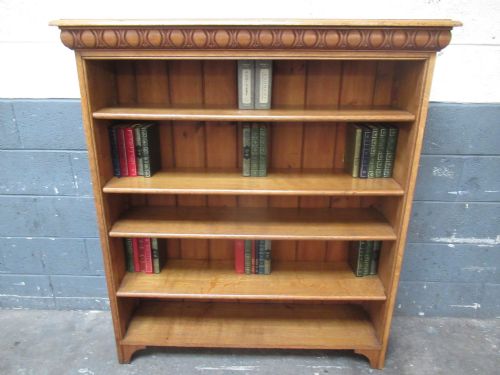
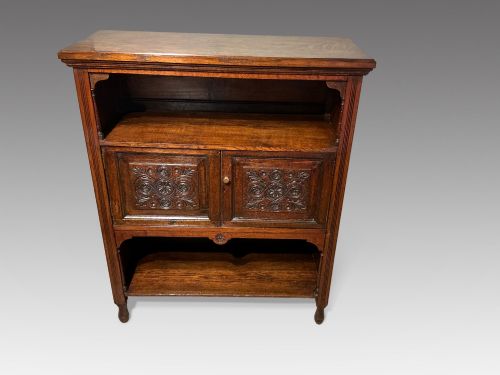
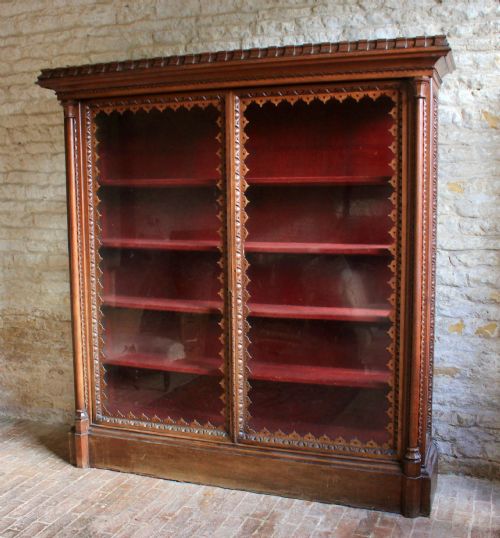
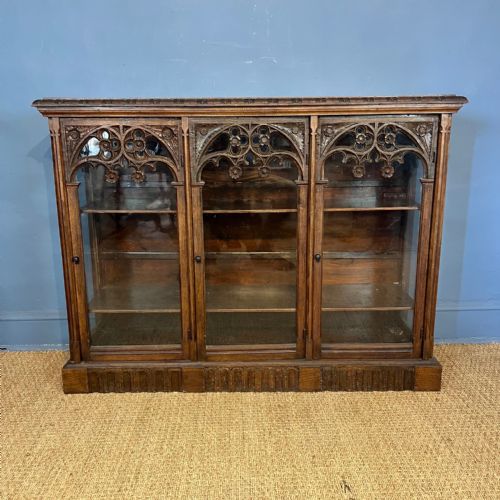
A victorian carved bookcase brings rich timber and confident nineteenth-century craftsmanship into a room to hold a working library.
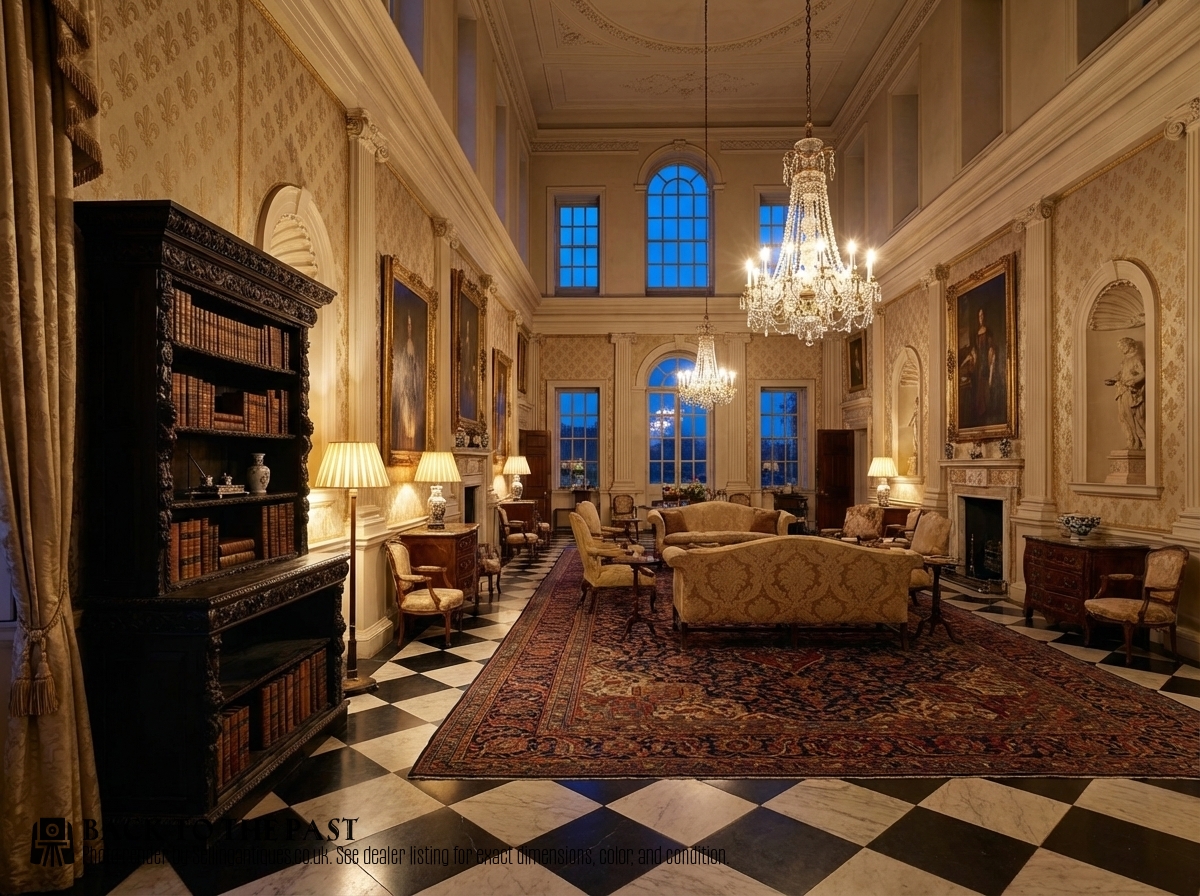
Victorian Carved Bookcase
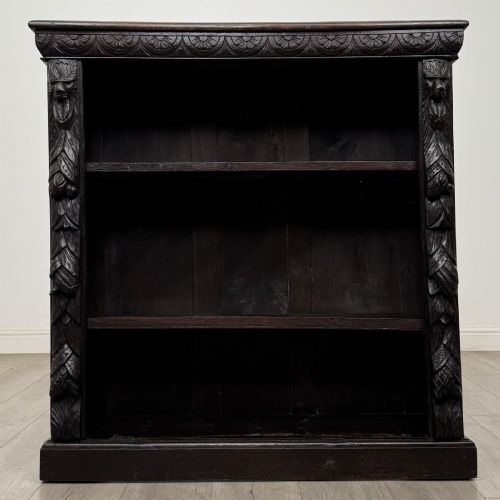
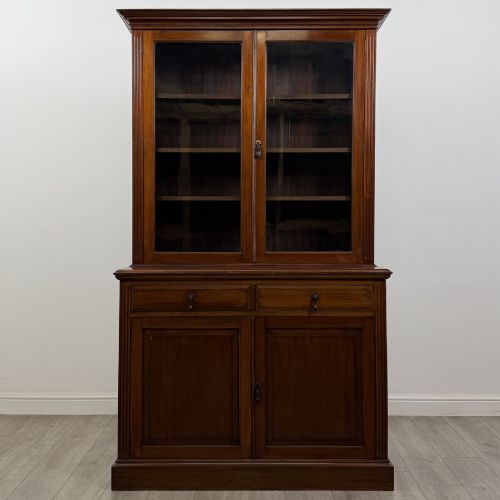
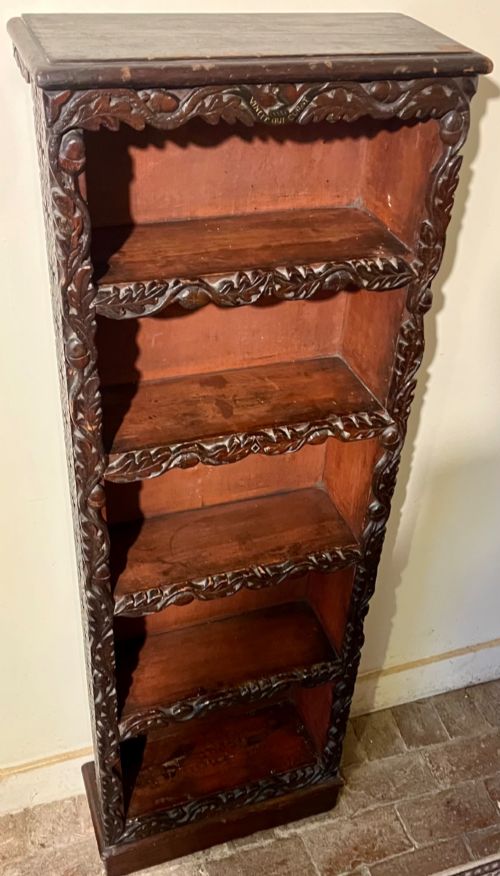
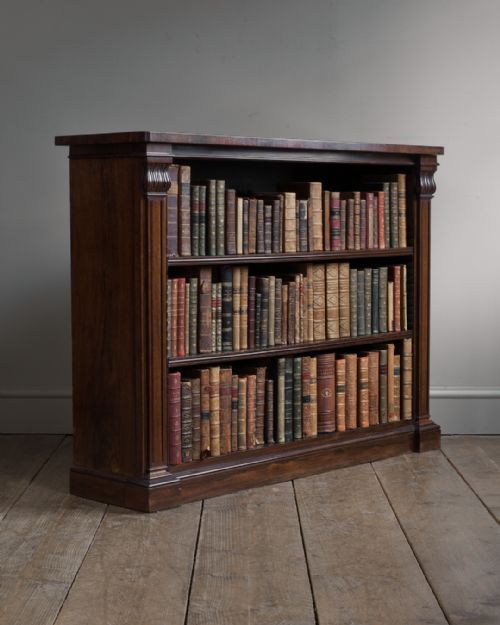
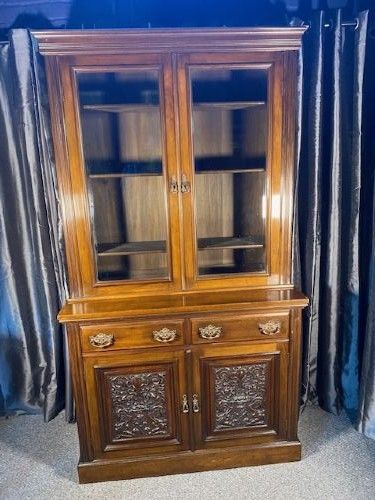
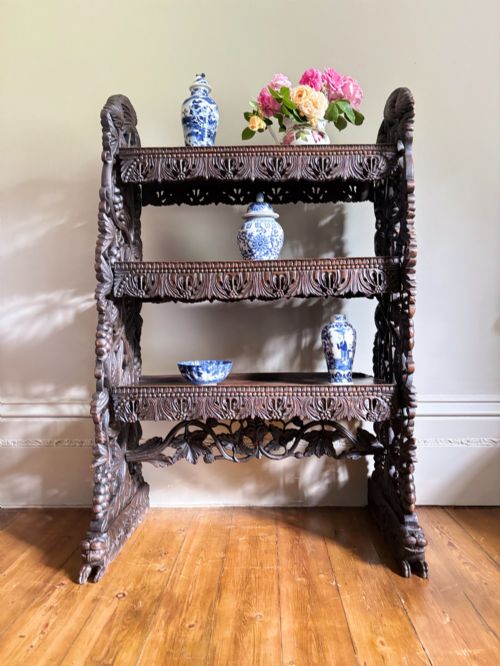
A victorian carved bookcase encompasses tall glazed display cabinets, open library shelving, and compact dwarf units produced throughout the nineteenth century. The examples most frequently encountered combine solid timber frames with generous carved ornamentation, particularly in dark oak or rich mahogany.
Makers of the period also utilised walnut, burr walnut, and rosewood for formal drawing room pieces, while simpler open shelves served everyday domestic studies. These items range from wall-hanging compartments to large breakfront library cabinets fitted with adjustable shelves.
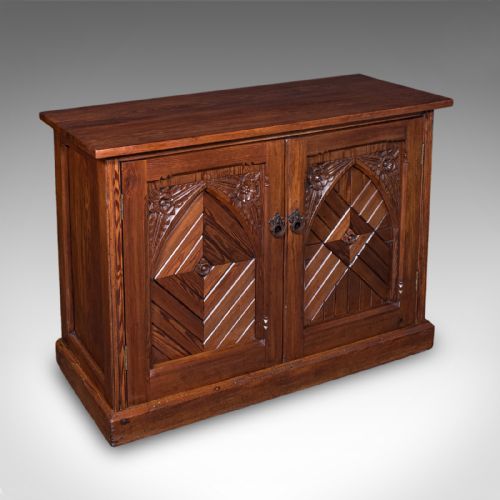
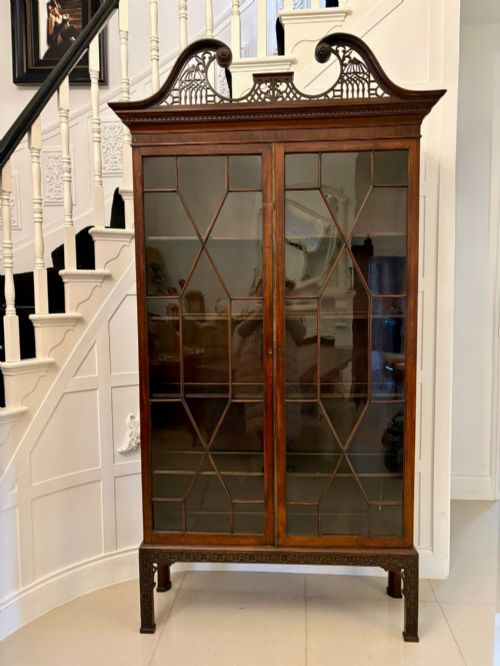
Design influences span from heavy Gothic revival motifs and Tudor rose carvings to lighter Aesthetic movement and Chinese Chippendale styles. Buyers primarily select these pieces to anchor a study or living space with functional period furniture.

Materials and construction
Cabinet makers relied predominantly on dense hardwoods such as oak, mahogany, and walnut, frequently selecting burr walnut veneers for figured panel work. Structural members were assembled using traditional joinery, while decorative details like foliage, scrolls, and green man masks were worked directly into the solid wood.
Glazed doors utilised brass fittings and slender timber glazing bars to support leaded or clear glass panes. Open variants often featured adjustable shelf racks supported by wooden or brass pegs within finished interior carcasses.
Victorian Carved Bookcase Retail Price Guide 2026
Typical asking prices for victorian carved bookcase among the pieces listed under this phrase on Sellingantiques today, from the lower quarter to the upper quarter. They describe what is for sale here now, not the wider market.
Listings feature eighteenth and nineteenth century periods, utilising mahogany, oak, walnut, and pine across various modular library forms.
Assessing construction standards
Quality in a victorian carved bookcase is determined by the depth and crispness of the hand carving rather than shallow machine stamping. Superior pieces display carefully selected timber grain across primary display surfaces and robust secondary framing timbers inside the cabinet.
The integration of original bevelled glass, working brass hardware, and smoothly operating adjustable shelving mechanisms separates standard utility furniture from exhibition grade items. Proportions, balanced symmetry, and well-executed joinery distinguish fine cabinet work from simpler vernacular joinery.
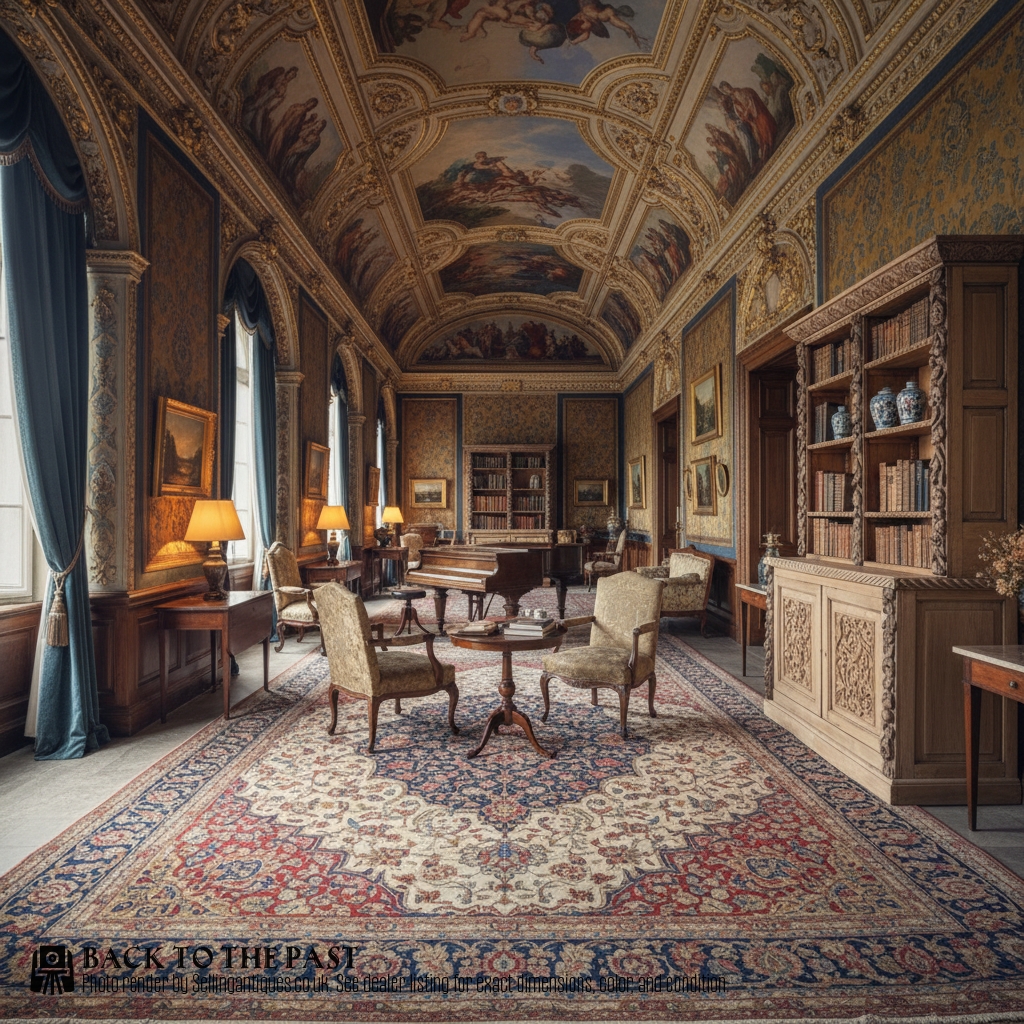
Gabriel Viardot·Gillows
The Victorian Carved Bookcase Glossary
- Secretaire
- A cabinet featuring a pull-down writing drawer fitted with small pigeonholes and inner compartments. This dual-purpose form conceals a writing desk behind a standard drawer front.
- Breakfront
- A cabinet design where the central section projects forward from the flanking wings. This configuration creates architectural depth on larger library pieces.
- Green Man
- A sculptural architectural ornament depicting a human face surrounded by or sprouting from foliage. It appears frequently on nineteenth-century oak furniture.
- Astral Glazing
- A network of slender wooden bars dividing a glass door into geometric panes. It provides structural support while framing the bookcase contents.
- Dwarf Bookcase
- A low open shelving unit designed to sit below window height. These compact pieces keep top surfaces clear for ornaments.
Victorian Carved Bookcase: Frequently Asked Questions
How do I adjust the shelves?
Most nineteenth-century bookcases utilise a system of wooden ratchets, brass studs, or notched vertical battens fixed to the interior sides. Shelves simply lift out of their seated positions to be repositioned at alternative heights.
Forced movement can damage the interior lining if timber has expanded over decades, so patience is required when sliding boards along older upright tracks.
Are the glass doors original?
Original glass panes often exhibit subtle surface imperfections, small air bubbles, and slight waviness typical of nineteenth-century manufacture. The surrounding timber rebate and putty lines should match the wear and patina of the exterior frame.
Replacement glass tends to appear entirely flat and lacks the historical character found in surviving period panes.
Where should I place a heavy oak bookcase?
Heavy timber furniture requires a stable, dry wall away from direct heat sources such as radiators or fireplaces. Maintaining consistent indoor humidity prevents the dense oak or mahogany timbers from splitting.
Securing tall library units to the wall using discreet brackets ensures stability, particularly on older uneven flooring.
How do I care for carved wood?
Dust carved details regularly with a soft bristle brush to prevent particle buildup within deep foliate recesses. Applying a quality beeswax occasionally maintains the natural sheen of the polished timber.
Avoid silicone-based polishes that can leave a sticky residue and attract dust into intricate nineteenth-century carvings.