


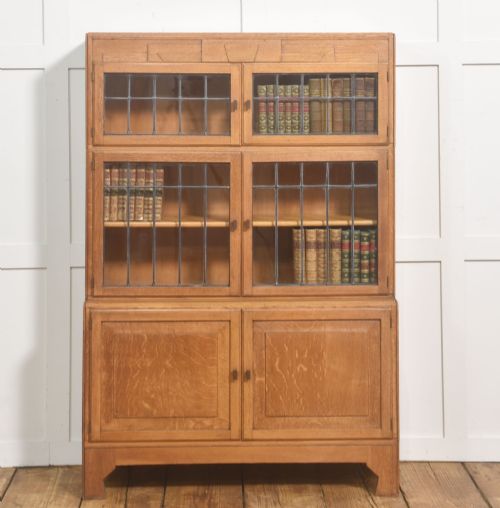
Antique Tall Bookcase
An antique tall bookcase brings vertical presence and disciplined storage to a room, offering generous shelf space in timber finishes like mahogany and oak.
What the pieces are
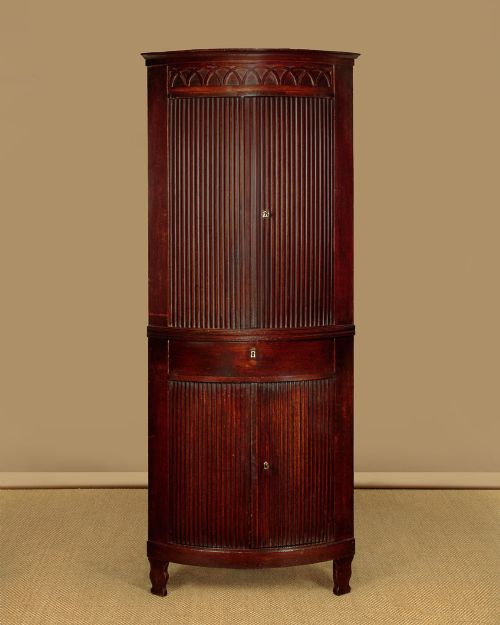
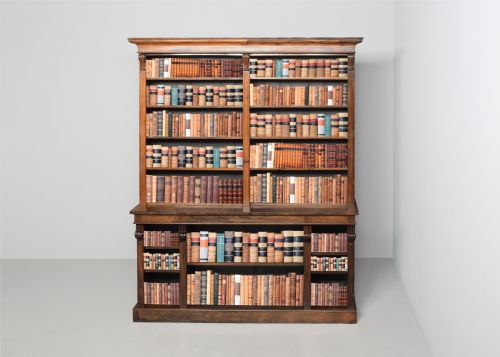
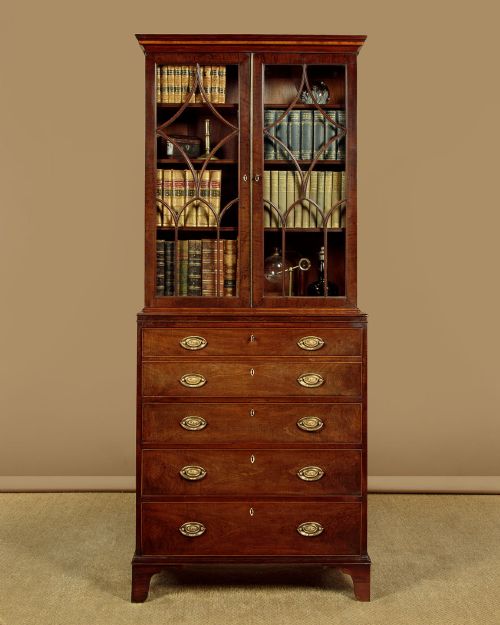
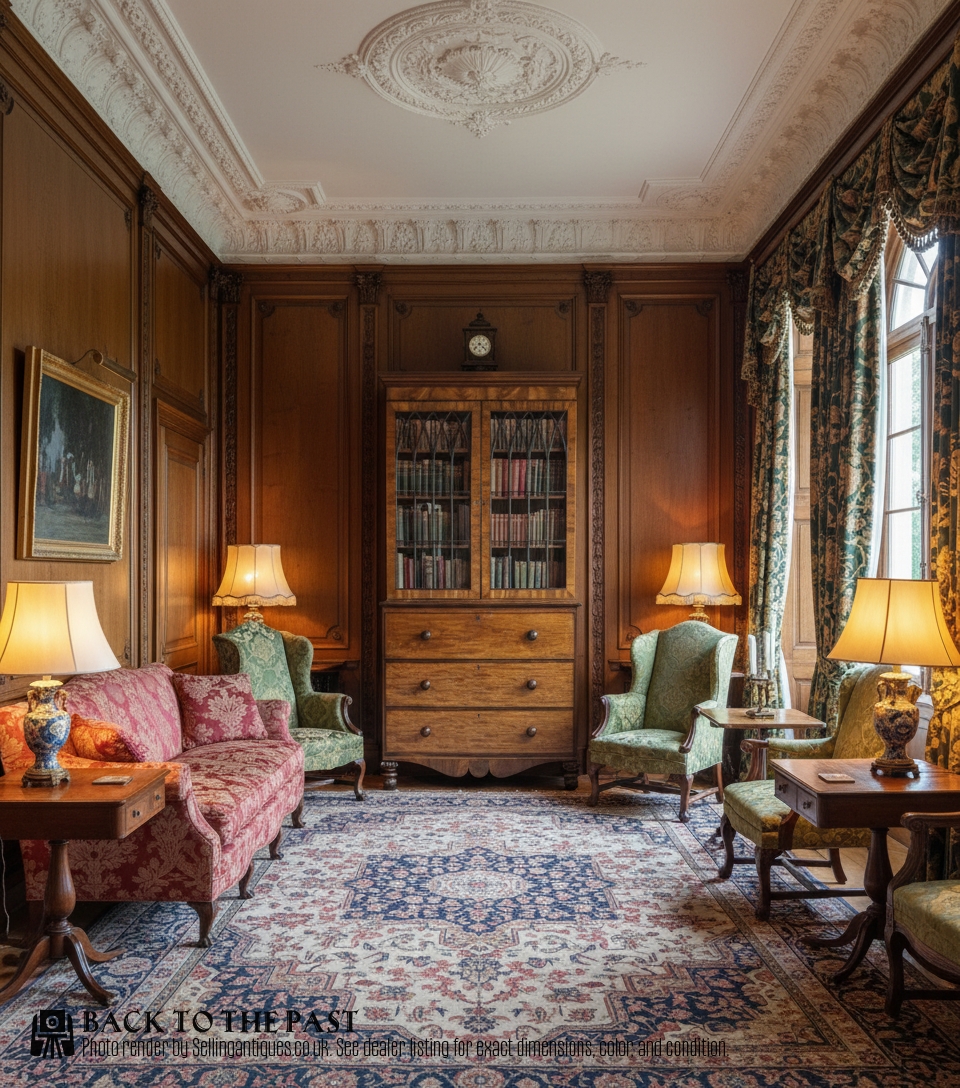
An antique tall bookcase stands upright to maximise vertical wall space while housing libraries and display collections. These pieces appear in open shelf formats or enclosed cabinet combinations, often featuring lower cupboards or glazed upper sections.
The selection ranges across the eighteenth, nineteenth, and early twentieth centuries, encompassing Georgian, Regency, Victorian, and Edwardian periods. Mahogany and oak dominate the forms, alongside burr walnut, walnut veneer, satinwood, and timber.
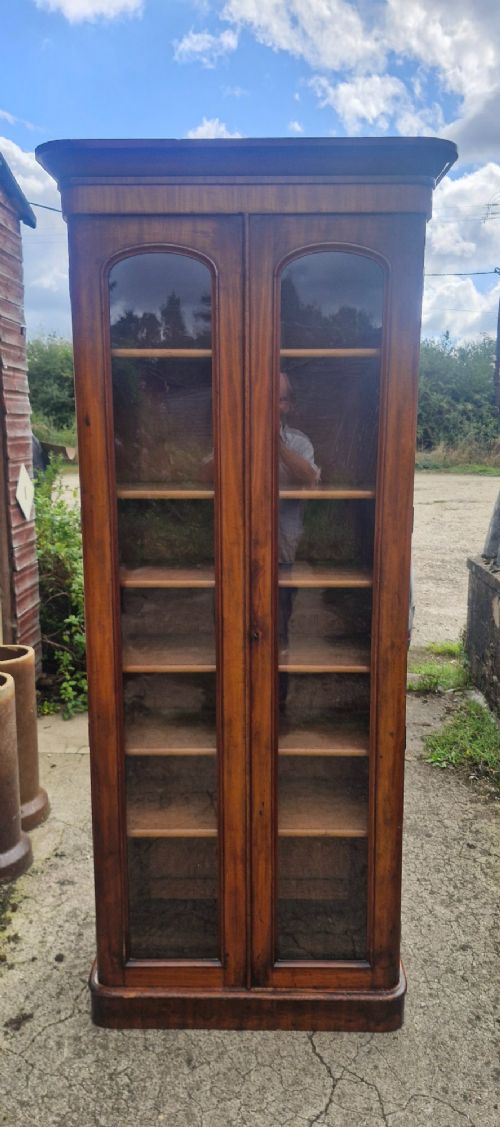
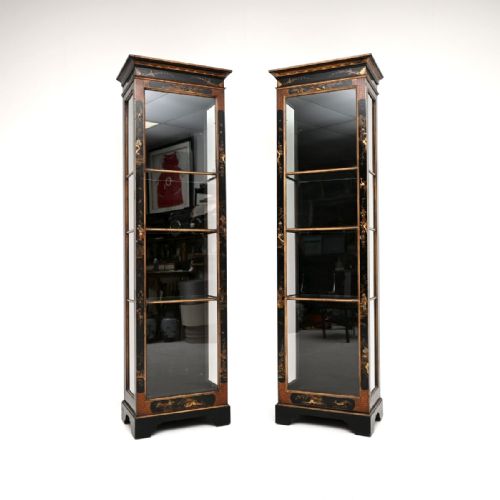
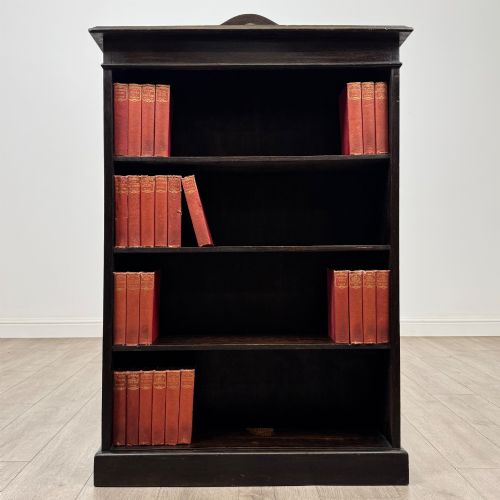
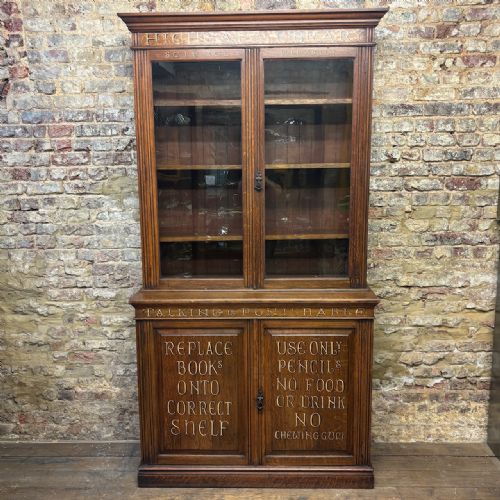
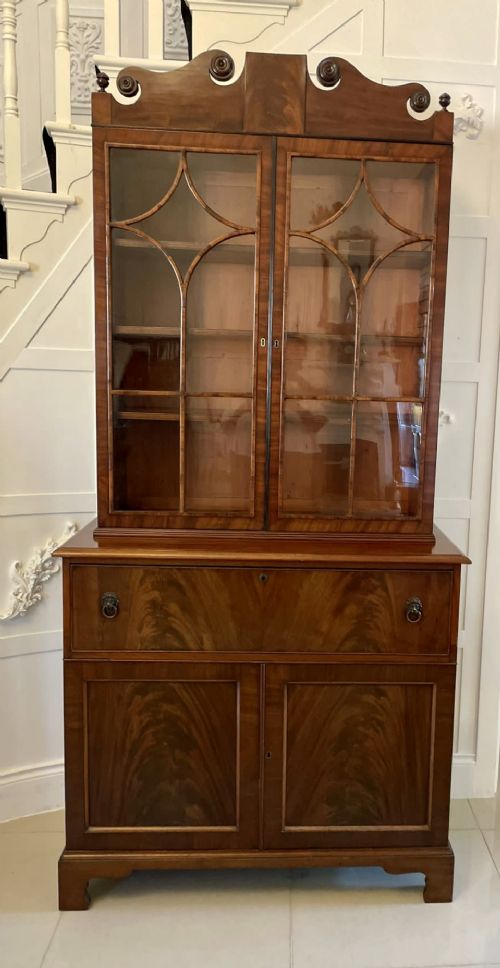
Open bookcases provide immediate shelf access for working libraries, whereas secretaire variants incorporate drop-front writing drawers. Cabinets with glazed doors protect volumes from dust while maintaining visibility across tall proportions.
How they were made
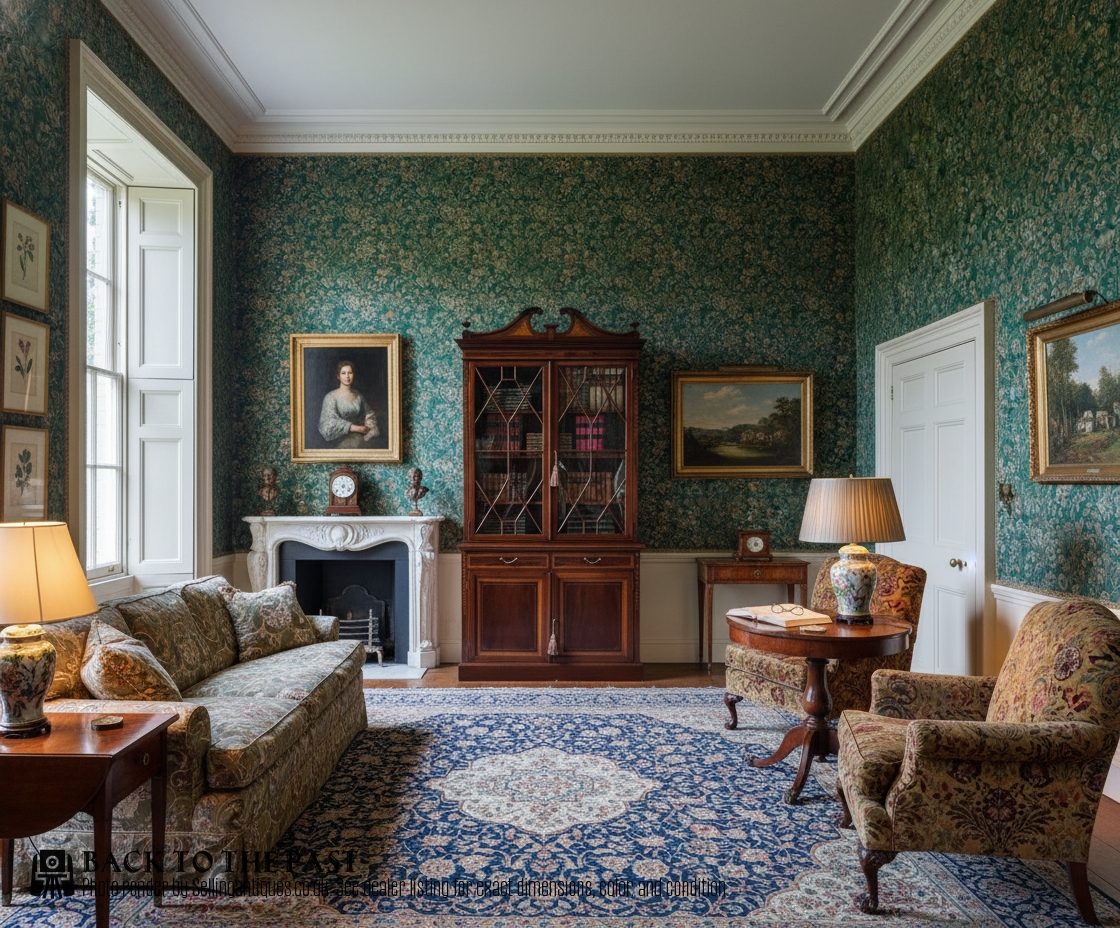
Joiners constructed these tall bookcases using solid hardwoods like mahogany and oak, supplemented by decorative surfaces in flame mahogany veneer, burr walnut, and walnut veneer. Brass fittings secure doors and support adjustable shelving systems within the tall frames.
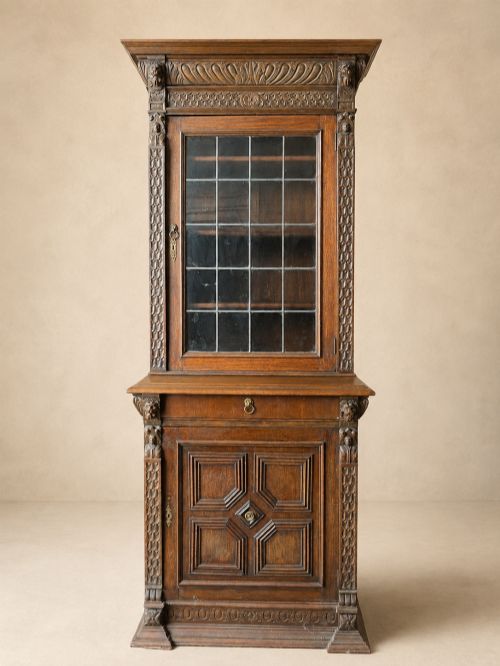
Glazing relies on timber framing, frequently styled with astragal bars to divide glass panes into geometric patterns. Inlaid details integrate contrasting woods into the surfaces, while carved elements define architectural cornices and pilasters on Victorian and Edwardian examples.
Retail Price Guide 2026
Typical UK retail prices for tall bookcase, calculated from the Sellingantiques database of over a million retail prices indexed since 2003. This retail price guide relies exclusively on Sellingantiques data; no external sources or auction records are used, so the figures do not describe the wider market.
Some Victorian bookcases hide secret writing compartments behind dummy book spines.
What varies in quality
Quality rests upon the selection of timber figures and veneer matching, where book-matched flame mahogany or burr walnut displays deliberate grain symmetry across large vertical surfaces. Heavier architectural proportions and crisply carved mouldings elevate the status of nineteenth-century library cabinets.
Internal construction standards differentiate standard utility pieces from fine cabinetwork, particularly in the thickness of solid timber shelving and the precision of dovetailed drawer boxes. Original glass panes, functioning brass locks, and intact astragal glazing bars distinguish superior examples.
Gillows·S and H Jewell London·Dnby and Spinks
The Antique Tall Bookcase Glossary
- Astragal glazed
- Glass doors divided into smaller panes by narrow wooden mouldings. This technique secures the glass while creating a refined geometric grid across the bookcase front.
- Secretaire bookcase
- A tall cabinet featuring a fitted writing drawer with a drop-front desk surface. It combines library storage with a compact bureau workspace.
- Flame mahogany veneer
- A sliced timber finish showing a distinctive fiery, undulating grain pattern. Cabinetmakers applied this decorative veneer to prominent surfaces for visual depth.
- Burr walnut
- A highly figured wood grain harvested from walnut tree growths. It provides dense, swirling patterns prized on Victorian and Edwardian cabinet doors.
- Waterfall bookcase
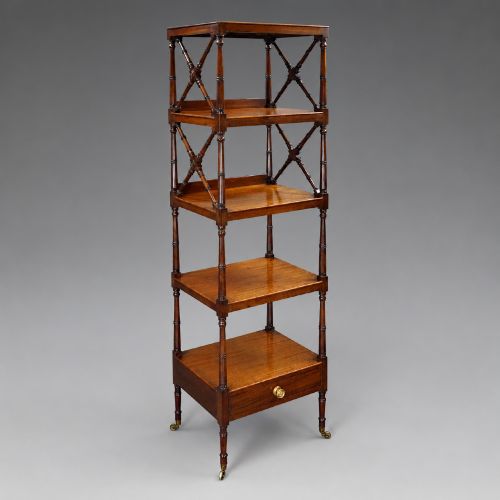
- A graduated shelving form where shelves step back progressively from bottom to top. This uncommon Regency layout creates an open, descending profile.
Frequently Asked Questions
What is a secretaire bookcase?
A secretaire bookcase incorporates a pull-down drawer front that serves as a writing desk. This surface conceals small pigeonholes and letter drawers.
Above the desk section, the tall cabinet houses adjustable shelves behind glazed or open timber doors. This dual function served libraries and studies where writing space was limited.
How do I spot an open bookcase?
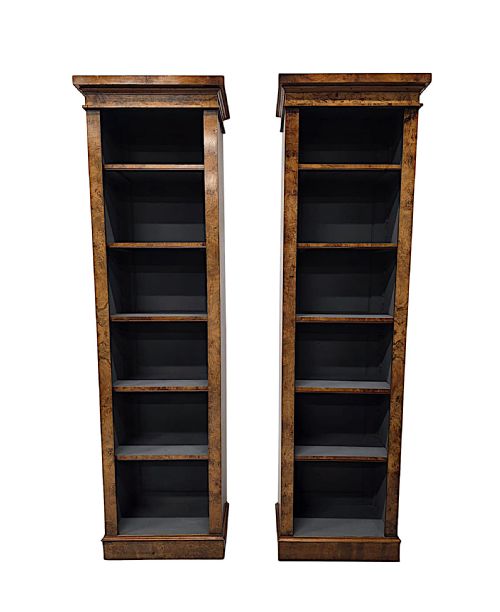
An open bookcase lacks doors entirely, presenting fixed or adjustable shelves across the tall timber facade. These pieces allow direct access to volumes.
They appear frequently in oak and mahogany across Victorian and Edwardian periods. Their simple elevations suit working libraries and studies.
What woods were used?
Cabinetmakers built these bookcases primarily in mahogany and oak. Decorative finishes include burr walnut, walnut veneer, satinwood, and flame mahogany veneer.
Brass hardware and glass panes complete the construction. The choice of timber often reflects the prevailing style of the Georgian, Victorian, or Edwardian era.
Are tall bookcases narrow?
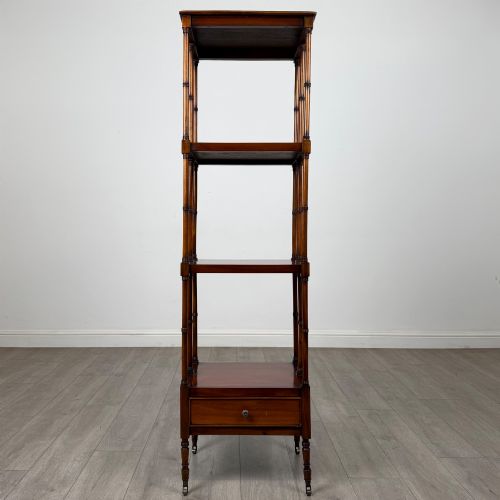
Many tall bookcases feature narrow footprints designed to fit restricted wall spaces. These slim proportions maximise vertical storage without dominating the room.
They maintain stability through solid timber construction and heavy plinth bases. Narrow formats appear across oak, mahogany, and satinwood examples.
How are shelves adjusted?
Older bookcases often rely on fixed wooden battens or traditional rack-and-pinion mechanisms to support shelves at various heights. These systems allow custom spacing for different book sizes.
Adjustability ensures the tall interior accommodates large folios alongside smaller volumes. The internal fittings match the primary timber of the cabinet.