



Antique Study Shelving
Antique study shelving gathers practical bookcases and desks designed to organise books and papers while anchoring a room with traditional wood.
Antique Study Shelving
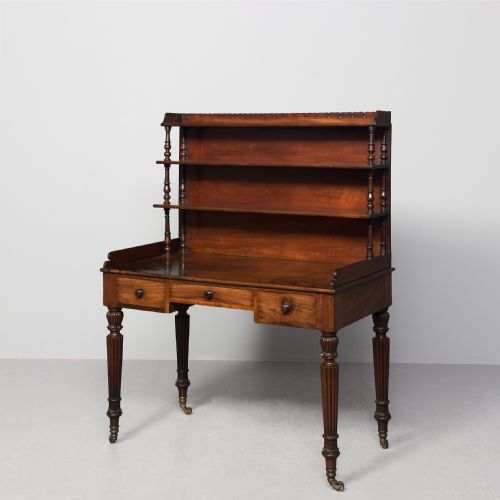
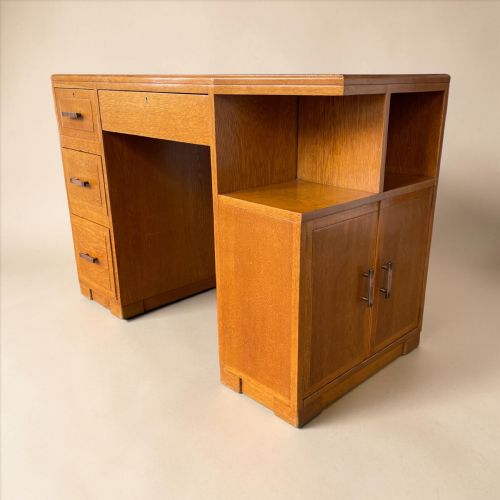
When searching for antique study shelving, buyers encounter open bookcases, office bookcases, and fitted shelving units designed for books and papers. The pieces found here span the Victorian, Edwardian, and 19th-century periods, alongside desks and writing tables that double as study furniture.
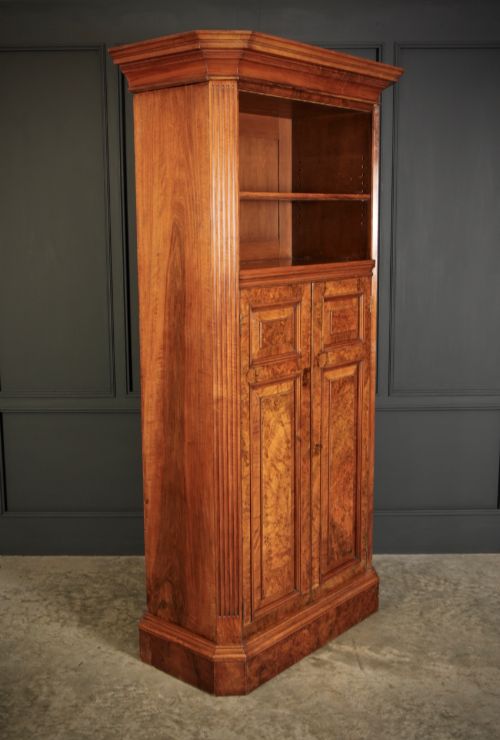
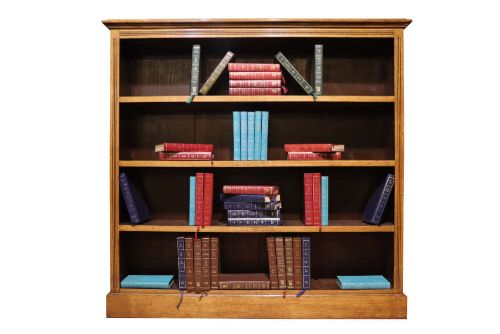
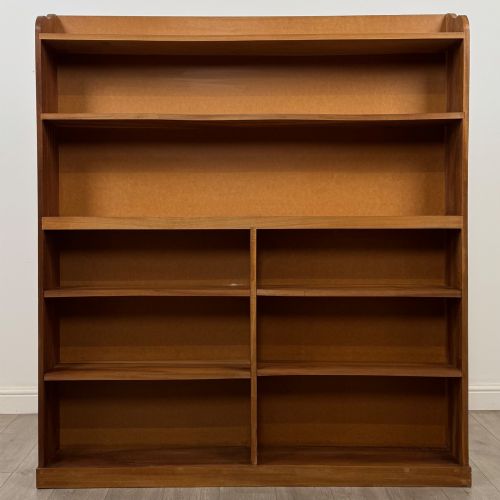
Open bookcases form the most common type on this page, often featuring adjustable shelves for practical use in a library or home office. Walnut, oak, and mahogany appear frequently across these structures, reflecting the enduring utility of traditional study furniture.
How these pieces were made
Makers utilised solid timbers such as oak, mahogany, and pine for the main structures of bookcases and desks. Walnut veneer and burr walnut provided decorative figured surfaces for finer Victorian and Edwardian pieces.
Brass fittings appeared on hardware and adjustable shelf mechanisms, while traditional joinery methods ensured durability for heavy book storage. Oil on copper formed the medium for specific related works like painted portraits.
One portrait on copper depicts Martin Luther posing thoughtfully right before a backdrop of green curtains and bookshelves.
What varies in quality
The selection of timber dictates the visual weight and finish of a bookcase or desk, with burr walnut and golden oak offering distinct decorative grain patterns compared to plain pine or standard mahogany. Finer examples display exhibition quality construction, featuring superior joinery and carefully matched veneers.
Functionality also separates standard storage from superior pieces, particularly the inclusion of adjustable shelves that allow proper organisation of varying book sizes. The integration of quality brass hardware and precise proportions further defines the upper tier of study furniture.
James Mein of Kelso·John Scougall
The Antique Study Shelving Glossary
- Open bookcase
- A shelving unit without doors, designed for easy access to books. These pieces usually feature fixed or adjustable wooden shelves.
- Burr walnut
- A prized timber veneer taken from the burl growth of the walnut tree. It produces highly figured, swirling grain patterns used on high-status Victorian furniture.
- Adjustable shelves
- Shelving supported by pegs, racks, or ratchets that can be moved to different heights. This feature allows the owner to accommodate books of various sizes.
- Golden oak
- A bright, warm tone of oak timber popular during the Edwardian period. Furniture made from this material often shows a pronounced grain.
Antique Study Shelving: Frequently Asked Questions
What periods do these bookcases come from?
The pieces span several centuries, with particular concentrations from the Victorian and Edwardian eras. You will also find items attributed to the seventeenth and twentieth centuries.
Each period brings distinct timber choices and styling, ranging from dark mahogany to golden oak and burr walnut.
How were antique bookcases used?
These pieces served as functional storage for private libraries, studies, and offices to house bound volumes and working papers. Open shelving allowed immediate access to frequently referenced texts.
Many examples include adjustable shelves to accommodate the varying heights of leather-bound books.
Are the shelves adjustable?
Many of the bookcases featured in this selection include adjustable shelves for flexible storage. This practical design allowed owners to reorganise their libraries over time.
Checking individual descriptions confirms whether a specific piece retains this adjustable mechanism.
What woods were used for study shelving?
Cabinet makers relied primarily on hardwoods like oak, walnut, and mahogany for strength and appearance. Burr walnut veneer was often applied to create decorative surfaces on finer pieces.
Pine also appears, typically used for secondary internal framing or simpler utilitarian items.