



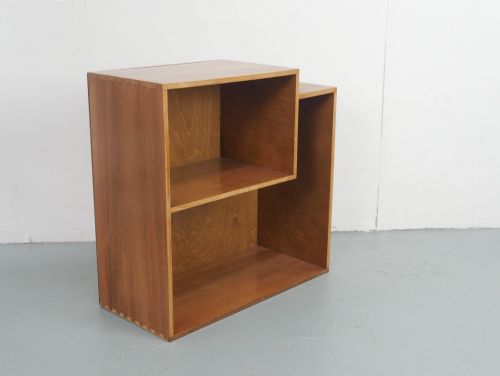
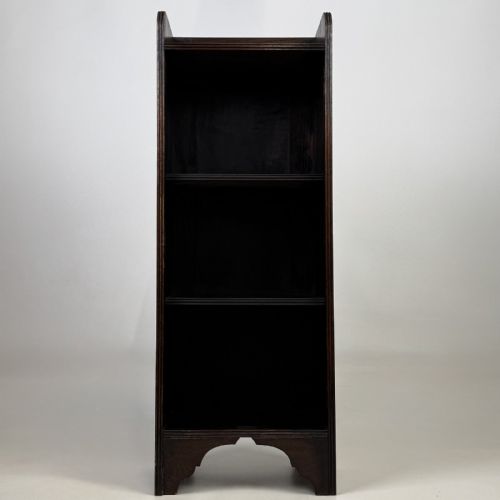
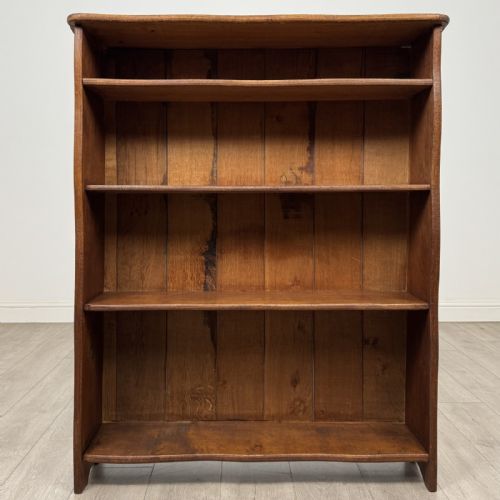
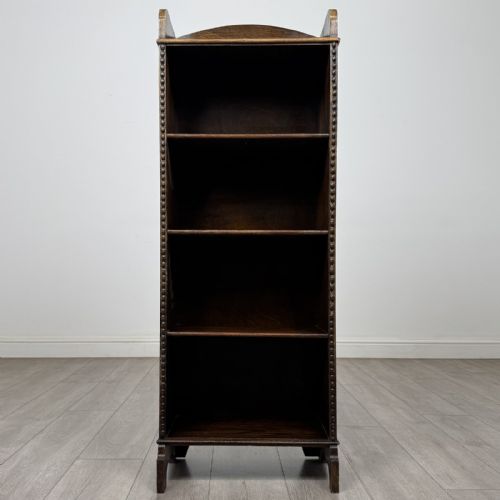

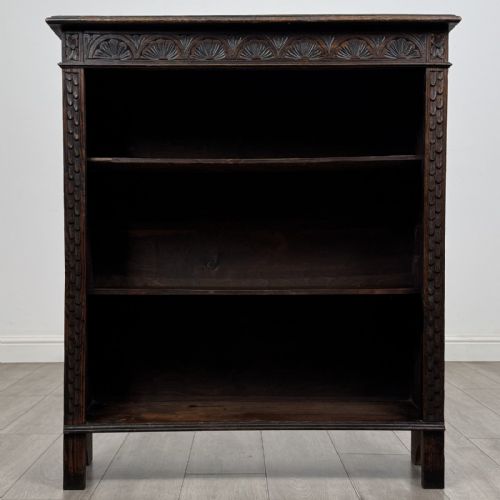
Antique Oak Shelving Unit
An antique oak shelving unit brings practical storage and solid timber grain into a room, spanning open bookcases to wall shelves.
Antique Oak Shelving Unit
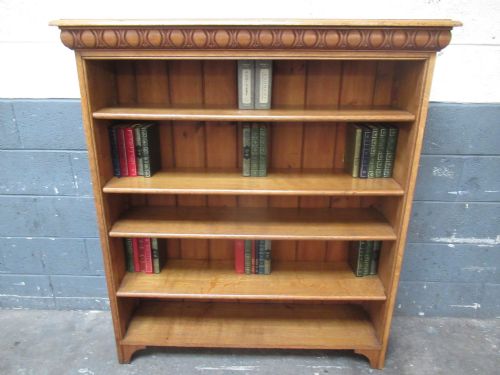
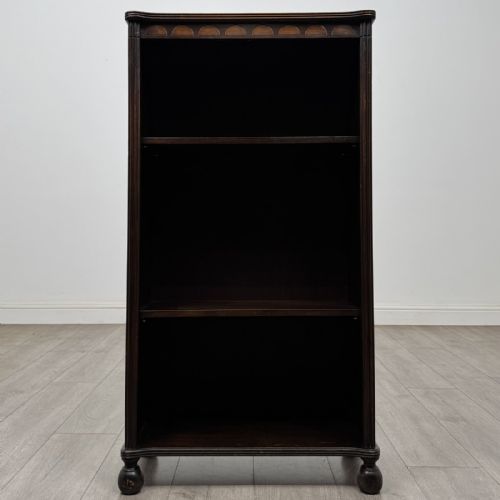
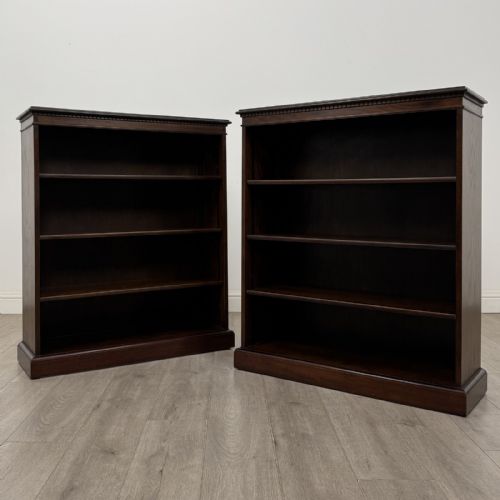
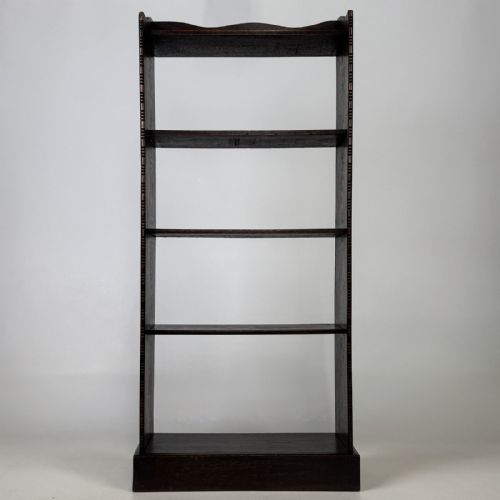
An antique oak shelving unit comprises open bookcases, wall shelves, and library shelving designed for domestic storage and display. When searching for an antique oak shelving unit, buyers encounter pieces spanning the Victorian and Edwardian eras through to the 1930s, alongside nineteenth-century examples. The selection is dominated by open bookcases and wall shelves rather than enclosed cabinets, favouring accessibility over doors.
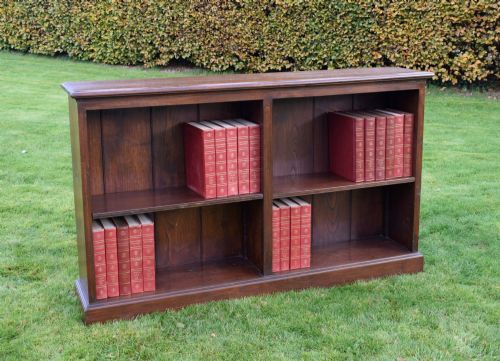
Most pieces date from the Edwardian period and the early twentieth century, with notable representation from Victorian workshops. Forms range from slim dwarf bookcases to large library units, sometimes incorporating adjustable shelves or small cupboards beneath the open tiers. Stylistic influences run from Arts and Crafts simplicity to Jacobean Revival and Gothic detailing.
How they were made
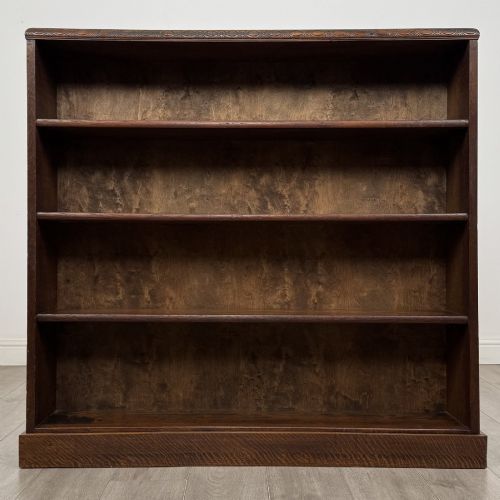
Construction relies primarily on solid oak, golden oak, and dark oak, occasionally ebonised or paired with iron and brass hardware. Timber selection prioritises durable domestic hardwoods capable of supporting heavy volumes without sagging.
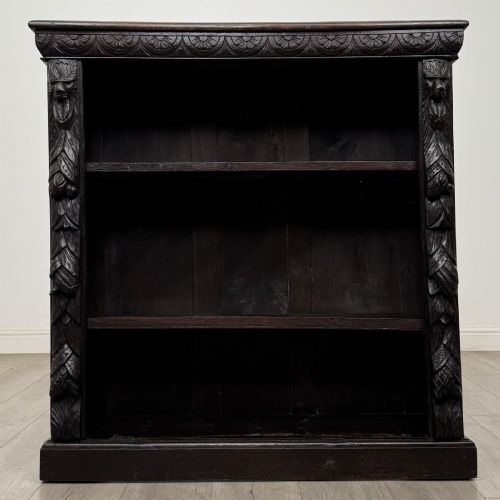
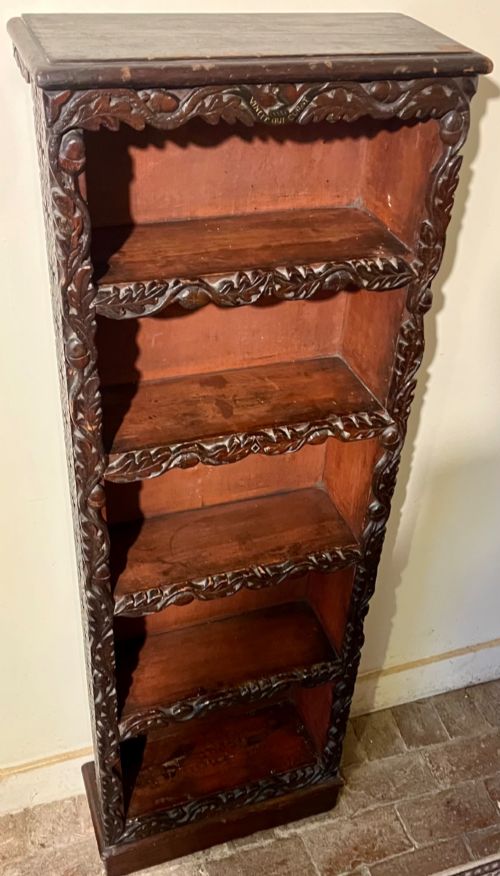
Joinery techniques span traditional housing and framing methods, often featuring beaded edges or carved ornamentation such as green man motifs. Surfaces receive finishing treatments that highlight the natural grain, whether left in a warm golden tone or darkened for a heavier aesthetic.
Antique Oak Shelving Unit Retail Price Guide 2026
Typical asking prices for oak shelving unit among the pieces listed under this phrase on Sellingantiques today, from the lower quarter to the upper quarter. They describe what is for sale here now, not the wider market.
Listings feature solid oak, ebonised oak, and brass hardware across Victorian, Edwardian, and Art Deco styles.
What varies in quality
Quality separates through the crispness of carved details, the choice of timber figuring, and the integration of functional elements like adjustable shelving mechanisms. Finer examples display deliberate proportions and cohesive style integration, such as authentic Arts and Crafts or Aesthetic Movement design principles.
Construction integrity differentiates standard utility pieces from finer workshop productions, visible in the joinery of the shelves and the weight of the oak utilised. The presence of secondary materials like brass fittings or ebonised highlights also shifts the character and refinement of the piece.
The Antique Oak Shelving Unit Glossary
- Open bookcase
- A piece of furniture consisting of horizontal shelves supported by vertical sides without enclosing doors. This format allows immediate access to books and decorative objects.
- Arts and Crafts
- A design movement favouring honest construction, simple forms, and visible handcraftsmanship over mass-produced ornamentation. Pieces from this tradition often feature exposed joinery and straightforward oak surfaces.
- Adjustable shelves
- Shelving supported on a rack-and-pinion or movable peg system that permits height variation. This mechanism provides flexibility for volumes of differing sizes.
- Ebonised oak
- Timber treated with a chemical stain or finish to imitate ebony. This dark, light-absorbing surface appears frequently in nineteenth-century and Aesthetic Movement furniture.
- Green man
- A sculptural architectural ornament depicting a human face disgorged from foliage or surrounded by leaves. This motif surfaces on carved Victorian and revival bookcases.
Antique Oak Shelving Unit: Frequently Asked Questions
What periods do these units date from?
The pieces span from the late nineteenth century through the Edwardian era and into the 1920s and 1930s. Victorian and Arts and Crafts examples feature prominently alongside early twentieth-century designs.
Maker attributions and stylistic clues help narrow down the decade of production, separating nineteenth-century heavy revival work from lighter Edwardian forms.
Are the shelves adjustable?
Many of the larger bookcases and library units feature adjustable shelves to accommodate varying book heights. Fixed shelving remains common in smaller dwarf bookcases and wall-mounted variations.
Checking the interior vertical panels reveals whether sliding brackets or traditional peg holes were integrated during initial construction.
What wood types are used?
Solid oak is the predominant timber, appearing in natural, golden, and dark finishes. Ebonised oak and occasional brass or iron hardware also feature across specific nineteenth-century pieces.
Surface treatments vary from light waxing to deep staining, reflecting the prevailing taste of the manufacturing period.
How do I identify an Arts and Crafts piece?
Arts and Crafts units display restrained ornamentation, visible structural joinery, and an emphasis on the natural grain of solid oak. These pieces often date from around nineteen-ten and prioritize utility.
Simplicity of line and functional honesty separate these designs from heavily carved Victorian or revival alternatives.