

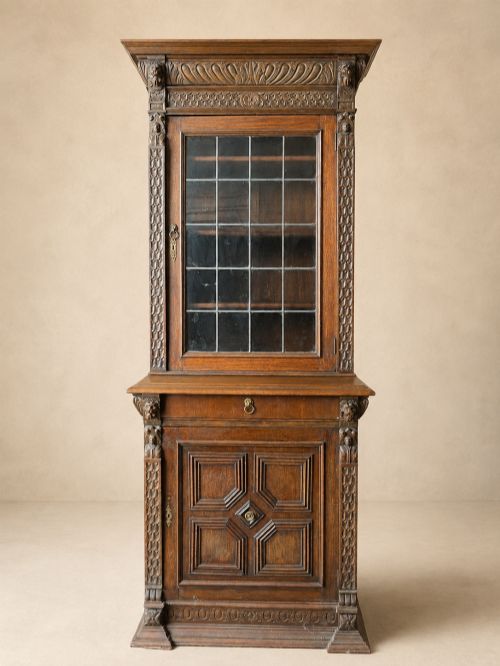
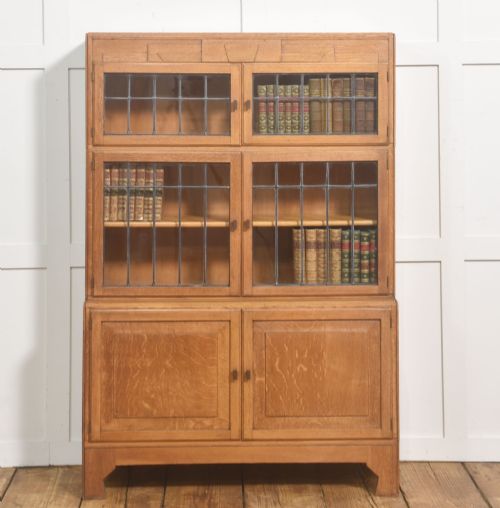
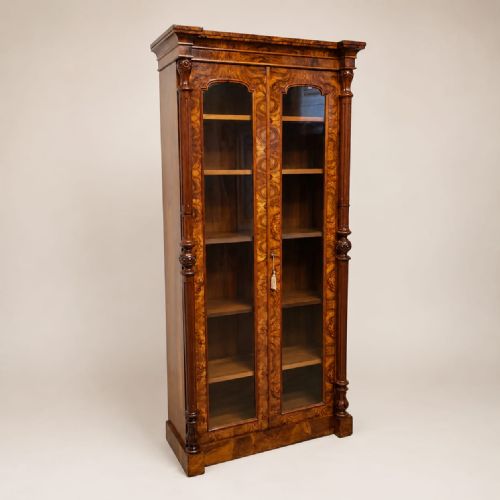
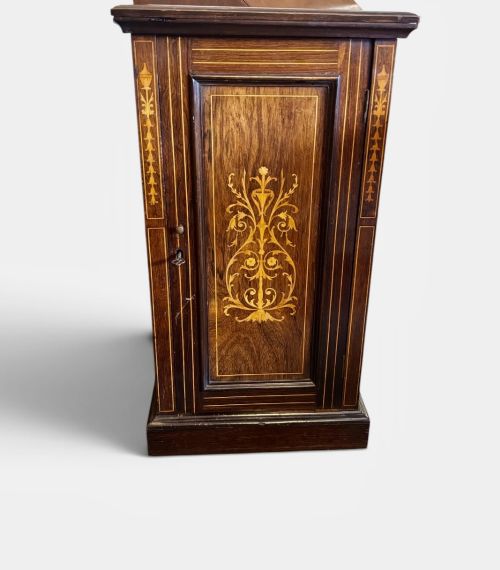
Antique Tall Cupboard
An antique tall cupboard solves vertical storage with character, bringing period timber and proportion to a high-ceilinged room.
Identifying an antique tall cupboard
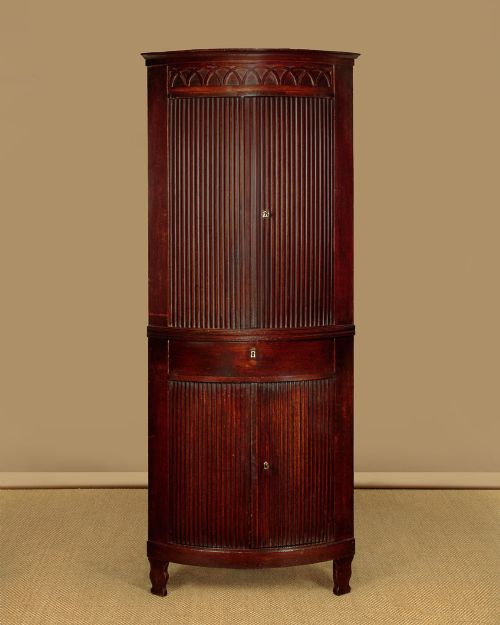
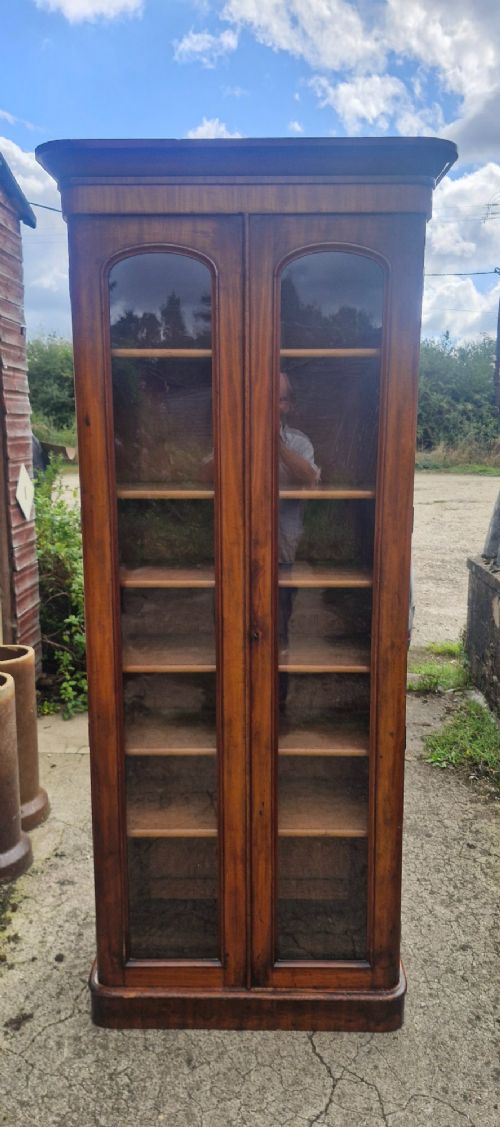
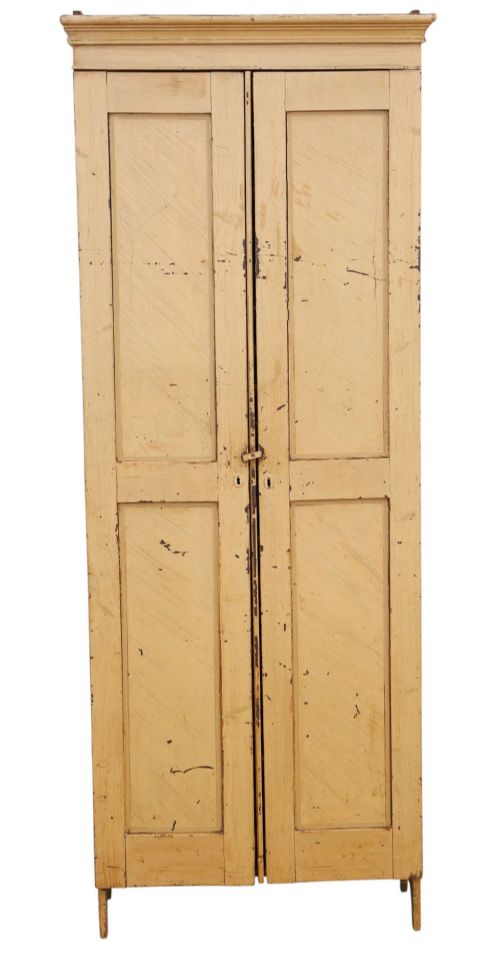
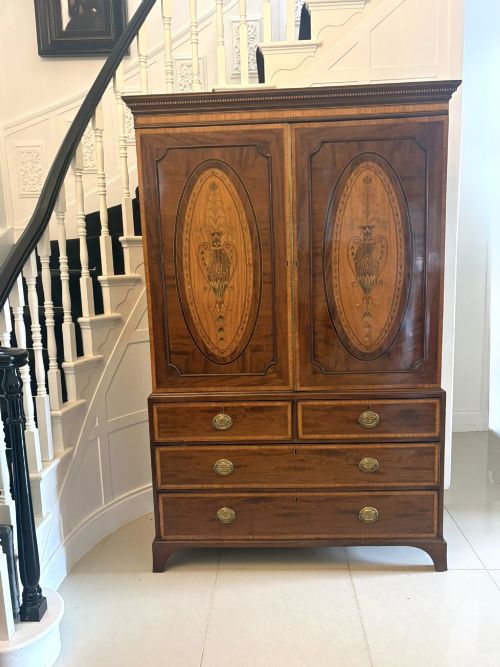
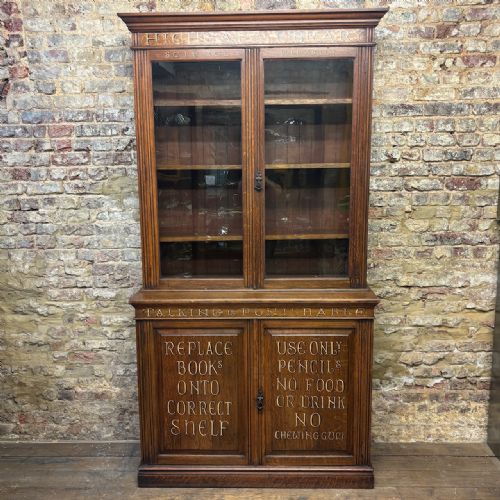
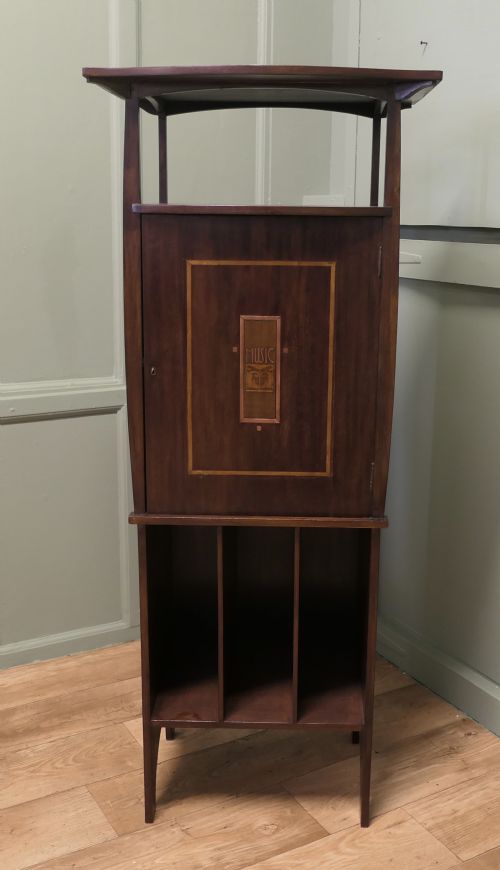
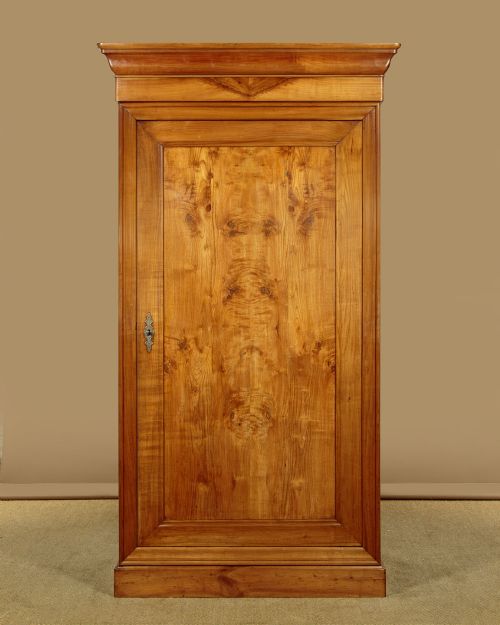
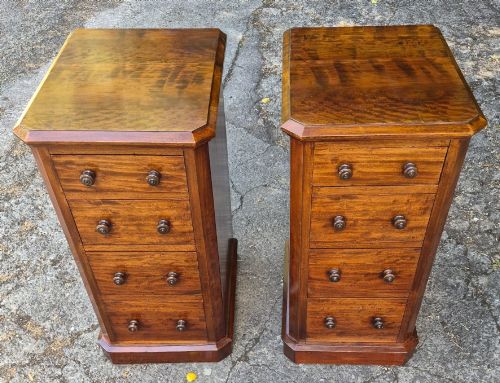
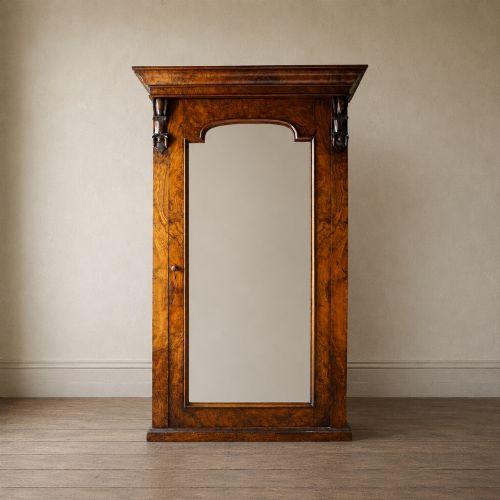
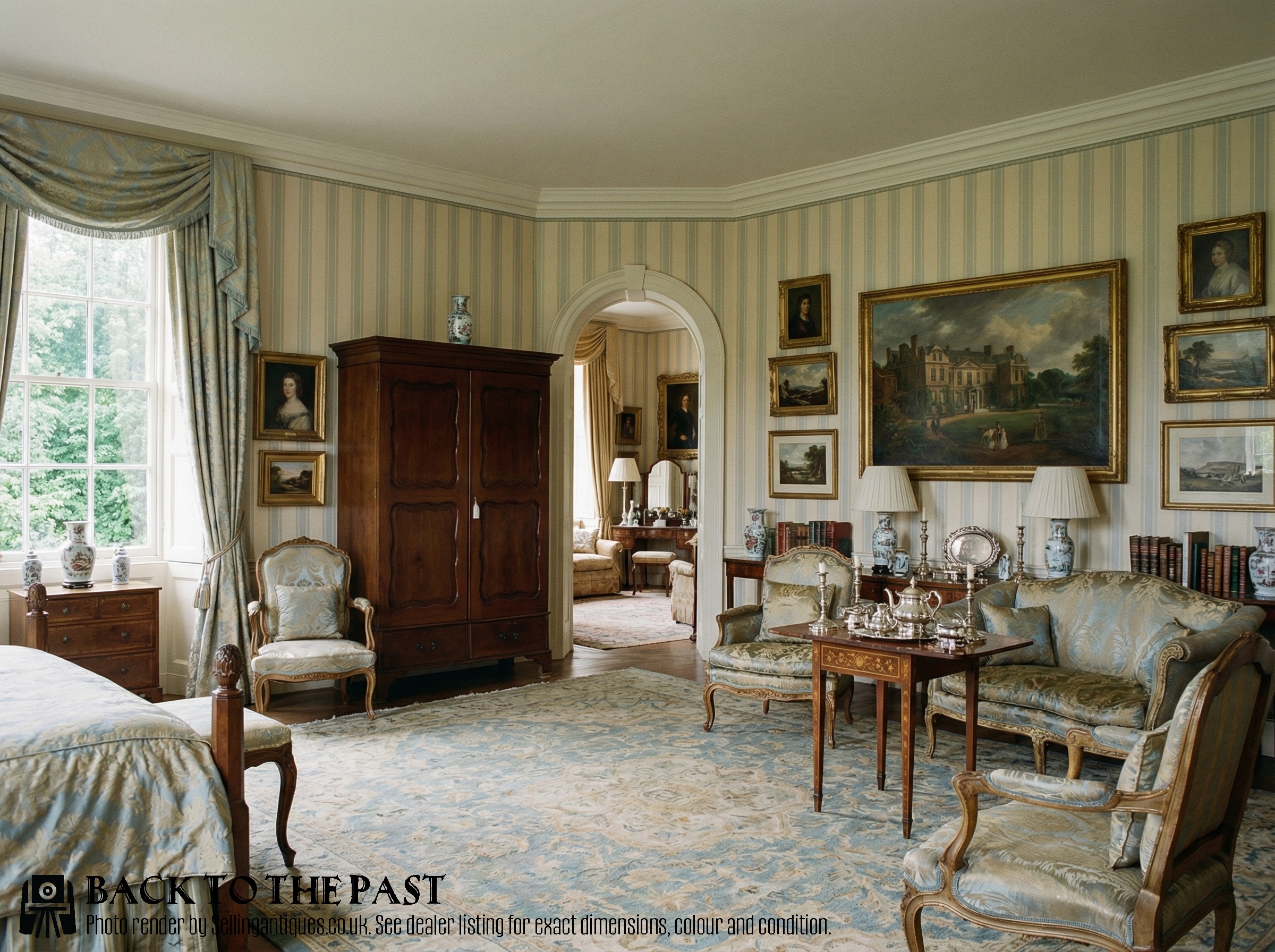
An antique tall cupboard provides vertical storage through various forms including wardrobes, armoires, linen presses, corner cupboards, bookcases, and housekeepers cupboards. These pieces dominate a wall with height while occupying a modest footprint on the floor.
The versions most commonly met on this page range from utilitarian pine storage units to grand mahogany or walnut display pieces. Origins span English country workshops to continental houses, covering Georgian, Victorian, and eighteenth-century periods.
Buyers seek these tall formats to utilise vertical space in bedrooms, halls, and living rooms without sacrificing period aesthetics. The internal configuration typically adapts from hanging space to shelves or drawers depending on the original domestic purpose.
Distinctions in quality
Superior examples display carefully selected timber veneers and balanced grain patterns across large surfaces. Master cabinetmakers balanced proportion and scale, ensuring heavy cornices and plinths harmonised with the main body.
The integrity of original brass hardware, working locks, and interior fittings distinguishes better pieces. Finer joinery manifests in tight door clearances, smooth drawer operation, and sound structural timber without excessive replacement.
Retail Price Guide 2026
Typical UK retail prices for tall cupboard, calculated from the Sellingantiques database of over a million retail prices indexed since 2003. This retail price guide relies exclusively on Sellingantiques data; no external sources or auction records are used, so the figures do not describe the wider market.
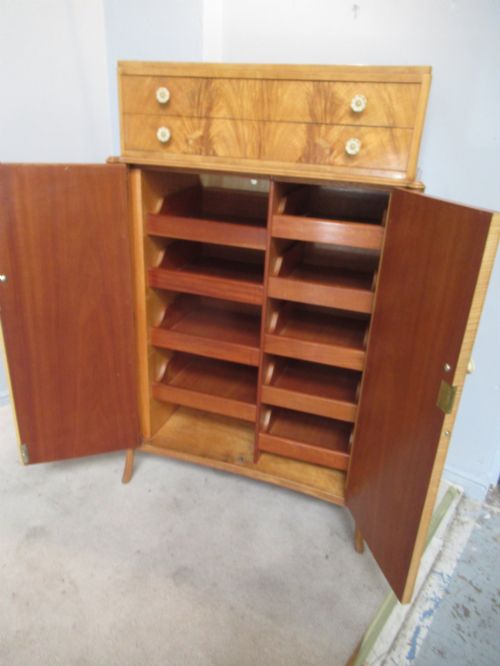
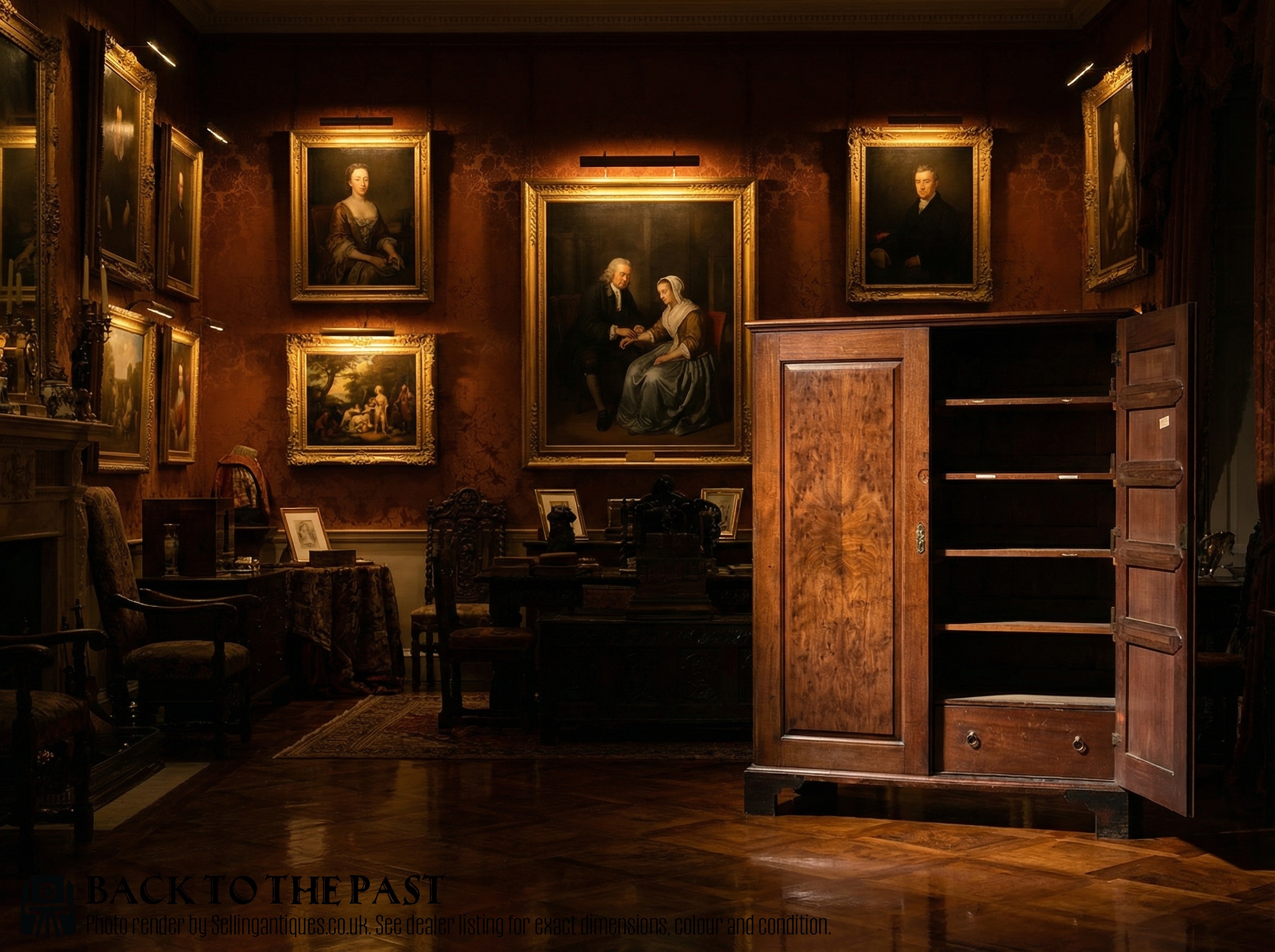
Several tall cupboards hide shallow top drawers designed for documents or small valuables just beneath the heavy projecting cornice.
Thomas Chippendale·A Blain & Son Liverpool·Heals of London
The Antique Tall Cupboard Glossary
- Linen press
- A tall cupboard featuring sliding trays or shelves behind the upper doors, historically used for storing folded textiles. Lower sections frequently incorporate practical drawers.
- Armoire
- A large freestanding wardrobe or cupboard of continental European origin. These pieces often exhibit distinctive regional mouldings and timber selections.
- Corner cupboard
- A specialised tall unit designed to fit neatly into a ninety-degree room angle. They appear in single height or double height configurations with glazed or panelled doors.
- Tallboy
- A tall chest of drawers standing on a further base section or cupboard. Early twentieth-century versions from makers like Heals refined this vertical format for modern domestic spaces.
Frequently Asked Questions
How were antique tall cupboards used originally?
These cabinets served multiple domestic functions ranging from storing household linen and clothing to housing books and provisions. Country houses used housekeepers cupboards for provisions and linen, while urban homes utilised bookcases and wardrobes.
Over time, owners adapted the internal spaces by adding hanging rails or adjustable shelving to suit modern requirements. Their height allowed maximum storage capacity while minimising floor space usage in domestic rooms.
What woods were used for tall cupboards?
Cabinetmakers selected dense hardwoods like mahogany, oak, walnut, and cherrywood for formal and reception rooms. These timbers often featured decorative grain patterns, veneers, or polished finishes.
Pine served as the primary material for utilitarian, pantry, and country storage cupboards. Many pine examples were originally painted or left bare for domestic waxing.
How do I tell Georgian from Victorian cupboards?
Georgian pieces from the eighteenth century typically exhibit restrained classical proportions, premium mahogany or oak timbers, and hand-cut dovetail construction. Cornices often feature dentil moulding or subtle architectural details.
Victorian examples from the nineteenth century tend to be heavier in scale, frequently utilising pine, mahogany, or pollard oak. They incorporate machine-assisted joinery developments and bolder, rounded decorative mouldings.
Where should I place a tall cupboard?
Tall cupboards anchor high-ceilinged rooms by utilising vertical wall space effectively. They function well in hallways, bedrooms, and studies where floor space is limited but storage is required.
Corner variations fit into unused room angles, softening stark architectural junctions. Free-standing models require stable wall placement to ensure safety given their significant height.