
Antique Pantry Cupboard
An antique pantry cupboard brings robust utility and vernacular charm to a modern kitchen, offering deep storage for provisions and tableware.
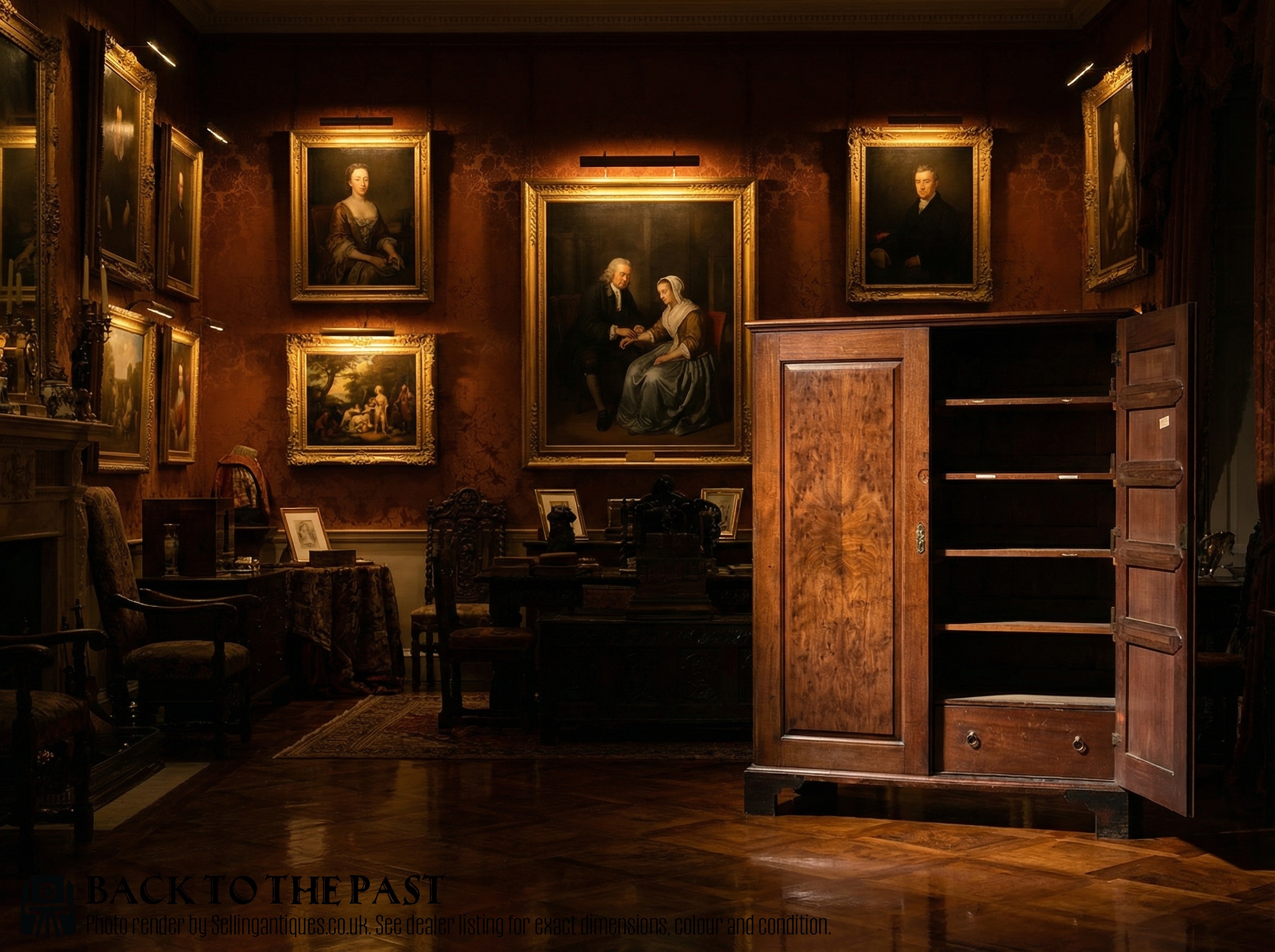
Antique Pantry Cupboard
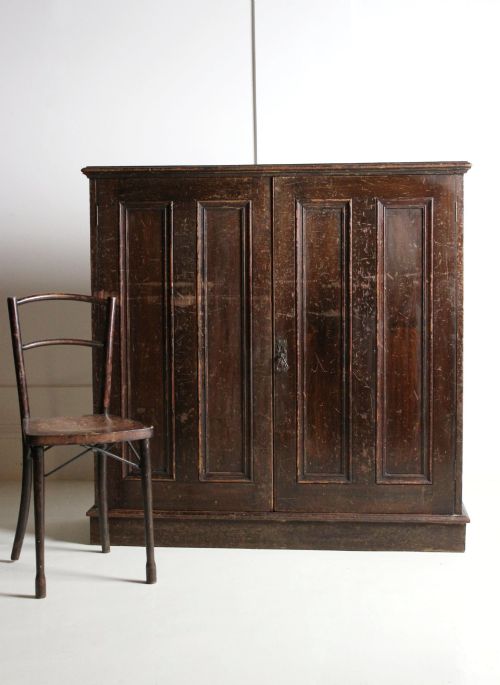
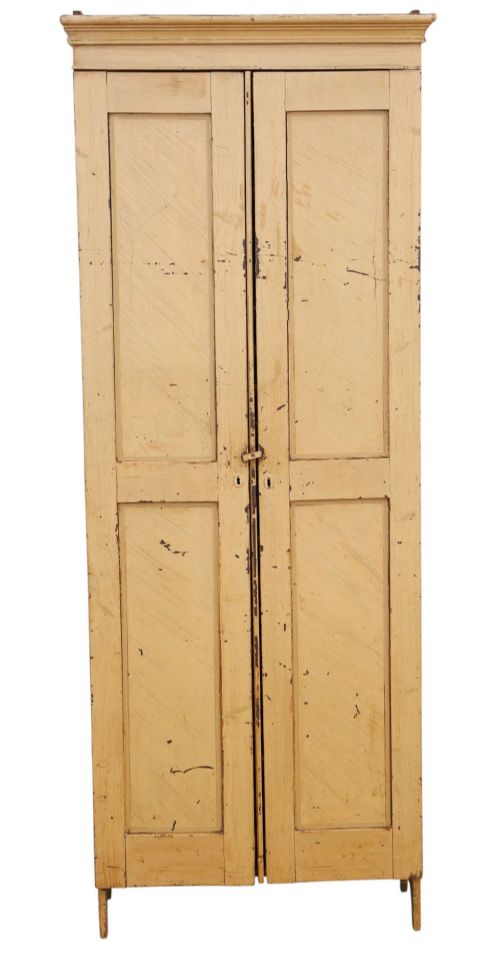
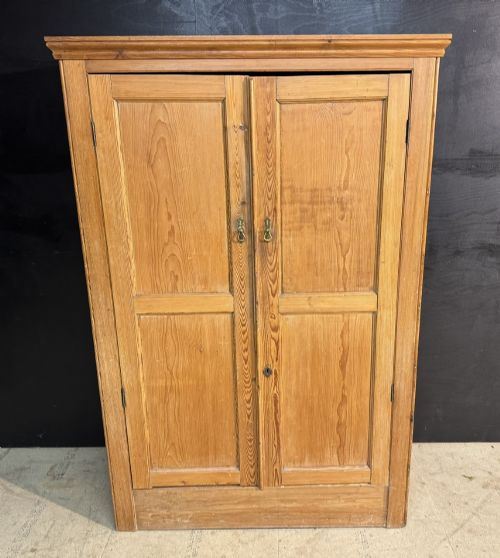
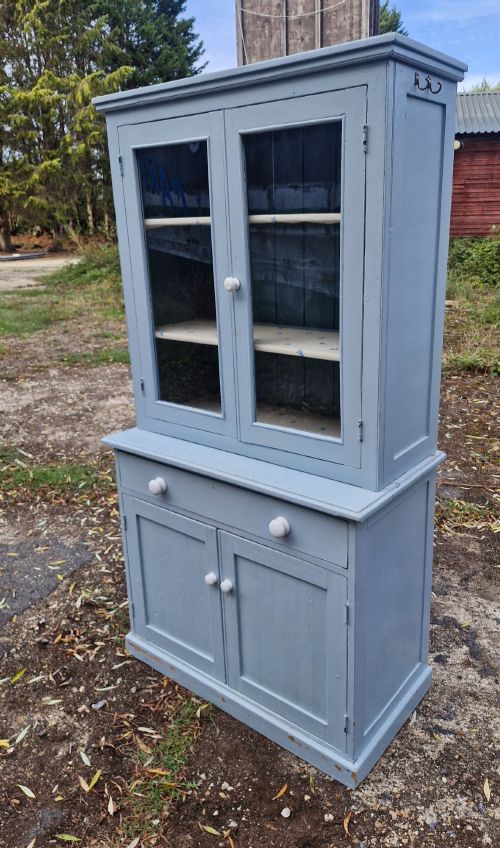
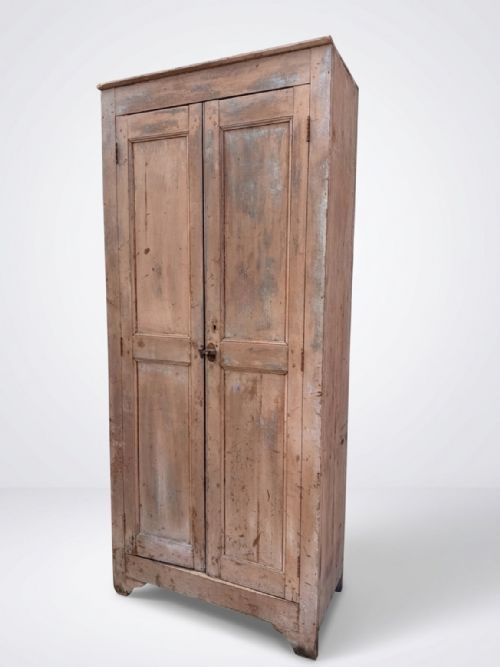
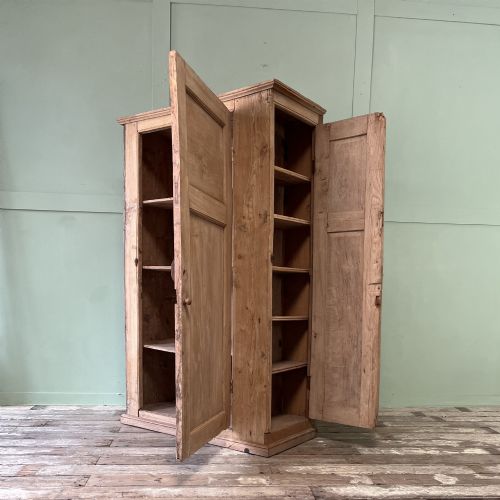
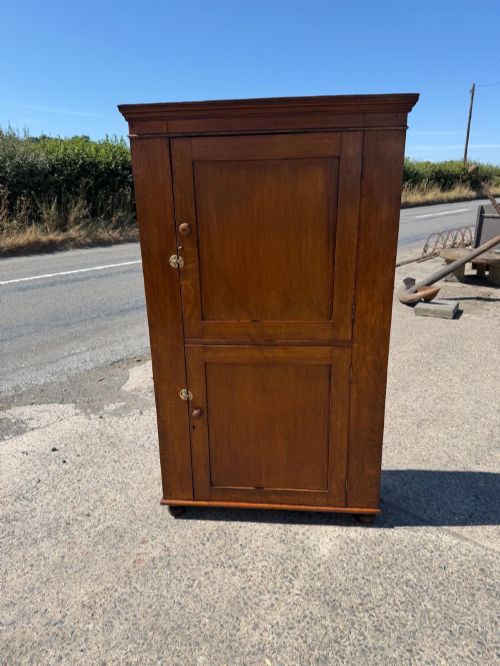
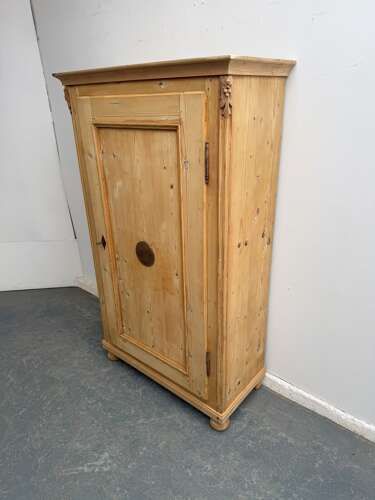
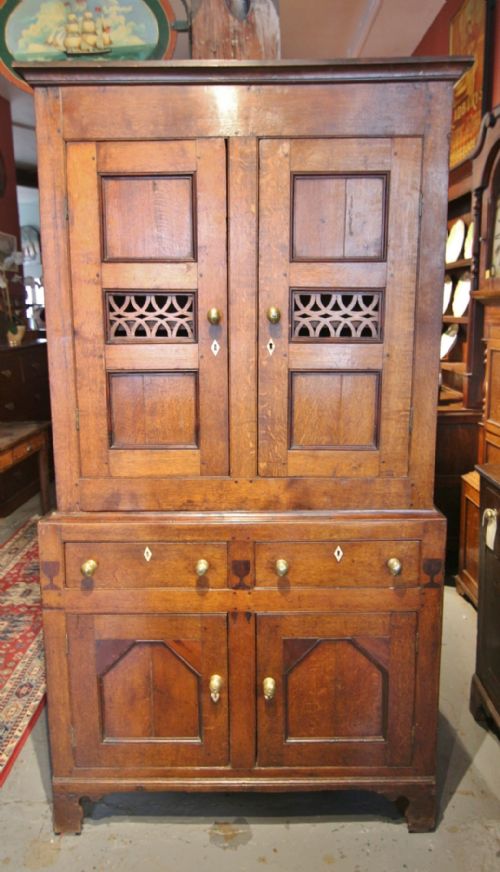
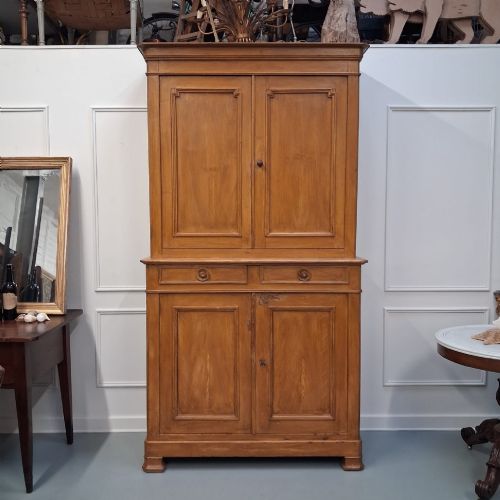
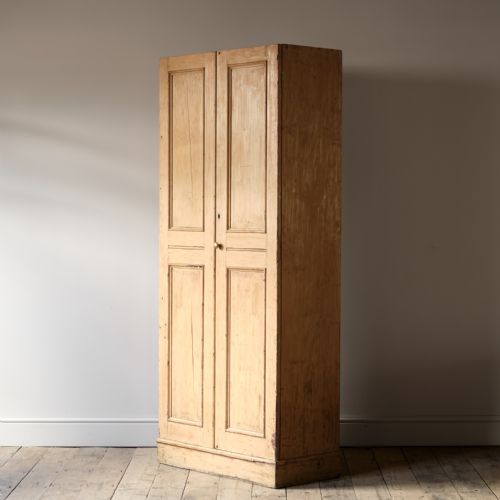
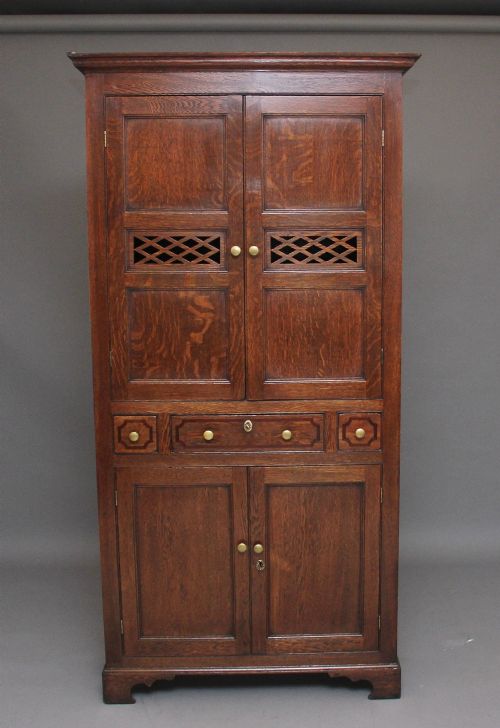
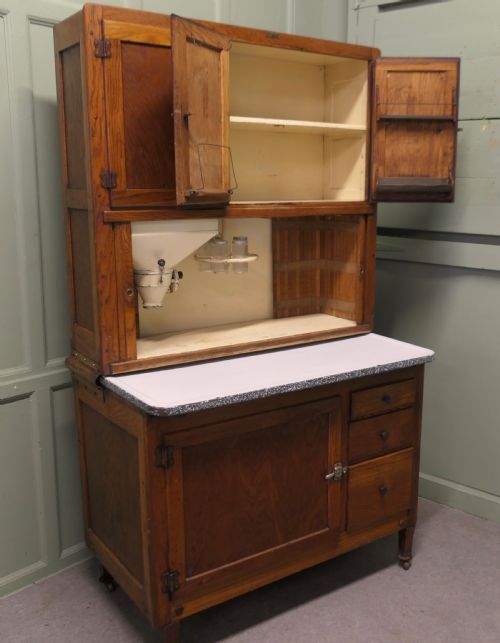
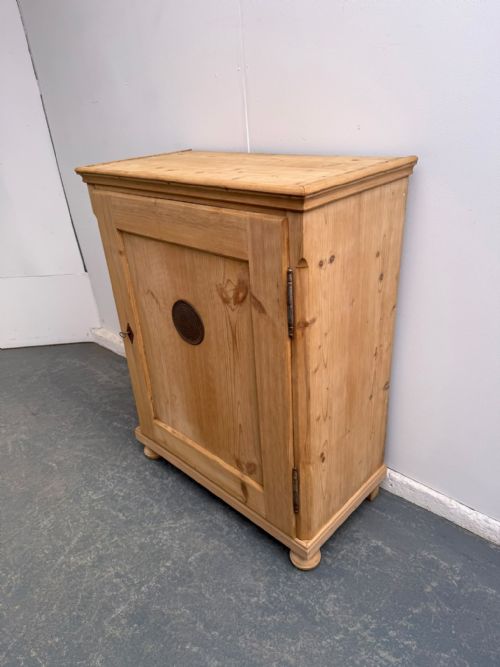
An antique pantry cupboard serves as a substantial storage piece designed originally for food, provisions, and household utensils in domestic kitchens and larders. When searching for an antique pantry cupboard, a buyer encounters diverse regional vernacular forms, from tall housekeeper's cupboards to specialised food and larder cabinets.
The pieces appearing on this page span the eighteenth, nineteenth, and early twentieth centuries, reflecting both Georgian and Victorian country traditions. Domestic iterations range from narrow single-door cupboards to wide multi-door configurations fitted with drawers and internal shelving.
Origin influences form significantly, encompassing Welsh vernacular designs, French provincial cabinets, Scandinavian painted pieces, and English country pine furniture. These utilitarian forms prioritize storage capacity and ventilation over formal decorative display.

How they were made
Makers relied principally on solid pine, oak, and elm, selecting timbers according to regional availability and the intended function of the cupboard. Carpenters constructed frames using traditional joinery, incorporating fielded panels, beaded mouldings, and sturdy bun feet.
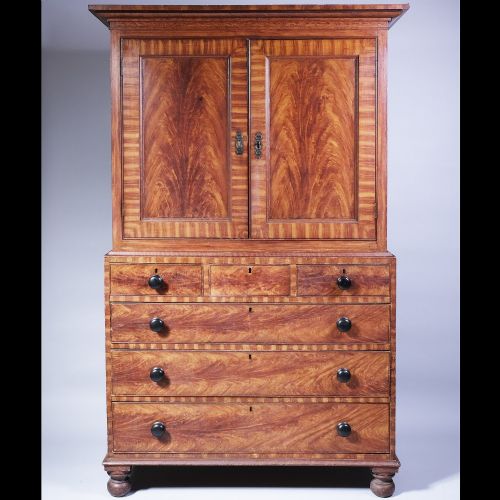
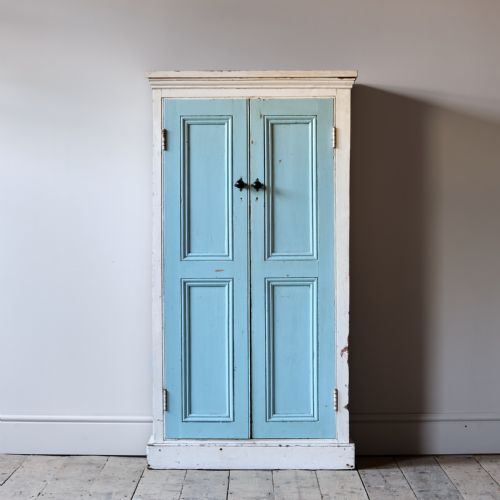
Surfaces frequently display historical paint layers, scumble glaze, or original wax finishes applied to protect the softwood from kitchen dampness. Iron and brass hardware, including hinges and latches, secure the heavy doors while ventilation apertures allow air circulation for perishable goods.
What varies in quality
Structural integrity separates superior examples from lesser utilitarian boxes, with preference given to cupboards retaining their original backboards, internal shelving arrangements, and unwarped doors. The retention of untouched historical paint surfaces or original scumble finishes elevates a piece above those stripped down to raw timber.
Refinement in regional joinery, such as cleanly executed inlaid detailing or balanced proportions in tall narrow formats, marks the distinction between standard workshop output and exceptional vernacular cabinet-making.
Hudson Bros
The Antique Pantry Cupboard Glossary
- Housekeeper's cupboard
- A large storage cabinet traditionally used in substantial houses to store linen, dry goods, and tableware. These often combine upper shelving sections with lower drawer banks.
- Food cupboard
- A specialised cabinet featuring ventilated panels or mesh to store perishables securely before mechanical refrigeration became common. These frequently include regional variants known as bread and cheese cupboards.
- Scumble painted
- A decorative surface technique where a translucent top coat of tinted glaze is manipulated over a lighter base colour to imitate graining or aged patination. This finish protects the timber while adding visual depth.
- Fielded panel
- A wooden panel with bevelled edges designed to fit securely within a rebated frame, allowing the wood to expand and contract safely with humidity changes.
- Vernacular furniture
- Domestic objects made by local tradesmen using regional traditions and readily available materials, prioritizing practical function over academic architectural styles.
Antique Pantry Cupboard: Frequently Asked Questions
What is an antique pantry cupboard?
An antique pantry cupboard is a large wooden storage cabinet historically used in domestic kitchens and larders to store food, provisions, and household stores.
These pieces reflect regional country craftsmanship and provide deep shelving enclosed by solid or ventilated doors.
How were pantry cupboards used?
These cupboards functioned as the primary domestic storage units for dry goods, dairy products, and utensils before fitted kitchens existed.
Ventilated versions kept perishables cool and aired, while larger housekeeper's formats held household linens and dry provisions.
How do I style a pantry cupboard?
An antique pantry cupboard works well as a focal point in a modern kitchen or dining room for storing tableware, glassware, or pantry goods.
Allow the natural timber grain or original painted surface to stand out against neutral walls to highlight its age and character.
How do I date an antique cupboard?
Dating relies on examining construction methods, timber types, handle fixings, and surface treatments such as original paint or wax.
Georgian and early nineteenth-century examples often display hand-planed surfaces, pegged joinery, and regional vernacular characteristics distinct from later factory-made cabinets.